Booking a South Georgia Plantation Hunt
Finding that truly exceptional hunting experience can sometimes feel like trying to hit a moving target – you've heard the stories, seen the pictures, but connecting with a top-tier destination that delivers on its promises is another matter entirely. Especially if you're dreaming of that classic South Georgia hunting adventure on a managed plantation, the sheer number of options and the unique booking process can be a little overwhelming. This guide is here to walk you through everything you need to know, from understanding the allure of these storied properties to the nitty-gritty of booking your dream hunt and making the most of every moment.
Why a South Georgia Plantation Hunt? Understanding the Appeal
Let's be real, a South Georgia plantation hunt isn't just about bagging game; it's an immersive experience steeped in tradition and dedication to wildlife. If you're wondering what makes these destinations so special, it really comes down to a combination of historical charm and meticulous habitat management that you just don't find everywhere.
The Allure of Tradition and Managed Habitat
For generations, South Georgia's vast pine forests and open fields have been the canvas for some of the most iconic hunting experiences in the Southeast, particularly for bobwhite quail. These plantations aren't just large tracts of land; they are living testaments to a legacy of conservation and passionate stewardship. We're talking about properties where the land has been intensively managed for decades, often centuries, specifically to cultivate prime habitat for game.
The result of this intensive management is something truly remarkable. You'll find meticulously maintained longleaf pine savannas, prescribed burns that encourage native grasses and forbs, and food plots strategically placed to benefit deer, turkey, and especially quail. This isn't just "good hunting" — it's often the very best. Hunters come here seeking not just high success rates, but a quality experience that feels both authentic and luxurious. Imagine traversing rolling terrain with world-class pointing dogs, or sitting in a perfectly placed stand overlooking a food plot you know holds a mature buck. The comfort and amenities on these properties often extend to exquisite lodging, gourmet meals, and a level of service that transforms a hunting trip into a true getaway. If you’ve ever found yourself wondering about Quail Hunting Georgia Plantation Country, these plantations are often the pinnacle of that experience.
What to Expect: Beyond Just the Shot
A plantation hunt is a distinctly different animal from a DIY public land excursion or even a private lease with your buddies. It's an all-enencompassing experience designed to provide convenience, expertise, and a memorable adventure. You're not just booking a spot to hunt; you're often booking a fully guided service that handles almost every detail.
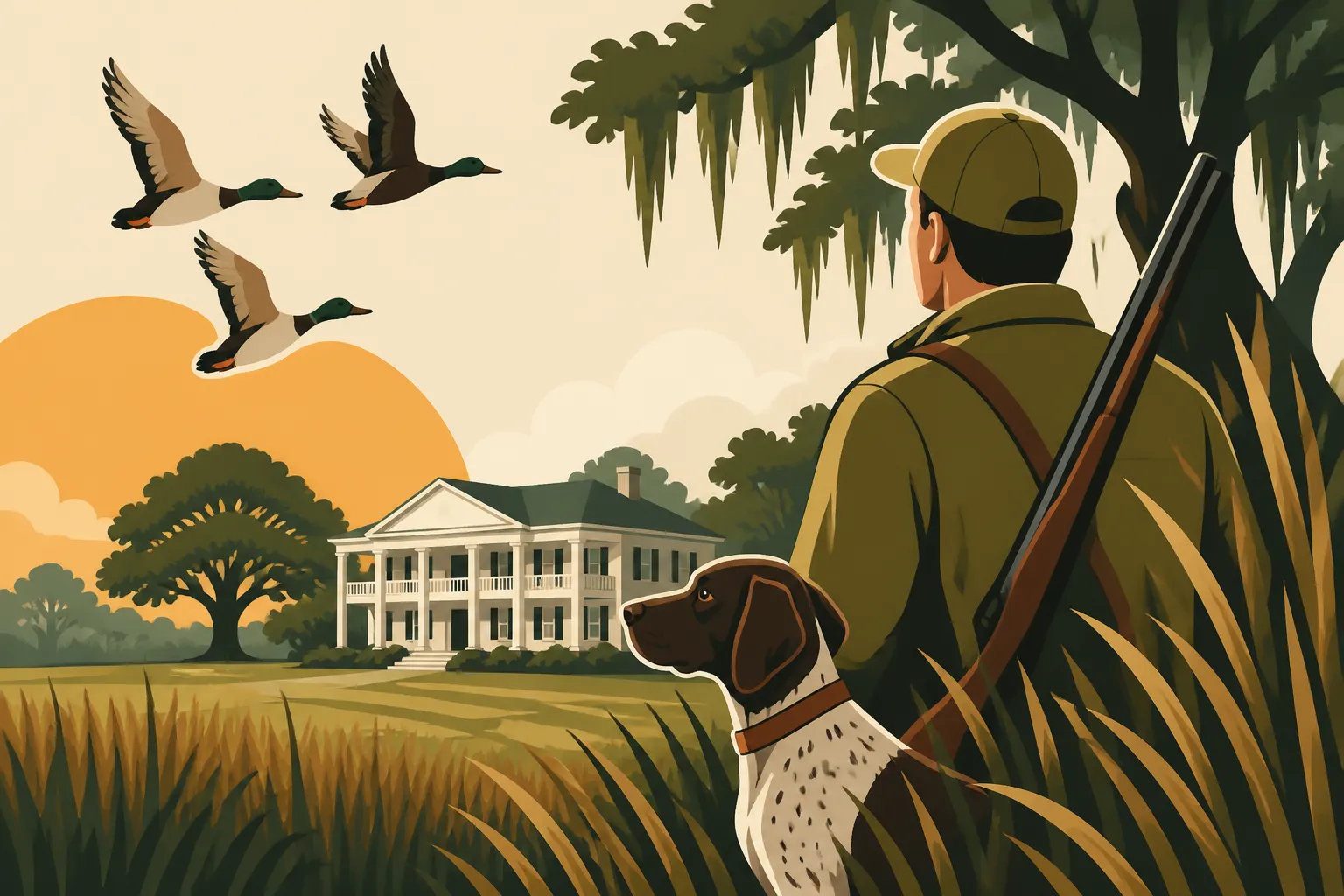
When you arrive, you can expect to be greeted by experienced guides who know the land and the game patterns intimately. For quail hunts, these guides are often accompanied by incredible bird dogs – pointers, setters, and flushers – that are a joy to watch work. Meals are typically provided, ranging from hearty breakfasts before dawn to delicious dinners celebrating the day's successes. Many plantations offer comfortable, sometimes opulent, lodging that serves as a perfect retreat after a long day afield. Field transportation, whether it's via custom buggies, ATVs, or even horseback, is usually part of the package, ensuring you spend less time getting around and more time hunting. While quail are often the star of the show, many plantations also offer exceptional opportunities for deer, wild turkey, doves, and even feral hogs. Understanding the full scope of what's included, and what kind of hunting is prioritized, helps manage expectations and allows you to truly relax and enjoy the focus on the hunt itself.
Navigating the Booking Process: Where to Start
Booking a South Georgia plantation hunt can feel a bit like planning a high-end vacation. It requires research, understanding different options, and knowing the right questions to ask. It’s definitely not a last-minute endeavor.
Researching Reputable Plantations and Guides
The first step is diving into the research. South Georgia is home to a good number of plantations, some famous, some more understated, but all vying for your attention. Start by looking for plantations known for the specific type of hunting you're interested in. While many specialize in quail, others have excellent deer or turkey programs. Online directories are a great starting point, as are hunting magazines and forums where people share their experiences. Word-of-mouth is incredibly powerful in the hunting community, so don't hesitate to ask fellow hunters for recommendations.
Once you have a list, dig deeper. Check out their websites, paying close attention to photos, videos, and especially testimonials. Look for properties with a long-standing reputation and consistent positive feedback. When you're trying to get a feel for the lay of the land, even for private properties, tools like onX Hunt can give you an aerial perspective of the habitat, field layouts, and timber types. This can help you visualize the kind of hunting experience you might have. For instance, if you're specifically looking for Thomasville Area Quail Plantation Access or Albany Area Quail Plantation Access, knowing which properties are in those regions and what their land looks like can be a significant advantage. Don't be shy about asking for references from past clients; a reputable outfit will be happy to provide them.
Understanding Packages and Pricing Structures
This is where things can get a little nuanced. Plantation hunts rarely have a one-size-fits-all price tag. You'll find a range of packages designed to cater to different preferences and budgets.
- Day Hunts: These are often the most straightforward, focusing purely on the hunting experience for a single day. They might include a guide, dogs, field transportation, and perhaps a packed lunch.
- Overnight/Weekend Hunts: These typically add lodging and more meals, allowing for a more relaxed pace and a fuller immersion into the plantation atmosphere.
- All-Inclusive Multi-Day Packages: These are the full enchilada, covering everything from multiple days of hunting to all meals, top-tier lodging, professional guides, dogs, field care of game, and sometimes even local transportation from an airport.
It's crucial to clarify what is explicitly included in the price. Common inclusions are guides, dogs, meals, lodging, and transportation around the property. However, make sure to ask about what's not included. This often covers hunting licenses, gratuities for guides and staff (which are an important part of the overall cost), ammunition, alcoholic beverages, and sometimes even field processing or trophy fees for larger game. Prices can vary significantly based on the season, the species hunted, the duration, and the level of luxury, so always contact the plantation directly for their current offerings and pricing.
Here's a quick look at how typical packages might break down:
| Package Type | Typical Duration | Common Inclusions | Ideal For |
|---|---|---|---|
| Day Hunt | 1 day | Guide, dogs, field transport, light refreshments | Local hunters, budget-conscious, trying out a plantation |
| Overnight/Weekend Hunt | 1-2 nights, 2 days | Day hunt inclusions + lodging, all meals | Short getaways, small groups, fuller experience |
| All-Inclusive Multi-Day | 3+ nights, 3+ days | All hunt inclusions + premium lodging, gourmet meals, full staff support | Dedicated hunters, corporate retreats, luxury experience, multiple species |
Key Questions to Ask Before Committing
Before you put down a deposit, have a comprehensive list of questions ready. These conversations are vital for ensuring there are no surprises and that the hunt aligns with your expectations.
- Availability and Group Size: What are your open dates? What's the minimum and maximum group size you can accommodate? Will we be hunting exclusively, or will other groups be on the property at the same time?
- Game Species and Limits: Which species are available during my desired dates? What are the daily and season bag limits for each species? For instance, it's important to know the specific limits if you're targeting quail versus deer. Ask about Georgia Wild Quail Season Opening Day or if they operate under Georgia Shooting Preserve Season Rules which can extend hunting opportunities.
- Guides and Dogs: What's the hunter-to-guide ratio? How many dogs will be in the field for quail hunts? Are the guides experienced and certified? What happens if a dog gets tired or injured?
- Lodging and Amenities: Can you describe the lodging? Are meals included, and what kind of cuisine can we expect? Are there any additional amenities like a pro shop, shooting range, or lounge area?
- Equipment: Do I need to bring my own firearm, or are rentals available? What ammunition do you recommend or provide? Do you have snake boots available if I don't own a pair? Knowing about Shotguns for Georgia Quail and Dove can help you decide what to bring.
- Game Care and Processing: What happens after the shot? Who handles field dressing? Is meat processing and packaging included or available for an extra fee? Do you have cold storage for harvested game?
- Cancellation Policy: What's your policy if I need to cancel or reschedule? Are deposits refundable?
- References: Can you provide references from recent clients?
- Transportation: Do you offer pick-up from local airports?
- Gratuities: What's the customary gratuity for guides and staff? This helps you budget accurately.
Asking these questions upfront ensures a smoother, more enjoyable experience for everyone involved.
Preparing for Your Plantation Adventure
Once your hunt is booked, the excitement builds! But don't forget the practicalities. A little preparation goes a long way in ensuring your trip is comfortable, compliant, and maximizes your enjoyment.
Licenses, Permits, and Regulations
This is absolutely critical. Before you set foot on Georgia soil with a firearm, you must have the correct licenses and permits. While the plantation staff can guide you, it's ultimately your responsibility to be legal. You'll need a valid Georgia hunting license, and depending on what you're hunting, you may also need big game stamps, migratory bird stamps, or a HIP (Harvest Information Program) certification. It's wise to review Georgia Hunting Licenses and What They Cost well in advance.
Some plantations operate as shooting preserves, particularly for quail. This can mean different season dates and bag limits than wild bird hunting, often extending opportunities beyond the general state seasons. Always confirm with your chosen plantation exactly what licenses and permits are necessary for the species you'll be pursuing on their specific property. If you're new to hunting or haven't hunted in Georgia before, remember to check Georgia Hunter Education Requirements as well. Most states have reciprocity, but it's always best to be certain.
Gear, Clothing, and Physical Readiness
South Georgia weather can be famously fickle, especially during shoulder seasons. Layering is your best friend. Even if the morning starts cool, temperatures can rise significantly by midday. Think breathable, moisture-wicking fabrics for your base layers. Lightweight but durable outerwear is also smart, as you'll likely be moving through briars and brush. Blaze orange requirements vary by season and species, so check with the plantation beforehand, but it's always a good idea to have some visible orange for safety. For detailed advice, check out Warm-Weather Clothing for Georgia Hunters.
Footwear is paramount, especially for quail or hog hunting where you'll be covering ground. Comfortable, broken-in snake boots are not just a recommendation; they're a necessity in South Georgia, protecting you from venomous snakes that call this habitat home. Seriously, do not skimp on this. If you need a deeper dive, read Snake Boots for Coastal Plain Walking. You'll want a reliable shotgun for birds or a rifle for deer, and plenty of ammunition. While many plantations offer rentals, it's often more comfortable to shoot a firearm you're familiar with. Don't forget bug repellent, sunscreen, a good hat, and quality gloves.
Finally, consider your physical readiness. While some hunts are less strenuous, a full day walking behind dogs on a quail hunt can be quite a workout. Make sure you're up to the task to fully enjoy the experience.
Etiquette and Expectations on a Guided Hunt
A guided hunt is a partnership between you and your guide. They are there to put you on game and ensure a safe, enjoyable experience.
- Gratuities: Guides, dog handlers, and lodge staff often rely on gratuities as a significant portion of their income. A general guideline is 15-20% of the hunt cost for your guide, and don't forget the lodge staff who keep you fed and comfortable. Always budget for this.
- Communication: Talk to your guide. Let them know your experience level, your preferences, and any physical limitations. If you need a break, speak up. If you have questions about the land, the game, or the dogs, ask! They love sharing their knowledge, especially if you show interest in Working Pointing Dogs on Wild Georgia Quail.
- Respect: Treat the property, the staff, and especially the dogs with respect. Follow instructions, handle firearms safely, and be mindful of your impact on the land. Remember, you're a guest on someone's carefully managed property.
- Be a Good Sport: Hunting is hunting, and sometimes things don't go according to plan. Weather can turn, game can be elusive, or you might just have an off day. Enjoy the camaraderie, the scenery, and the experience regardless of the final tally.
Making the Most of Your Experience
You've done the research, booked the hunt, and prepared all your gear. Now it's time to immerse yourself fully in the unique charm of a South Georgia plantation hunt.
Enjoying the Full Plantation Experience
A plantation hunt is so much more than pulling a trigger. It's about stepping back in time, enjoying unparalleled hospitality, and connecting with a rich hunting tradition. Don't just focus on filling your bag or freezer; take the time to soak it all in.
Savor the atmosphere of the lodge, whether it's a rustic cabin or a grand manor. Engage with your fellow hunters and the staff; you'll hear incredible stories and gain insights into the world of Southern hunting. The meals themselves are often a highlight, featuring traditional Southern fare and sometimes gourmet culinary creations. Watch the dogs work, truly appreciate their skill and training – it's a marvel to behold. Walk the beautiful grounds, observe the wildlife, and appreciate the intense habitat management that goes into making these properties so productive. Many hunters consider the overall experience, the friendship, the learning, and the relaxation to be just as valuable as the harvest. Thinking about future trips? Keep notes on what you enjoyed most. Resources like GoHunt can be fantastic for organizing these details and scouting out new opportunities or regions, even helping you keep track of potential future destinations, perhaps exploring other areas mentioned in Hunting South Georgia Plantation Country.
Post-Hunt Logistics
The hunt might be over, but there are a few important steps to wrap things up properly.
- Game Processing: Clarify with the plantation how harvested game is handled. Many will field dress and prepare birds or deer for transport. Some might offer full processing services for an additional fee, while others will direct you to a local processor. Make sure you have adequate coolers and ice, especially for warmer weather, to keep your game fresh for the journey home.
- Transporting Game Meat: Be aware of any regulations regarding transporting game meat, especially across state lines. If you're traveling a long distance, consider dry ice or even having the meat professionally packaged and shipped. For deer, be mindful of any specific CWD (Chronic Wasting Disease) regulations, though Georgia has its own guidelines, it's good practice to understand movement restrictions.
- Taxidermy: If you've harvested a trophy animal, discuss taxidermy options. Many plantations have relationships with local taxidermists who can handle the initial cape prep and shipping. Be prepared to make decisions about poses and mounting styles. Getting a contact name and number for a good taxidermist before you leave for your hunt can save a lot of headaches later.
A South Georgia plantation hunt is a special experience, one that blends serious hunting with Southern charm and tradition. By understanding the process and preparing thoughtfully, you're not just booking a hunt; you're investing in an unforgettable adventure.
Disclaimer
This article is for general informational purposes only and does not constitute professional advice. Laws, prices and regulations vary by location and change over time. Consult a qualified professional for guidance on your specific situation.