Georgia Wild Quail Season Opening Day
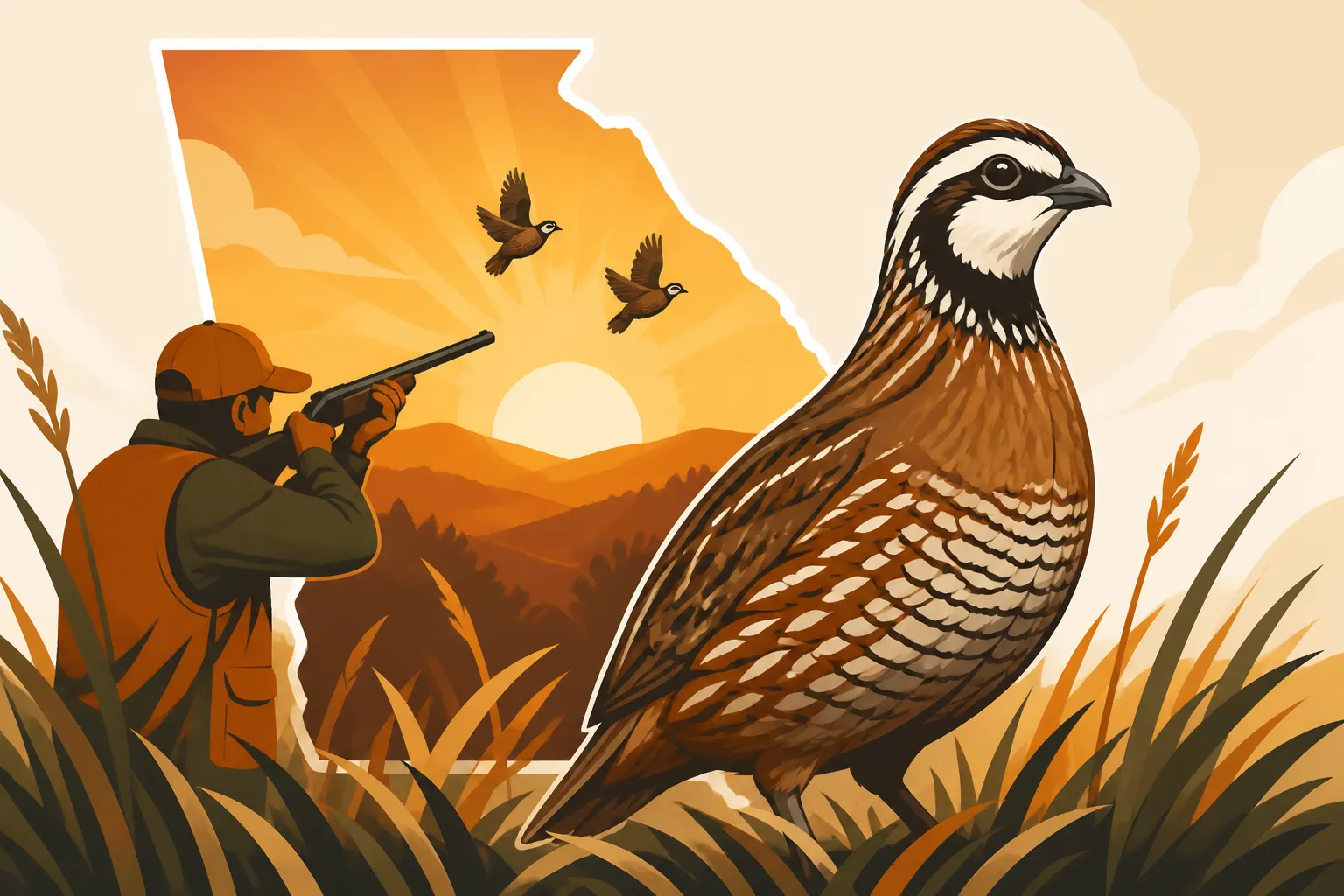
There’s nothing quite like the crisp autumn air hinting at the start of Georgia’s wild quail season. Many of us have fond memories, or even frustrations, chasing those elusive little rocket birds through the wiregrass and pine stands. If you’re like me, the opening day isn't just a date on the calendar; it's a feeling, a tradition, and sometimes, a test of patience. This guide is all about preparing you for that thrilling first day, ensuring you understand the ins and outs of the season, from regulations to effective hunting strategies for Georgia's wild quail.
Understanding the Georgia Wild Quail Season Opening Day
For many dedicated upland hunters, the opening day of Georgia’s wild quail season marks the true beginning of fall. While specific dates can shift slightly each year, you'll generally find the season kicking off in early November. It’s a time when the leaves are turning, the humidity has finally given way to a welcome chill, and the bobwhite quail are typically in larger coveys, still somewhat less pressured than they will be later in the season. The anticipation leading up to this day is palpable, filled with dog training, gear checks, and poring over maps of potential covey country.
The weather on opening day can be a mixed bag, as any seasoned Georgia hunter knows. One year you might be sweating in short sleeves, the next you're bundled up against a brisk north wind. This variability can impact bird behavior. On warmer days, quail might hold tighter in dense cover, making them harder for dogs to pinpoint and for hunters to flush. Colder mornings, however, often see birds moving more actively to feed, potentially providing better opportunities. Understanding these subtle cues from the environment is part of the art of wild quail hunting, and it’s something you learn best by being out there.
Historically, Georgia was a mecca for wild bobwhite quail, a bird deeply woven into the state's sporting heritage. While populations have seen significant declines over the decades due to habitat loss and other factors, dedicated conservation efforts, particularly on private lands and specific public areas, are working to turn the tide. So, when we talk about opening day, we're not just discussing a hunting opportunity; we're also acknowledging a legacy and supporting the ongoing work to restore these magnificent birds.
Why Opening Day Holds Special Significance
Opening day is more than just the first chance to pull the trigger; it's the culmination of months of anticipation and preparation. For many, it's the first time they truly get to see their bird dog's training put to the test in a real-world scenario. The excitement of watching a setter lock up on point, or a pointer methodically dissect a field, is unmatched. These early season encounters, before birds become more wary from sustained pressure, often offer the most classic upland hunting experiences. The coveys tend to be larger, making for impressive flushes, and the birds are often a bit more forgiving in their flight patterns.
It's also a time for camaraderie. Hunting wild quail, especially with dogs, is often a social affair. Friends and family gather, sharing stories from past seasons, planning the day's strategy, and celebrating successful finds. There's a shared understanding of the effort involved in finding wild birds, which makes every covey rise, every perfectly executed retrieve, a moment to savor together. It’s about creating new memories while honoring old traditions.
Beyond the immediate thrill of the hunt, opening day also sets the tone for the rest of the season. A good start can boost confidence, inform strategies for future hunts, and help you understand how the local bird populations are faring. It's a chance to scout new areas, observe habitat conditions, and assess the impact of weather or other environmental factors on the quail. Every opening day is a fresh chapter, a new set of lessons learned in the field.
Navigating Georgia's Wild Quail Regulations
Before you even think about stepping into the field, you need to ensure you’re fully compliant with Georgia's hunting regulations. The Georgia Department of Natural Resources (DNR), through its Wildlife Resources Division (WRD), sets the rules annually, and it’s critical to stay updated. You can find all the necessary details on their official website, but it's always a good idea to cross-reference with tools like GoHunt, which often compile and update regulations in an easy-to-digest format.
The most fundamental requirement is a valid hunting license. For residents, this typically means a basic hunting license, and if you plan to hunt migratory birds (which quail are not, but doves and ducks are), you’ll also need a Georgia Migratory Bird Certification and a federal duck stamp if hunting waterfowl. However, for wild quail, just your standard hunting license and a Big Game license if you're also pursuing deer or bear, is what you’ll need. Non-residents have specific licenses as well, so be sure to check those requirements. Many hunters opt for a comprehensive "Sportsman License" bundle, which covers almost all hunting and fishing activities, making things simpler. You can purchase these licenses easily online via the Georgia Wildlife Resources Division's "Go Outdoors Georgia" portal.
A key regulation to remember is the bag limit. For wild quail, Georgia typically allows a daily bag limit of 12 birds per hunter, with a possession limit of 36 birds. It's crucial to count carefully and ensure you don't exceed these limits. Enforcement officers are out there, especially on opening day, and they take these rules seriously to ensure sustainable hunting practices. Understanding your Georgia Wild Quail Season Dates is paramount, as hunting outside of these dates is strictly prohibited.
| Regulation Category | Specific Requirement | Details |
|---|---|---|
| Licenses | Valid Georgia Hunting License | Required for all hunters, resident and non-resident. Can be a basic license or bundled Sportsman License. |
| Bag Limit | Daily Bag Limit | 12 wild quail per hunter, per day. |
| Possession Limit | Total Birds in Possession | 36 wild quail (three times the daily bag limit). Applies to birds in your freezer or at camp. |
| Hunter Orange | Blaze Orange/Pink Requirements | Required for anyone hunting deer, bear, or feral hogs with a firearm. While not strictly mandated for small game like quail on its own, it is highly recommended, especially on public lands where other seasons might overlap, to ensure safety. Check Georgia Blaze Orange Requirements for specific rules. |
| Legal Weapons | Shotguns (and other small game weapons) | Typically, shotguns (20 gauge, 28 gauge, 12 gauge) are preferred. No restrictions on shot size for quail, but smaller shot (7.5, 8) is common. |
| Season Dates | Opening and Closing Dates | Generally opens in early to mid-November and runs through late February or early March. Always check the current year's Georgia DNR regulations for exact dates. |
License and Permit Essentials
Beyond the general hunting license, there aren't many additional permits specifically for wild quail, unlike the quota hunts or special permits sometimes needed for other species. However, always double-check if you're hunting on specific Wildlife Management Areas (WMAs). Some WMAs might have additional requirements, such as a WMA stamp, or special regulations regarding hunting days or methods. It's not uncommon for some WMAs to have specific areas or days set aside for small game, so a quick check of the WMA's regulations before you head out is always prudent.
It's also worth noting that Georgia doesn’t mandate hunter education for everyone. If you were born on or after January 1, 1961, you must successfully complete a hunter education course. However, there are exceptions, such as the apprentice hunter license, which allows individuals to hunt under the direct supervision of a licensed adult. This is a great way to introduce new hunters to the sport safely and responsibly. You can find detailed information on these requirements on the Georgia DNR website, and often, platforms like GoHunt provide summaries that are helpful for quick reference.
Finally, while not a permit, always make sure you have proof of your license and any necessary permits on your person while hunting. Digital copies on your phone are usually acceptable, but a physical printout can be a lifesaver if your phone battery dies or you lose signal in a remote area. It’s better to be overly prepared than to face potential fines or legal issues.
Public Land Rules and Considerations
Hunting wild quail on public land in Georgia can be incredibly rewarding, but it also comes with its own set of rules and considerations. Much of Georgia’s public land, including Wildlife Management Areas (WMAs) and portions of the Chattahoochee-Oconee National Forest, offer opportunities. However, these areas are often managed intensively, and hunting regulations can vary significantly from statewide rules. For example, some WMAs might have restricted hunting days, specific check-in/check-out procedures, or limitations on vehicle access. Always check the specific WMA brochure or the Georgia DNR website for the area you plan to hunt.
One major consideration on public land is hunting pressure. On opening day, popular WMAs can see a fair number of hunters, including those pursuing other game like deer or small game species like rabbits and squirrels. This means exercising extreme caution regarding firearm safety and wearing plenty of blaze orange, even if not strictly required for quail. While it might not be mandatory for small game on its own, wearing blaze orange is a common-sense measure to maximize safety, especially when other hunters might be around pursuing big game where orange is required. Understanding Hunting Pressure on Georgia Public Land can help you plan your day to avoid crowded areas.
Furthermore, on public lands, rules regarding dogs, ATVs, and even the placement of treestands or ground blinds can be very specific. Some areas might allow dogs, while others have restrictions. Always verify these details before you go. Using an app like GoHunt, which often includes public land boundaries and specific WMA rules, can be an invaluable tool for planning your hunt and staying compliant in the field. This can help you find Finding Ground Others Walk Past and enjoy a more solitary experience.
Essential Tactics for a Successful Opening Day Hunt
Opening day for wild quail in Georgia often means dealing with birds that are still somewhat naive, but also potentially in denser cover. Success largely hinges on a combination of good dog work, smart scouting, and understanding bird behavior. Whether you're hunting with a seasoned pointer or trying your luck by walking up coveys, having a game plan will dramatically increase your chances.
One of the most effective ways to hunt wild quail is with well-trained pointing dogs. These dogs, whether pointers, setters, or even versatile breeds like German Shorthaired Pointers, are bred to locate birds, go on point, and hold them until the hunter flushes. Their ability to cover ground and detect scent is far superior to a human's, allowing you to systematically work through potential quail habitat. On opening day, with potentially larger coveys, a strong point can lead to an exciting flush of multiple birds, providing fantastic shooting opportunities. For more on this, check out Working Pointing Dogs on Wild Georgia Quail.
If you're hunting without dogs, your approach will be different. "Walking up" birds requires you to systematically crisscross likely habitat, hoping to stumble upon a covey. This is often done in a line with several hunters, moving through cover slowly and methodically. Look for areas with a mix of cover, food, and water – thickets, broom sedge fields, and the edges of pine timber are prime spots. Pay close attention to subtle signs like dusting bowls, droppings, or even the distinctive "bob-white" call. However, without a dog, locating these cryptic birds can be incredibly challenging, and your success rate will likely be lower.
Shotgun and Ammunition Selection
For wild quail, a fast-handling, open-choked shotgun is generally preferred. The shots are almost always close-range and quick. Many experienced quail hunters opt for lighter gauges like a 20 gauge or even a 28 gauge, which are quick to shoulder and carry easily through thick cover. A 12 gauge works just fine too, but often feels like overkill for these small birds. The key is a shotgun you're comfortable with and can swing smoothly on fast-flying targets. You can find more comprehensive advice on Shotguns for Georgia Quail and Dove.
Choke selection is critical for quail. Given the close flushing distances and the desire for a wide shot pattern, an improved cylinder (IC) or skeet choke is usually ideal. Some hunters even prefer a cylinder choke, especially if they anticipate extremely close flushes in dense cover. The goal is to put as many pellets on target as possible without over-patterning and tearing up the birds at close range.
When it comes to ammunition, smaller shot sizes are the way to go. #7.5 or #8 lead shot are the most common choices for quail. These smaller pellets create a dense pattern, increasing the likelihood of a clean kill on a fast-moving bird, without excessive damage to the meat. Carrying a sufficient supply is always wise; coveys can be plentiful, and misses happen!
Reading the Habitat for Covey Locations
Knowing where to find wild quail is perhaps the biggest challenge and the greatest reward. Wild bobwhites are habitat specialists, and they thrive in diverse, open pine woodlands, often mixed with old fields, hedgerows, and natural edges. Look for areas with a mosaic of cover: dense "escape cover" like thick briar patches or young pine regeneration, interspersed with "brood cover" like native grasses and forbs, and open "feeding areas" with seeds. The transition zones between these different cover types are often hotspots.
On public lands, identifying these specific habitat types requires careful scouting, often using aerial maps or land management plans. Apps like GoHunt are invaluable here, allowing you to layer different map types (aerial, topographic) and mark potential covey locations based on habitat features. Look for clear-cuts that are 3-5 years old, areas with prescribed burns that encourage native vegetation, or the edges of agricultural fields. Learn more about how to scout effectively by reading about Hunting Managed Pine for Wild Quail and Working a South Georgia Quail Covey Rise.
For instance, in South Georgia's longleaf pine country, areas that have been actively managed with regular prescribed burns will often hold better bird numbers. The burns reduce dense understory, promoting the growth of legumes and other seed-producing plants that quail feed on, while also creating open ground for easier movement. Without this specific type of habitat management, wild quail often struggle to find the right combination of food, cover, and nesting sites needed to thrive.
Habitat and Conservation: Why Opening Day Matters
The very act of hunting wild quail on opening day, and throughout the season, is inextricably linked to their habitat and ongoing conservation efforts. Unlike many game species, wild bobwhite quail populations have faced significant challenges across their range, including Georgia. Understanding these challenges and the efforts being made to address them not only makes you a more informed hunter but also reinforces the crucial role hunters play in conservation.
The decline of wild quail in Georgia since the mid-20th century is a complex issue, primarily driven by large-scale changes in land use and habitat management. The conversion of diverse farmland to monoculture crops, the suppression of natural fire regimes, and the widespread planting of dense pine plantations for timber production have all contributed to the loss of the patchy, mixed cover that quail need to survive and reproduce. Many hunters feel this loss acutely, remembering times when coveys were far more common. Delve deeper into this topic with Georgia Wild Quail Decline Since the 1960s.
However, there's a significant silver lining: active habitat management can, and does, bring quail back. Prescribed fire, selective timber thinning, native grass restoration, and responsible agricultural practices are all vital tools. When you step into a well-managed longleaf pine forest or a rejuvenated old field on opening day, you're experiencing the direct result of these conservation efforts. Hunters, through license fees and excise taxes on firearms and ammunition (the Pittman-Robertson Act), provide substantial funding for these habitat restoration projects, making them essential partners in conservation.
The Role of Managed Pine Habitats
Managed pine habitats, particularly those dominated by longleaf pine, are critical for wild quail recovery in Georgia. These forests, often characterized by an open understory maintained by regular prescribed burns, provide an ideal environment. The burns clear out dense woody brush, allowing sunlight to reach the forest floor and encouraging the growth of native grasses, legumes, and wildflowers that provide both food (seeds, insects) and nesting cover for quail. This managed ecosystem also helps control ticks and other parasites, further benefiting bird health.
Beyond food and nesting, the open nature of these forests allows quail to move freely and escape predators. The scattered pines offer thermal cover and roosting sites, completing the cycle of habitat needs. Landowners and state agencies that implement these management practices are key to the future of wild quail hunting. Hunters often seek out properties or public lands where these practices are in place, understanding that quality habitat directly correlates with sustainable bird populations. You can learn more about these efforts by looking into Managed Pine and Georgia Quail Recovery.
When you're out there on opening day, pay attention to the habitat. Notice the mosaic of open pine stands, grassy strips, and dense escape cover. This isn't accidental; it's the result of deliberate effort. Every covey rise from such an area is a testament to successful habitat management, highlighting the delicate balance required to sustain these iconic game birds in the wild.
Supporting Quail Conservation Through Hunting
Participating in the wild quail season, especially on opening day, is more than just a recreational activity; it's an act of conservation. The funds generated from hunting license sales and the sale of hunting equipment directly support the Georgia Department of Natural Resources' wildlife management and research programs. These programs are vital for monitoring quail populations, conducting habitat restoration, and enforcing regulations that ensure sustainable harvests.
Moreover, ethical hunting practices play a direct role in conservation. Respecting bag limits, ensuring clean kills, and retrieving all downed birds minimizes waste and ensures that the resource is managed responsibly. By being responsible stewards of the land and the game, hunters contribute to the long-term health of the wild quail population. This includes staying informed about population trends, reporting observations to wildlife agencies, and advocating for policies that promote sound habitat management.
The future of wild quail in Georgia depends on continued dedication to conservation, and hunters are at the forefront of this effort. Each opening day, whether you bring home a limit or simply enjoy the thrill of the chase, you're contributing to a legacy that ensures these magnificent birds will continue to grace the fields and forests of Georgia for generations to come. It’s a powerful testament to how outdoor recreation and conservation go hand in hand, creating a truly unique and enriching experience for all who participate.
Disclaimer
Please remember that hunting regulations can change. It is your responsibility to consult the latest official Georgia Department of Natural Resources (DNR) regulations before engaging in any hunting activities. This article is intended for informational purposes only and should not be considered a substitute for official legal guidance. Always prioritize safety and ethical hunting practices.