Hunting South Georgia Plantation Country
South Georgia's plantation country—the very name conjures images of majestic longleaf pines, vast fields, and a hunting heritage steeped in tradition. It often feels like a world apart, reserved for a select few, leaving many of us wondering how on earth an "average" hunter might ever experience it. But beneath the polished veneer, there's a thriving ecosystem and a diverse set of hunting opportunities that, with the right knowledge, are more accessible than you might think. This guide is here to pull back the curtain, exploring the unique aspects of hunting in this iconic part of our state.
Understanding South Georgia's Hunting Landscape
When we talk about "plantation country" in South Georgia, we're not just referring to large tracts of land; we're talking about a distinct cultural and ecological region. This area, often centered around places like Thomasville and Albany, is renowned worldwide for its incredible quail hunting, but it offers so much more. It's a landscape shaped by generations of intentional management, a far cry from the dense, untamed woods you might find further north.
Historical Significance of Plantations
The roots of South Georgia's plantation country run deep, back to a time when these vast lands were agricultural hubs, primarily growing cotton and other crops. After the Civil War, many of these immense properties were acquired by wealthy individuals, often from the North, who were drawn to the region's climate and its abundant wildlife, particularly the bobwhite quail. These new owners transitioned the land use from agriculture to recreational hunting, initiating sophisticated wildlife management practices long before they became common. They invested heavily in habitat restoration, protecting and enhancing the very ecosystems that made these properties so special for hunting. This legacy of dedicated stewardship is why places like Ichauway and Tall Timbers are still synonymous with top-tier wildlife conservation and hunting today.
The Ecosystem: Longleaf Pine and Wiregrass
At the heart of the South Georgia plantation ecosystem is the longleaf pine and wiregrass savannah. This isn't just pretty scenery; it's a biologically rich and fire-dependent habitat that historically covered vast expanses of the southeastern United States. The tall, widely spaced longleaf pines allow sunlight to reach the forest floor, where a diverse understory of wiregrass, native forbs, and legumes flourishes. This open, park-like environment, maintained through frequent prescribed burning, is absolutely crucial for bobwhite quail, providing them with the perfect blend of nesting cover, bugging habitat, and escape routes from predators. Deer, turkeys, and even black bears in some areas thrive in this mosaic of open woodlands, food plots, and dense thickets. Understanding this unique ecology is key to appreciating why hunting here is so different and often so productive.
Key Game Species in Plantation Country
While quail often steal the spotlight, South Georgia plantation country boasts an impressive roster of game species. White-tailed deer are abundant, often managed for quality, offering opportunities for both antlered and antlerless harvests. Wild turkeys thrive in the patchwork of fields and woodlands, presenting a challenging pursuit for spring gobbler hunters. And let's not forget the ever-present feral hogs, which offer year-round hunting with no bag limits, often providing an exciting bonus for hunters targeting other game. Migratory birds like doves also find these managed agricultural fields incredibly attractive, offering fast-paced shooting during early season. Each species benefits from the intensive habitat management, leading to healthier populations and excellent hunting prospects.
Accessing Plantation Country Hunts
The notion that South Georgia's plantation country is entirely off-limits to the average hunter is a common misconception, though it does require a different approach than heading to a local WMA. While much of it is privately owned and meticulously managed, there are indeed pathways to experience this unique hunting environment. It's about understanding the various avenues available and what each entails.
Private Land Leases and Hunting Clubs
For many, the dream of consistently hunting prime South Georgia ground involves joining a private land lease or a hunting club. These arrangements pool resources from multiple hunters to lease large tracts of private land. Dues can vary wildly depending on the size of the property, its amenities, the quality of the game, and the exclusivity of the club. Members often get input on management decisions, access to cabins, and the ability to hunt throughout the season. However, securing a spot can be competitive, and the costs, while spread among members, can still be substantial. It's not uncommon for clubs to have waiting lists, reflecting the high demand for quality hunting land in this region. This is where your network comes into play – knowing someone in a club can often be the foot in the door you need.
Guided Hunts and Commercial Operations
Perhaps the most direct way to experience hunting in South Georgia's plantation country is by booking a guided hunt with a commercial outfitter. These operations typically manage thousands of acres, offering everything from single-day quail hunts with dogs and guides to multi-day packages for deer, turkey, and hogs. You're paying for the access, the expertise of the guides, well-trained dogs (for bird hunts), comfortable lodging, and often gourmet meals. While this can be a significant investment, it provides an unparalleled experience, often on properties meticulously managed for decades. For many, it's a once-in-a-lifetime trip, offering a glimpse into the traditional Southern hunting experience. You'll find that these outfitters pride themselves on hospitality and delivering a memorable hunt.
Public Access Near Plantation Regions
While direct public access to the heart of private plantation land is rare, there are often public hunting opportunities near these regions. Many state Wildlife Management Areas (WMAs) and even some National Forest lands are found within or adjacent to the broader South Georgia region. While these public lands might not have the same level of intensive management as a private plantation, they can still offer excellent hunting for deer, hogs, turkey, and small game. It requires more scouting and effort, of course, but it's a viable option for those on a budget. Using tools like onX Hunt can be incredibly helpful here, allowing you to identify public land boundaries, property lines, and potential access points, even when you're dealing with a mix of private and public parcels. While you might not be hunting directly on a grand estate, you can often find good opportunities in the same general ecosystems.
Popular Game Species and Tactics
Hunting in South Georgia plantation country is a masterclass in diverse strategies, tailored to the unique habits of each game species and the intensively managed landscape. It's a blend of tradition, modern wildlife science, and the sheer joy of being out in some of Georgia's most beautiful hunting grounds.
Quail Hunting: The Southern Tradition
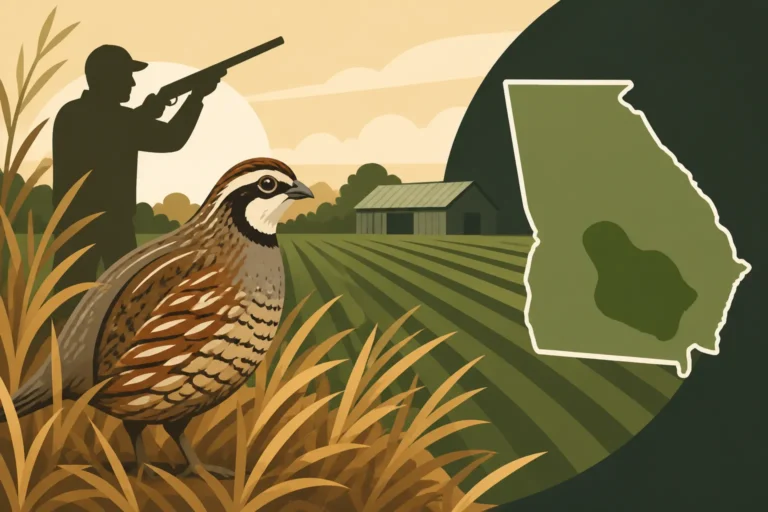
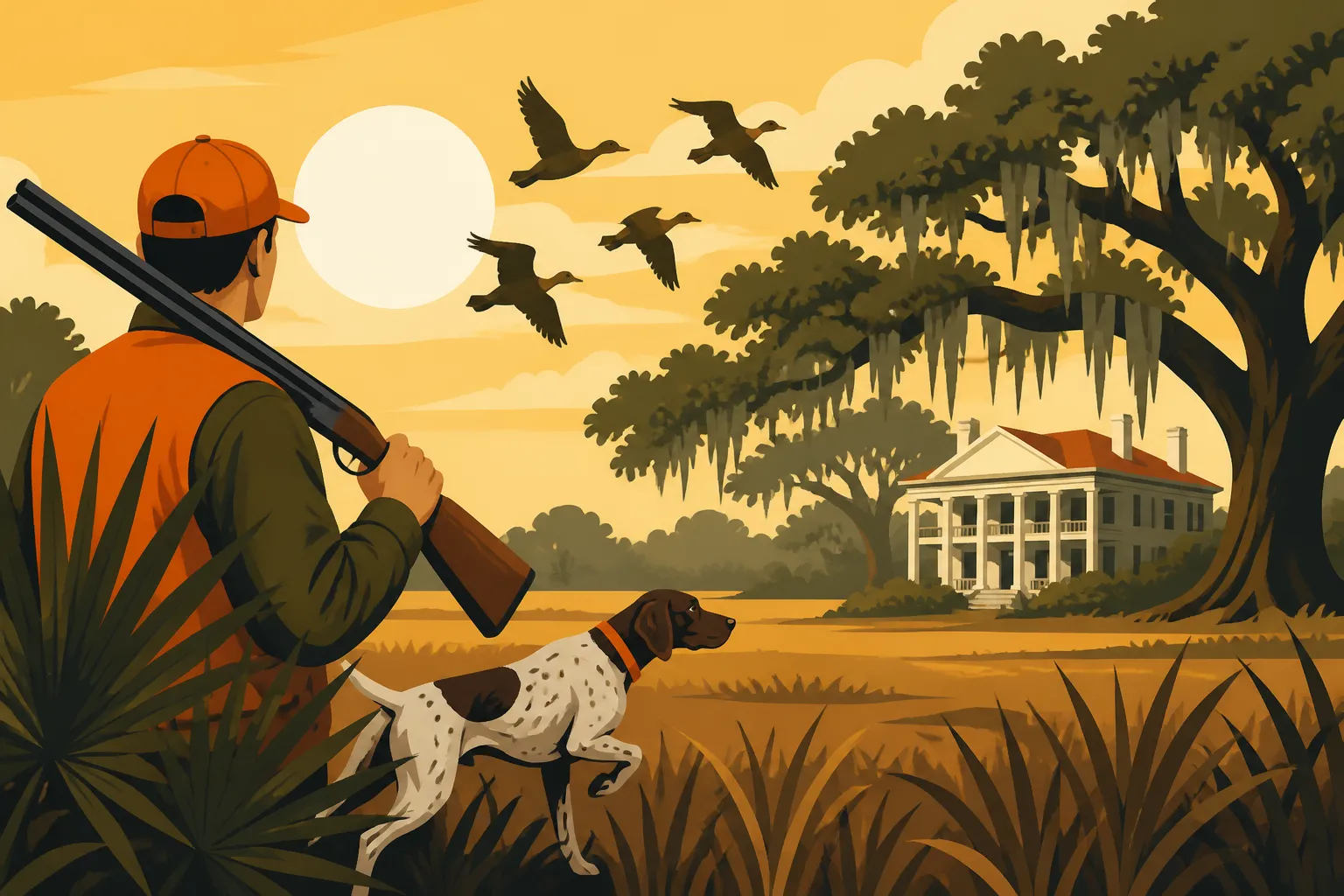
When people think of South Georgia plantation hunting, they almost universally think of bobwhite quail. This is the ultimate traditional Southern hunt, often conducted from a buggy or horseback, with a team of highly trained pointing dogs working the scent cone of a covey. The dogs are the stars of the show, freezing on point as hunters walk up for the flush. The shot is typically fast and instinctive, as the covey explodes into the air. Good guides understand the habitat and the birds, putting you in the best position. It's a social hunt, often enjoyed with friends and family, and the experience of watching the dogs work is as rewarding as the shooting itself. Quail Hunting Georgia Plantation Country is an experience unto itself, a true immersion in a historical hunting method.
Deer Hunting: Strategy in Managed Habitats
Deer hunting on managed plantations often deviates from what many hunters are used to in Georgia. While stands over food plots are common, management goals often prioritize quality over quantity, leading to specific antler restrictions or age-class targets. Hunters might find themselves in permanent blinds overlooking meticulously maintained fields, or in treestands on strategic pinch points within managed pine stands. The large contiguous tracts of land allow for low-pressure hunting, and deer often feel secure, moving during daylight hours. Hunting South Georgia Pine Flats requires a keen eye for subtle sign and understanding deer movement patterns in that unique open-woods environment. The focus is often on patient observation and making a clean shot on a mature animal.
Feral Hogs: Year-Round Opportunity
Feral hogs are a pervasive issue across Georgia, and South Georgia's agricultural and managed lands are no exception. For hunters, this translates into a year-round hunting opportunity with no closed season or bag limits. Hogs can be hunted opportunistically while pursuing other game, or specifically targeted. On plantations, it's common to find hogs frequenting food plots, edges of planted fields, and creek bottoms. Tactics can include sitting over bait at night (where legal) using thermal or night vision optics, or stalking them during daylight hours. Hunting Feral Hogs Over Bait at Night is a popular and effective method to control their numbers and put some delicious wild pork in the freezer.
Other Opportunities: Turkey, Dove, and Waterfowl
Beyond the big three, plantation country offers other exciting hunting experiences. Spring turkey hunting can be exceptional, with good populations thriving in the mixed pine-hardwood forests. Tactics often involve setting up near known roosts or strutting zones, using calls to lure a wary gobbler into range. For dove hunters, the vast agricultural fields, particularly those planted with sunflowers, millet, or corn, create prime feeding areas. Setting Up a Dove Field Before Opening Day is an art form on many plantations, designed to concentrate birds for exciting pass-shooting on opening day. While not as prevalent as coastal areas, some plantations with impoundments or access to swamps can also offer limited waterfowl hunting, typically targeting wood ducks or other puddle ducks.
Habitat Management and Its Impact on Hunting
The exceptional hunting opportunities found in South Georgia's plantation country are no accident; they are the direct result of intensive, science-backed habitat management. These aren't just pretty landscapes; they are carefully sculpted ecosystems designed to maximize wildlife populations and health. Understanding these practices helps hunters appreciate the effort and investment that goes into creating such productive hunting grounds.
Role of Prescribed Fire
Prescribed fire is arguably the single most important habitat management tool in South Georgia plantation country. Historically, this region was shaped by natural wildfires, and many native plants and animals evolved to depend on periodic burning. Today, land managers mimic this natural process, intentionally setting controlled fires during specific times of the year. These burns remove dense undergrowth, reduce competition for sunlight and nutrients, and stimulate the growth of desirable native plants like wiregrass and various legumes that provide crucial forage and cover for quail, deer, and turkeys. By creating a mosaic of burned and unburned areas, fire also generates diverse habitats that benefit a wide array of wildlife.
Food Plots and Supplemental Feeding
Beyond prescribed fire, food plots play a significant role in enhancing wildlife populations on plantations. These cultivated areas are planted with crops specifically chosen to provide supplemental nutrition and attract game. Cool-season plots might include oats, wheat, or clover, offering palatable forage during the leaner winter months. Warm-season plots often feature soybeans, corn, or perennial chufa (for turkeys), providing high-energy food sources through summer and fall. While food plots are powerful attractants, they are typically integrated into a broader management plan, not relied upon as the sole food source. Supplemental feeding, particularly for deer, is also practiced on some private lands, providing minerals and protein during critical growth periods, especially in areas with poorer soils or lower natural forage quality. This is a common practice you'll encounter when Hunting a Green Field Planted for Deer.
Timber Management for Wildlife
The management of timber on South Georgia plantations is also closely tied to wildlife objectives. While timber production might be a secondary goal, it's often done with an eye towards enhancing hunting. Longleaf pine stands are often managed with wide spacing to encourage the growth of the desirable herbaceous understory that quail and deer depend on. Thinning operations are conducted to promote healthier tree growth and allow more sunlight to reach the forest floor. Areas might be selectively harvested to create diverse age classes of timber, providing a mix of cover, browse, and nesting habitat. This integrated approach ensures that timber resources are utilized while simultaneously optimizing the habitat for a robust and healthy wildlife population.
Gear and Preparation for a Plantation Hunt
Heading into South Georgia's plantation country, whether for a guided hunt or a private lease, means thinking about your gear differently. The specific environment and hunting style often dictate specialized equipment. You'll want to be prepared for both the hunt itself and the often-warm, humid conditions that define our region.
Shotguns for Upland Birds
For quail hunting, a lightweight, fast-swinging shotgun is paramount. Most hunters opt for a 20-gauge or 28-gauge over-and-under or side-by-side, offering quick follow-up shots on exploding coveys. Smaller gauges are popular due to their reduced recoil and nimble feel, which is appreciated after a long day of walking. Open chokes like Skeet, Improved Cylinder, or Light Modified are preferred for the typically close-range shots. Shot sizes usually range from 7.5 to 9. It's not just about the gun, but how comfortably it carries and shoulders, as you'll be doing a lot of mounting and swinging. A classic, well-balanced shotgun truly enhances the traditional feel of a quail hunt.
Deer Rifles and Archery Gear
For deer, your choice of firearm will depend heavily on the specific terrain and regulations of the property. In more open areas with long food plots, a flat-shooting rifle like a .270, .308, or 6.5 Creedmoor might be ideal. However, in thicker piney woods or creek bottoms, where shots are closer, a .30-30 or a straight-wall cartridge handgun might be perfectly adequate. Scopes with good low-light gathering capabilities are beneficial for those crucial dawn and dusk hours. Archery hunting is also popular, with compound bows and crossbows being the go-to choices. Your setup should be tuned for accuracy at typical distances in Georgia's woods, which often means 20-40 yards. Regardless of your weapon, ensure it's sighted in and you're proficient with it; clean, ethical kills are paramount.
Essential Clothing and Footwear
Georgia weather, especially in the southern part of the state, can be notoriously unpredictable, even during hunting season. Layering is key, as mornings can be chilly and afternoons surprisingly warm. Breathable, moisture-wicking fabrics are your friend. For upland hunting, brush pants or chaps are essential to protect against briars and dense cover. Snake boots are a non-negotiable for many hunters traversing the fields and woods, offering crucial protection against venomous snakes. A good pair of comfortable, broken-in hunting boots is also vital, as you'll be covering a lot of ground. Don't forget bug repellent, especially for early season hunts, as mosquitoes and ticks can be relentless. And always, always pack rain gear – a sudden downpour can dampen spirits and gear if you're not prepared. Snake Boots for Georgia Swamp Ground might sound specific, but they're incredibly practical even in drier pine flats.
Navigating the Rules and Etiquette
Hunting in South Georgia, particularly on managed private lands, comes with a set of unspoken and explicit rules. Beyond state regulations, you're often operating within the framework of a landowner's wishes or a guide's instructions. Understanding and respecting these guidelines is crucial for a successful and welcome experience.
License and Permit Requirements
First and foremost, you absolutely must have the correct Georgia hunting licenses and any necessary permits. For residents, this typically involves a basic hunting license, and a big game license if you're pursuing deer or turkey. Non-residents have specific license options, often including annual or short-term licenses. If you're hunting migratory birds like doves, you'll also need a Georgia Migratory Bird Stamp and HIP (Harvest Information Program) certification. Always check the current regulations through the Georgia Department of Natural Resources (DNR) or the Go Outdoors Georgia platform before your hunt to ensure you're fully compliant. The last thing you want is a game warden ruining your trip for a simple oversight.
Respecting Landowner and Guide Rules
When hunting on private land, whether leased or guided, the landowner's or guide's rules often supersede general state regulations, provided they are more restrictive. For example, a landowner might have a stricter antler restriction for deer than the state's two-buck limit, or specific shooting hours. Guides will instruct you on safety protocols, how to handle dogs, or when and where to shoot. It's paramount to listen attentively and adhere to these instructions. This land is their livelihood and passion; showing disrespect for their rules is a surefire way to not be invited back. Remember, you are a guest, and your behavior reflects on all hunters.
Understanding Georgia's Posted Land Rules
Georgia has clear laws regarding hunting on private property. Landowners have the right to post their land, and hunting without permission is considered trespassing. On many plantations, you'll see "No Trespassing" signs clearly marked, or property lines might be indicated by paint on trees or well-maintained fences. Even if land isn't explicitly posted, it's always the hunter's responsibility to know who owns the land and to obtain express permission before stepping foot on it. Never assume. If you're unsure about property boundaries, tools like onX Hunt can be invaluable for identifying property owners and ensuring you stay on the correct side of the line. What Georgia Trespass Law Requires is something every hunter should be familiar with, especially when operating near large private holdings.
Finding Reputable Outfitters and Guides
Deciding to invest in a guided hunt in South Georgia's plantation country is a big step, and you want to ensure you're putting your money and time into a reputable operation. There are many fantastic outfitters, but like any industry, some are better than others. Doing your homework upfront can save you a lot of disappointment.
Researching Plantation Operations
Start your research well in advance. Begin by searching online for "South Georgia quail hunting plantations," "deer hunting guides Georgia," or similar terms. You'll find many operations with professional websites showcasing their facilities, game, and services. Look beyond the glossy photos; delve into their history, management philosophy, and what past clients say. Check for reviews on independent hunting forums, social media, and dedicated hunting resource sites. Look for consistency in feedback regarding the quality of the guides, the health of the game, the condition of their equipment (dogs, vehicles), and the overall experience. A well-established plantation will often have a long-standing reputation.
What to Ask Before Booking
Once you've narrowed down a few options, don't hesitate to call them directly and ask plenty of questions. This is your chance to get a feel for their operation and ensure it aligns with your expectations. Here’s a table of important questions to consider:
| Category | Key Questions to Ask |
|---|---|
| Hunting Details | What game species are hunted? What are the typical success rates? Are there bag limits or antler restrictions? What hunting methods are used (e.g., still-hunting, drives, over dogs)? |
| Guides & Staff | How experienced are the guides? What is the guide-to-hunter ratio? |
| Accommodation | What lodging is provided? Are meals included? What are the amenities? |
| Pricing | What is included in the package price (e.g., license, tags, tips, processing)? Are there any hidden fees? |
| Season & Dates | What are the available dates? How far in advance do I need to book? |
| References | Can you provide references from past clients? |
| Policies | What is your cancellation policy? What are your safety protocols? Do you have insurance? |
Booking a Guided Plantation Quail Hunt
If quail is your primary target, specifically ask about their dog program. A good quail operation prides itself on its dog kennels and the training of its pointers and flushers. Inquire about the type of experience they offer – is it a fast-paced hunt covering a lot of ground, or a more traditional, leisurely pace? Clarify if dogs are included, and if so, how many are used per group. Discuss the terrain; some plantations are flatter and easier to walk, while others might have more rolling hills or thicker cover. Don't be afraid to ask for a detailed itinerary of what a typical day looks like. Getting these specifics squared away beforehand ensures that your Booking a Guided Plantation Quail Hunt results in the authentic, enjoyable experience you're hoping for.
Disclaimer
This article is for general informational purposes only and does not constitute professional advice. Laws, prices and regulations vary by location and change over time. Consult a qualified professional for guidance on your specific situation.