Georgia Bowhunting-Only Suburban Zones
For many Georgia hunters, the dream of a successful deer season often conjures images of vast national forests, sprawling WMA tracts, or secluded private land deep in the rural reaches of the state. However, the reality for a growing number of us is that prime hunting ground is harder to come by, and finding a place close to home, especially near Georgia’s more populated centers, feels like an impossible task. This guide is dedicated to shedding light on a unique and increasingly vital opportunity: Georgia’s bowhunting-only suburban zones, offering a practical solution for deer management and providing accessible hunting for those willing to adapt to a different kind of challenge.
Understanding Georgia's Suburban Bowhunting Zones
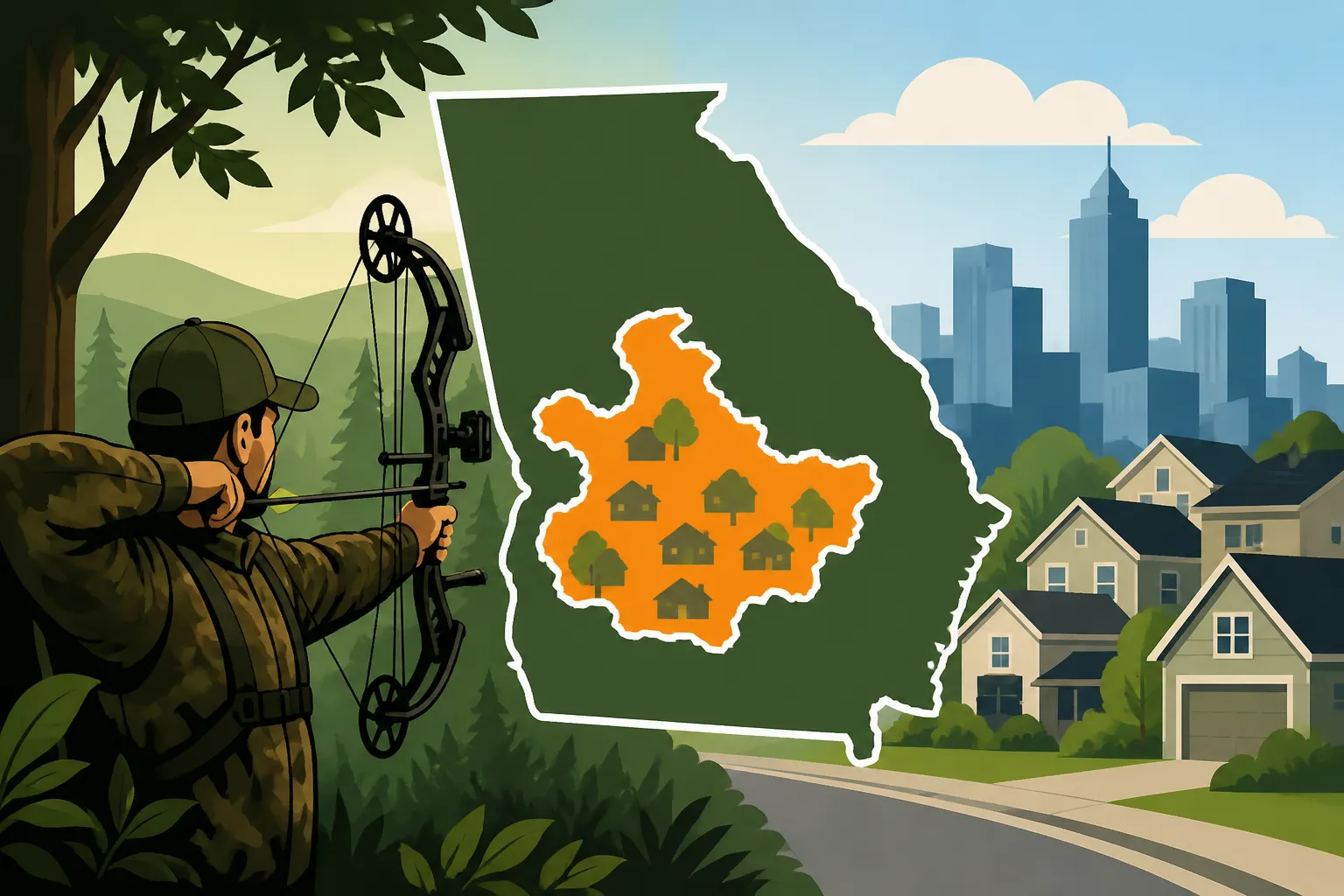
The idea of hunting in the suburbs might sound contradictory, even a little strange, to some folks who are used to wide-open spaces. But as Georgia's deer population continues to thrive, especially in areas where development has encroached on traditional habitat, these designated bowhunting-only zones have become an essential tool for wildlife management. They represent a smart, localized approach to balancing the needs of wildlife with the realities of human expansion, offering hunters a chance to participate in conservation efforts right in their own backyard.
What Defines a "Bowhunting-Only" Zone?
When we talk about a "bowhunting-only" zone in a suburban context, we're referring to specific areas where firearms discharge is typically restricted due to population density, but archery equipment is permitted for deer hunting. These zones aren't usually vast, unbroken tracts of public land. Instead, they often consist of fragmented green spaces, larger private lots, creek bottoms, and wooded corridors that run through or alongside residential areas. The key differentiator is the weapon restriction: only vertical bows and crossbows are allowed, completely prohibiting firearms. This is primarily a safety measure, as bows and arrows have a much shorter effective range and less potential for ricochet compared to bullets, making them a safer option in areas with nearby homes and infrastructure. The regulations around these zones are often a mix of state law and specific county or city ordinances, which means what's permitted in one metro-adjacent county might be different just across the line.
The safety implications are paramount. Bows, when used responsibly, minimize the risk to surrounding properties and people. This allows wildlife agencies and local governments to address deer overpopulation problems—which can lead to increased deer-vehicle collisions, landscape damage, and the spread of diseases—without introducing the greater perceived risk of firearm use in residential areas. For a hunter, this means a much higher standard of shot selection and an absolute understanding of your target and what's beyond it. You're not just aiming for the deer; you're ensuring your arrow has a safe flight path and a clear backstop.
Why These Zones Exist: Balancing Wildlife and Community
The primary driver behind the creation and expansion of these suburban bowhunting zones is the ever-growing challenge of deer overpopulation in developed areas. As towns and cities expand, they often create ideal deer habitat in the form of lush landscaping, golf courses, and protected green belts, while simultaneously removing their natural predators and restricting traditional hunting access. The result is a deer herd that can quickly outgrow its welcome, leading to significant conflicts.
Imagine your neighbor constantly complaining about their prize-winning hostas being devoured, or worse, their child’s school bus having a close call with a deer every other week. These aren't isolated incidents. Deer-vehicle collisions are a major concern, and the economic impact of landscape damage can be substantial for homeowners and municipalities alike. Suburban bowhunting offers a practical, targeted solution. It provides a means to manage these localized deer populations, thinning the herd where it's most needed, while minimizing disturbance to residents. It's a pragmatic approach to living alongside wildlife, allowing hunters to contribute positively to their local ecosystems while pursuing their passion.
Locating and Accessing Georgia's Suburban Zones
Alright, so you’re sold on the idea. Now comes the trickier part: actually finding these elusive suburban bowhunting spots. Unlike a vast national forest, there isn't typically one single, easy-to-find map that outlines all "bowhunting-only suburban zones" across Georgia. It requires a bit more legwork and a hyper-local approach.
Identifying Eligible Areas
Your first step needs to be a deep dive into local regulations. Start by checking the ordinances of counties and cities that are on the fringes of or within larger metropolitan areas like Atlanta, Macon, Columbus, or Savannah. Many times, these zones aren't explicitly called "bowhunting-only suburban zones" in the official state regulations, but rather arise from local laws restricting firearm discharge within city limits or certain population densities, implicitly allowing archery as the only legal hunting method. Look for information on local government websites, especially under parks and recreation, public safety, or zoning departments. They might have specific guidelines for deer management programs.
Often, these areas will be concentrated where residential developments meet larger tracts of wooded land, stream corridors, or utility easements. Think about where deer would naturally move through a developed area – along creeks, through undeveloped parcels, or between larger parks. These "travel corridors" are often the targets for suburban bowhunting opportunities. It's a painstaking process, but local knowledge, combined with careful research of county and municipal codes, will be your best friend.
The Crucial Role of Private Land Permission
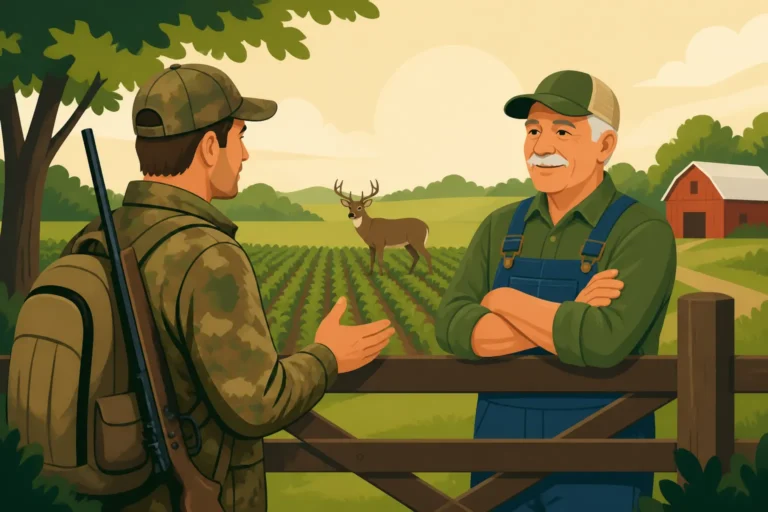
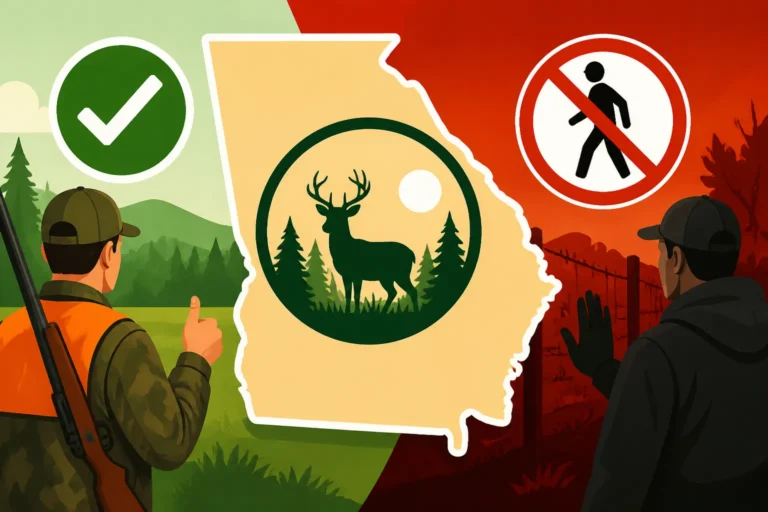
Here's the absolute truth about suburban bowhunting: almost all of it happens on private land. Unlike a large Georgia WMA where you can just walk in with a valid license, these suburban zones are typically composed of private properties where permission is not just recommended, but legally mandatory. This means your success hinges entirely on your ability to secure access from landowners. For many, this is the biggest hurdle, and it takes patience, politeness, and persistence.
Landowners in areas with high deer densities are often frustrated by deer damage. This is your opportunity to offer a solution. You're not just asking to hunt; you're offering a service – a way to manage the local deer population safely and effectively. Think about properties with significant acreage, especially those bordering large green spaces, golf courses, or undeveloped land. Often, homeowners' associations might be a good starting point if you're looking at larger, managed communities that are experiencing deer issues. Approaching a landowner with a professional demeanor, a clear plan, and a commitment to safety and respect is paramount. The ability to articulate how you can help them mitigate deer damage while keeping their property safe is far more effective than simply asking to hunt. For more tips on this, check out Knocking on Doors in South Georgia Farm Country, keeping in mind the suburban context might require a slightly different pitch.
Tools for Scouting and Mapping
Once you've identified potential areas or even specific properties, technology becomes an invaluable asset. Forget just driving around; you need to leverage modern mapping tools to truly understand the landscape, property lines, and potential deer movement in these fragmented habitats.
Applications like onX Hunt are an absolute game-changer for suburban bowhunting. They allow you to overlay property ownership information, parcel boundaries, and aerial imagery directly on your phone or computer. This means you can identify potential landowners to contact, understand exactly where property lines lie (which is critical in a suburban setting), and scout satellite imagery for hidden pockets of cover, creek beds, or natural funnels that deer might use. You can mark potential stand locations, note bedding areas, and plan discreet entry and exit routes—all from your couch before ever stepping foot on the property. Another great resource for general hunt planning and information is GoHunt, which can help you understand broader game trends, though its hyper-local property line data might be less detailed than onX Hunt for specific suburban parcels. Learning how to effectively use these tools, including Reading Aerial Photos for Piedmont Deer, will give you a significant advantage in uncovering viable hunting spots that others might overlook due to the perceived difficulty of access. Scouting With the Georgia Outdoors App can also provide valuable information on state-managed lands that might border these suburban areas, giving you clues about deer movement patterns.
Rules and Regulations Specific to Suburban Bowhunting
Hunting within suburban bowhunting-only zones comes with a very specific set of rules and an even greater emphasis on safety and ethical conduct. You're not in the middle of a vast wilderness; you're often just a stone's throw from someone's backyard. Understanding and strictly adhering to these regulations isn't just about avoiding a citation; it's about maintaining the privilege of hunting in these unique areas and ensuring public trust.
Weapon and Ammunition Restrictions
The most defining characteristic of these zones is, of course, the weapon restriction. Only archery equipment is permitted. This typically includes traditional recurve and longbows, compound bows, and crossbows. What's absolutely forbidden are firearms – rifles, shotguns, and handguns are simply not allowed due to safety concerns and local ordinances regarding noise and projectile travel. When it comes to archery equipment, it's crucial to ensure your gear meets Georgia's minimum legal draw weight and arrow length requirements for big game.
Broadhead selection is also critical. Mechanical broadheads are popular for their cutting diameter and accuracy, but it's essential to ensure they deploy correctly and provide a clean, ethical kill. Fixed-blade broadheads are another solid choice. The goal is always a quick, humane harvest, especially in an area where tracking a wounded animal through dense brush and potentially across property lines can become extremely problematic. Understanding the nuances between Crossbow Versus Vertical Bow in Georgia is important here, as both are generally permitted, but each has its own considerations for shooting style and range. Regardless of your choice, spend ample time practicing at various distances to ensure pinpoint accuracy, which is non-negotiable in a suburban setting.
Safety Requirements and Ethical Considerations
Safety in a suburban bowhunting zone takes on an entirely new level of importance. Unlike hunting in remote timber, every shot must be meticulously planned to ensure that your arrow will come to rest in a safe, known backstop – whether that's the ground directly behind the deer, a thick tree, or a natural embankment. You absolutely cannot take a shot if there's any chance your arrow could travel beyond your target and into a residential area, across a road, or onto another property without permission.
This means being intimately familiar with all property lines, which is where those mapping apps become vital. Setback distances from homes, roads, and other structures are often legally mandated, and even if not, common sense and courtesy dictate significant caution. Ethical considerations extend beyond safety to minimizing disturbance. Keep a low profile, avoid making excessive noise, and ensure your presence is as unobtrusive as possible. This includes wearing appropriate camo, being quiet on entry and exit, and keeping harvested deer out of public view as much as possible. Remember, you're not just representing yourself, but all hunters, and any negative incident could jeopardize future access for everyone.
Deer Management and Bag Limits in These Areas
Suburban bowhunting zones are often implemented specifically to address localized deer overpopulation, which means that the bag limits within these areas might differ from the statewide regulations. It's common for antlerless deer tags to be more liberal, or for special permits to be issued, to encourage the harvest of does and effectively reduce herd numbers. The goal isn't just to put venison in the freezer, but to actively manage and reduce deer impacts on the local ecosystem and human populations.
Always check the specific regulations for the county or municipality you are hunting in, as they might have unique reporting requirements or tag allocations. However, the general framework of Georgia's Twelve-Deer Bag Limit will still apply, with modifications typically allowing for more antlerless deer. Remember that these specialized hunts are often a direct response to damage complaints, so focusing on doe harvest is usually encouraged. This is a critical aspect of your role as a hunter in these areas: you are an active participant in local wildlife management, not just a recreational hunter.
Strategies for Successful Suburban Bowhunting
Hunting deer in a suburban environment presents a unique set of challenges and demands a different strategic mindset than hunting vast wilderness areas. Deer here behave differently, and hunters must adapt to smaller, more fragmented habitats, increased human activity, and the need for extreme stealth.
Scouting Techniques for Fragmented Habitat
Forget the idea of walking miles and miles of untouched wilderness. In suburban zones, your scouting will focus on smaller, often overlooked pockets of cover and travel corridors. Deer living in these areas are masters of navigating development, using every sliver of natural cover, drainages, and even fences to move undetected. Look for the "green arteries" – creek bottoms, drainage ditches, powerline easements, and unkempt property boundaries that connect larger patches of woods or parks. These act as highways for deer movement.
Focus on finding natural pinch points where deer are funneled through tight spots. These could be small bridges over creeks, narrow strips of woods between houses, or the edges of golf courses. Bedding areas might be surprisingly close to homes, in thick briar patches or overgrown areas that humans tend to avoid. Utilize your mapping apps (like onX Hunt) to identify these features and then physically scout for fresh sign: tracks in soft earth, rub lines on saplings (especially important during the rut, which peaks around Hunting the Rut in Mid-October), and droppings. Since the habitat is fragmented, deer often become very patterned, moving between specific feeding and bedding areas on a predictable schedule. Look for patterns in food sources like acorns, persimmons, or even residential landscaping that deer might be targeting. For more on finding overlooked areas, refer to Finding Ground That Sees Fewer Hunters.
Stand Placement and Concealment
When you're hunting within earshot of neighbors, your stand placement and concealment become paramount. This isn't just about hiding from deer; it's about being discreet and respectful of the surrounding environment. Portable treestands or saddle hunting setups are often ideal for these situations because they allow for quick, quiet, and low-impact deployment and removal. You can adapt techniques from Hanging a Stand on a Mountain Saddle and Treestand Setups in North Georgia Mountains, focusing on using dense canopy and natural screening to break up your silhouette.
Choose trees that offer good cover from multiple angles, not just from where you expect deer to approach, but also from any adjacent properties or roads. Think about the sightlines your neighbors might have. Ground blinds can also be effective, particularly if you can brush them in naturally against a thick fencerow or a cluster of evergreens, but ensure they are well-anchored and blend seamlessly into the environment to avoid drawing attention. Minimizing your footprint means no cutting excessive shooting lanes or leaving a mess. The goal is to appear as if you were never there.
Dealing with Increased Human and Pet Presence
This is arguably the most significant difference when hunting suburban zones. You will encounter people. Dog walkers, joggers, kids playing in backyards – they are all part of the landscape. Your strategy must account for this. First and foremost, never hunt if you think your presence will cause alarm or be disrespectful. Be hyper-aware of your surroundings. If a dog walker approaches, freeze. If someone is lingering near your hunting area, consider climbing down and exiting.
Hunting times often need to be adjusted. Early mornings and late evenings, when human activity is lowest, are usually the most productive and safest. Deer in these areas are often most active during these low-light periods precisely to avoid human contact. Silence is golden; rattling and grunting can work, but consider a lower volume than you might use in the deep woods to avoid attracting unwanted attention. Understanding wind direction is crucial, not just for deer scent, but to minimize any human scent from drifting towards nearby homes. Maintaining a friendly, approachable demeanor, should you be approached by a curious resident, goes a long way in ensuring the longevity of these hunting opportunities.
Challenges and Rewards of Suburban Bowhunting
Suburban bowhunting is not for every hunter. It demands a particular mindset, an unwavering commitment to ethics and safety, and a good deal of patience. But for those who embrace its unique demands, the rewards can be incredibly satisfying, offering a different kind of connection to the outdoors right in developed areas.
Unique Challenges: Neighbors, Noise, and Retrieval
The challenges in these zones are significant and distinctly different from traditional hunts. Neighbors, even those who grant permission, can sometimes be nervous. You might hear dogs barking, traffic noise, or even lawnmowers, which can be distracting and require a higher level of focus. Noise discipline is critical, not just for the hunt, but for being a good neighbor.
Retrieval of a downed animal is another major consideration. A deer might not drop in a convenient spot; it could run onto a neighbor's property (even with permission, retrieving it quickly and discreetly is vital), into dense, thorny cover, or near a busy road. You need a solid plan for Blood Trailing After Dark in Georgia if necessary, but ideally, you want a shot that results in a short track. Having a deer cart or game carrier can be invaluable for quiet and respectful removal, minimizing visibility. Preparing for Field Dressing a Deer in Warm Weather is also key, as early season hunts often coincide with mild temperatures, and prompt processing is essential for meat quality, especially when you might be doing it close to home.
The Payoff: Opportunity and Conservation
Despite the hurdles, the rewards are substantial. Firstly, these zones offer incredibly accessible hunting opportunities for many Georgians who might otherwise struggle to find land. This means less travel time, more time in the woods, and a chance to hunt close to home. For busy individuals, this accessibility can be a game-changer.
Beyond personal opportunity, you are directly contributing to local conservation and community well-being. By helping to manage deer populations, you're reducing deer-vehicle collisions, protecting valuable landscaping, and maintaining ecological balance in areas where traditional hunting isn't feasible. There's a deep satisfaction in knowing your efforts are making a tangible difference. Plus, the venison you harvest is as lean and organic as it gets, a truly sustainable food source that many suburbanites rarely consider.
Becoming a Better, More Discreet Hunter
Hunting in suburban bowhunting-only zones will undoubtedly make you a more skilled and disciplined hunter. The need for absolute stealth, precise shot placement, meticulous scouting, and unwavering ethical conduct forces you to hone your abilities. You learn to read subtle deer sign, understand their movement patterns in highly fragmented areas, and adapt your approach to constantly changing conditions.
You become an expert in low-impact hunting, mastering entry and exit routes that leave no trace. Your shot selection becomes impeccable, understanding the absolute limit of your ethical range and the importance of a perfect backstop. This isn't about bagging the biggest buck; it's about the challenge, the experience, and the quiet satisfaction of a well-executed hunt under demanding conditions. It refines your skills and deepens your appreciation for the art of bowhunting.
Legal and Ethical Considerations for Permission
Gaining access to private land in Georgia's suburban bowhunting zones is the bedrock of your hunting opportunity. This isn't just a casual request; it's a negotiation, a relationship-building exercise, and a demonstration of your responsibility as a hunter. Approaching this process correctly is crucial for your success and for maintaining the good standing of bowhunters in the community.
Approaching Landowners Effectively
When you approach a landowner, remember you're making a first impression that will color their view of all hunters. Dress neatly, be polite, and introduce yourself clearly. Explain why you are there – not just to hunt, but to offer a solution to potential deer problems they might be experiencing. Have specific details ready: your experience as a bowhunter, your commitment to safety, and your understanding of local regulations. Mentioning that you use specific tools like onX Hunt to ensure you know property lines can build trust and show your professionalism.
It's often helpful to have a small, printed card with your name, contact information, and a brief explanation of your hunting philosophy. Be prepared for a "no," and accept it graciously. Sometimes, multiple attempts or approaching different neighbors over time can yield results. Persistence, tempered with respect for their decision, is key. Frame your request as a partnership, where you're helping them manage their property's deer population, which might be impacting their garden or increasing local traffic hazards.
Written Agreements and Liability
Once you secure permission, it is highly advisable to get it in writing. While Georgia law can sometimes be interpreted to allow verbal permission, especially when retrieving game from private land, a written agreement provides clarity and protection for both parties. This document doesn't need to be complex; it can be a simple letter stating that [Landowner Name] grants [Hunter Name] permission to bowhunt deer on their property located at [Address/Description] for the [Hunting Season Year], under the express understanding that only archery equipment will be used and all state and local laws will be followed.
This written agreement should also touch upon liability. Many landowners worry about legal repercussions if a hunter gets injured on their property. A simple statement acknowledging that the hunter understands and accepts the risks associated with hunting, and agrees to hold the landowner harmless, can go a long way. While this isn't a substitute for legal advice or personal liability insurance (which every serious hunter should consider), it demonstrates your awareness and responsibility. This practice aligns with the spirit of Do You Need Written Permission in Georgia? by formalizing the agreement.
Maintaining the Relationship
Securing permission is just the first step; maintaining a positive relationship with the landowner is paramount for long-term access. Always be respectful of their property. Leave no trash, close all gates, avoid disturbing their family or pets, and stick to agreed-upon access points and times. If you say you'll hunt mornings, don't show up in the afternoon unless you've cleared it with them.
A thoughtful gesture after a successful hunt can solidify the relationship. Offering some fresh venison from a deer harvested on their property is a fantastic way to show appreciation and share the bounty. A simple thank you card or a small gift at the end of the season can also make a lasting impression. Remember, you are a guest on their land, and your actions reflect on all hunters. By being a respectful, responsible, and appreciative hunter, you're not only ensuring your own future opportunities but also paving the way for other bowhunters in the community.
Comparison of Suburban Bowhunting Opportunities
To help clarify the unique aspects of suburban bowhunting, here's a quick comparison of its characteristics versus more traditional hunting areas in Georgia.
| Feature | Suburban Bowhunting-Only Zone | Traditional Public Land (e.g., WMA, National Forest) | Traditional Private Land (Rural) |
|---|---|---|---|
| Primary Weapon | Bows/Crossbows ONLY | Firearms & Archery (season dependent) | Firearms & Archery (landowner discretion) |
| Access | Primarily private land, requires permission | Public access, state/federal regulations apply | Private land, requires permission |
| Deer Density | Often high, due to lack of predators & hunting pressure | Variable, can be high or low depending on management & pressure | Variable, landowner management & habitat quality play a big role |
| Human Presence | High (neighbors, walkers, pets) | Low to moderate (other hunters, hikers, campers) | Low (landowner, few visitors) |
| Habitat Type | Fragmented woodlots, creek bottoms, green spaces, urban fringes | Large, contiguous forests, swamps, fields | Large fields, timber blocks, mixed habitat |
| Management Goal | Localized deer population control, damage mitigation | Broad wildlife management, public recreation | Personal harvest goals, habitat improvement |
| Ethical Demands | Extreme shot discipline, discretion, neighbor relations | General hunting ethics, respect for other users | Respect for landowner, personal ethics |
| Retrieval Challenge | Potentially complex, crossing property lines, urban obstacles | Can be difficult in dense cover, swamps | Can be difficult in dense cover, large tracts |
| Entry/Exit | Requires stealth, minimal disturbance | Can be more flexible, but respect other hunters | Usually straightforward, landowner instructions |
Disclaimer
This article is for general informational purposes only and does not constitute professional advice. Laws, prices and regulations vary by location and change over time. Consult a qualified professional for guidance on your specific situation.