South Georgia Quail Plantation Access
Hunting quail in South Georgia is a dream for many, but the reality of accessing prime plantation land can feel daunting, even exclusive, for those of us who weren't born into it. It's easy to get frustrated when you hear stories of incredible bird flushes but don't know where to start looking for your own experience. This guide will walk you through the various ways to gain access to South Georgia's renowned quail plantations, demystifying the process and helping you plan your next hunt.
Understanding South Georgia's Quail Plantation Legacy
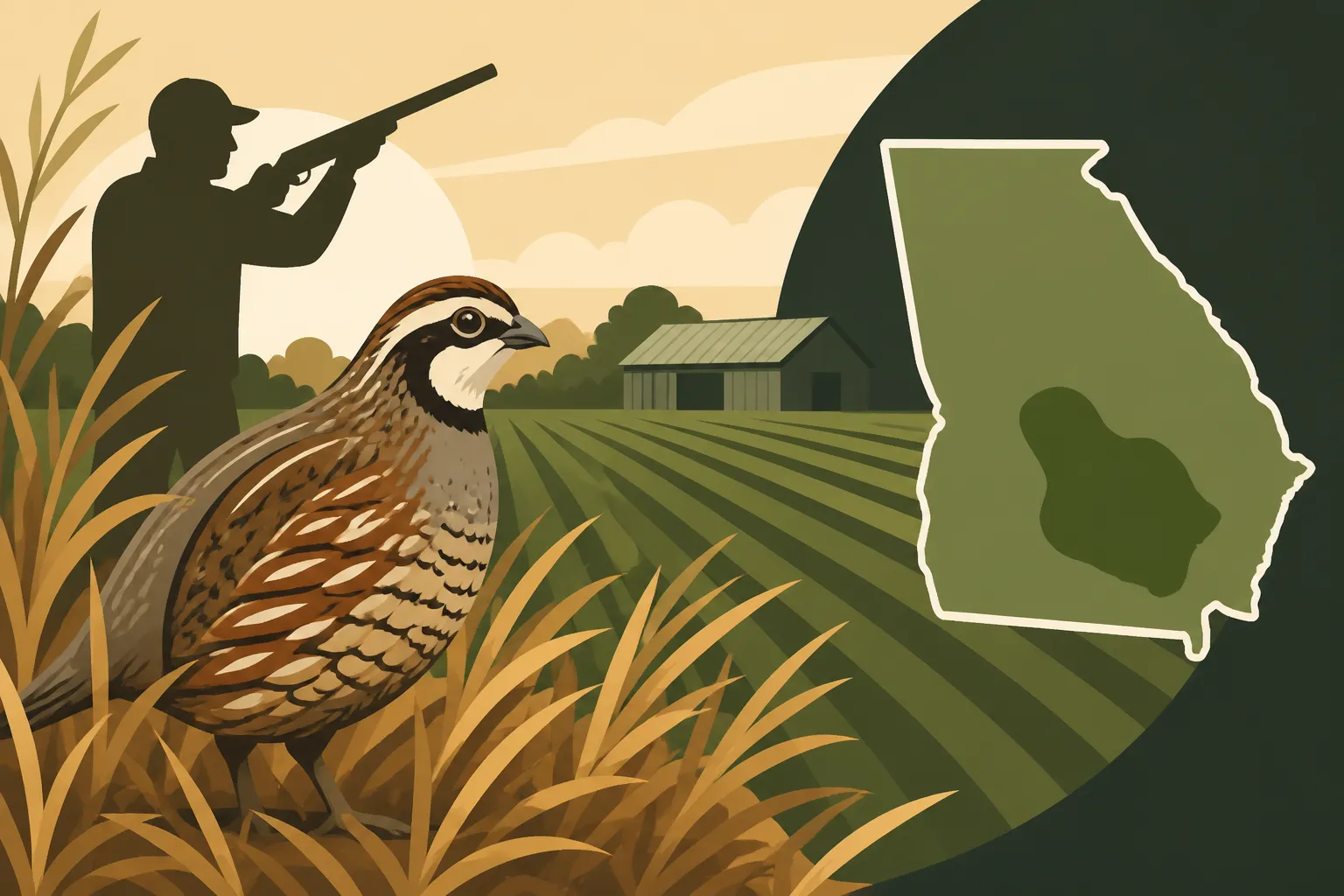
South Georgia isn't just a place on a map; it's a region steeped in the rich tradition of quail hunting. For generations, these vast tracts of land, often characterized by their meticulously managed longleaf pine forests, have been sanctuaries for bobwhite quail and the passionate hunters who pursue them. It's a heritage that defines a certain kind of outdoor pursuit, one that combines sport with a deep appreciation for habitat, history, and the artistry of pointing dogs.
The Historical Significance of Quail Plantations
The history of quail plantations in South Georgia is intertwined with the region's agricultural past and the desire of wealthy landowners to preserve a sporting tradition. Dating back to the late 19th and early 20th centuries, these properties were often former cotton or timber lands that were converted and managed specifically for quail. The landowners, many from northern states, recognized the unique habitat potential and invested heavily in land management practices, often decades ahead of their time, to foster robust wild quail populations. This wasn't just about hunting; it was about creating an entire ecosystem designed for the bobwhite. Families have passed down these traditions, sometimes for over a century, transforming large estates into living museums of conservation and classic wingshooting.
Many of these historic plantations have maintained their original charm and hunting methods. You'll often find beautifully preserved lodge houses, kennels bustling with English pointers and setters, and a commitment to land stewardship that goes far beyond simply providing a hunting opportunity. They represent a significant part of Georgia's cultural and natural heritage, and stepping onto one can feel like taking a journey back in time to a golden era of upland hunting. This long-standing dedication to both the land and the sport is what makes hunting on these properties such a coveted experience.
Why South Georgia is Prime Quail Country
What makes South Georgia so special for bobwhite quail? It primarily comes down to habitat and climate. The region's sandy soils, warm climate, and historical dominance of longleaf pine ecosystems create the perfect environment for these ground-nesting birds. Longleaf pine forests, when properly managed through techniques like prescribed burning, provide the open understory, diverse grasses, and abundant insects and seeds that quail thrive on. This type of habitat offers excellent nesting cover, escape routes from predators, and a steady food supply. You can dive deeper into the nuances of this ecosystem by reading about Longleaf Pine and Georgia Quail Habitat.
The management practices employed on these plantations are critical. They often involve regular prescribed burning, which clears out dense undergrowth, promotes the growth of quail-friendly plants, and controls ticks and other parasites. These efforts also ensure a mosaic of successional stages, providing different types of cover and food sources throughout the year. Beyond burning, many plantations actively plant food plots, control predator populations, and monitor quail numbers to ensure sustainable hunting. This intense, science-backed approach to habitat management is why these areas can sustain high densities of wild or semi-wild quail, offering a truly exceptional hunting experience that's hard to replicate elsewhere.
Types of Access to Quail Plantations
Gaining access to South Georgia's quail plantations isn't a one-size-fits-all proposition. It generally falls into a few distinct categories, each with its own advantages, disadvantages, and cost structure. Understanding these options is the first step toward planning your quail hunting adventure in this legendary region.
Guided Hunts and Package Deals
For many hunters, the most straightforward way to experience South Georgia quail hunting is through a guided hunt or an all-inclusive package deal offered by a commercial plantation or lodge. These operations cater specifically to guests, often providing everything from the dogs and handlers to meals and lodging. It's a turnkey experience designed to be luxurious and hassle-free, perfect for those new to quail hunting or looking for a premium outing. You'll often find these opportunities advertised directly by the plantations themselves or through high-end outdoor travel agencies.
These packages typically vary in length, from single-day hunts to multi-day excursions. They usually include access to prime hunting grounds, the services of experienced guides and trained pointing dogs (like those often discussed in Working Pointing Dogs on Wild Georgia Quail), ammunition, and bird cleaning services. Many also offer delicious meals, often featuring Southern cuisine, and comfortable lodging, creating a complete sporting getaway. While certainly an investment, these guided hunts offer an unparalleled opportunity to experience classic quail hunting with all the details handled for you, allowing you to focus purely on the thrill of the covey rise and the camaraderie of the hunt. If you're looking for a specific kind of experience, like Booking a Guided Plantation Quail Hunt, this is generally the path you'll take.
Membership-Based Hunting Clubs
Another avenue for accessing quail plantations, particularly for those who plan to hunt more frequently or seek a more consistent experience, is through membership in a hunting club or lease arrangement. These clubs can vary widely, from exclusive, private clubs on historic plantations to more modest operations leasing land for quail management. Membership often grants access to designated hunting areas, sometimes for an entire season, and may or may not include guided services, dog use, or lodging.
Joining a club often requires a significant upfront fee and annual dues, but for dedicated upland hunters, it can represent better value than repeated guided day hunts. Some clubs provide kenneling services or allow members to bring their own dogs, appealing to those who enjoy working their own pointers and setters. This type of access fosters a sense of community among members and allows for a deeper connection to the land over time. It's a more involved commitment, but it offers a more personal and sustained quail hunting experience throughout the season. Before committing, always clarify what's included and what's extra, and ensure the club's philosophy aligns with your hunting style.
Seeking Private Land Permission (Even on Plantations)
While many prime quail areas are part of commercial or club operations, there's always the possibility of securing private land permission, even on portions of larger estates or surrounding properties. This usually involves a good deal of legwork, networking, and a respectful approach, but it can sometimes yield access to excellent, less-pressured hunting grounds. This route is definitely more challenging, as many large plantations are carefully managed and often have strict access policies, but it's not entirely impossible for smaller, neighboring tracts.
This approach is more common for individuals with local connections or those willing to put in the time to build relationships with landowners. It might involve offering to help with land management tasks, such as clearing brush or maintaining fences, in exchange for hunting privileges. Patience, persistence, and impeccable ethics are paramount when seeking private land access. While you might not get a full-blown "plantation experience" with all the bells and whistles, securing permission on a smaller, well-managed private tract can still offer fantastic quail hunting and a rewarding personal connection to the land. Always remember to ask for explicit permission and understand the landowner's specific rules and boundaries.
Finding and Researching Quail Plantation Opportunities
Once you've decided on the type of access you're looking for, the next step is to actually find and research available opportunities. This can be less daunting than it seems, especially with modern tools and a bit of old-fashioned networking. South Georgia offers a range of options, from well-known lodges to smaller, family-run operations.
Online Resources and Platforms
In today's digital age, many quail plantations and hunting lodges maintain robust online presences. A simple search for "South Georgia quail hunting" or "quail plantations Georgia" will bring up numerous results. These websites are often rich with information about available packages, pricing, amenities, and often showcase beautiful photos and testimonials. It's a great starting point for comparing different operations.
Specialized hunting platforms and mapping tools can also be invaluable. Services like onX Hunt allow you to visually explore land ownership boundaries, identify potential hunting areas (including private lands adjacent to or near known plantations), and research property features. While onX Hunt won't directly get you onto a private plantation without permission, it can help you understand the lay of the land, identify landowners, and even assist in scouting for areas with similar habitat characteristics if you're looking for alternatives or supplementary spots. Similarly, platforms such as GoHunt might offer insights into hunting destinations, though they are often geared towards Western big game. Still, any platform that consolidates information on hunting opportunities can be a useful research tool. Many online forums and social media groups dedicated to upland hunting in Georgia also serve as excellent resources for recommendations and reviews.
Local Knowledge and Word-of-Mouth
While online resources are helpful, nothing quite beats local knowledge and word-of-mouth recommendations, especially when it comes to a tradition-rich pursuit like quail hunting in South Georgia. Talking to other hunters, local residents, sporting goods store owners, or even conservation group members can provide insights into reputable operations, hidden gems, or even opportunities for private land access that aren't advertised online.
Attending local sporting events, conservation banquets, or even just frequenting small-town diners in areas like Thomasville or Albany can be a fantastic way to connect with people who live and breathe quail hunting. You might discover an independent guide who works with several landowners, or learn about a smaller plantation that doesn't have a large online footprint. These personal connections are often how the best hunting opportunities are discovered and how lasting relationships are forged, which are just as valuable as the hunt itself. For those interested in specifics, researching areas like Thomasville Area Quail Plantation Access or Albany Area Quail Plantation Access will quickly demonstrate how important local connections can be.
What to Expect on a South Georgia Quail Hunt
A quail hunt on a South Georgia plantation is often more than just a hunt; it's an immersive experience designed to evoke the classic traditions of upland bird hunting. From the moment you arrive, you'll feel the history and dedication that has shaped these unique sporting estates.
The Role of Dogs and Handlers
The undeniable stars of any quail hunt are the dogs. On a managed plantation, you'll typically hunt behind highly trained pointing dogs, most often English Pointers or English Setters, sometimes German Shorthaired Pointers, who work tirelessly to locate coveys. Their grace and intensity as they lock up on point, often staunchly holding a scent until the hunters are in position, is a truly magnificent sight. The dogs are usually accompanied by a professional handler or guide who understands their language and can read the terrain. This handler will direct the dogs, interpret their body language, and guide the hunting party through the cover.
Often, you'll hunt from a specialized buggy or jeep, which allows you to cover more ground and conserve energy while the dogs quarter back and forth ahead. When the dogs go on point, you'll dismount and walk in, guns at the ready, for the thrilling covey flush. The collaboration between the dogs, handler, and hunters is a beautiful dance, honed over countless hours in the field. After the flush, a retrieving dog, often a Labrador or Springer Spaniel, will come in to find and retrieve any downed birds, adding another layer to the sporting experience. This entire system ensures efficient hunting and minimal lost birds, honoring the game you pursue. For a deeper dive into this, check out Working a South Georgia Quail Covey Rise.
Typical Hunt Day Structure and Etiquette
A typical day on a South Georgia quail plantation begins early, often with a hearty Southern breakfast at the lodge. After a briefing on safety and the day's plan, you'll head to the field. Most plantations structure their hunts as either a morning and afternoon session, or a half-day session, often broken up by a delicious lunch back at the lodge. The goal is usually to hunt several coveys, allowing ample shooting opportunities for everyone in the party.
During the hunt, etiquette is important. Always follow the guide's instructions, pay attention to gun safety, and shoot only at birds that are flying safely away from other hunters and dogs. It's common for guides to call the shot, ensuring everyone knows whose turn it is or which bird to target. Good sportsmanship, respect for the land, and appreciation for the dogs and handlers are all part of the tradition. After the hunt, the birds are often cleaned and packaged for you, and there's usually time to relax, share stories, and enjoy a cocktail before dinner. It's a comprehensive experience designed to be both productive in the field and enjoyable off it.
Gear and Clothing Considerations
Hunting quail in South Georgia requires specific gear, much of it focused on comfort, safety, and functionality in warm, often thorny cover. Lightweight, breathable clothing in natural tones or camo is essential, as temperatures can still be quite warm, especially during the early season. Think long-sleeved shirts to protect against sun and briars, and durable pants. Warm-Weather Clothing for Georgia Hunters is a good resource for specifics.
Footwear is crucial. Snake boots are highly recommended given the presence of rattlesnakes and other venomous species in the region, particularly when walking through heavy cover. Comfortable, broken-in boots are a must, as you'll be doing a fair amount of walking, even with the aid of a buggy. Eye protection and ear protection are absolute necessities. For firearms, a lightweight 12 or 20 gauge shotgun is ideal, often with an improved cylinder or modified choke for quick-flushing birds. Many plantations provide ammunition, but it's always good to confirm. Don't forget a good hat, sunscreen, and insect repellent. A small game vest or shell bag is also handy for carrying extra shells and any personal items.
Costs and Value of Plantation Quail Hunting
Let's be realistic: hunting on a South Georgia quail plantation is generally not a budget-friendly endeavor. It's an investment in a premium, often luxurious, sporting experience. Understanding the breakdown of these costs and the value you receive in return is key to managing expectations and making an informed decision.
Breaking Down the Investment
The cost of a quail hunt on a South Georgia plantation can vary widely based on several factors: the reputation and exclusivity of the plantation, the length of the hunt (half-day, full-day, multi-day), the number of birds guaranteed or released, whether it's a wild bird hunt or primarily released birds, and the amenities included (lodging, meals, open bar, gun rental, etc.). Single-day guided hunts can range significantly, and multi-day packages with lodging and meals will naturally be more. Annual memberships to exclusive clubs can reach substantial figures.
What often surprises people is that the cost isn't just for the birds you might shoot. A significant portion of the fee goes towards the extensive habitat management that makes these hunts possible. This includes prescribed burning, planting food plots, predator control, and the year-round care of the dogs and the employment of professional guides and staff. The labor and resources required to maintain a thriving quail population and a top-tier hunting operation are considerable. It's also important to factor in travel expenses, gratuities for guides and staff (which are customary), and any additional purchases like ammunition or gear.
What You Get for Your Money
While the price tag can be high, what you often receive is an unparalleled, immersive, and often unforgettable hunting experience. You're not just buying a hunt; you're buying access to meticulously managed land, highly trained dogs, expert guides, and a piece of a cherished Southern tradition. The value lies in the quality of the entire package. You get a well-organized hunt where safety is paramount, and every detail is usually taken care of.
Consider the benefits:
- Prime Habitat: Access to some of the best-managed quail habitat in the country.
- Expert Guides & Dogs: The opportunity to hunt behind world-class pointing dogs and learn from experienced handlers.
- Convenience: All the logistics, from bird cleaning to meals and lodging, are typically handled for you.
- Tradition & Atmosphere: The chance to experience classic upland hunting in an environment steeped in history and sporting heritage.
- High Success Rates: While wild bird numbers fluctuate, managed plantations generally offer consistent shooting opportunities.
It's about the entire experience—the smell of pine needles, the thrill of the covey flush, the elegance of the pointing dogs, the camaraderie at the lodge, and the taste of Southern hospitality. For many, this makes the investment well worth it, creating memories that last a lifetime. If you're comparing options, consider researching Hunting a Managed Quail Plantation to see the scope of what's offered.
Here's a quick comparison of common access types:
| Access Type | Typical Cost Structure | Key Inclusions | Pros | Cons | Best For |
|---|---|---|---|---|---|
| Guided Hunt/Package | Per hunter, per day/night | Guide, dogs, meals, lodging, birds, ammo | All-inclusive, hassle-free, premium experience | Highest cost per outing, less flexibility | First-timers, corporate trips, special occasions |
| Hunting Club Membership | Annual dues, initiation fee | Seasonal access, some services (varies) | Consistent access, community, potentially lower per-hunt cost | Significant upfront investment, less amenities | Regular hunters, those with their own dogs |
| Private Land Permission | Free (or trade for work) | Access to specific land | Low/no monetary cost, personal satisfaction | Hard to find, requires networking, no services | Highly dedicated, locally connected hunters |
Preserving the Quail Hunting Tradition in Georgia
The beauty and opportunity of quail hunting in South Georgia don't exist by accident. They are the result of tireless dedication to conservation and habitat management, efforts that extend far beyond just providing a great hunt. For those of us who cherish this tradition, understanding and supporting these efforts is paramount.
Conservation Efforts by Plantations
South Georgia quail plantations are often at the forefront of bobwhite quail conservation. Many of these large landholdings are managed with a long-term vision, prioritizing habitat health over short-term gains. They employ wildlife biologists and land managers who implement science-based strategies such as frequent prescribed burning, selective timber thinning to promote open pine savannas, invasive species control, and planting native seed-producing plants. These practices create the ideal conditions for not just quail, but a whole host of other native wildlife.
Beyond active management, many plantations participate in research initiatives, partnering with universities and conservation organizations to study quail ecology, disease, and population dynamics. They act as living laboratories, providing invaluable data that informs broader conservation efforts across the state and region. This commitment to stewardship is what has allowed some areas to maintain robust quail populations even as wild quail numbers have faced challenges elsewhere. For context on these challenges, you might read about Georgia Wild Quail Decline Since the 1960s. Their investment in the land is a key reason why we can still enjoy such an iconic part of Georgia's outdoor heritage.
Hunter's Role in Sustainable Practices
As hunters, we have a vital role to play in supporting and contributing to the sustainability of quail hunting in Georgia. Our participation in guided hunts and club memberships directly funds many of the conservation efforts undertaken by plantations. By choosing reputable operations that emphasize habitat management and ethical hunting practices, we reinforce the value of these responsible stewards of the land.
Beyond financial support, individual hunters can contribute by practicing good ethics in the field, respecting bag limits, and supporting organizations dedicated to quail habitat restoration. This includes groups like Quail Forever and Tall Timbers Research Station, which work tirelessly to conserve bobwhite quail and their habitats. Even on public lands, applying principles learned from plantation management, such as understanding the importance of proper cover and food sources, can help us be more effective and responsible hunters. Ultimately, by being informed, respectful, and engaged, we ensure that the thrilling covey flush and the majestic pointing dog remain a cherished part of the Georgia hunting landscape for generations to come.
Disclaimer
This article is for general informational purposes only and does not constitute professional advice. Laws, prices and regulations vary by location and change over time. Consult a qualified professional for guidance on your specific situation.