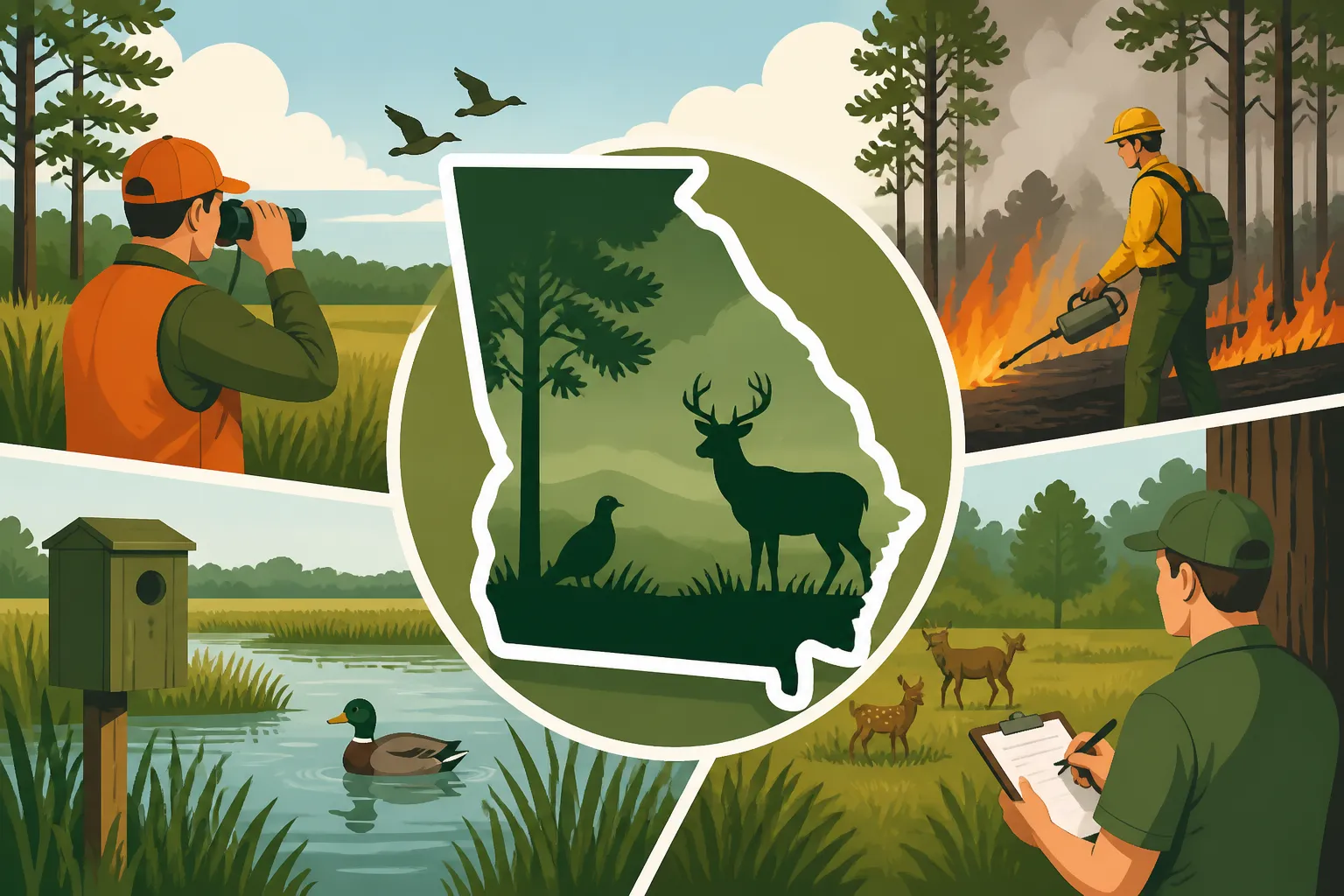
How Georgia WMAs Are Managed
If you've spent any time hunting public land in Georgia, you've probably noticed that not all tracts are created equal. Some areas feel wild and rugged, while others have clearly been shaped by human hands, from prescribed burns to planted food plots. It can be a little confusing trying to understand the method behind the madness, but there's a huge amount of thought and effort that goes into managing Georgia's Wildlife Management Areas, all aimed at providing healthy habitats and sustainable hunting opportunities. This guide will pull back the curtain on how these vital public lands are cared for and optimized.
Defining Wildlife Management Areas and Their Purpose
Georgia's Wildlife Management Areas, or WMAs, are incredible resources for hunters, anglers, and outdoor enthusiasts. They represent a commitment by the state to conserve wildlife and provide public access for recreation. Many hunters depend entirely on these lands for their seasons, and understanding what they are and why they exist helps appreciate the effort involved in their upkeep.
What are Georgia WMAs?
Think of a WMA not just as a patch of woods, but as a carefully designed ecosystem. These are lands specifically set aside, either owned by the state or managed through long-term leases, with the primary goal of wildlife conservation and public recreation. Unlike national forests or other multi-use public lands where timber production or other commercial interests might take precedence, WMAs prioritize wildlife habitat and the activities that go along with it, especially hunting and fishing. They're found across the state, from the mountains of North Georgia to the coastal plain, each with its own unique characteristics and management challenges. Knowing How Many Acres Georgia WMAs Cover Combined gives you a sense of the scale of this commitment.
Historical Context and Their Importance
The concept of WMAs really gained traction in the mid-20th century as wildlife populations dwindled due to unregulated hunting and habitat loss. Conservationists and forward-thinking state agencies realized that active management was crucial not just for recovery, but for ensuring future generations could enjoy these resources. In Georgia, the establishment of WMAs was a direct response to these needs, creating havens where deer, turkeys, bears, and other game species could thrive, and where hunters could still pursue their passions responsibly. They are a legacy, a testament to the idea that wild places and wild things are worth protecting and nurturing.
The Role of Georgia DNR in Management
The Georgia Department of Natural Resources (DNR), specifically its Wildlife Resources Division, is the backbone of WMA management. These are the folks on the ground – the biologists, technicians, and rangers – who develop and implement the management plans. Their work is guided by scientific research and long-term conservation goals, aiming to balance the needs of various wildlife species with the recreational demands of the public. They're not just gatekeepers; they're stewards, constantly monitoring wildlife populations, assessing habitat health, and adapting strategies to changing environmental conditions and user needs. If you ever wondered about How Georgia WMAs Are Managed, it really boils down to the dedicated folks at the DNR.
The Science Behind WMA Management Decisions
Managing a WMA isn't just about planting a food plot or cutting some trees; it's a complex, data-driven process rooted in ecological science. The decisions made by DNR biologists are informed by years of research, constant monitoring, and a deep understanding of the intricate relationships between wildlife, habitat, and human activity.
Ecological Surveys and Data Collection
Before any significant management action is taken, a mountain of data is collected. Biologists conduct detailed ecological surveys, often involving vegetation sampling, soil analysis, and water quality assessments. They study forest composition, the prevalence of native versus invasive plant species, and the overall health of the ecosystem. This baseline data helps them understand what's currently there, what's missing, and what changes might be beneficial. It's like a doctor taking a patient's vital signs before prescribing a treatment plan. Hunters often rely on tools like onX Hunt to see property boundaries and topo maps, but the DNR is digging much deeper to understand the ecological landscape.
Population Dynamics and Harvest Data
Understanding wildlife populations is paramount. For species like deer and turkey, DNR biologists regularly estimate population sizes, monitor fawn and poult survival rates, and track overall health indicators. A critical piece of this puzzle comes from harvest data, which hunters provide through mandatory reporting systems like Georgia Game Check. Every time you report a deer, you're contributing to a massive dataset that helps managers understand population trends, buck-to-doe ratios, age structures, and disease prevalence. This data directly influences decisions about season lengths, bag limits like Georgia's Twelve-Deer Bag Limit, and the number of quota hunt permits issued, all aimed at ensuring sustainable populations.
Habitat Needs of Key Game Species
Each game species has specific habitat requirements for food, cover, and reproduction. Deer need a mix of browse, mast, and thick cover; turkeys need open understories for bugging and roosting trees; bears require dense cover and diverse food sources. WMA management is often tailored to meet the needs of target species, recognizing that enhancing habitat for one species can have ripple effects throughout the ecosystem. For example, creating early successional habitat might benefit deer and quail, while protecting mature hardwoods is crucial for mast-producing trees for a variety of wildlife. The goal isn't just to have animals, but to have healthy, thriving populations supported by robust habitats.
Habitat Management Techniques on Georgia WMAs
The hands-on work of managing WMAs involves a diverse toolkit of techniques, all designed to create and maintain optimal conditions for wildlife. These aren't random acts; they're carefully planned interventions based on the scientific data gathered by DNR biologists.
Prescribed Burning and Forest Management
One of the most powerful and widely used tools on many Georgia WMAs, especially in the Coastal Plain and Piedmont, is prescribed fire. While it might seem counterintuitive to intentionally set fires, controlled burns are essential for mimicking natural processes that historically shaped these ecosystems. They reduce hazardous fuel loads, prevent catastrophic wildfires, stimulate new growth of nutritious forage plants, and control undesirable vegetation that can choke out beneficial species. For example, longleaf pine savannas, which are critical for bobwhite quail, depend on regular fire to maintain their open, grassy understory. You can read more about how this impacts closures and habitats in Prescribed Burns and Georgia Hunting Closures.
Forest management extends beyond fire. This includes selective timber harvests to create different age classes of trees, promoting diverse plant communities. Thinnings open up the canopy, allowing sunlight to reach the forest floor and encouraging understory growth, which provides both food and cover. Sometimes, clear-cutting might be used in small patches to create early successional habitat, crucial for species like deer, rabbits, and certain songbirds. The specific approach depends on the WMA's ecological context and target species.
Food Plotting and Supplemental Forage
While natural food sources are always the priority, food plots can play a valuable role in supplementing forage, especially during lean times of the year or in areas with limited natural nutrition. These plots, often planted with clover, winter wheat, oats, or perennial legumes, provide a concentrated food source that can help sustain deer, turkeys, and other herbivores. They are strategically placed to draw animals to accessible areas, concentrate game for hunters, and provide critical nutrition during periods of stress, such as late winter or early spring.
However, food plots aren't a standalone solution. They are typically a small percentage of the overall WMA acreage and are integrated into a broader habitat plan that emphasizes native vegetation. Managers carefully select plant species appropriate for the soil type and climate, avoiding those that could become invasive or outcompete native plants. This balance ensures that food plots enhance, rather than replace, the natural foraging opportunities available to wildlife.
Water Management and Wetlands Restoration
Water is life, and managing water resources is vital, especially in Georgia's diverse landscapes which include numerous rivers, swamps, and wetlands. This involves maintaining existing water bodies, restoring degraded wetlands, and sometimes creating new ones. For waterfowl, this might mean constructing dikes and levees to create controlled impoundments that can be flooded and drained at specific times to grow desired food plants like millet or smartweed.
For other species, water management can involve improving stream crossings, creating small watering holes in dry uplands, or ensuring healthy riparian zones along rivers and creeks. Wetlands are biodiversity hotspots, providing critical habitat for amphibians, reptiles, migratory birds, and many mammal species. Restoration efforts often focus on re-establishing natural hydrology, planting native wetland vegetation, and removing invasive species that can disrupt these fragile ecosystems.
Invasive Species Control
One of the ongoing battles on WMAs is the fight against invasive species, both plant and animal. Non-native plants like privet, kudzu, or Japanese honeysuckle can outcompete native vegetation, reduce biodiversity, and diminish the quality of wildlife habitat. Invasive animals, such as feral hogs, can devastate agricultural crops, root up beneficial native plants, and even predate on fawns and turkey poults. For information on dealing with these destructive animals, consider topics like Hunting Feral Hogs Over Bait at Night.
WMA managers employ a variety of methods to control invasives, including chemical treatments, mechanical removal, prescribed fire, and targeted hunting efforts. This is a continuous effort, as invasive species are persistent and can quickly re-establish themselves if control measures are not consistently applied. Effective invasive species management is crucial for protecting the ecological integrity and long-term health of WMA habitats.
Balancing Recreation and Conservation on WMAs
A core challenge for Georgia's DNR is finding the sweet spot where robust conservation efforts meet the demand for public recreation. WMAs are meant to be enjoyed, but that enjoyment must be sustainable and not compromise the very resources they protect.
Hunting Season Design and Quota Hunts
One of the most visible ways WMAs balance recreation and conservation is through their specific hunting seasons and regulations. Often, WMA seasons differ significantly from statewide regulations, with shorter windows, reduced bag limits, or specialized weapon restrictions. Many WMAs utilize quota hunts, where a limited number of hunters are selected through a lottery system to participate. This approach directly manages hunter pressure, ensuring that wildlife populations are not overharvested and that the quality of the hunting experience remains high. If you're interested in these specialized hunts, you might want to look into Georgia Quota Hunt Application Window.
This also allows managers to target specific population goals. For example, a WMA might have an antler restriction or a higher antlerless deer quota if the goal is to reduce herd numbers or improve buck age structure. These regulations are dynamic, changing year to year based on population data, habitat conditions, and hunter feedback, all available through platforms like GoHunt that aggregate state regulations.
Non-Hunting Recreation Opportunities
While hunting is a cornerstone of WMA management, these lands are far from exclusive to hunters. Many WMAs offer a wealth of other recreational opportunities, including hiking, birdwatching, fishing, and photography. Designated trails for hiking or horseback riding provide access without disturbing hunting areas during critical seasons. Scenic overlooks, wildlife viewing platforms, and educational signage help connect visitors with nature, fostering an appreciation for conservation.
The challenge lies in managing these diverse user groups to minimize conflict. This might involve designating specific areas or times for certain activities, clearly marking boundaries, and educating all users about safety and etiquette. For example, during firearm deer seasons, non-hunters are often encouraged to wear blaze orange, or certain trails may be temporarily closed in active hunting zones. This ensures everyone can safely enjoy the WMAs, respecting both wildlife and fellow outdoor enthusiasts.
Minimizing User Conflict and Promoting Safety
With so many people eager to experience Georgia's public lands, minimizing user conflict and promoting safety is paramount. This goes beyond just separating hunters and hikers. It involves clear signage, effective communication from DNR, and public education campaigns. Rules regarding Camping Rules on Georgia National Forest Land or Trail Camera Rules on Georgia Public Land exist to maintain order and respect among users.
DNR often hosts public meetings, provides detailed maps (which you can often view on the Georgia Outdoors app or through digital mapping tools like onX Hunt), and publishes extensive online resources detailing WMA-specific regulations. The goal is to create a safe and enjoyable environment for everyone, where different recreational pursuits can coexist, and where the primary mission of wildlife conservation remains uncompromised.
Funding and Public Involvement in WMA Management
The extensive management efforts on Georgia's WMAs don't happen for free. They rely on a combination of dedicated funding sources and the invaluable participation of the public, both through financial contributions and volunteer work.
Sources of Funding for WMAs
The primary funding source for WMAs comes from you, the hunter and angler! A significant portion of hunting and fishing license fees goes directly back into wildlife management. This is augmented by the federal Pittman-Robertson Act, which places an excise tax on firearms, ammunition, and archery equipment. These funds are then distributed to states for wildlife conservation, providing critical support for WMA land acquisition, habitat restoration, and research. Other sources can include state general funds, grants, and even timber sales from sustainable forestry practices on WMA lands. So, every time you purchase a Georgia Hunting Licenses and What They Cost, you're directly investing in the future of these public lands.
Volunteer Programs and Partnerships
The DNR can't do it all alone, and they often rely on the incredible dedication of volunteers and partner organizations. Conservation groups, local hunting clubs, and individual volunteers contribute countless hours to WMA projects. This can involve planting trees, maintaining trails, building waterfowl impoundments, or assisting with biological surveys. These partnerships not only provide essential labor but also foster a sense of community ownership and investment in the WMAs. It's a powerful demonstration of how people who care about wildlife and public lands can make a tangible difference.
Public Input and Feedback Mechanisms
WMA management isn't a top-down, opaque process. The DNR actively seeks public input to inform their decisions. This happens through public meetings, online surveys, and direct communication with stakeholders. Hunters, trappers, hikers, and birdwatchers are encouraged to provide feedback on proposed rule changes, management plans, and issues they observe on the ground. While decisions are ultimately guided by scientific principles, understanding the public's needs and concerns helps shape management strategies that are both ecologically sound and socially acceptable. Your voice matters in shaping the future of these vital lands.
Here's a quick look at some common WMA management techniques and their primary goals:
| Management Technique | Primary Goal | Target Species (Examples) | Benefits to Habitat |
|---|---|---|---|
| Prescribed Burning | Reduce fuel loads, stimulate new growth | Deer, Turkey, Quail | Promotes diverse native plants, reduces wildfire risk |
| Selective Timber Harvest | Create diverse forest structure, enhance forage | Deer, Bear, Turkey | Increases sunlight, new browse, varied cover |
| Food Plotting | Supplement forage, attract game | Deer, Turkey | Provides concentrated food, especially in lean seasons |
| Wetlands Restoration | Enhance water quality, create waterfowl habitat | Waterfowl, Wading Birds | Increases biodiversity, provides critical nesting/foraging |
| Invasive Species Control | Protect native ecosystems, improve forage | All game species | Reduces competition, restores native plant communities |
| Quota Hunts/Regs | Manage hunter pressure, achieve population goals | Deer, Turkey, Bear, Alligator | Ensures sustainable harvest, maintains quality experience |
Challenges and Future Directions for WMA Management
Managing Georgia's WMAs is not without its difficulties. As populations grow and environmental conditions shift, the DNR faces ongoing challenges that require adaptability, innovation, and continued public support.
Pressure from Growing Hunter Numbers
One of the most persistent challenges is managing Hunting Pressure on Georgia Public Land. With Georgia's population continuing to grow, more people are seeking outdoor recreation, and public hunting lands often bear the brunt of this increased interest. This can lead to crowded conditions, increased competition for game, and a degraded outdoor experience for some. Managers must constantly evaluate strategies to distribute hunters, such as implementing more quota hunts, creating new access points, or actively promoting less-used areas. The goal is to ensure that WMAs remain viable and enjoyable hunting destinations for everyone, while not overstressing the wildlife populations they host.
Climate Change and Habitat Resilience
The long-term impacts of climate change pose a significant, evolving challenge for WMA management. Changes in rainfall patterns, increased frequency of extreme weather events, and shifts in growing seasons can profoundly affect habitat quality, plant communities, and wildlife populations. Managers are working to build habitat resilience, selecting tree species more tolerant to future conditions, diversifying plant communities to withstand environmental shifts, and adapting water management strategies to cope with both droughts and floods. This forward-thinking approach is crucial to ensure WMAs remain productive ecosystems for decades to come.
Disease Management and CWD
Wildlife diseases, particularly Chronic Wasting Disease (CWD), represent a grave threat to deer populations and the future of hunting. Georgia recently confirmed its first CWD cases, and this immediately brought new layers of management complexity to affected areas. Which Four Counties Sit in the CWD Zone now have specific carcass movement restrictions and mandatory testing requirements to prevent the spread of the disease. WMA managers in these zones must implement stricter protocols for handling harvested deer and educate hunters on prevention measures. The ongoing effort to monitor, contain, and hopefully mitigate the impact of CWD will be a significant focus for Georgia's WMAs in the years ahead, demanding vigilance and cooperation from every hunter.
Disclaimer
This article is for general informational purposes only and does not constitute professional advice. Laws, prices and regulations vary by location and change over time. Consult a qualified professional for guidance on your specific situation.