Georgia Fawn Survival Rates
One of the most concerning challenges for deer hunters and wildlife managers in Georgia is the sometimes-precarious survival of our fawn crop. It’s a silent struggle that plays out in our pine forests, river bottoms, and Piedmont hardwoods every spring and summer, significantly influencing the health and size of our deer herd. This guide is dedicated to shedding light on the complex factors that determine whether a newborn fawn makes it to its first birthday, offering insights into why these tiny, spotted bundles of potential are so vulnerable and what it all means for hunting in the Peach State.
Understanding Fawn Survival: Why It Matters in Georgia
When we talk about fawn survival rates, we're really talking about the future of our deer hunting opportunities. A healthy fawn crop translates directly into a robust and sustainable deer population, which is crucial for managing the herd effectively and ensuring there are plenty of deer for hunters year after year. It's a fundamental metric that helps wildlife agencies understand the pressures on the deer herd and make informed management decisions.
The Role of Fawn Recruitment in Deer Management
Fawn recruitment refers to the number of fawns that survive to be recruited into the adult deer population, typically measured as yearlings. This isn't just a number on a spreadsheet; it's the lifeblood of the deer herd. If recruitment is low for several consecutive years, you start seeing fewer deer, a skewed age structure, and potentially a decline in overall herd health. Think about it: if more fawns are dying than being born or surviving, that's a population heading in the wrong direction. Georgia's wildlife biologists keep a close eye on these rates because they inform everything from bag limits to season lengths, aiming to strike a balance that allows the herd to thrive while still providing ample hunting opportunities. It’s all about sustainability.
Natural Mortality Versus Human Impact
Fawn mortality is a natural, albeit often tough, part of the ecosystem. Predators, disease, and environmental factors like harsh weather are all part of the natural culling process. However, human activities can significantly influence these rates, sometimes for better, sometimes for worse. Habitat alteration, land-use changes, and even our hunting practices can inadvertently impact how many fawns survive. For instance, extensive clear-cutting might initially provide great browse but then remove critical hiding cover for fawns, making them more vulnerable. Understanding this delicate balance is key, as it helps us distinguish between what's simply nature taking its course and what might be an issue we, as stewards of the land, can address. We want to ensure that our management strategies, including setting appropriate deer harvest goals, contribute positively to the overall health and future of the herd.
Key Factors Influencing Fawn Survival in Georgia
Fawn survival is a multi-faceted puzzle, and in Georgia, several crucial pieces come together to determine a fawn's chances. From the moment they hit the ground, fawns face an uphill battle, navigating a landscape filled with both natural challenges and human-influenced changes. Pinpointing these factors helps us understand where the vulnerabilities lie.
Predator Impact on Georgia Fawns
Let's be blunt: predators are a major reason why fawn survival rates can be low in many parts of Georgia. Coyotes, in particular, have a significant impact. They are opportunistic hunters, and a newborn fawn, which often instinctively "freezes" rather than flees, is an easy target. While many hunters might think of coyotes as solely an eastern phenomenon, they are Coyotes and Predators in Georgia widespread throughout the state, from the mountains to the coast.
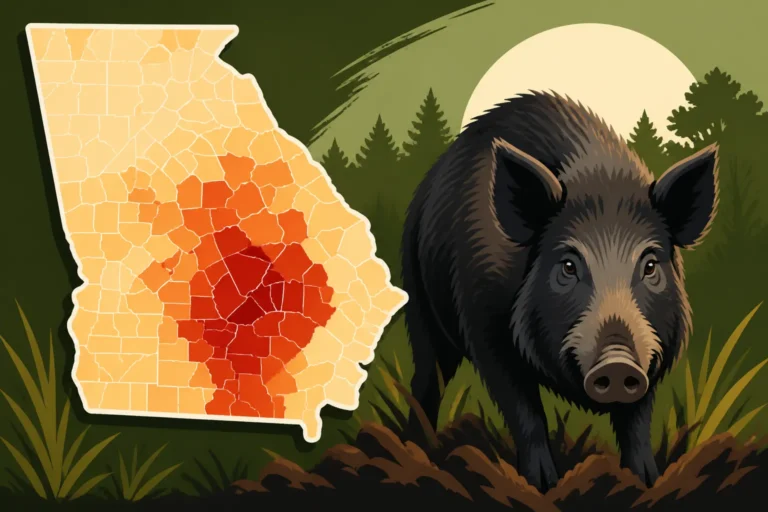
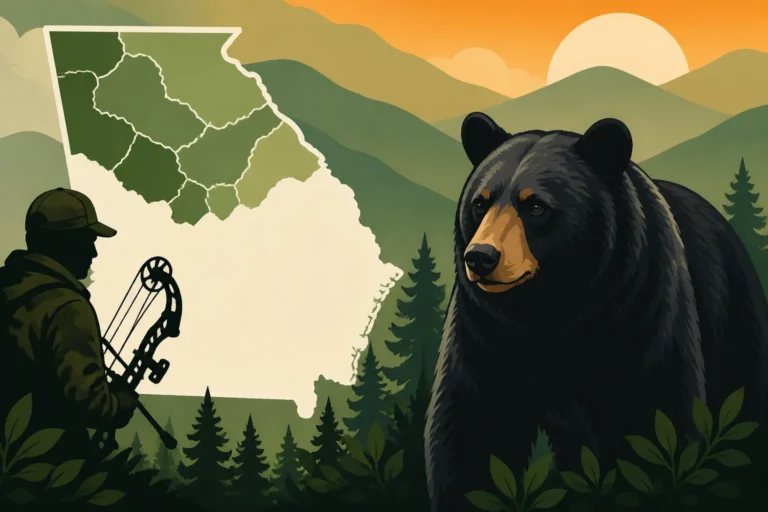
But it's not just coyotes. Bobcat populations are Georgia's Recovering Bobcat Population also healthy in many areas and these stealthy hunters will readily take fawns. Even black bears, especially in areas like the Why the Northern Zone Holds the Most Bears Chattahoochee National Forest, can prey on fawns if the opportunity arises. And let's not forget about feral hogs. These destructive animals are notorious for their indiscriminate appetites, and while they may not actively hunt fawns with the same intent as a coyote, they will absolutely snatch a vulnerable fawn if they stumble upon one. Feral Hogs Across Georgia are a pervasive problem, causing damage to habitat and preying on young wildlife, making them a double threat to fawn recruitment. The sheer density of these predators in some areas creates an environment where a fawn's first few weeks are incredibly perilous.
Habitat Quality and Cover Availability
A fawn's best defense against predators is often its camouflage and good hiding cover. This is where habitat quality really shines. Thick underbrush, dense pine saplings, briar patches, and tall grasses provide crucial sanctuary for newborn fawns, allowing them to remain hidden while their mother forages nearby. Unfortunately, not all Georgia landscapes offer optimal cover.
Consider the impacts of different land management practices. In areas with intensively managed pine plantations, consistent burning or thinning can sometimes reduce ground-level cover, leaving fawns more exposed. Conversely, well-managed forest stands that encourage diverse undergrowth or areas of natural regeneration, like after a selective timber harvest, can create fantastic fawning cover. River bottoms and swamp edges, with their inherent thickets and dense vegetation, are often natural havens for fawns. Hunters using tools like the GoHunt app can often identify areas of dense cover or recent timber activity that might be acting as fawning grounds, helping them understand where fawns might be most vulnerable or safest. The more diverse and robust the cover, the higher the chances a fawn has of evading detection during those critical first few weeks.
Doe Nutrition and Health
A healthy fawn starts with a healthy doe. The nutritional condition of the mother deer before, during, and after pregnancy plays a massive role in the survival of her offspring. Does that are well-fed and in good physical condition are more likely to successfully carry a fawn to term, give birth to healthy, robust fawns, and produce enough milk to support their rapid growth. Conversely, does struggling with poor nutrition may give birth to smaller, weaker fawns that are less likely to survive, or they might abandon fawns if they can't adequately feed them.
Factors affecting doe nutrition include the availability and quality of natural forage, mast crops like acorns, and supplemental food sources if present. A poor acorn year, for instance, can stress the entire deer herd, including pregnant does. Disease outbreaks, such as EHD Die-Offs in Georgia Deer, can also severely weaken does, impacting their ability to nurture fawns and even causing mortality that leaves fawns orphaned. All these elements intertwine, making doe health a critical component in the overall fawn survival equation.
The Hunter's Role in Promoting Fawn Survival
As hunters, we're not just consumers of wildlife; we're often its most ardent conservationists. Understanding fawn survival rates isn't just academic; it empowers us to make choices that can positively impact the deer herd, contributing to healthier populations and better hunting for everyone. Our actions, both in the field and through our land management, can make a real difference.
Ethical Harvest and Doe Management
One of the most direct ways hunters influence deer populations is through harvest. In Georgia, our Georgia's Twelve-Deer Bag Limit allows for a significant antlerless harvest, which is a powerful tool for population control. While it might seem counterintuitive, responsibly harvesting does can actually improve fawn survival rates in certain situations. In areas with high deer densities, reducing the number of adult does can alleviate competition for food resources. This means the remaining does have better nutrition, leading to healthier fawns and a higher survival rate among them.
However, "responsible" is the keyword. Over-harvesting does in areas where the population is already struggling or where fawn recruitment is naturally low can exacerbate the problem. It’s about balance. Many seasoned hunters use resources like the Georgia Outdoors App or mapping services such as GoHunt to understand local deer densities and harvest recommendations. By carefully considering the Georgia Buck-to-Doe Ratio by Region and the overall health of the herd in their specific hunting area, hunters can make ethical decisions that support long-term fawn survival and herd stability. We should always strive to be informed participants in wildlife management, not just hunters.
Habitat Improvement on Private Lands
For those fortunate enough to hunt private land, habitat improvement is arguably the most impactful way to boost fawn survival. Creating and maintaining quality habitat provides fawns with the security and sustenance they need to thrive. This can involve several strategies:
- Creating Dense Cover: Planting native shrubs, allowing natural thickets to grow, or even selective timber cuts that encourage regenerating understory can create perfect bedding and hiding spots. Think about what a tiny, vulnerable fawn needs: places to disappear into.
- Enhancing Forage: Establishing food plots with nutritious deer forage, or improving natural browse by removing invasive species and encouraging native plants, directly supports doe health and, by extension, fawn health. A well-fed doe produces more milk, which means stronger fawns.
- Water Sources: While Georgia generally has ample water, ensuring reliable, accessible water sources can contribute to overall deer health, especially during dry spells, which benefits fawns indirectly through their mothers.
Even small efforts, like clearing out old logging roads to allow for new growth or managing a fencerow for maximum cover, can make a difference. The goal is to create a mosaic of food, water, and thick cover that allows deer to meet all their needs within a relatively small, safe area. For more ideas, looking into general Habitat Work on Georgia WMAs can offer inspiration and best practices.
Predator Control Efforts
The topic of predator control is often debated, but from a fawn survival perspective, reducing predator pressure can certainly help. Coyotes, in particular, are adaptable and prolific, and their populations often respond to prey availability. While completely eradicating them isn't feasible or necessarily desirable, localized efforts can provide fawns a better chance.
This might involve consistent trapping or hunting of coyotes, bobcats, and feral hogs on private lands, especially during the fawning season. Understanding night hunting Georgia hogs at night rules, for instance, can provide a legal means to reduce hog numbers. It's important to remember that such efforts must be consistent and ongoing to have a noticeable effect, as predator populations can rebound quickly. Always check the latest regulations for predator hunting and trapping in Georgia, as they can vary. The aim isn't to eliminate predators, which play a vital ecological role, but to manage their numbers to a point where they don't unduly suppress the deer herd's ability to recruit fawns.
Monitoring and Research: Georgia's Efforts to Track Fawn Survival
Understanding Georgia's fawn survival rates isn't guesswork. Our state wildlife agencies, particularly the Georgia Department of Natural Resources (DNR), invest significant time and resources into scientific studies and monitoring programs to gather accurate data. This information is critical for making sound management decisions that benefit the entire deer herd and the hunting public.
Georgia DNR's Fawn Survival Studies
Georgia DNR biologists utilize a variety of methods to study fawn survival, often involving cutting-edge technology. One common technique is the capture and tagging of newborn fawns. Biologists will locate fawns shortly after birth, often by carefully searching known fawning areas or even using specialized detection dogs. Once a fawn is located, it is quickly processed: weighed, measured, and fitted with a small, lightweight radio collar. These collars emit a signal that allows biologists to track the fawn's movements and, crucially, to determine if and when it dies.
By monitoring these collared fawns throughout their first few months of life, researchers can pinpoint causes of mortality. Was it a coyote? A bobcat? Did it succumb to disease or starvation? This data provides invaluable insights into the specific pressures fawns face in different regions of Georgia. These studies, along with other population monitoring methods like spotlight surveys and harvest data (Georgia Annual Deer Harvest), help the DNR How Georgia DNR Counts the Deer Herd gain a comprehensive understanding of Georgia Fawn Survival Rates and how factors like predator density or habitat changes impact them. It’s a painstaking process, but absolutely essential for managing our deer responsibly.
Using Data for Informed Hunting Decisions
For hunters, understanding these scientific efforts and their findings can significantly inform your own hunting strategies. While you won't have access to individual fawn tracking data, the broader conclusions drawn by the DNR are often reflected in public reports and management recommendations. For example, if a region shows consistently low fawn recruitment due to high predator loads, that might influence your decisions on whether to take an antlerless deer or focus on predator control efforts on your hunting grounds.
Online resources and mapping platforms like GoHunt often incorporate publicly available land data, and staying abreast of the DNR's regional reports can provide context for your scouting efforts. Knowing the general health of the local herd and the factors impacting fawn survival can help you make more ethical and effective hunting choices. It ensures that your pursuits align with the long-term sustainability of Georgia's deer population, which is a goal every responsible hunter shares.
Comparing Fawn Survival Factors
Understanding the various factors that influence fawn survival can be complex. This table offers a quick comparison of the primary challenges fawns face in Georgia.
| Factor | Primary Impact on Fawns | Mitigation/Management for Hunters |
|---|---|---|
| Predation | Direct mortality from coyotes, bobcats, hogs, bears. | Localized predator control (hunting/trapping), dense cover. |
| Habitat Quality | Availability of dense hiding cover and nutritious forage. | Create/maintain thickets, food plots, manage timber. |
| Doe Nutrition/Health | Fawn vigor at birth, milk production for growth. | Improve forage, manage deer density through ethical harvest. |
| Disease/Parasites | Weakens fawns directly or through doe, reducing survival. | Manage herd health, report sick animals, reduce stress. |
| Weather Events | Exposure to severe cold, heavy rain, or drought. | (Limited direct control), robust habitat provides shelter. |
| Human Disturbance | Disruption of fawns in hiding, accidental injury. | Minimize disturbance in known fawning areas, awareness. |
Disclaimer
This article is for general informational purposes only and does not constitute professional advice. Laws, prices and regulations vary by location and change over time. Consult a qualified professional for guidance on your specific situation.