Crop Damage Hogs Cause in South Georgia
If you're a farmer, a landowner, or just someone who cares about the agricultural backbone of South Georgia, the sight of a field torn up by feral hogs can make your stomach drop. These invasive animals aren't just a nuisance; they're a destructive force that can wipe out months of hard work and thousands of dollars in crops overnight, leaving a trail of frustration and economic hardship in their wake. This guide is all about understanding the significant damage these intelligent, adaptable creatures inflict on our precious crops and what can be done to combat their relentless assault.
The Devastating Impact: What Hogs Do to Crops
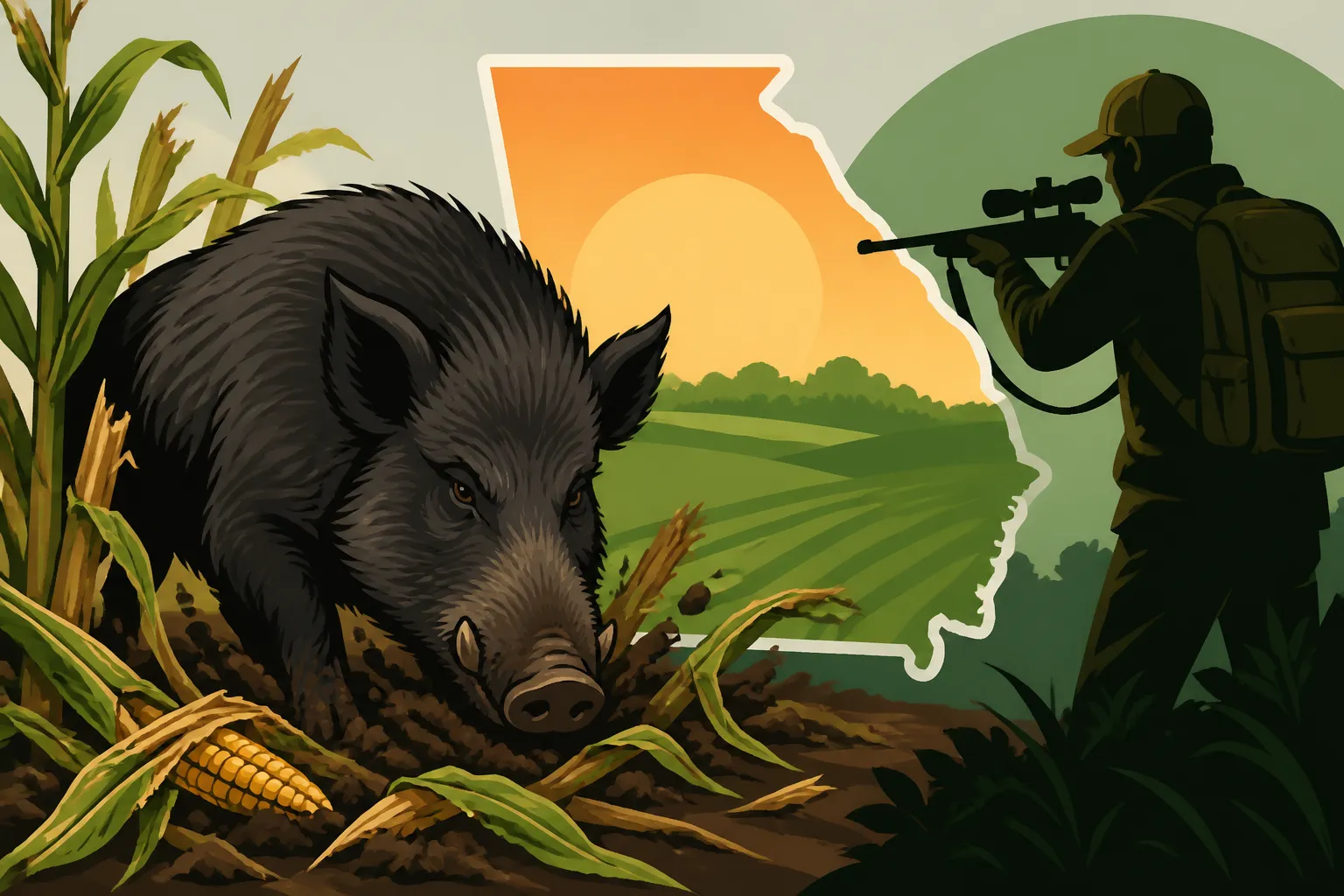
When feral hogs move into an area, they don't just graze politely. They are voracious, omnivorous, and incredibly destructive. Their primary method of feeding, known as "rooting," is like a rototiller gone wild, turning pristine fields into ravaged landscapes. They’re not just after a quick meal; they’re destroying the very ground that supports our agriculture.
Rooting for Food and Fun
Feral hogs have a strong instinct to root, using their powerful snouts to dig up soil in search of tubers, roots, grubs, and even small rodents. This rooting behavior is catastrophic for planted fields. Imagine a perfectly tilled seedbed, ready for planting, or a young crop just emerging from the soil. A sounder of hogs can come through in a single night and uproot acres of it, destroying the plants, exposing their roots to the sun, and making the ground uneven and difficult to work with farm equipment. Peanuts, sweet potatoes, and corn are especially vulnerable to this type of damage, as the hogs actively seek out the buried portions of the plants. Why Feral Hogs Spread So Fast in Georgia explains how their rapid reproduction exacerbates this problem.
Beyond just the direct damage to the crop, the rooting action itself compacts some areas while loosening others, altering the soil structure. This can lead to increased erosion, especially on sloped fields or during heavy rains, washing away valuable topsoil and nutrients. It's a double-whammy: the crop is gone, and the ground it grew in is now compromised, making future planting and growth more challenging.
Eating and Trampling: A One-Two Punch
It's not just the rooting that causes problems. Feral hogs will consume almost anything, and a ripe field of corn, soybeans, or pecans is an irresistible buffet. They will munch on young plants, mature crops, and even harvested produce left in the field. They don't eat neatly, either. They'll rip at stalks, break branches, and scatter what they don't immediately consume, making further harvesting difficult or impossible.
Perhaps just as damaging as their eating habits is their sheer presence. A group of hogs moving through a field can trample far more plants than they actually eat. Picture a dozen or more heavy hogs running through a field of ripening corn. Stalks are snapped, ears are knocked to the ground, and paths are matted down. For a farmer, this trampling represents lost yield – every flattened plant is revenue that won't be realized. This is particularly frustrating in crops like soybeans, where an entire section of a field can be flattened, making it impossible for a combine to pick up the remaining beans. This destruction isn't limited to annual crops; pecan orchards suffer when hogs root around the base of trees or devour fallen nuts.
Identifying the Damage: How to Spot Feral Hog Activity
Sometimes, the damage is so extensive it’s obvious from a distance, but often, especially in larger fields or dense cover, you might not realize the extent of the problem until you're right on top of it. Early detection is key to mitigating further losses. Georgia Feral Hog Regulations outlines some of the ways you can manage these animals on your land, but first, you need to know they're there.
Signature Signs of Destruction
Feral hogs leave behind several tell-tale signs that farmers quickly learn to dread. The most obvious is the rooting. Look for areas of disturbed soil, as if someone took a plow to your field but didn't bother with straight lines. These rooted areas will often be moist and dark, exposing the underlying soil, and can range from small patches to vast sections. In peanut fields, you might see plants completely dug up and scattered, with the developing nuts gone.
Beyond rooting, keep an eye out for tracks. Hog tracks are cloven, similar to deer, but typically rounder and wider, and often the dewclaws (side toes) will register in the mud, especially if the hog is moving quickly or carrying significant weight. They also tend to walk in a less linear fashion than deer, often zig-zagging as they root. Look for flattened paths or trails through vegetation, particularly near water sources, dense cover, or field edges. These "hog trails" often lead directly into the heart of a problem area.
Distinguishing Hog Damage from Other Wildlife
It's easy to confuse hog damage with that of other animals, especially deer or raccoons, but there are distinct differences. Deer, for instance, browse on vegetation and will nip off tender shoots or leaves, but they rarely root extensively in the soil. While deer can browse on crops like soybeans or corn, they won't typically cause the widespread, torn-up appearance that hogs do. Raccoons might pull down corn stalks to eat the ears, but their damage is usually more localized and specific to the ears, without the heavy trampling or massive rooting.
One clear indicator of hogs is "wallowing" areas – muddy depressions where hogs roll to cool off and remove parasites. These can be found near water sources or in low-lying, damp parts of fields. You might also find "rubs" on trees or fence posts, where hogs scratch themselves to remove mud or parasites, leaving behind mud or hair. A good way to scout for hog activity, or any game, is to use a mapping tool like those offered by GoHunt, which can help you identify potential travel corridors, water sources, and bedding areas where hogs are likely to congregate and cause trouble. Knowing how to identify these specific signs will help you react quickly and implement appropriate control measures.
| Type of Crop Damage | Appearance | Primary Culprit | Affected Crops (Examples) | Severity |
|---|---|---|---|---|
| Rooting | Soil deeply disturbed, turned over, resembling plowing. Plants uprooted or completely removed. | Feral Hogs | Peanuts, Sweet Potatoes, Corn, Small Grains | High |
| Trampling | Plants flattened, broken stalks, matted pathways through fields. | Feral Hogs | Corn, Soybeans, Small Grains | High |
| Consumption (Direct) | Missing fruits/nuts, chewed leaves/stalks, missing cobs. | Feral Hogs, Deer, Raccoons | Corn, Pecans, Soybeans, Peanuts | Medium to High |
| Browsing | Nipped off tender shoots, leaves, or buds. Clean cuts. | Deer, Rabbits | Soybeans, Young Grains | Low to Medium |
| Digging (Localized) | Small, isolated holes, usually around specific plants. | Raccoons, Skunks | Corn (for ears), Grub-infested areas | Low |
Mitigating the Mayhem: Strategies for Farmers and Landowners
The battle against feral hogs is ongoing, and it requires a multi-faceted approach. There's no silver bullet, but a combination of methods can significantly reduce crop damage and protect your livelihood. It’s about being proactive and persistent.
Fencing and Exclusion
While expensive, exclusion fencing is often the most effective way to protect high-value crops or smaller, vulnerable areas. Traditional barbed wire or woven wire fences are often ineffective against determined hogs, who can root underneath or push through weak spots. A robust, multi-strand electric fence is usually required. This might involve several strands of high-tensile wire, with some strands placed very low to the ground to deter rooting, and others higher to prevent jumping. Some farmers even bury the bottom wire a few inches deep to make rooting under it even harder.
The challenge with fencing is the initial cost and ongoing maintenance. Fences need to be regularly checked for breaks, especially after heavy rains or when vegetation grows up and grounds out electric lines. However, for fields consistently hit hard or for specialty crops that represent a significant investment, the cost can be justified by the reduction in losses. Consider fencing off smaller, more critical areas first before attempting to fence an entire farm.
Trapping as a Control Method
Trapping is widely considered one of the most effective methods for reducing feral hog populations, especially when done systematically. The goal is to catch as many hogs as possible from a sounder (group) at once. Large, corral-style traps are often used, designed to allow hogs to enter but not exit. Baiting a Feral Hog Trap Site is a critical step; consistent pre-baiting trains hogs to visit the site regularly, increasing the chances of a large catch. Corn is a common bait, often soured to make it even more attractive.
Modern traps sometimes incorporate smart technology, allowing landowners to monitor the trap remotely and trigger the gate closure via a smartphone app when the entire sounder is inside. This minimizes disturbance and maximizes the catch rate. Trapping requires dedication and persistence, as hogs are intelligent and can become trap-shy if not handled correctly. Working with experienced trappers or local wildlife agencies can be beneficial. Feral Hog Hunting Year-Round in Georgia is permitted, but trapping offers a more controlled, often more effective, population reduction for crop protection.
Hunting Pressure and Advanced Tactics
Hunting, especially sustained hunting pressure, plays a vital role in reducing hog numbers and can deter them from returning to damaged areas. For landowners, this can involve traditional daytime hunting, but given the nocturnal nature of many feral hogs, night hunting has become increasingly popular and effective. Technologies like thermal and night vision optics, as discussed in Thermal Hunting Georgia Hogs at Night and Thermal and Night Vision for Hog Hunting, allow hunters to locate and target hogs after dark when they are most active.
Working with experienced hog hunters or forming a hunting cooperative with neighbors can increase success rates. The key is consistency; sporadic hunting might only push hogs to a neighbor's property temporarily. Beyond traditional hunting, tactics like using dogs can be highly effective in dense cover, as explored in Running Dogs on Georgia Feral Hogs. Combining various hunting methods, coupled with trapping, creates continuous pressure that can make fields less appealing to these destructive animals. Remember, the use of a mapping tool like GoHunt can help you identify high-traffic areas and plan your hunting strategies more effectively, maximizing your efforts against these elusive pests.
The Broader Economic Ripple: Beyond Just the Field
The impact of feral hogs extends far beyond the immediate crop damage visible in a field. Their destructive habits create a ripple effect throughout the agricultural economy and even into local ecosystems, affecting everyone from the individual farmer to the broader community.
Financial Strain on Farmers
For farmers, crop damage from feral hogs isn't just an inconvenience; it's a direct hit to their bottom line. The lost yield means less product to sell, which translates to reduced income. This can be devastating for small family farms, where margins are already tight and a single bad season can be financially crippling. Beyond the direct crop loss, there are additional costs associated with managing the problem. Investing in fencing, traps, bait, and even hiring professional trappers or hunters all add to the operational expenses.
Then there's the cost of replanting or re-tilling fields, if possible, after a hog invasion. This means more fuel, more seed, more labor, and more time – resources that were already allocated elsewhere. All these factors contribute to increased production costs for the farmer, which can sometimes be passed on to consumers, or more often, absorbed by the farmer, further squeezing their profits. Georgia Deer Damage Permits for Farmers exist for deer, but the hog problem is often more widespread and less controlled.
Ecosystem Disruption and Disease Risk
Feral hogs are not native to Georgia, and their presence disrupts natural ecosystems. Their rooting behavior destroys native vegetation, alters soil composition, and can even impact the nesting success of ground-nesting birds and other wildlife. They compete with native wildlife, like deer and turkey, for food sources, potentially impacting their populations. The widespread nature of their destruction is why it's permissible to hunt Feral Hog Hunting Year-Round in Georgia.
Furthermore, feral hogs are known carriers of various diseases, including pseudorabies, brucellosis, and leptospirosis, some of which can be transmitted to livestock, domestic animals, and even humans. This poses a significant health risk to local agricultural operations, potentially leading to outbreaks that can decimate herds and incur massive veterinary costs and economic losses. The potential for disease transmission adds another layer of complexity and concern for farmers and wildlife managers alike.
Impact on Food Security and Land Values
When vast amounts of crops are consistently destroyed by feral hogs, it can have subtle but far-reaching implications for local food security. While Georgia is a major agricultural state, widespread and unchecked damage could reduce the availability of locally grown produce, potentially leading to higher prices or increased reliance on food from other regions. This vulnerability is a concern that extends beyond the farm gate.
Moreover, persistent feral hog problems can negatively impact land values, particularly for agricultural properties. A farm known for severe hog damage might be less attractive to potential buyers or command a lower price due to the inherent challenges and costs associated with managing the invasive species. This erosion of value can affect farmers' long-term financial stability and the generational transfer of agricultural land, underscoring the broad economic importance of effective feral hog management strategies across South Georgia.
Disclaimer
This article is for general informational purposes only and does not constitute professional advice. Laws, prices and regulations vary by location and change over time. Consult a qualified professional for guidance on your specific situation.