Georgia Central Bear Zone Season Rules
Navigating the complex world of Georgia hunting regulations can feel like trying to untangle a spool of fishing line after a big catch – frustrating, time-consuming, and often leaving you with more questions than answers. When it comes to something as exciting and highly regulated as bear hunting, especially in a unique area like the Ocmulgee Bear Zone, having a clear roadmap is absolutely essential. This guide is here to cut through the confusion, offering a deep dive into the specific rules, seasons, and strategies you'll need to understand for a successful and legal bear hunt in Georgia's Central Bear Zone.
Understanding Georgia's Bear Hunting Zones
Georgia's bear population, while healthy in certain areas, isn't evenly distributed across the state. This uneven spread means that managing these magnificent animals requires a nuanced approach, which is why the Georgia Department of Natural Resources (DNR) has divided the state into distinct bear hunting zones. This zonal system isn't just about drawing lines on a map; it's a critical tool for wildlife biologists to ensure sustainable populations while providing hunting opportunities.
The Why Behind Zoned Bear Hunting
The primary reason for Georgia's zoned bear hunting approach boils down to biology and conservation. Black bear populations thrive in certain habitats more than others, leading to concentrated populations in mountainous regions, sprawling swamps, and unique river bottoms. Without distinct zones, a "one-size-fits-all" regulation could lead to overharvest in areas with fewer bears or underutilization in areas where populations could sustain more hunting pressure. These zones allow the DNR to tailor season lengths, bag limits, and even hunting methods to the specific dynamics of the local bear population and its habitat. For instance, the mountain zones often have more expansive seasons due to a larger, more robust bear population, whereas a zone like the Ocmulgee might have very limited hunting days to carefully manage a smaller, yet growing, population. This thoughtful management ensures that future generations of Georgians will also have the opportunity to pursue black bear.
Differentiating the Zones: North, Central, and Southern
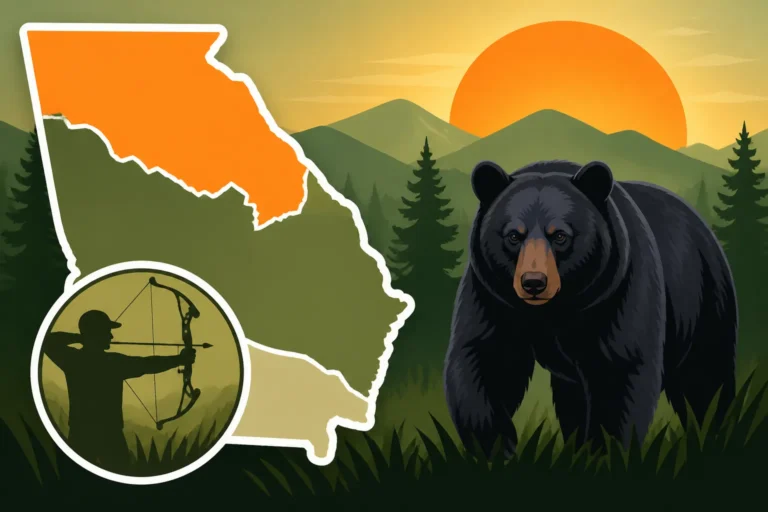
Georgia currently operates with three primary bear hunting zones, each with its own characteristics and regulations. The Northern Zone encompasses the rugged terrain of the Blue Ridge Mountains and surrounding foothills. Here, bears are relatively abundant, and the hunting season is typically longer, offering both archery and firearms opportunities. Then there's the Southern Zone, which includes the vast wilderness of the Okefenokee Swamp and the Altamaha River drainage. This area is characterized by dense swamp forests and cypress stands, providing excellent cover and food for bears. Finally, we have the Central Zone, often referred to as the Ocmulgee Bear Zone, which is our focus today. This zone is unique, centered around the Ocmulgee River and its tributaries, presenting a different set of challenges and opportunities. For a broader overview of the state's bear areas, you can explore information on Georgia's Three Bear Hunting Zones. Each zone demands a slightly different approach from hunters, not just in terms of tactics but also in understanding and adhering to the highly specific regulations governing each area.
How to Confirm Your Hunting Area
Before you even think about packing your gear, confirming that your intended hunting spot falls within the correct bear zone is paramount. The boundaries can sometimes be quite specific, following roads, rivers, or county lines. The absolute best resource for this is the official Georgia DNR website and their annual hunting regulations guide. They provide detailed maps and written descriptions of each zone's boundaries. Additionally, mapping applications designed for hunters can be incredibly helpful. Tools like GoHunt, for example, allow you to overlay public and private land boundaries with state-specific hunting zone lines, offering a clear visual reference right on your phone or computer. This feature can save you a ton of headache and ensure you're not inadvertently hunting out of season or in the wrong zone. Always double-check, because ignorance of the law is never an excuse, especially when dealing with big game regulations.
Diving Deep into the Central Bear Zone Boundaries and Geography
The Central Bear Zone, often colloquially known as the Ocmulgee Bear Zone, is a distinct and often overlooked gem in Georgia's bear hunting landscape. Unlike the sprawling mountain ranges or the vast coastal swamps, this zone is defined by its unique riverine ecosystem and the surrounding mixed agricultural and timber lands.
Specific Counties and Landmarks Defining the Central Zone
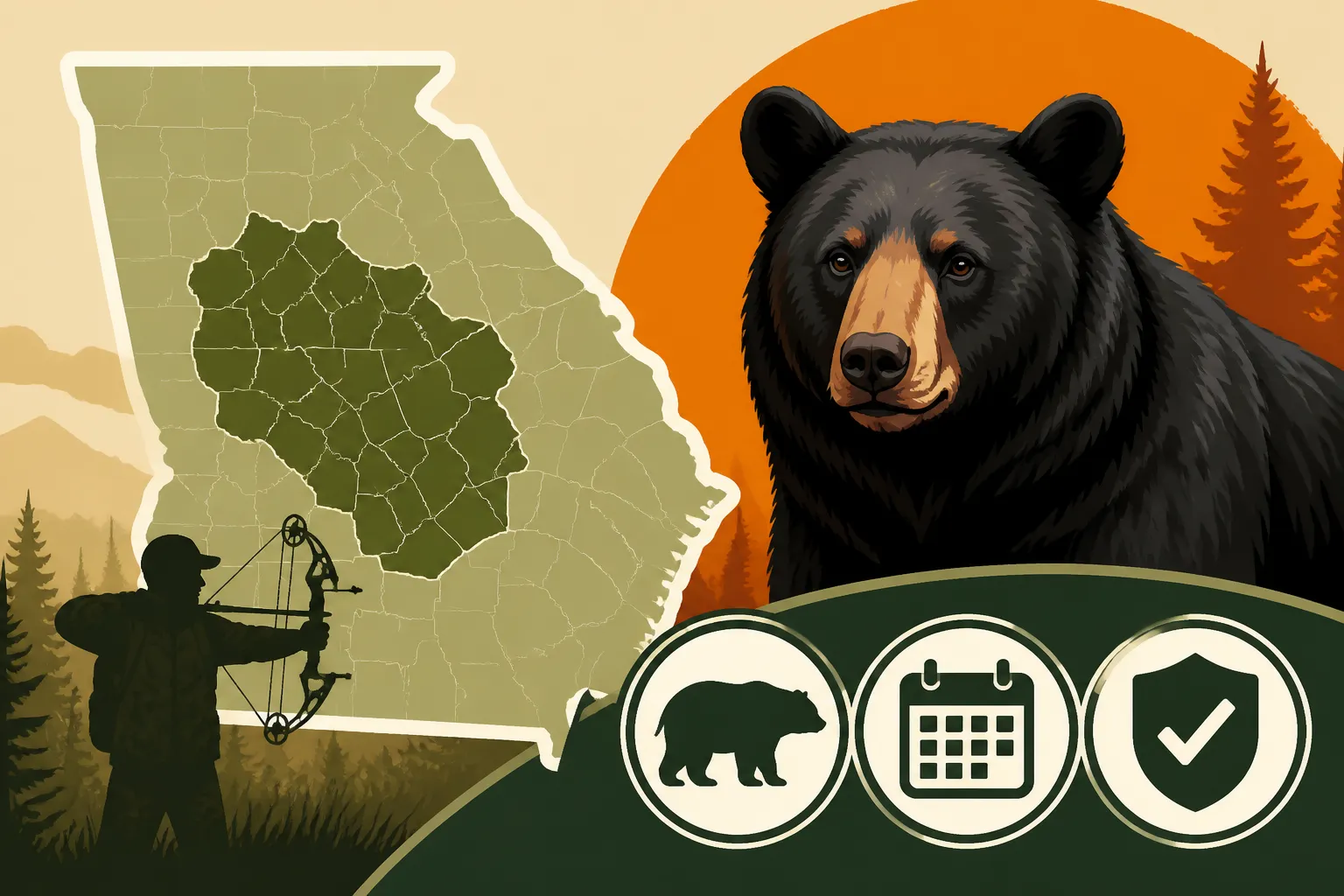
The Central Bear Zone is typically comprised of portions of several counties in Central Georgia, generally following the Ocmulgee River corridor. Historically, this zone has included parts of counties such as Bibb, Bleckley, Dooly, Houston, Johnson, Laurens, Montgomery, Pulaski, Twiggs, Wilkinson, and Wheeler. It's not the entire county, but specific sections within them, often delineated by major highways, smaller feeder rivers, or prominent land features. For instance, the boundaries might run along Interstate 16 or follow the winding path of a river like the Oconee, which eventually joins the Ocmulgee. This area is characterized by the presence of the Oconee National Forest, which offers some public hunting opportunities, as well as extensive private timber company lands and agricultural holdings. Understanding exactly Where Ocmulgee Bears Range within these counties is crucial for targeting your scouting efforts effectively. It's a patchwork, and knowing where those lines are drawn on a map is the first step to successful planning.
Habitat Types and Terrain Features
Hunting in the Central Bear Zone means getting intimately familiar with its specific habitat types. Unlike the steep slopes of North Georgia or the vast, often flooded marshes of the South, the Ocmulgee Zone is dominated by extensive river bottomland hardwoods, dense cypress-tupelo swamps, and mixed pine-hardwood forests. These low-lying areas often experience seasonal flooding, creating a dynamic environment that bears thrive in. Upland areas bordering the river bottoms are frequently composed of commercial pine plantations or agricultural fields, particularly corn, peanuts, and soybeans, which provide valuable food sources.
The terrain here is generally flat, but don't let that fool you into thinking it's easy walking. The dense undergrowth, briar thickets, and constant presence of water—from small sloughs to vast, slow-moving creeks—can make traversing the landscape physically demanding. Bears in this zone are experts at navigating this dense cover, often sticking to the thickest tangles during daylight hours. Finding natural funnels, pinch points, and dry ridges within the river bottoms becomes key to intercepting their movements.
Accessing Public and Private Land Within the Zone
Access in the Central Bear Zone is a mixed bag, requiring diligent research and often, a bit of old-fashioned legwork. While the Oconee National Forest provides some public hunting land, it's essential to understand that not all areas within the forest are open to bear hunting, or they might have specific quota hunt requirements. Wildlife Management Areas (WMAs) such as Ocmulgee WMA also offer opportunities, but these typically operate under highly restrictive quota or limited-opportunity hunts for bear. Securing a spot on one of these managed hunts usually involves an application process and may require preference points.
For many hunters in the Central Zone, private land is the primary avenue for bear hunting. This means either owning land, leasing it, or, most commonly, gaining permission from landowners. Establishing relationships with local farmers or timberland owners can unlock access to prime bear habitat, especially along the fringes of agricultural fields where bears frequently forage. Remember that posting your land is common in this region, so always ensure you have explicit, ideally written, permission before stepping onto private property. Utilizing mapping apps like GoHunt can greatly assist in identifying land ownership, which is the first step in requesting permission.
Central Bear Zone Season Dates and Permitted Methods
The Central Bear Zone is known for its highly restrictive hunting season, a stark contrast to the more open seasons found in the state's Northern and Southern bear zones. This limited window is a direct reflection of the DNR's conservative management strategy for a population that, while stable, requires careful monitoring.
Specific Season Dates for Archery and Firearms
If you're planning a hunt in the Ocmulgee Bear Zone, you absolutely cannot just show up in the woods when deer season starts. The bear season here is notoriously short, often encompassing just a few days, sometimes even just a single weekend, typically in late October or early November. These dates are subject to annual review and change by the Georgia DNR, so the crucial first step for any hunter is to consult the most current Georgia Hunting Regulations guide or the DNR's official website. You might find a brief archery-only period, a firearms period, or a combination depending on the year's specific regulations. For example, some years may see a single Saturday set aside for hunting, making scouting and preparation even more critical. These limited windows are designed to achieve a very specific harvest quota, ensuring the bear population remains healthy. Compare this to the potentially longer windows you might find for Georgia Archery Season Dates or Georgia Statewide Firearms Season Dates for deer, and you'll quickly grasp the distinct difference in strategy for bear.
Legal Weapons and Methods of Take
Understanding the legal methods of take is just as vital as knowing the season dates. For bear in the Central Zone, hunters are typically allowed to use archery equipment, modern firearms, and primitive weapons, though specific restrictions apply.
- Archery Equipment: This includes vertical bows (compound, recurve, longbow) and crossbows. It's essential that these meet the minimum draw weight and arrow/bolt specifications outlined in the statewide regulations. For instance, broadheads must have at least two cutting edges and be at least 7/8 inch wide. Understanding the nuances of Crossbow Versus Vertical Bow in Georgia is important for ensuring compliance.
- Firearms: Most common centerfire rifle calibers are legal, but shotgun slugs and muzzleloaders are also permitted. Remember that Georgia has specific rules for Georgia Legal Firearms for Deer Hunting which generally apply to bear as well, including minimum bullet diameters and projectile types. Handguns are also allowed, provided they meet specific caliber requirements, typically .30 caliber or larger, and use expanding bullets.
- Primitive Weapons: Muzzleloaders are a popular choice during the primitive weapons season. Make sure your muzzleloader is legal, meaning it's loaded from the muzzle, uses black powder or an approved substitute, and fires a single projectile. For a deeper dive into these options, consult the guide on Muzzleloaders Under Georgia Primitive Weapons Rules.
One critical statewide regulation to remember is that baiting bears is strictly prohibited in Georgia. This means you cannot place any food, garbage, or other attractants to lure bears for hunting purposes. Violating this rule carries severe penalties.
Baiting and Dog Hunting Regulations
This is where the Central Bear Zone regulations often diverge significantly from other zones and demand close attention. As mentioned, baiting for bears is illegal statewide in Georgia, regardless of the zone. This regulation is in place to promote fair chase hunting and to prevent unnatural concentrations of bears, which can lead to human-wildlife conflicts.
The use of hunting dogs for bears is another area with specific rules. While dog hunting for bears is a traditional and legal method in Georgia, it is typically restricted to specific periods within the Northern and Southern Bear Zones. In the Central (Ocmulgee) Bear Zone, the use of dogs for hunting bears is generally prohibited. This zone is managed primarily as a still-hunting opportunity, meaning hunters must rely on their tracking, stalking, and stand-hunting skills to locate and harvest a bear. This distinction is crucial for anyone planning a hunt; showing up with a pack of hounds in the Ocmulgee Zone would be a serious violation. Always confirm the most current regulations for the precise details on dog hunting allowances in any Georgia bear zone.
License Requirements and Tagging Protocols for Central Zone Bears
Before you even step foot in the Ocmulgee Bear Zone, you need to ensure all your paperwork is in order. Hunting without the proper licenses and permits isn't just a minor infraction; it can lead to hefty fines, confiscation of equipment, and loss of hunting privileges.
Necessary Licenses and Permits
Hunting bear in Georgia, including the Central Zone, requires a few key pieces of documentation. First and foremost, you'll need a valid Georgia Hunting License. Whether you're a resident or non-resident, there are various options available, from annual licenses to multi-year and lifetime permits. For a comprehensive breakdown, check out Georgia Hunting Licenses and What They Cost.
In addition to your general hunting license, you must also possess a Big Game License. This license covers the hunting of larger game animals, including deer, bear, and turkey. For bears specifically, depending on the zone and the year's regulations, you might also need a specific bear harvest record or a bear tag that needs to be validated upon harvest. It’s always best to purchase the Georgia Resident Sportsman License or a comparable package for non-residents, as these often bundle all necessary licenses and stamps for big game, small game, and even migratory birds, ensuring you’re fully covered. Make sure to understand all Georgia Big Game License Requirements before heading afield.
Mandatory Harvest Reporting and Check Stations
This is perhaps one of the most critical steps after a successful bear harvest in Georgia: mandatory reporting. Unlike deer, where you can often report online, bears harvested in Georgia's Central Zone (and all zones) often have specific, more stringent reporting requirements. Typically, harvested bears must be reported and physically taken to a designated Game Management (GM) office or check station within a specified timeframe, usually 24 or 48 hours of harvest. This is not just a formality; it's a vital part of the DNR's biological data collection.
At the check station, wildlife biologists will collect important information such as the bear's sex, weight, age (by extracting a tooth), and sometimes other biological samples. This data is invaluable for assessing the health of the bear population, understanding harvest trends, and making informed management decisions for future seasons. Failing to report a bear harvest as required is a serious violation. Always keep your hunting license and harvest record with you, as the bear will be tagged and recorded against your permit. You can find more details on Georgia Bear Checking Requirements in the official regulations.
Understanding Bag Limits and Quota Hunts
The Central Bear Zone operates under very strict bag limits and often, a quota system to carefully manage harvest numbers. Generally, the statewide bag limit for black bears is one bear per hunter per season, regardless of the zone. However, within the Central Zone, the overall harvest might be further restricted by a zone-specific quota. This means that the season could be closed early if a predetermined number of bears are harvested before the scheduled end date. Hunters must stay informed by checking the Georgia DNR's website or social media channels regularly during the season for any quota closures.
Furthermore, some public lands within the Ocmulgee Bear Zone, particularly WMAs, may offer bear hunting only through quota hunts. These are limited-entry hunts where hunters must apply for a permit well in advance, usually months before the season. Applications are often part of a lottery system, and success can be tied to preference points accumulated over several years. Being drawn for a quota hunt grants you access to specific areas during a defined period, and these spots are highly coveted due to limited availability and potentially higher success rates.
Strategic Considerations for Hunting the Ocmulgee Bear Zone
Hunting black bears in the Central Zone presents a unique set of challenges and demands a highly specialized approach. The success rate can be lower than in other zones, simply due to the limited hunting days and the dense, often difficult terrain. However, with the right strategy and preparation, it can be an incredibly rewarding experience.
Scouting and Pre-Season Preparation
Given the extremely short season in the Ocmulgee Bear Zone, pre-season scouting isn't just recommended; it's absolutely critical. You won't have time to learn the land once the season opens. Start your scouting efforts weeks, or even months, in advance. Focus on identifying key food sources that will be available during your hunt window. In the fall, this typically means hard mast like acorns (especially white oak varieties), persimmons, and any available agricultural crops like corn or peanuts in nearby fields. Bears are creatures of habit, and they will gravitate towards reliable food sources.
Look for fresh sign: scat, tracks in muddy creek beds, rubbed trees (bears will often rub against trees to mark territory or scratch an itch), and overturned logs or rocks where they've been foraging for grubs. Pay close attention to travel corridors and natural funnels within the dense river bottom habitat, such as dry ridges, old logging roads, or narrow strips of hardwoods between swamps. Utilize digital mapping tools like GoHunt to mark potential stand locations, food sources, and access points. These apps can also show you historical aerial imagery, revealing how the landscape has changed over time, which might highlight old clearcuts or dense regrowth areas that bears favor for bedding.
Adapting Tactics to the Habitat
The Ocmulgee Zone's habitat demands specific hunting tactics. Unlike open timber or mountains where long-range glassing might be effective, this zone is often about close-quarters encounters in thick cover.
- Still-Hunting: This is a highly effective method in the dense bottomlands. Move slowly, deliberately, and quietly, pausing frequently to observe and listen. Focus on areas with fresh sign, moving into the wind, and using the dense vegetation to your advantage for concealment. Patience is key; a still-hunter might only cover a few hundred yards in an hour, but those few yards are covered with intense scrutiny. You might find some transferable wisdom from the principles of Still-Hunting South Georgia Pine Flats, even though the specific habitat differs, the slow and deliberate movement principles remain.
- Stand Placement: Both treestands and ground blinds can be effective. If using a treestand, focus on pinch points, crossings, or trails leading to food sources. Choose trees that offer good concealment and a clear shooting lane, but remember that the dense canopy can limit visibility. For ground blinds, consider brushing them in meticulously along field edges, near dense cover, or overlooking natural funnels. The guide on Using a Ground Blind on Georgia Public Land can offer practical advice for setting up effectively. Due to the limited visibility, shots will likely be at shorter ranges, making archery or a shotgun with slugs a viable option. Always consider wind direction when placing your stand, as a bear's nose is its primary defense.
- Thermals and Wind: In bottomland environments, thermals play a significant role. Air often flows downhill into the bottoms in the mornings and reverses, flowing uphill, in the evenings. Combine this with prevailing winds to position yourself optimally.
Handling and Transporting a Harvested Bear
Harvesting a bear in the Ocmulgee Zone presents considerable logistical challenges. Bears are large, heavy animals, and the terrain—often wet, muddy, and thick—can make retrieval extremely difficult.
- Field Dressing: Efficient and thorough field dressing is paramount, especially in Georgia's often warm early season temperatures. Remove all internal organs quickly to promote cooling and prevent meat spoilage. Carrying a sharp, reliable field dressing knife and a bone saw can be incredibly helpful.
- Cooling the Meat: After field dressing, getting the bear meat cooled down rapidly is crucial. If you're deep in the woods, consider quartering the bear in the field to make it more manageable to transport. Game bags can help protect the meat from flies and debris. For extended retrieves, especially in high temperatures, even small amounts of ice packed around quartered meat in game bags can make a difference.
- Retrieval: Depending on the terrain, a deer cart can be useful on relatively dry, flat ground or old logging roads. However, in deep swamps or thick briar patches, simply dragging the animal out might be your only option, requiring significant physical effort, potentially with multiple hunters. Consider your extraction plan before you hunt. Know your route, and be prepared for a long, arduous haul. Always carry plenty of water, a first-aid kit, and a reliable communication device. Recovering a bear from challenging terrain, similar to Recovering a Deer From a Cypress Swamp, requires grit and preparation.
Successfully hunting a bear in Georgia's Central Zone is a testament to a hunter's dedication, skill, and respect for the regulations. It's an opportunity to connect with one of Georgia's magnificent wild creatures in a truly unique part of the state.
Here’s a quick overview of some key aspects of the Georgia Central Bear Zone:
| Feature | Details |
|---|---|
| Location | Central Georgia, primarily along the Ocmulgee River corridor. Includes portions of Bibb, Bleckley, Dooly, Houston, Johnson, Laurens, Montgomery, Pulaski, Twiggs, Wilkinson, and Wheeler counties, often encompassing parts of the Oconee National Forest. |
| Typical Season Dates | Very limited; often just a few days or a single weekend in late October/early November. Always check current GA DNR regulations for exact dates. |
| Bag Limit | One (1) bear per hunter per season. Subject to zone-specific quotas. |
| Legal Weapons | Archery equipment (bows, crossbows), modern firearms (rifles, shotguns with slugs, handguns meeting caliber requirements), and muzzleloaders. |
| Baiting | Strictly PROHIBITED statewide for bear. |
| Dog Hunting | Generally PROHIBITED in the Central (Ocmulgee) Bear Zone. This zone is typically managed as a still-hunting opportunity. |
| License Requirements | Valid Georgia Hunting License, Georgia Big Game License, and potentially a specific bear harvest record/tag. |
| Harvest Reporting | Mandatory physical check-in at a designated GA DNR Game Management office or check station within 24-48 hours of harvest. Biological data collection is required. |
| Habitat | Primarily river bottomland hardwoods, cypress-tupelo swamps, mixed pine-hardwood forests, and adjacent agricultural lands. Dense cover and often wet terrain. |
| Key Strategies | Intensive pre-season scouting for food sources (acorns, persimmons, crops), sign (tracks, scat, rubs), and travel corridors. Still-hunting and strategic stand placement (treestands, ground blinds) in thick cover. Careful attention to wind and thermals. Preparedness for challenging retrieval. |
Disclaimer
Please remember that hunting regulations are subject to change. While this guide provides a comprehensive overview based on current understanding, it is absolutely essential to consult the most recent official Georgia Department of Natural Resources (DNR) hunting regulations prior to any hunting activity. Always verify season dates, bag limits, legal methods of take, and reporting requirements directly from official DNR sources to ensure compliance.