Where Ocmulgee Bears Range
For many hunters, the idea of pursuing black bears in Georgia conjures images of the rugged North Georgia mountains or the vast expanses of the Okefenokee Swamp. However, there's another, often overlooked, and incredibly unique bear population right in the heart of the state: the Ocmulgee bears. Pinpointing exactly where these bears range can be a real challenge, leading to frustration for those trying to understand their habits and habitat within a relatively small, fragmented zone. This guide aims to unravel the mysteries of the Ocmulgee bear zone, providing an in-depth look at their range, behavior, and the distinct hunting opportunities available in this special part of Georgia.
Understanding the Ocmulgee Bear Zone Geography
The Ocmulgee bear zone isn't your typical sprawling wilderness; it's a unique patch of habitat where bears thrive amidst a mix of river bottomlands, agricultural fields, and managed forests. This area presents a distinct set of challenges and rewards for anyone looking to understand or hunt its resident black bear population.
Defining the Geographical Boundaries
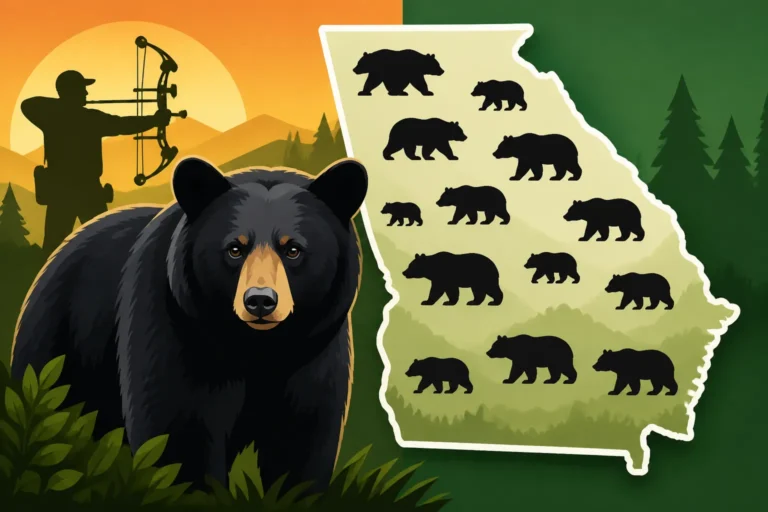
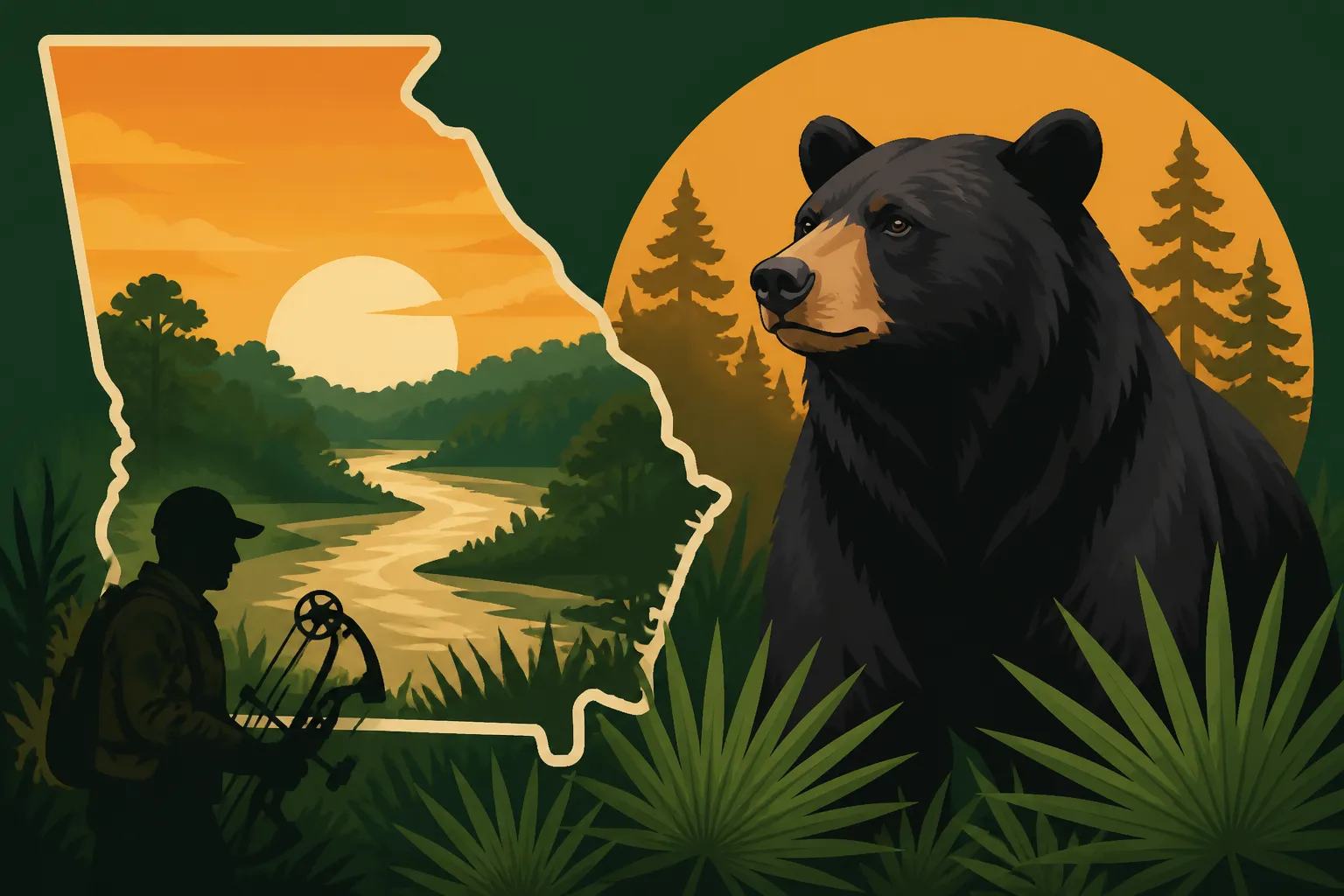
The Ocmulgee bear zone is primarily centered around the Ocmulgee River corridor in Central Georgia. Unlike the continuous mountain ranges or vast swamps, this zone is characterized by a more linear distribution, following the river and its tributaries. Key counties that often see Ocmulgee bear activity include Bibb, Monroe, Jones, Twiggs, and Houston counties, though bear sightings and movements can extend into surrounding areas. It's a patchwork landscape, with the Ocmulgee River National Historical Park serving as a significant, protected core area where bears find refuge and can move relatively undisturbed. From there, they utilize the river's extensive network of bottomlands, which provide critical cover and food resources. Knowing these geographical anchors is crucial for any hunter or wildlife enthusiast.
The boundaries are defined by the Georgia Department of Natural Resources (DNR) to manage this specific bear population, differentiating it from the larger Northern and Southern zones. These aren't always hard lines on a map that bears recognize, but they guide management and hunting regulations. For instance, the regulations around the Georgia Central Bear Zone Season Rules are specifically tailored to this region, reflecting its unique ecological characteristics and the localized nature of the bear population. It's not uncommon to find a bear in an unexpected spot just outside what you might consider the core, especially during dispersal phases or when food sources are scarce elsewhere.
Distinguishing Features of the Landscape
What makes the Ocmulgee zone so special is its blend of environments. You've got the lush, dense river swamps and hardwood bottomlands that provide fantastic cover and a bounty of natural foods, juxtaposed against vast agricultural fields of corn, peanuts, and soybeans. These cultivated lands, while seemingly less "wild," offer an irresistible buffet for bears, especially as crops mature in late summer and fall. Interspersed are pine plantations and mixed timber stands, which provide additional bedding and denning sites. This mosaic landscape means Ocmulgee bears are incredibly adaptable, often moving between thick riverine cover for safety and open fields for feeding.
The prevalence of private land here is another distinguishing feature. While the Ocmulgee National Historical Park offers a sanctuary, much of the surrounding prime bear habitat is privately owned. This requires hunters to either secure permission from landowners or focus their efforts on smaller, accessible public lands or specific quota hunts. The terrain itself can be deceptively challenging; those river bottoms can be incredibly thick, wet, and difficult to navigate, demanding specialized knowledge and gear. Unlike the steep climbs of the mountains, here you're often battling dense undergrowth and swampy conditions.
Essential Habitat Preferences for Ocmulgee Bears
Understanding where Ocmulgee bears range goes hand-in-hand with recognizing their habitat preferences. These bears are opportunists, but they consistently gravitate toward specific features that offer sustenance, security, and shelter throughout the year.
Key Food Sources
Ocmulgee bears are largely omnivores, and their diet shifts with the seasons. In the spring and early summer, they forage on succulent green vegetation, berries like blackberries and blueberries, and insects. As summer progresses into fall, their focus often turns to hard mast, particularly acorns from the abundant oak trees found in the river bottomlands. This natural bounty is critical for bears to pack on the necessary fat reserves for winter denning. You'll often find concentrated bear activity in areas with a good mast crop, and scouting for these productive oak flats is a key strategy for hunters.
Beyond natural forage, agricultural fields are massive draws. Corn, peanuts, and soybeans ripening in the fields are irresistible to bears, offering high-calorie, easily accessible food. Farmers in the Ocmulgee region often face significant challenges from bears raiding crops, and this interaction highlights the bears' reliance on agricultural landscapes for sustenance. Many serious bear hunters rely on advanced mapping tools, like those offered by GoHunt, to identify potential travel corridors and feeding areas within this complex terrain, especially where agriculture meets natural cover. If you're out looking for signs, pay close attention to field edges where bears enter and exit, often leaving distinctive tracks and broken stalks.
Prime Bedding and Denning Areas
For bedding, Ocmulgee bears prefer dense cover that offers seclusion and protection. This often includes the thickest parts of river swamps, tangled briar patches, and dense pine thickets. These areas, while difficult for humans to penetrate, offer bears a safe place to rest during the day, especially after a night of foraging in open fields. They need places where they feel secure from disturbance, which can be hard to find in a more developed area.
When it comes to denning, Ocmulgee bears exhibit a fascinating array of choices. Unlike their mountain counterparts who might favor rock crevices, these bears frequently den in hollow trees, especially large cypress or oak trees in the swampy bottomlands. They might also utilize dense brush piles, natural depressions, or even dug-out dens in thick cover. The decision often comes down to availability and security, with pregnant sows seeking the most protected spots for their cubs. Learning about Georgia Bear Denning Behavior can provide valuable insights into where these animals spend their most vulnerable periods, which can also inform hunting strategies outside of denning season. These areas are typically avoided during hunting seasons to ensure the population's health and successful reproduction.
Water Access and Travel Corridors
Water is fundamental to the Ocmulgee bear's existence, both for drinking and as a travel route. The Ocmulgee River itself and its myriad creeks, sloughs, and oxbow lakes serve as vital arteries for bear movement. Bears are excellent swimmers and will readily use waterways to travel between different habitat patches, often utilizing the dense vegetation along the banks for cover. These riparian corridors act as natural funnels, connecting otherwise fragmented pockets of habitat.
Beyond the major waterways, smaller drainages and dense cover lines often serve as crucial travel corridors between feeding areas and bedding sites. Imagine a bear moving from a secluded river swamp, through a patch of woods, to a cornfield; it will almost always choose the path of least resistance and maximum cover. These "pinch points" or natural funnels are prime locations for scouting and setting up a stand if hunting. Understanding how bears use these linear features, especially when they connect a food source to a secure bedding area, can be a game-changer for predicting their movements.
Understanding Ocmulgee Bear Behavior and Movement
The behavior of Ocmulgee bears is heavily influenced by their environment, leading to seasonal patterns and unique interactions with human activity that set them apart from other bear populations in Georgia.
Seasonal Patterns and Activity
Just like any wild animal, Ocmulgee bears have distinct seasonal patterns driven by food availability, breeding cycles, and the need for denning. In spring, after emerging from their dens, bears are primarily focused on replenishing lost weight. They'll browse on fresh vegetation and seek out any early available berries. As summer warms up, they continue to feed on soft mast and insects, but their activity often shifts to nocturnal or crepuscular (dawn and dusk) to avoid the heat and human disturbance.
Autumn is arguably the most critical period for Ocmulgee bears, as it's their hyperphagia phase – a time when they eat voraciously to build up fat reserves for winter. This is when acorns and agricultural crops become paramount. Their daily movements can be quite extensive during this time, covering significant ground between feeding areas and secure bedding. Hunters often find the most success during this period, particularly around prime food sources. Understanding When the Georgia Rut Peaks for deer is one thing, but for bears, it's all about the mast and crop cycles. Come late fall and early winter, pregnant sows will seek out den sites, and other bears will follow suit as food sources dwindle and temperatures drop, entering a period of dormancy.
Interaction with Human Activity
Living in a more developed, fragmented landscape means Ocmulgee bears have frequent, sometimes tense, interactions with humans. They are often seen by residents, sometimes wandering into suburban areas or residential properties in search of food. This is particularly true during droughts when natural food sources are scarce, or during the late summer and fall when crops are ripe. While generally shy, their opportunistic nature means unsecured trash cans, pet food left outdoors, or bird feeders can quickly become attractive nuisances.
Managing these interactions is a delicate balance. The Georgia DNR works to educate the public on coexisting with bears, emphasizing the importance of removing attractants to prevent conflicts. For hunters, this means acknowledging that the bears you're pursuing may be highly aware of human presence. They've learned to navigate roads, avoid populated areas during daylight, and quickly retreat to cover when disturbed. This often translates to nocturnal feeding patterns and extreme wariness, making them challenging quarry. When preparing for a hunting trip, tools like GoHunt can be invaluable for pinpointing property lines and identifying potential sanctuaries where bears might feel safer from human intrusion, helping hunters plan their approach more effectively.
Hunting Opportunities and Challenges
Hunting Ocmulgee bears is a unique experience, offering a limited but deeply rewarding pursuit for those willing to embrace its specific rules and conditions. The short seasons and fragmented habitat demand a precise and thoughtful approach.
Season Dates and Regulations
The Ocmulgee bear season is notoriously brief, often limited to just a few days or even a single weekend in specific areas. This contrasts sharply with the more extended seasons in the Northern and Southern zones. This brevity is a direct reflection of the smaller, more localized nature of the Ocmulgee bear population, and the DNR's conservative management approach to ensure its sustainability. Hunters must be acutely aware of these precise dates, which vary year to year, and confirm them through the official Georgia hunting regulations. The short window also means that weather conditions during those few days can have a disproportionate impact on hunting success.
Beyond the specific dates, general bear hunting regulations apply, such as the requirement for a valid hunting license and a big game license. There's usually a bag limit of one bear per season across all zones, and strict checking requirements are in place to allow the DNR to monitor harvest data. It's vital to know these rules inside and out, especially given the density of private land surrounding public access points. For a detailed breakdown of specific rules, consult the Georgia Central Bear Zone Season Rules which are tailored for this area, or understand Why the Ocmulgee Bear Season Runs Days Not Weeks compared to other parts of the state.
Strategies for Success
Hunting Ocmulgee bears demands a strategic and often patient approach. Still-hunting or stand hunting are common methods, focusing on areas where food sources intersect with dense cover. Scouting is paramount: locating fresh sign like tracks, scat, and rubbed trees near agricultural fields, acorn flats, or dense river bottom thickets is key. Given the bears' likely nocturnal patterns, setting up near major travel corridors that connect feeding areas to bedding cover can be effective, particularly at dawn and dusk.
Using trail cameras can be invaluable in patterning bear movements, helping to determine their preferred routes and times of activity. When it comes to gear, reliable optics are a must for discerning bears in low light or dense cover. Due to the generally warm temperatures even into early fall in Georgia, consider lightweight layering and plenty of insect repellent. And always, always prioritize safety: inform others of your hunting plans and carry a first-aid kit, especially when venturing into remote river bottoms. For specific hunting methods, exploring Spot-and-Stalk Tactics for Ocmulgee Bears might offer some useful perspectives, though still-hunting from a strategic position is often more practical in the dense cover.
The Role of Quota Hunts
Many of the limited public land opportunities for hunting Ocmulgee bears come through managed or quota hunts on Wildlife Management Areas (WMAs) or other special tracts. These hunts are highly coveted and require hunters to apply in advance through a lottery system. The number of permits issued is strictly controlled to manage harvest pressure and ensure the long-term health of the bear population.
Participating in a quota hunt often means you'll have access to some of the prime habitat within the Ocmulgee zone that might otherwise be inaccessible. These areas are typically managed to enhance wildlife habitat, providing excellent conditions for bears and other game. While the odds of drawing a tag can be challenging, a quota hunt offers some of the best chances for a structured, well-managed bear hunting experience in the Ocmulgee region. Always check the DNR website for application deadlines and specific WMA regulations.
Conservation Efforts and Management
The continued presence of black bears in the Ocmulgee region is a testament to ongoing conservation efforts and diligent management by the Georgia Department of Natural Resources (DNR). These efforts are crucial for sustaining a healthy, albeit smaller, bear population in a rapidly developing part of the state.
Population Monitoring and Research
The DNR actively monitors the Ocmulgee bear population through various research methods. This includes trapping and tagging bears to track their movements, estimate population size, and assess health metrics. Data from hunter harvests, including sex and age of harvested bears, also contributes significantly to understanding the population's dynamics. This scientific approach helps biologists make informed decisions about hunting seasons and bag limits, ensuring that the harvest is sustainable and doesn't negatively impact the long-term viability of the Ocmulgee bears.
Understanding Georgia Bear Harvest Trends provides a historical perspective on these populations, showing how management strategies adapt over time. The goal is not just to count bears, but to understand their reproductive success, survival rates, and genetic health. This type of intensive monitoring is particularly important for smaller, isolated populations like those in the Ocmulgee zone, which might be more vulnerable to environmental changes or disease. The data collected forms the backbone of all management decisions, allowing the DNR to react to population shifts or habitat challenges proactively.
Habitat Preservation Initiatives
Given the fragmented nature of the Ocmulgee bear zone, habitat preservation is a cornerstone of conservation efforts. Protecting critical river bottomlands, mature hardwood forests, and forested corridors is essential for allowing bears to move safely between different habitat patches. Land acquisition and conservation easements play a significant role in securing these vital areas, preventing further habitat loss and fragmentation due to agricultural expansion or urban development. Organizations often work in conjunction with state agencies to protect key tracts of land along the Ocmulgee River, safeguarding important areas for species like black bears.
Furthermore, management practices on public and private lands, such as prescribed burning and selective timber harvesting, can enhance habitat quality by promoting diverse vegetation and abundant food sources. This careful stewardship ensures that even within a human-dominated landscape, bears have access to the resources they need to thrive. These efforts are not just about bears; they benefit a host of other wildlife species that rely on healthy, interconnected ecosystems within the Ocmulgee River basin. Protecting the overall health of White-Tailed Deer Across Georgia also relies on strong habitat management, which often benefits bears simultaneously.
Future Outlook for Ocmulgee Bears
The future of the Ocmulgee bear population is a topic of ongoing discussion and action. While they face specific challenges due to their unique environment, there are also significant opportunities for growth and sustained management.
Challenges and Opportunities
One of the primary challenges for Ocmulgee bears is habitat fragmentation. As Central Georgia continues to develop, the natural corridors bears rely on for movement can be disrupted by roads, residential areas, and commercial expansion. This increases the risk of human-bear conflicts and road mortality, which can be particularly impactful on a smaller population. Climate change also presents potential challenges, altering food availability and influencing denning patterns.
However, there are also opportunities. Increased public awareness and education can reduce human-bear conflicts, helping people understand how to coexist with these animals. The continued work of conservation groups and the DNR to secure and manage habitat, particularly along the Ocmulgee River corridor, offers hope for expanding and connecting suitable bear habitat. Research into bear genetics and dispersal patterns can also inform strategies to enhance the population's resilience. Protecting and expanding green spaces around significant areas like the Ocmulgee National Historical Park will be critical for their long-term viability.
The Role of Hunters in Management
Hunters play a crucial, often unsung, role in the conservation and management of the Ocmulgee bear population. Through the purchase of hunting licenses and tags, hunters directly fund wildlife management and research efforts, providing essential financial resources for the DNR's work. This funding supports habitat improvement, population monitoring, and enforcement of wildlife laws, all of which benefit bears.
Furthermore, the harvest data collected from hunters is vital for biologists. Each bear checked provides valuable information on age, sex, and health, allowing the DNR to assess the population's status and adjust management strategies as needed. By participating in managed hunts, adhering to regulations, and reporting observations, hunters contribute directly to the scientific understanding and responsible stewardship of these animals. Hunters are often the "eyes and ears" on the ground, reporting unusual sightings or concerns that aid wildlife managers. This collaborative approach between hunters and wildlife agencies is essential for ensuring that future generations can continue to appreciate and, where appropriate, hunt Georgia's Black Bear Population.
Ocmulgee Bear Population and Zone Overview
| Feature | Description |
|---|---|
| Primary Counties | Bibb, Monroe, Jones, Twiggs, Houston, and surrounding areas. |
| Key Habitat | River bottomlands, hardwood swamps, mixed pine/hardwood forests, agricultural fields (corn, peanuts, soybeans), briar thickets. |
| Food Sources | Acorns, berries, insects, green vegetation, agricultural crops (corn, peanuts, soybeans). |
| Denning Sites | Hollow trees (especially cypress/oaks), dense brush piles, natural depressions, dug-out dens in thick cover. |
| Hunting Season | Historically very short, often a few days or one weekend. Specific dates vary annually; check current Georgia DNR regulations. |
| Bag Limit | One bear per season (statewide limit across all zones). |
| Challenges | Habitat fragmentation, human-bear conflicts, shorter hunting seasons, dense cover, private land access. |
| Opportunities | Unique hunting experience, strong conservation efforts, dedicated management, potential for population growth with continued habitat protection. |
| Management Focus | Population monitoring, habitat preservation (especially riparian corridors), public education on coexisting with bears, controlled harvest through quota hunts and limited seasons. |
Disclaimer
The information provided in this guide is for general informational purposes only and is subject to change. Hunting regulations, season dates, and specific rules are determined by the Georgia Department of Natural Resources and can be updated annually. Always consult the most current official Georgia hunting regulations before planning any hunting trip. It is the hunter's responsibility to know and obey all applicable laws and regulations.