Why Georgia Hogs Have No Closed Season
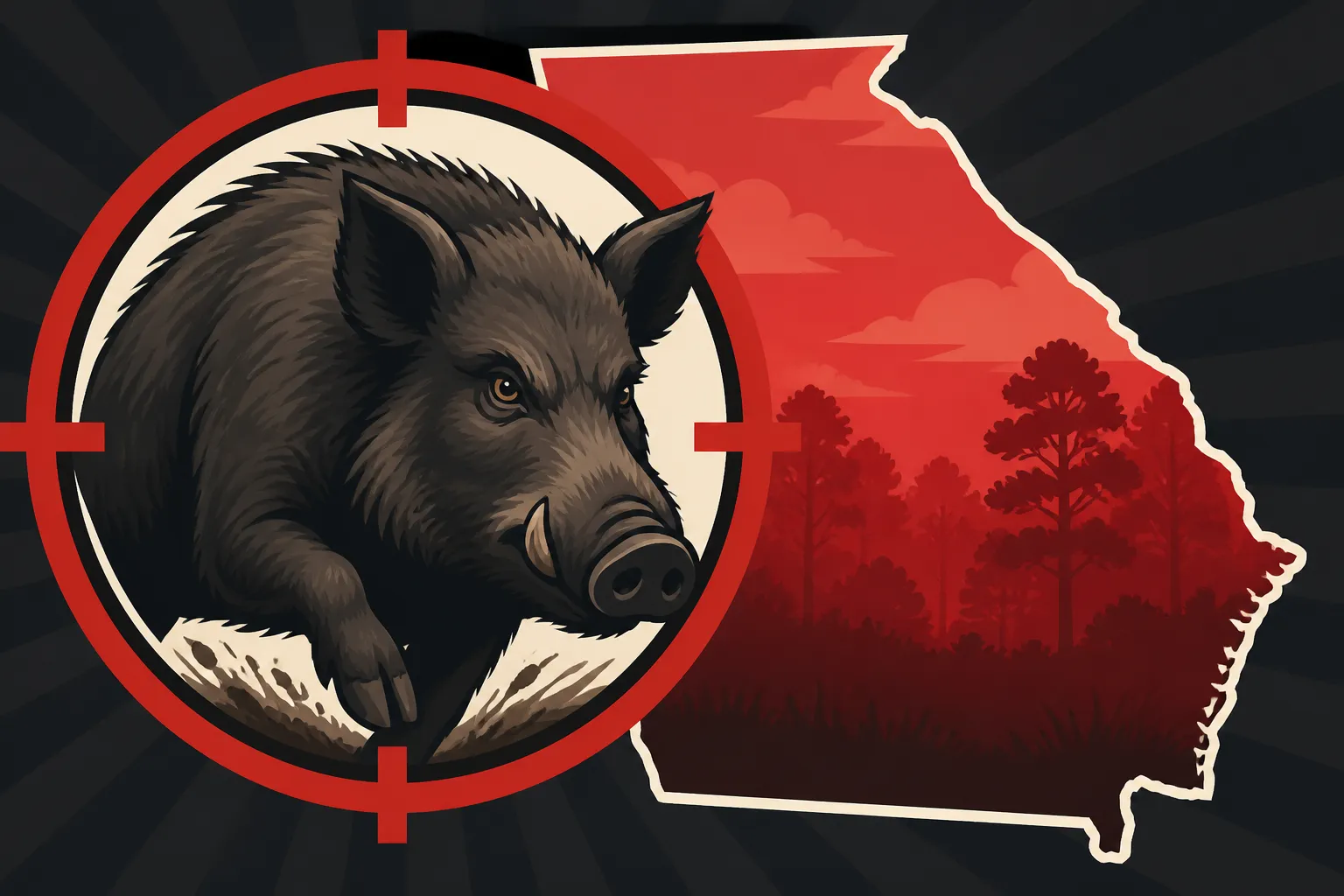
Ever scratched your head wondering why some states have complex regulations and strict seasons for popular game like deer or turkey, but when it comes to feral hogs in Georgia, it feels like the wild west? You're not alone. Many hunters, especially those new to the Peach State or visiting from elsewhere, are often surprised to learn that Georgia has no closed season for hunting feral hogs. This guide is going to peel back the layers on why that is, diving deep into the biology, impact, and state philosophy that makes year-round hog hunting not just a possibility, but a necessity here.
The Relentless Reproductive Power of Feral Hogs
The primary reason Georgia, and many other states facing similar issues, has no closed season on feral hogs boils down to one undeniable fact: their incredible ability to reproduce. These aren't just prolific breeders; they are biological machines designed for population explosion, making traditional game management strategies completely ineffective.
Unmatched Reproductive Cycles
Feral hogs are perhaps the most successful invasive mammal in North America, and it's largely due to their rapid and continuous breeding cycle. Sows can become reproductively active at an incredibly young age, sometimes as early as six months old, though typically around 8-10 months. What’s more, they don't just have one litter a year. A single sow can farrow two litters annually, and in prime conditions, sometimes even three.
Each litter typically consists of four to twelve piglets, though averages lean toward five or six. When you combine early sexual maturity with multiple large litters per year, the math quickly becomes staggering. A population can double in size in as little as four months under ideal circumstances, far outpacing any natural predation or recreational hunting efforts designed for native game species. This rapid turnover means that even if a significant number of hogs are removed, the population can quickly rebound if sustained pressure isn't applied year-round. It's a constant uphill battle against their biological imperative to multiply.
Adaptive Survival Machines
Beyond their sheer reproductive capacity, feral hogs are incredibly adaptable and intelligent animals, which further complicates control efforts. They are omnivores, meaning they'll eat just about anything – roots, tubers, acorns, agricultural crops, insects, carrion, and even small animals like fawns and turkey poults. This varied diet allows them to thrive in almost any habitat Georgia offers, from the dense swamps of the Okefenokee to the pine plantations of the Coastal Plain and the hardwood forests of the North Georgia mountains.
Their intelligence and keen sense of smell also make them incredibly elusive. They learn quickly to avoid pressure, becoming primarily nocturnal in areas with heavy human activity. They can travel vast distances in search of food or to escape danger, quickly colonizing new areas. Their thick hides and powerful bodies also make them surprisingly resilient. All these traits combined mean that simply setting a specific hunting season for them, as we do for deer or turkeys, would barely make a dent in their numbers. It would be like trying to empty a swimming pool with a teacup while the faucet is wide open.
The Devastating Trail of Destruction Feral Hogs Leave Behind
The reason Georgia takes such a liberal approach to hog hunting isn't just about managing a population; it's about mitigating a catastrophic level of damage. Feral hogs aren't just a nuisance; they are an ecological disaster and a significant economic threat, impacting everything from farmers' livelihoods to native wildlife habitats. Understanding this profound impact is key to understanding the state's year-round hunting stance.
Agricultural Losses and Economic Strain
For Georgia's farmers, feral hogs are a constant, destructive force. These animals cause immense damage to a wide variety of crops, including corn, soybeans, peanuts, pecans, and even specialty produce. They root up fields looking for food, trampling crops, and contaminating harvests. Imagine a farmer investing countless hours and resources into a peanut crop, only to have a sounder of hogs come through overnight and destroy acres of it. The financial losses can be staggering, often extending to damage to irrigation systems, fences, and farm equipment.
The United States Department of Agriculture (USDA) estimates that feral hogs cause billions of dollars in damage annually across the country, and Georgia certainly bears a significant portion of that burden. This economic strain isn't just felt by large agricultural operations; it impacts small family farms and local economies. It directly affects food prices and the overall stability of Georgia's vital agricultural sector. Hunters who pursue these animals year-round are, in a very real sense, helping to protect the state's agricultural backbone.
Ecosystem Engineers of Destruction
Beyond agriculture, feral hogs are devastating to Georgia's natural ecosystems. Their incessant rooting activity, which is essentially tilling the soil with their snouts, destroys native vegetation, uproots tree seedlings, and alters soil composition. This leads to increased erosion and makes it difficult for desirable plant species to grow, often facilitating the spread of invasive plants.
Furthermore, feral hogs compete directly with native wildlife for food resources, especially critical mast crops like acorns, which are vital for deer, bear, and turkey. They also actively prey on ground-nesting birds, like quail and turkeys, consuming their eggs and even the young poults. Even more concerning, they are known predators of white-tailed deer fawns. This predation pressure can significantly impact the recruitment rates of other game species that hunters cherish. The cumulative effect is a significant reduction in biodiversity and a measurable decline in the health of forest and wetland habitats across the state. In many areas, wildlife managers spend considerable time and resources on Habitat Work on Georgia WMAs to counteract the damage these animals inflict.
Disease Vectors Posing Serious Threats
One of the less visible, but equally serious, threats posed by feral hogs is their role as vectors for numerous diseases that can affect livestock, wildlife, and even humans. They carry and spread diseases like pseudorabies, swine brucellosis, and leptospirosis. While pseudorabies typically doesn't affect humans, it can be fatal to dogs and other mammals, and it devastates domestic hog operations. Swine brucellosis can cause reproductive failure in livestock and is a zoonotic disease, meaning it can be transmitted to humans.
Perhaps the most significant concern currently is the potential for feral hogs to carry and spread African Swine Fever (ASF). While ASF has not yet been detected in the United States, its introduction would be catastrophic for the domestic pork industry. Feral hogs, moving freely across the landscape, would make containment of such a disease incredibly difficult, if not impossible, were it to arrive. This disease risk alone is a powerful incentive for state agencies to encourage year-round control, emphasizing the need for robust management outlined in Georgia Feral Hog Regulations.
Georgia's All-Out Offensive: Liberal Hunting Regulations
Given the severe biological and ecological challenges posed by feral hogs, Georgia's Department of Natural Resources (DNR) has adopted a very aggressive and liberal regulatory framework. Their approach is simple: encourage removal by any legal means, any time of year, with very few restrictions, especially on private land.
No Closed Season or Bag Limits
The cornerstone of Georgia's feral hog management strategy is the complete absence of a closed season or bag limit. Unlike deer, where you have specific archery, primitive weapons, and firearms seasons, or turkeys with their spring limits, you can hunt hogs 365 days a year. There are no restrictions on how many you can harvest in a day or a season. This flexibility is critical for landowners and hunters who are actively trying to control populations.
This policy reflects the DNR's view that feral hogs are an invasive species, not a game animal to be managed for sustainable harvest. They are seen as pests that need to be eradicated or at least severely reduced wherever possible. This "no holds barred" approach empowers hunters and landowners to take action whenever and wherever hogs are found, without needing to consult a calendar or count their harvest. It's truly an "opportunity meets preparedness" situation, making it easier for hunters to contribute to the cause.
Permitted Methods of Take
Georgia offers a wide array of legal methods for taking feral hogs, reflecting the urgency of the issue. You can use most legal firearms for deer hunting, including rifles, shotguns (with appropriate ammunition), and pistols. Archery equipment, including traditional bows and crossbows (which have specific rules regarding Crossbow Versus Vertical Bow in Georgia during certain seasons for other game, but are generally open for hogs), is also permitted.
Perhaps one of the most effective and popular methods for serious hog hunters is night hunting, often employing thermal or night vision optics. Georgia allows the use of artificial lights, thermal imaging, and night vision technology to hunt hogs, a privilege not extended to most other game species. This is particularly effective because hogs are often most active after dark, especially when pressured. You can learn more about this effective strategy in our guide on Thermal Hunting Georgia Hogs at Night. Additionally, trapping is a highly effective method, especially for removing entire sounders, and running dogs on them is also a common practice, particularly in parts of South Georgia. The wide range of methods ensures hunters can choose the most effective approach for their specific situation and terrain.
Focus on Private Land and Landowner Rights
While feral hogs can be hunted on many Wildlife Management Areas (WMAs) and National Forest lands during specific open hunting seasons for other game, the primary battleground for hog control is private land. Georgia's regulations strongly support landowners in their efforts to remove these destructive animals. A landowner, or anyone with a landowner's permission, can take hogs at any time of day or night, using any legal method of take, without a hunting license on their own property. This removes significant bureaucratic hurdles, allowing immediate and continuous action.
This emphasis on private land control means that if you're looking to hunt hogs regularly, securing access to private property is often your best bet. Many farmers and landowners are desperate for help with hog control and are often willing to grant hunting permission. Tools like GoHunt can be invaluable resources when scouting potential private land opportunities, helping you visualize property boundaries and identify areas that might be experiencing hog issues. It helps both landowners and hunters connect, making the process of finding willing property owners a bit smoother.
Seizing the Opportunity: Year-Round Hog Hunting for You
The liberal regulations surrounding feral hog hunting in Georgia aren't just a grim necessity; they also present unique and abundant opportunities for hunters. Unlike most game species that are confined to specific seasons, hogs offer a chance to be afield almost any day of the year. This opens up new avenues for recreation, skill development, and simply more time spent in the outdoors.
Integrating Hog Hunts into Other Seasons
One of the most practical benefits of the year-round hog season is the ability to integrate hog hunting into your pursuits of other game. If you're out archery hunting for deer in September, and a sounder of hogs walks by your stand, you're perfectly legal to harvest one. The same applies during Georgia's Long Firearms Deer Season or even during Spring Turkey Hunting in Georgia. This means your time in the woods can be doubly productive.
Many hunters will carry a hog tag or simply ensure their license covers them for any accidental hog encounters while focused on deer or turkey. It adds an exciting, unpredictable element to an otherwise focused hunt. Imagine the thrill of bagging a mature buck only to have a large boar wander into range later that same day. This synergy makes every trip to the woods a potential hog hunt, no matter what your primary target might be. It truly embodies the spirit of Hunting Hogs Alongside Any Other Georgia Season.
Specialized Hog Hunting Tactics
While incidental harvests are common, many hunters dedicate entire trips specifically to hog hunting, taking full advantage of the liberal rules. Night hunting with thermal or night vision equipment has become incredibly popular and effective. The ability to hunt when hogs are most active, often under the cover of darkness, provides a significant advantage. This requires specialized gear, but the investment often pays off in exciting and productive hunts.
Trapping is another highly effective method, especially when targeting entire sounders. Advanced traps, often utilizing cellular cameras and remote triggers, allow hunters to capture multiple hogs at once. Running dogs on hogs, a tradition with deep roots in the South, is also a highly effective and action-packed way to pursue these animals. This method often involves specialized dog breeds and protective gear for the dogs, but it can be incredibly successful at locating and containing hogs in dense cover. For those interested in this more active approach, our guide on Running Dogs on Georgia Feral Hogs offers a deeper dive into the tactics and requirements.
Finding Year-Round Hog Hunting Opportunities
With no closed season, the challenge isn't when to hunt hogs, but where. As mentioned earlier, private land offers the most consistent opportunities, especially with landowner permission. Farmers and timber companies are often eager for help. Don't be shy about Knocking on Doors in South Georgia Farm Country or reaching out to local landowners; many are severely impacted by hog damage and welcome ethical hunters. Resources like the GoHunt app can assist by showing property lines and landowner information, making it easier to identify potential contacts for permission.
Public lands, primarily Georgia's Wildlife Management Areas (WMAs) and the Chattahoochee-Oconee National Forest, also offer opportunities, though they are usually restricted to the legal methods and seasons for other game species (e.g., if it's archery season for deer, you can only hunt hogs with archery equipment). Always check the specific regulations for the WMA you intend to hunt, as rules can vary. Some WMAs may have specific quota hunts or special regulations for hogs, so it's always best to consult the Georgia DNR's current regulations guide or their Go Outdoors Georgia platform. Utilizing tools like GoHunt for scouting public lands can help you locate areas with potential hog sign and understand terrain features that might concentrate hogs, enhancing your chances of a successful year-round hunt.
Feral Hog Hunting Methods and Regulations at a Glance
To help you get a quick overview of what's allowed and what makes Georgia's hog hunting unique, here's a table summarizing key aspects:
| Feature | Georgia Feral Hog Regulations | Typical Georgia Game Species (e.g., Deer) |
|---|---|---|
| Season | No closed season – Year-round hunting permitted. | Fixed seasons (Archery, Primitive Weapons, Firearms), often with specific opening and closing dates. |
| Bag Limit | No bag limit – Unlimited harvest. | Strict bag limits (e.g., 12 deer per season, including 2 antlered bucks). |
| Hunting Hours | Day or night permitted (with legal methods). | Typically half-hour before sunrise to half-hour after sunset. Night hunting generally prohibited. |
| Methods of Take | Most legal firearms (rifles, shotguns, pistols), archery, crossbows, trapping, dogs. Artificial lights, thermal, and night vision allowed at night. | Legal firearms (specific calibers/types), archery, crossbows (specific seasons/rules). Artificial lights, thermal, night vision generally prohibited. |
| Private Land Hunting | License not required for landowners/those with permission on private land. | License (and big game license/harvest record) required for all hunters, even on private land, unless specific landowner exemptions apply (e.g., on own property without license to hunt for food). |
| Public Land Hunting | Generally restricted to methods and seasons open for other game, unless specific WMA rules allow otherwise. Check WMA regulations. | Restricted to specific methods and seasons designated for the WMA or National Forest. |
| Reason for Regulation | Invasive species control, mitigation of agricultural and ecological damage, disease prevention. | Game species management for sustainable populations, recreational hunting opportunities, conservation. |
This table clearly illustrates the stark differences in how Georgia approaches feral hogs compared to native game animals, all stemming from the urgent need to control this destructive invasive species.
Disclaimer
Please remember that hunting regulations can change. Always consult the latest Georgia Department of Natural Resources (DNR) hunting regulations guide before heading afield to ensure you are compliant with all current laws and specific area regulations. This information is for general guidance only and should not replace official state publications.