Booking a Guided Plantation Quail Hunt
Finding prime quail habitat and the wild birds that call it home can be a real challenge in today's Georgia landscape, leaving many hunters frustrated by sparse flushes and long, unproductive days. If you've been dreaming of that quintessential Southern quail hunt, complete with expertly trained dogs and knowledgeable guides, a guided plantation hunt might be exactly what you need to experience the thrill of covey after covey rising before you. This comprehensive guide will walk you through everything you need to know about booking and enjoying a guided quail hunt on Georgia's renowned plantations.
Why Choose a Guided Plantation Quail Hunt?
Let's be honest, the romance of a classic bobwhite quail hunt is something many of us grew up hearing about or seeing in old sporting magazines. But the reality of finding wild birds on accessible land can be a stark contrast to those nostalgic images. That's where a guided plantation hunt truly shines, offering an experience that often exceeds expectations by removing many of the common hurdles.
The Appeal of a Classic Quail Experience
There’s something truly special about walking through perfectly manicured pine woods and open fields, knowing that at any moment, a covey of explosive bobwhites could erupt at your feet. For many, this isn't just about bagging birds; it's about connecting with a heritage, enjoying the symphony of barking pointers, and immersing yourself in a tradition that feels almost lost in other settings. These plantations meticulously manage their habitat, often featuring prescribed burns, thinned pine stands, and diverse native grasses that are ideal for quail. This isn't just a hunt; it's a step back in time, allowing you to relive the glory days of quail hunting that are increasingly rare in public or unmanaged private lands. It's the kind of experience that makes you understand why so many people talk about Quail Hunting Georgia Plantation Country with such reverence.
Beyond the sheer number of birds, the environment itself is a draw. You're typically surrounded by stunning landscapes, often with historic lodges and an atmosphere of Southern hospitality that makes the entire trip feel like a luxurious escape. This level of curated experience is hard to replicate on your own, especially if you're not intimately familiar with the region or don't have access to large tracts of privately managed land. The focus is squarely on the quality of the hunt and the enjoyment of the moment, rather than the exhaustive scouting and planning usually involved in chasing wild birds.
Benefits of Professional Guides and Well-Trained Dogs
One of the absolute biggest advantages of a guided plantation hunt is the expertise of the professional guides and their incredible dogs. These guides aren't just folks who know how to shoot; they're seasoned outdoorsmen and women who understand quail behavior, habitat, and the intricate dance of a successful hunt. They know exactly where the birds are likely to be holding, how to approach a covey, and how to position hunters for the best shots. Their intimate knowledge of the property drastically increases your chances of consistent bird encounters, taking the guesswork out of the equation for you.
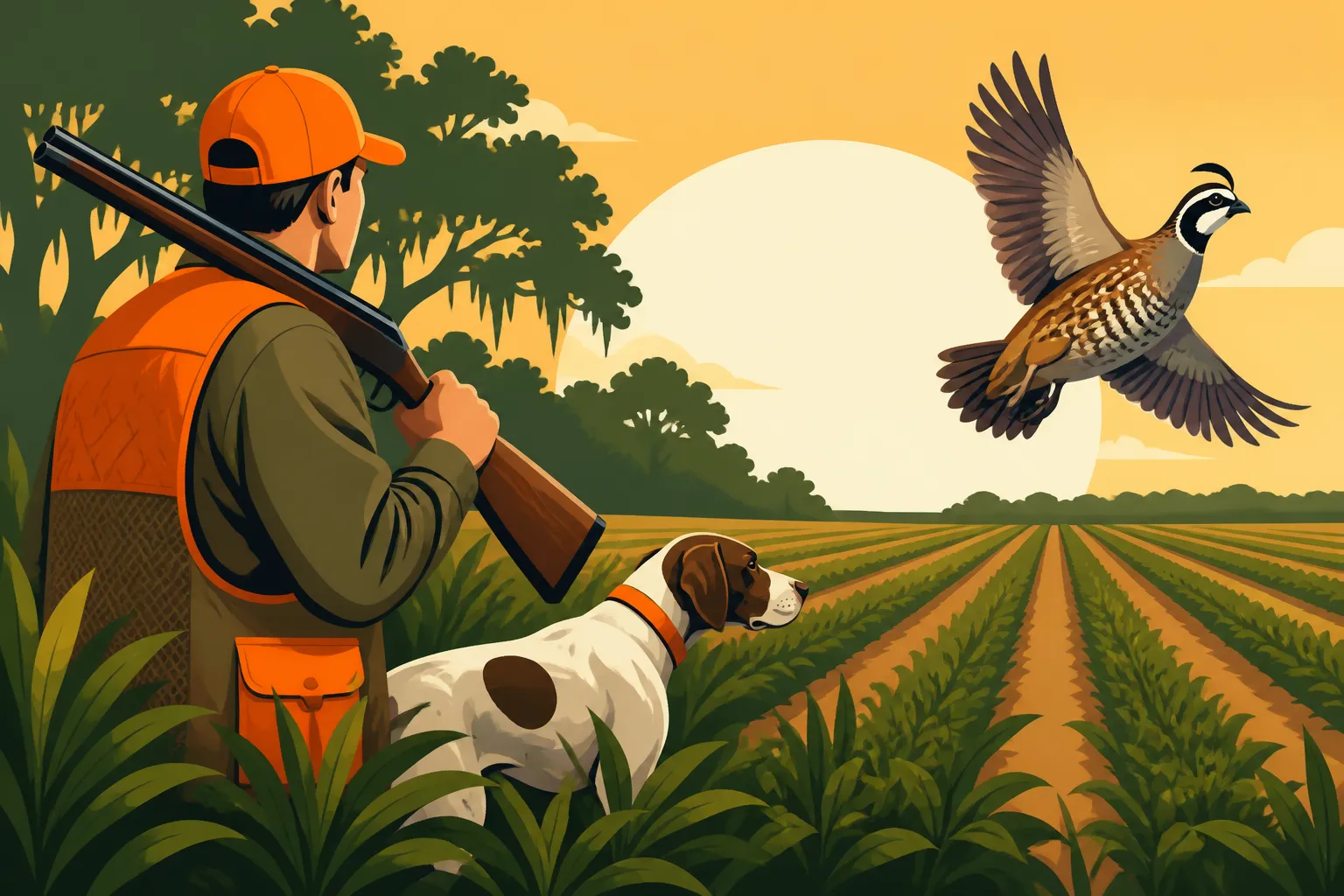
And then there are the dogs – these aren't just pets; they're highly trained athletes, often English Pointers, Setters, or Brittany Spaniels, bred and conditioned specifically for quail hunting. Watching a well-trained pointer lock up on a covey, tail rigid, nose to the wind, is an art form in itself. These dogs work tirelessly, covering ground efficiently, locating birds that you would undoubtedly walk past, and holding steady until you're in position. They are the heart and soul of the plantation hunt, and their performance truly elevates the experience. Many plantations, like those near Albany or Thomasville, pride themselves on their kennels, ensuring that every hunt features top-tier canine partners. If you've ever tried Working Pointing Dogs on Wild Georgia Quail on your own, you'll immediately appreciate the difference a professional dog makes.
Access to Prime, Managed Habitat
Let's face it, the decline of wild bobwhite quail populations across the Southeast has been a tough pill to swallow for many hunters. While some excellent recovery efforts are underway, finding truly prolific wild quail habitat can be a needle in a haystack. This is where Georgia's quail plantations step in, providing meticulously managed lands specifically designed to cultivate and sustain robust quail populations. These operations invest heavily in habitat management, using techniques like prescribed fire, selective timber thinning, and planting beneficial cover crops to create the ideal environment for quail to thrive. This dedicated approach means that when you book a hunt, you're stepping onto ground where the primary goal is healthy, abundant quail.
You're not just getting access to land; you're getting access to a living ecosystem tailored for quail. Many of these plantations release pen-raised birds to supplement their wild populations, especially for hunts early in the season or during periods of high demand, ensuring a consistent and exciting experience. However, the best plantations often boast strong wild bird populations too, providing a blend of challenging and rewarding shooting opportunities. This kind of managed abundance is a stark contrast to the hit-or-miss nature of Hunting a Managed Quail Plantation that relies solely on wild birds. The sheer scale of these properties, often thousands of acres, provides ample space for birds to range and coveys to flourish, giving you a genuine feel for what quail hunting used to be like in its golden age.
What to Look for in a Georgia Quail Plantation
With numerous quail plantations scattered across South Georgia, choosing the right one can feel a bit overwhelming. It's not just about picking the first one you find; it's about matching the plantation's offerings with your expectations, budget, and desired experience. Doing a little homework upfront will pay dividends in the long run.
Researching Reputable Operations
The first step in planning your dream hunt is to thoroughly research reputable plantations. Georgia, particularly the southwestern region around Thomasville and Albany, is famous for its quail plantations, many with decades or even centuries of history. Start by looking for established operations with a long track record of satisfied clients. Online reviews, testimonials, and articles in reputable hunting publications can be excellent resources. Websites like GoHunt might offer directories or reviews of various operations, giving you a good starting point for comparison. Look for plantations that emphasize their habitat management practices, the quality of their dog kennels, and the experience of their guides.
Don't be shy about calling and speaking with the plantation manager or booking agent directly. Ask specific questions about their hunting style, the average number of covey flushes per day, and what measures they take to ensure a safe and ethical hunt. It's also a good idea to inquire about their bird populations—do they primarily hunt wild birds, or do they supplement with released birds? Transparency is key. A reputable operation will be happy to answer all your questions and even provide references if requested. This kind of due diligence helps you differentiate between a top-tier experience and something less polished.
Understanding Package Inclusions and Costs
Quail hunt packages vary widely, and understanding what's included in the price is crucial to avoid surprises. Most plantations offer all-inclusive or semi-inclusive packages. An all-inclusive package often covers guiding services, dogs, ammunition, meals, lodging, bird cleaning, and sometimes even transportation around the property. Semi-inclusive packages might offer the hunt itself but require you to arrange your own lodging or meals. Always confirm exactly what you're paying for and what additional costs you might incur, such as licenses, gratuities for guides and kennel staff, or optional activities.
| Package Feature | Typically Included | Often Extra Cost |
|---|---|---|
| Guided Hunt & Dogs | Yes | |
| Ammunition | Often | Sometimes |
| Meals (Breakfast/Lunch) | Often | |
| Lodging | Often | |
| Bird Cleaning & Packaging | Often | |
| Non-alcoholic Beverages | Often | |
| Alcoholic Beverages | Yes | |
| Hunting License | Yes | |
| Gratuities | Yes | |
| Shell Bag / Vest | Sometimes | |
| Gun Rental | Sometimes | |
| Airport Transfers | Sometimes |
The cost per hunter can range significantly, from a few hundred dollars for a half-day hunt to several thousand for multi-day, luxury experiences. Consider your budget and what level of luxury and service you desire. Some plantations offer exclusive booking for private groups, while others might combine smaller parties. Knowing your group size and preferences will help narrow down the options. Remember to factor in the cost of your Georgia hunting license, which is a non-negotiable requirement for any hunt in the state. You'll need to research Georgia Hunting Licenses and What They Cost and purchase it beforehand.
Location, Lodging, and Logistics
Georgia's quail country is primarily concentrated in the southwestern and south-central parts of the state. Major hubs include Thomasville, Albany, and Camilla. Consider how you'll get there and what the travel time will be. Many plantations are in rural areas, so plan your route accordingly. Some higher-end operations might even offer airport pickup services from regional airports like Tallahassee International (TLH) or Southwest Georgia Regional Airport (ABY).
Lodging is another significant aspect. Many plantations boast stunning, historic lodges that are part of the overall experience, offering comfortable rooms, communal dining areas, and a true taste of Southern charm. Some might have more rustic cabins, while others might recommend nearby hotels or bed and breakfasts if they don't offer on-site accommodations. Always verify the lodging situation and ensure it meets your comfort requirements. For example, if you're looking for a secluded getaway with your hunting party, confirm if the lodge offers private wings or exclusive use. Logistics also include transportation during the hunt itself. Most guided quail hunts involve traversing the property via custom-built jeeps or buggies, often pulling dog boxes, for comfortable travel between hunting areas. Confirming these details helps paint a complete picture of your trip.
The Booking Process and Key Considerations
Once you've done your research and picked a few potential plantations, it's time to initiate the booking process. This usually involves a few straightforward steps, but paying attention to the details will ensure a smooth and enjoyable trip.
Timing Your Reservation
Quail hunting season in Georgia typically runs from mid-November through late February or early March, with specific Georgia Wild Quail Season Dates. The prime booking window for the most desirable dates, especially weekends and around holidays, often opens six months to a year in advance. If you have specific dates in mind, it's highly advisable to book as early as possible. Many popular plantations have loyal clientele who re-book year after year, so slots fill up quickly.
Consider the time of year you want to hunt. Early season hunts (November-December) often have lush cover and can be warmer, requiring appropriate clothing like those discussed in Warm-Weather Clothing for Georgia Hunters. Later season hunts (January-February) often mean cooler weather, sparser cover, and potentially more challenging birds that have already been hunted. Each period offers a different feel. If you're flexible with your dates, you might find more availability or even better rates during weekdays or less popular times. Don't hesitate to ask the plantation about their cancellation policies and deposit requirements, as these can vary significantly.
Preparing for Your Hunt
Preparation is key to a successful and enjoyable hunt. First and foremost, ensure your Georgia hunting license and any necessary migratory bird permits (if applicable for other species) are purchased and valid before you arrive. You can often do this online through the Georgia Department of Natural Resources Go Outdoors Georgia website. Next, consider your gear. While many plantations provide ammunition, you might prefer to bring your own, especially if you have a preferred load for your shotgun. For shotguns, a 12-gauge or 20-gauge with light game loads (like 7.5 or 8 shot) is standard. If you need a gun, many plantations offer rentals, but always confirm availability and cost. Remember to bring your own eye and ear protection.
Appropriate clothing is vital. Even in winter, South Georgia can experience mild temperatures, but mornings can be chilly, so layering is a good strategy. Durable, brush-resistant pants or chaps are highly recommended for walking through briars and thick cover. Comfortable, broken-in snake boots or snake-proof gaiters are an absolute must due to the prevalence of venomous snakes, even in colder months. This is especially true if you plan on extended walks, as mentioned in Snake Boots for Coastal Plain Walking. Don't forget a good upland vest or shell bag to carry shells, water, and perhaps a small snack.
Etiquette and Expectations on a Guided Hunt
When you arrive at a guided plantation hunt, remember that you are a guest in a well-oiled operation. Listen carefully to your guide's instructions regarding safety, gun handling, and how to approach the dogs and coveys. Their guidance is paramount for a safe and productive hunt. Typically, the guide will position you and any hunting partners (often two hunters at a time behind the dogs) to ensure safe shooting lanes. When birds flush, shoot responsibly and be mindful of your fellow hunters and the dogs.
Communication with your guide is essential. If you're struggling with your shooting, feeling tired, or have any concerns, speak up. They are there to make your experience enjoyable and can offer tips or adjust the pace. Respect the dogs; they are working animals, and their focus should not be disturbed. After the hunt, it's customary to tip your guide and any kennel staff who assisted with the dogs. A general guideline is 15-20% of the hunt's value for the guide, and a smaller amount for kennel staff if they provided direct service. This simple gesture acknowledges their hard work and expertise.
Maximizing Your Guided Hunt Experience
You've invested your time and money into this fantastic experience, so let's talk about how to get the most out of every moment on your guided quail hunt. It's more than just pulling the trigger; it's about appreciating the entire orchestrated event.
Gear and Clothing Recommendations
While we touched on this briefly, let's dive deeper into gear. For your shotgun, a 20-gauge is often preferred by many experienced upland hunters for its lighter recoil and easier swing, especially during a full day of shooting. However, a 12-gauge is perfectly acceptable. Regardless of gauge, ensure it fits you well. You might consider an over/under or side-by-side for the classic aesthetic, but a semi-automatic or pump shotgun works just fine. When it comes to ammunition, bring enough for a full day, typically 3-5 boxes of shells per hunter, depending on your shooting prowess. Many plantations offer Shotguns for Georgia Quail and Dove for rent if you don't want to travel with your own.
Layering is truly your friend in Georgia's changeable weather. Start with a moisture-wicking base layer, add a fleece or wool mid-layer for warmth, and top it with a durable, brush-resistant outer shell. For bottoms, canvas or thick synthetic pants with briar-proof facings are invaluable. You’ll be walking through fields and thickets, and regular jeans simply won’t cut it. Brands like Filson, Orvis, and Browning offer excellent upland hunting apparel that stands up to the abuse. Remember a good hat for sun protection and eyewear to protect against stray shot and brush. A comfortable, supportive pair of hunting boots, preferably waterproof and snake-proof, will make your long walks far more enjoyable. Beyond just safety, having the right gear like those discussed in Upland Guns for Quail Plantation Walks can significantly enhance your comfort and performance in the field.
Understanding the Role of the Guide and Dogs
Truly appreciating your guided hunt means understanding the critical roles played by your human and canine companions. Your guide is more than just someone who drives the buggy; they are orchestrating the entire hunt. They read the land, understand wind direction, and anticipate bird movement. When a dog goes on point, pay attention to the guide's signals. They will direct you on where to stand, when to move, and when to expect the flush. Often, they want you to walk past the dog and then move to flush the birds yourself, but this varies. Trust their judgment, as their experience on that specific property is invaluable.
The dogs are the stars of the show, and respecting their work is paramount. Watch how they quarter the fields, how their bodies stiffen on point, and how they retrieve downed birds. They are finely tuned athletes. Avoid calling to them or interfering with their commands from the guide. Appreciate the intense training and dedication that goes into producing such skilled hunting companions. Observing the dogs can also teach you a lot about Working a South Georgia Quail Covey Rise and how birds behave in different types of cover. A good guide will also be happy to share insights into the dogs' lineage, training, and quirky personalities, enriching your appreciation for these incredible animals.
Post-Hunt Logistics and Gratitudes
After the hunt, the experience isn't quite over. Most plantations will take care of cleaning and packaging your birds. This usually happens back at the lodge or in a dedicated cleaning facility. The birds are typically breasted out, but some operations might offer whole birds. They'll often be vacuum-sealed and ready for your cooler for the trip home. Confirm these details beforehand, especially if you have specific preferences for how your game is handled. It's always a good idea to bring a quality cooler with plenty of ice to transport your precious bounty safely.
As mentioned earlier, gratuities are a significant part of appreciating the service you've received. Your guide, the bird dog handlers (if different from the guide), and even the lodge staff all contribute to your overall experience. A cash tip is usually preferred and can be given directly to the individuals. Many hunters tip 15-20% of the hunt's value to the guide, and perhaps $20-$50 for kennel staff or lodge staff who provided exceptional service. This act of appreciation goes a long way in acknowledging the hard work and dedication that makes these hunts so memorable. Finally, take some time to reflect on the day, share stories, and perhaps plan your next visit to experience the unparalleled joy of a Georgia guided quail hunt.
Disclaimer
Please remember that hunting regulations, license requirements, and local rules can change. Always check the most current Georgia Department of Natural Resources (DNR) regulations before planning any hunting trip. This guide is for informational purposes only and does not constitute legal advice.