Georgia Wild Quail Season Dates
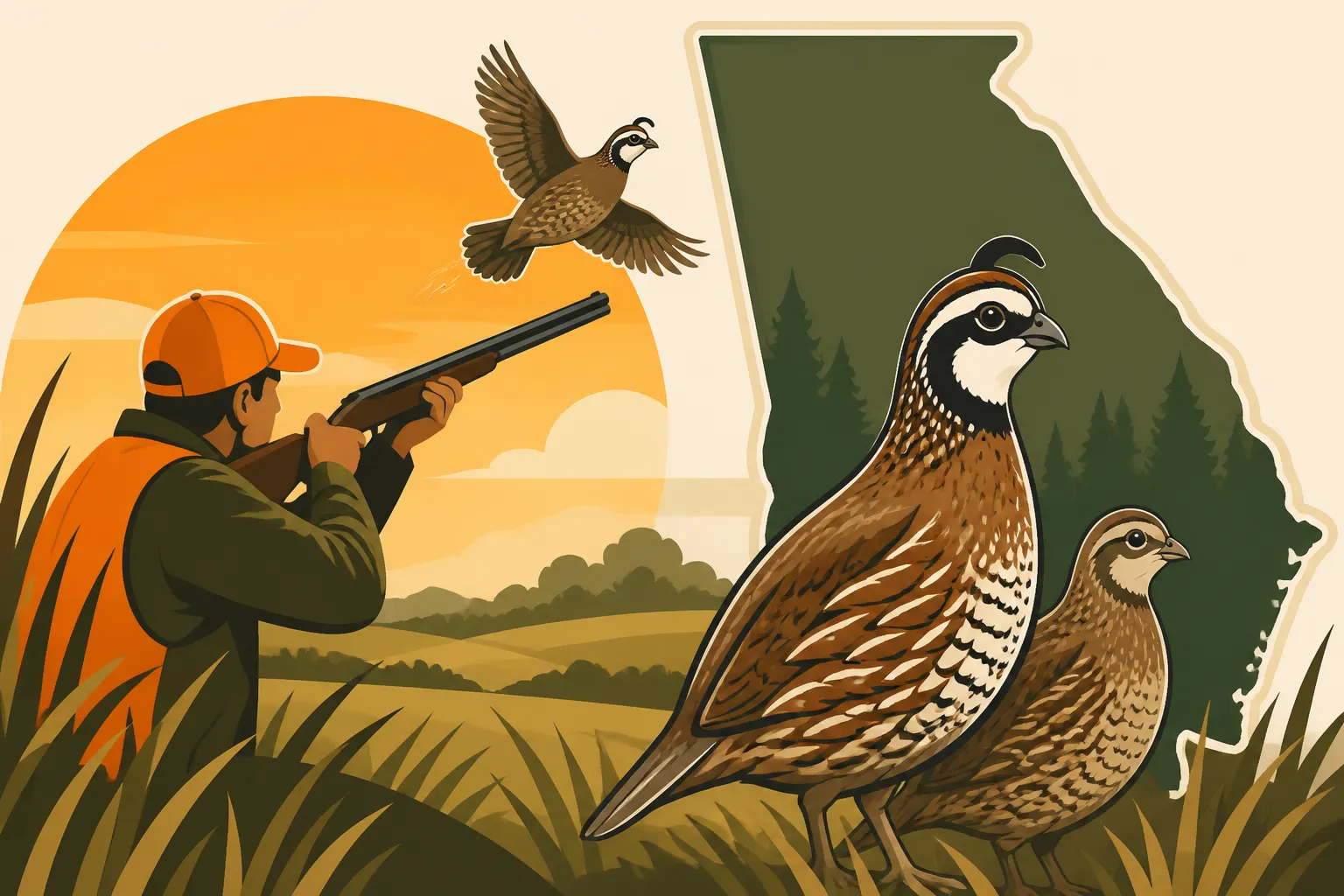
It’s a truly special experience, hearing those distinctive calls drift across a crisp Georgia morning, a sound that transports you back to a simpler time. But let's be honest, trying to figure out the exact dates for hunting wild bobwhite quail in Georgia can feel like trying to hit a covey rise with a blindfold on. Between state regulations, the nuances of public versus private land, and the stark difference between wild birds and those on preserves, it’s easy to get lost in the details. This comprehensive guide is designed to cut through that confusion, giving you a clear picture of Georgia's wild quail season dates, regulations, and what it truly takes to pursue these iconic game birds.
Deciphering Georgia's Wild Quail Season Dates
Hunting wild bobwhite quail in Georgia is steeped in tradition, but it’s also governed by specific rules designed to protect and manage these precious populations. Unlike some other game species, the wild quail season dates are relatively consistent, but understanding the ‘why’ behind them is just as important as knowing the ‘when.’
The Official Statewide Season Window
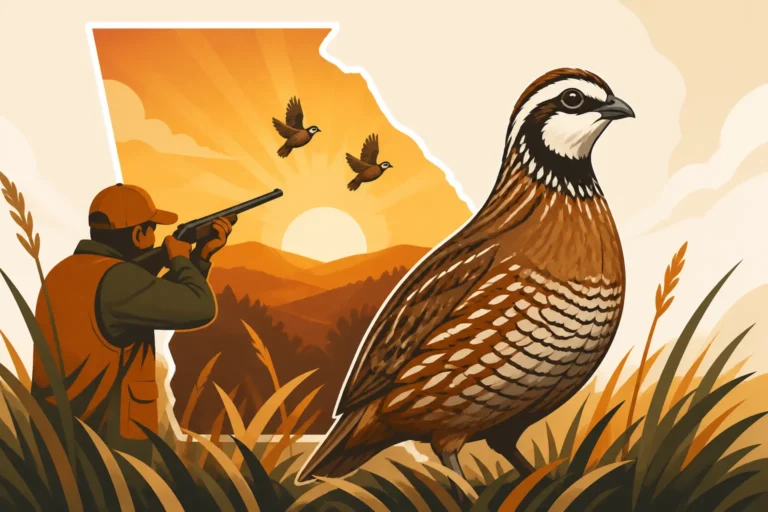
Typically, Georgia's statewide wild quail season kicks off in mid-November and runs through late February or early March. For instance, in many recent seasons, hunters have seen an opener around November 14th and a close date around February 28th or March 1st. These dates are intentionally chosen by the Georgia Department of Natural Resources (DNR) to align with the biological lifecycle of the bobwhite. The season opens after the main nesting and brood-rearing periods have concluded, ensuring that the young birds have had ample time to mature and disperse into coveys. Hunting at this time of year also allows for cooler weather, which is not only more comfortable for hunters but significantly better for working bird dogs, preventing them from overheating during strenuous field work.
This mid-winter timing also coincides with a period when the natural food sources are abundant but starting to dwindle, making coveys more predictable in their feeding patterns. While the exact dates might shift by a day or two year-to-year depending on the calendar, you can generally mark your mental calendar for that November to late February window. Always, and I mean always, double-check the current year's Georgia DNR hunting regulations pamphlet or website before planning your hunt, as state wildlife agencies constantly review and adjust based on population data.
Wild Quail Versus Preserve Quail: Why Dates Differ
Here's where a lot of hunters, especially those new to the game or visiting from out of state, can get tripped up. The season dates we’re discussing are strictly for native, wild bobwhite quail. These are birds that hatched in the wild, survived on their own, and represent the true challenge and reward of traditional quail hunting.
In stark contrast, hunting on a shooting preserve, which Georgia has in abundance, operates under entirely different rules and dates. Shooting preserves typically release pen-raised birds, which are managed differently from a conservation perspective. Because these birds are stocked, the season on preserves can run much longer, often from early September all the way through late March. This extended season allows for more commercial operations and opportunities for hunters seeking a less challenging or more controlled experience. It's a fundamental distinction that impacts not only the dates you can hunt but also the type of experience you'll have. If you’re considering a preserve hunt, you’ll want to consult the specific rules governing those operations, as detailed in guides like Georgia Shooting Preserve Season Rules. While both offer a chance to chase quail, the wild bird hunt is a completely different endeavor, requiring different tactics, greater effort, and a deeper appreciation for the bird's natural behaviors.
Understanding Bag Limits and Hunting Methods
Once you’ve got the season dates locked in, the next crucial step is understanding how many birds you can take and the legal ways you can pursue them. These regulations are designed to ensure the sustainability of Georgia’s wild quail populations, which have faced significant challenges over the decades.
Daily and Possession Limits for Wild Bobwhites
For wild bobwhite quail in Georgia, the daily bag limit is typically set at 12 birds per hunter. This means that in a single day of hunting, you cannot legally harvest more than a dozen wild quail. The possession limit is usually the same as the daily limit, meaning you can't have more than 12 birds in your possession at any given time, regardless of how many days you've hunted, unless they are properly stored (e.g., at home in a freezer) and clearly labeled. It’s important to remember that this limit applies to each individual hunter, not the group. So, if you and a buddy are hunting together, you each have a 12-bird daily limit.
These limits are not arbitrary; they are carefully determined by wildlife biologists who analyze population trends, reproductive success, and habitat conditions. Given the well-documented decline in wild quail numbers across the Southeast, including Georgia, these limits serve as a critical conservation tool. They allow for recreational hunting while preventing overharvesting, giving coveys the best chance to reproduce and thrive. For more specifics on these numbers, you might consult Georgia Quail Season Bag Limit. Adhering to these limits is a cornerstone of ethical hunting and responsible wildlife management.
Permitted Hunting Equipment and Dog Use
When it comes to legal equipment for hunting wild quail in Georgia, shotguns are overwhelmingly the weapon of choice. Common gauges include 12, 20, 28, and the classic .410, with smaller shot sizes like 7.5 or 8 being typical for these fast-flying birds. While there aren't often stringent restrictions on barrel length or choke, a more open choke (like improved cylinder or skeet) is generally preferred for the close-quarters, quick-shooting opportunities that arise from a covey flush. The goal is to get a good pattern at the short ranges quail are typically shot.
However, the real "equipment" that makes wild quail hunting possible, and truly enjoyable, are well-trained pointing dogs. Without a good dog—or a brace of them—finding and flushing wild coveys in the dense cover they prefer is incredibly challenging, if not nearly impossible. Dogs like English Pointers, Setters, Brittanys, and German Shorthaired Pointers are bred for this task, using their keen sense of smell to locate birds, "point" them to indicate their presence, and then hold steadfast until the hunter walks in to flush the covey. This collaboration between hunter and dog is what defines the sport and is explored further in Working Pointing Dogs on Wild Georgia Quail. Beyond the firearm and the four-legged companions, don't forget essential safety gear. While not always mandatory for upland hunting, wearing some form of Georgia Blaze Orange Requirements is a wise decision, especially when hunting with others, to ensure maximum visibility in the field.
The Landscape of Wild Quail Habitat in Georgia
To truly appreciate the wild quail season, it's vital to understand the intricate relationship between these birds and their habitat. The story of the bobwhite in Georgia is one of dramatic change, requiring dedicated conservation efforts to maintain even a semblance of their historical numbers.
Historical Trends and Modern Challenges for Quail Populations
The decline of the bobwhite quail in Georgia, mirroring trends across the Southeast, is a sobering tale that began in earnest in the 1960s. Once incredibly abundant, "calling a covey" was a familiar sound across much of the state. However, profound shifts in land use led to massive habitat loss, which is the primary driver of their dwindling numbers. Intensive agricultural practices, moving away from small, diverse farms with hedgerows and fallow fields to vast monocultures, eliminated crucial cover and food sources. Urbanization and suburban sprawl paved over what was once prime quail country.
Furthermore, fire suppression, a well-intentioned but ultimately detrimental practice, allowed woodlands to grow thick and choked with undesirable undergrowth, making them unsuitable for quail. The native longleaf pine ecosystems, which thrive on frequent, low-intensity fires, were particularly impacted. This led to a lack of sunlight reaching the forest floor, stifling the growth of crucial native grasses and forbs that provide both food and cover for quail. Understanding this context, as detailed in Georgia Wild Quail Decline Since the 1960s, is crucial for appreciating why finding wild quail today is such a rewarding, albeit challenging, endeavor. It’s a testament to their resilience that any wild birds persist outside of actively managed areas.
The Importance of Managed Pine and Ecosystem Restoration
Amidst the challenges, there is hope, largely thanks to dedicated efforts in habitat management. The concept of Managed Pine and Georgia Quail Recovery has become the cornerstone of these efforts. This isn't just about planting pine trees; it's about creating and maintaining a specific type of open, park-like woodland with a rich, diverse understory. Prescribed burning is the most critical tool in this management strategy. Frequent, controlled fires (often every 1-3 years) remove dense leaf litter, suppress woody invasives, and stimulate the growth of native grasses, legumes, and forbs that quail rely on for food, nesting, and brooding cover. These native plants also support a robust insect population, which is absolutely vital for quail chicks in their first few weeks of life.
Beyond fire, other management practices include timber thinning to allow sunlight to reach the forest floor, disking to break up soil and encourage annual plant growth, and controlling invasive species. Private landowners, often operating large tracts in South Georgia, and organizations like Tall Timbers Research Station and Quail Forever, are leading these conservation initiatives. Their work proves that with proper stewardship, it is possible to bring back viable wild quail coveys and offer a glimpse of what these landscapes once were. These efforts are not just about hunting; they represent a holistic approach to restoring Georgia's natural heritage and biodiversity.
Where and How to Pursue Wild Quail
For hunters eager to experience the thrill of a wild covey flush, knowing where to look and how to approach the hunt is paramount. Unlike deer or turkey, wild quail are typically found in very specific habitats, and a successful hunt demands both preparation and a deep understanding of their behaviors.
Identifying Productive Public Lands and Private Access
When searching for wild quail in Georgia, your focus should largely be on the Coastal Plain, particularly in the southern half of the state. This region, characterized by its sandy soils, longleaf pine savannas, and agricultural lands, offers the best potential for finding native bobwhites. While much of the prime quail habitat is on private land—often large, privately managed plantations—there are limited opportunities on public lands. Certain Georgia Wildlife Management Areas (WMAs) and portions of national forests in South Georgia are managed with prescribed fire and timber thinning, creating pockets of suitable quail habitat. These areas are often spotlighted by the DNR in their annual hunting regulations.
To pinpoint these areas, digital mapping tools are indispensable. Services like GoHunt, or even the Georgia Outdoors app, can be invaluable for identifying tracts of public land, delineating boundaries, and even visualizing habitat types via satellite imagery. Before you even step foot in the woods, utilizing mapping tools, perhaps through a service like GoHunt, to identify specific areas that resemble quail habitat can save you countless hours. For those without access to private land, researching specific WMAs known for quail management, or looking into Public Hunting Land in Georgia that overlaps with good habitat, is your best bet. However, be prepared for more competition on public ground and understand that wild quail populations, even on managed public lands, can be migratory and unpredictable.
Scouting Techniques and In-Season Strategy
Successful wild quail hunting begins long before opening day with thorough scouting. While you might not find "deer sign" like rubs or scrapes, you'll be looking for different indicators: dusting bowls (small depressions where birds dust bathe), scat, tracks in soft soil, and most importantly, listening for covey calls at dawn and dusk. Understanding the diverse cover types that quail use is also essential. They need a mix of open areas for feeding (often herbaceous fields or thinned pine stands), dense escape cover (like briar thickets or dense shrubbery), and overhead cover for protection from raptors. Learning Hunting Managed Pine for Wild Quail is a key skill here.
When the season arrives, the strategy largely revolves around systematically covering prime habitat with your dogs. This often means long walks through thinned pine stands, field edges, and areas with good native grasses. Patience is paramount. When your dog goes on point, the real work begins. Moving in to flush the covey requires a steady pace, awareness of your surroundings, and readiness to shoot. The sudden explosion of wings as a covey flushes is one of the most exciting moments in all of hunting. For practical, on-the-ground tactics for this exhilarating experience, consider learning about Working a South Georgia Quail Covey Rise. It's a dance between hunter, dog, and bird that defines the wild quail pursuit.
Navigating Georgia's Hunting License System
Before you can even consider stepping into the field for wild quail, you need to make sure your paperwork is in order. Understanding Georgia’s hunting license requirements is non-negotiable, and failing to comply can quickly turn a hopeful day afield into a frustrating encounter with a game warden.
Essential Licenses and Endorsements for Quail
For any resident of Georgia looking to hunt wild quail, the primary requirement is a valid basic hunting license. There are various options available, from annual licenses to lifetime permits, and understanding which one suits you best is important. You can explore the different tiers and costs through resources like Georgia Resident Hunting License Options. For non-residents, a specific Georgia Nonresident Hunting License Options is required, which typically comes with different fee structures and duration options. In addition to the basic hunting license, if you plan to hunt other game species throughout the year, considering a bundled option like The Georgia Resident Sportsman License Bundle might be more cost-effective and convenient.
Crucially, for wild bobwhite quail, you do not need a Georgia Migratory Bird Stamp or HIP certification. This is a common point of confusion, as these are required for migratory game birds like doves, ducks, or woodcock. Quail, being a resident game bird, only require the standard hunting license. Always ensure you have your physical license or digital proof readily available while hunting, as it's a routine check by wildlife enforcement officers.
Hunter Education and Staying Informed on Regulations
Georgia, like many states, has mandatory hunter education requirements. Generally, anyone born on or after January 1, 1961, must complete a hunter education course before purchasing a hunting license in Georgia. There are exceptions, such as those holding an Apprentice Hunter License, which allows individuals to hunt under the direct supervision of a licensed adult. More details on who needs this certification and how to obtain it can be found in Georgia Hunter Education Requirements. This course not only covers safety but also ethical hunting practices, wildlife conservation principles, and an overview of state regulations – all crucial for a responsible hunter.
Beyond the initial certification, staying informed about the most current regulations is an ongoing responsibility. Wildlife rules can change annually, sometimes with subtle but significant adjustments. The Georgia DNR website is your absolute best source for the most up-to-date hunting regulations, and many hunters also appreciate digital tools for managing their licenses and finding public access points, and platforms like GoHunt often integrate these features, making field navigation and compliance simpler. Always review the latest regulations pamphlet before each season to ensure you are fully compliant with bag limits, season dates, and any specific WMA rules that might apply to your hunting area. Being proactive ensures a legal and enjoyable experience for everyone afield.
| Season Element | Wild Quail Season Dates (Typical) | Daily Bag Limit | Possession Limit | Required License | Notes |
|---|---|---|---|---|---|
| Opening Date | Mid-November | 12 birds | 12 birds | GA Hunting License (Resident/Non-Resident) | Always verify exact dates with current GA DNR regulations. Dates are chosen post-nesting season for mature birds. |
| Closing Date | Late February/Early March | 12 birds | 12 birds | GA Hunting License (Resident/Non-Resident) | Protects pre-nesting populations. |
| Hunting Methods | Shotgun (12, 20, 28, .410 gauge) | Lead shot typically allowed for upland game. Pointing dogs are highly recommended and often necessary for success. | |||
| Additional Req. | Hunter Education (if born 1961+) | Blaze orange recommended for safety. No Migratory Bird Stamp/HIP certification needed for wild quail. | |||
| Private Preserves | Early Sept. – Late March (approx.) | Varies by preserve | Varies by preserve | GA Hunting License | Dates and limits are different for shooting preserves operating under specific regulations and often stocking pen-raised birds. These regulations are set by the individual preserves, within state guidelines for preserve operation, and are separate from wild quail season. |
Disclaimer
Hunting regulations can change frequently. While this guide provides comprehensive information, it is crucial to consult the Georgia Department of Natural Resources (DNR) official website or the current year's hunting regulations booklet for the most accurate and up-to-date information before planning any hunting trip. Compliance with all state and federal laws is the responsibility of the individual hunter.