Turkey Gear for a Georgia Spring
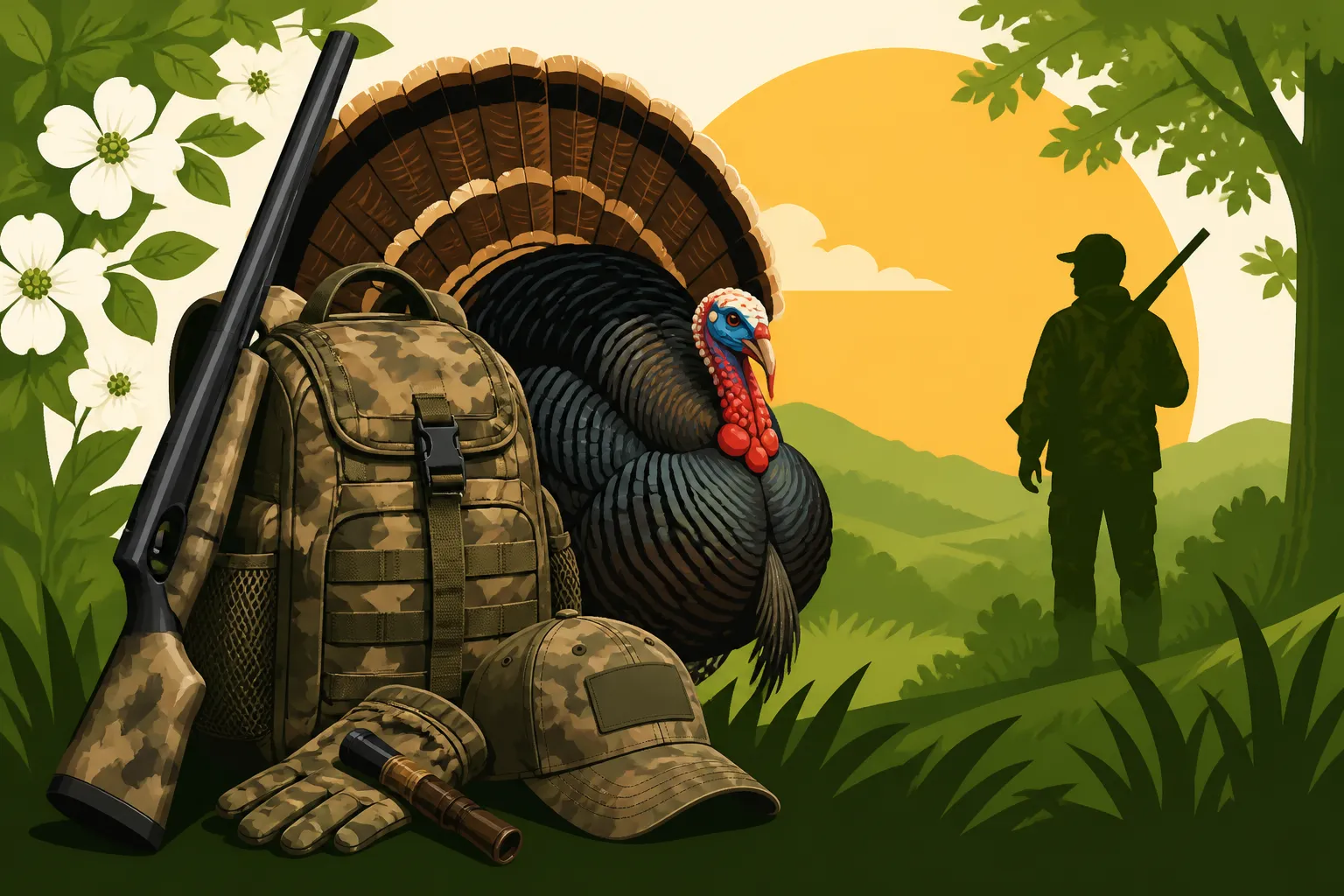
The Georgia spring turkey season is a time many of us look forward to all year. The woods come alive, the dogwoods bloom, and those thunderous gobblers shatter the pre-dawn silence. But if you’ve spent any time chasing these wary birds across Georgia’s diverse landscapes – from the thick mountain hardwoods to the sprawling pine plantations and cypress swamps – you know that success often boils down to being prepared with the right gear. It's not just about having a shotgun; it's about having the right shotgun, the right calls, and clothing that can handle everything from a chilly morning fog to a sweltering afternoon downpour. This comprehensive guide will walk you through the essential gear you need to confidently and effectively pursue wild turkeys in the Peach State, making sure you’re ready for whatever the Georgia spring throws your way.
Shotguns and Ammunition: The Foundation of Your Turkey Setup
When it comes to turkey hunting, your shotgun isn't just a tool; it's your primary connection to a successful harvest. Georgia's turkeys are tough, and shot distances can vary, meaning you need a reliable firearm paired with ammunition that delivers lethal patterns. Don't skimp here; your setup needs to instill confidence when that gobbler finally steps into range.
Choosing the Right Gauge and Choke for Georgia Gobblers
The debate over shotgun gauges for turkey hunting seems to rage eternally, but in Georgia, the most common choices are 12-gauge, 20-gauge, and increasingly, the .410. Each has its merits. The 12-gauge has long been the king, offering a wide array of ammunition choices, heavy payload options, and consistent patterns, making it a reliable workhorse for all types of terrain. If you like to have a lot of options and don't mind a bit more recoil, a 12-gauge is a fantastic choice.
However, the 20-gauge has seen a massive resurgence, especially with advancements in ammunition technology. It's lighter, often more nimble, and with the right loads, it can deliver patterns comparable to a 12-gauge at typical turkey ranges. This is a huge advantage when you're trekking through dense Georgia woods, chasing birds that seem to gobble miles away. Many hunters, myself included, find the reduced weight and recoil a welcome trade-off. For youth hunters or those sensitive to recoil, it's an excellent option that sacrifices very little in performance. Even the .410, once considered a squirrel gun, has entered the turkey hunting arena thanks to incredibly dense Tungsten Super Shot (TSS) loads, offering minimal recoil in a very lightweight package. While its effective range is shorter, for close-quarters ambush hunting or for smaller-framed hunters, it's a legitimate contender.
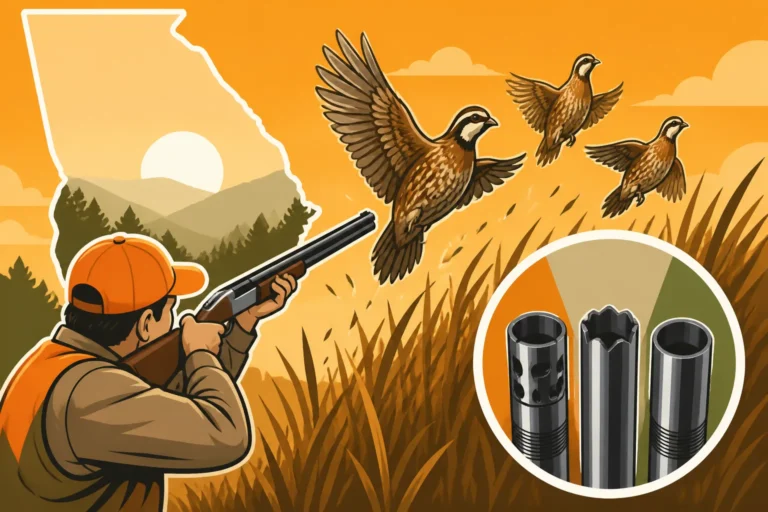
Regardless of gauge, the choke tube you select is paramount. For turkey hunting, you need a tight, extra-full, or even super-full choke. This constricts the shot cloud significantly, creating a dense pattern of pellets for maximum energy transfer to the turkey's head and neck. Standard factory full chokes are often adequate for lead loads, but specialized turkey chokes, often marked "Turkey" or "Extra Full," are designed to squeeze every bit of performance out of modern turkey loads. The best way to know what works is to pattern your gun, but we'll get to that in a moment. You can dive deeper into specific choices in Turkey Shotguns and Chokes.
Understanding Turkey Loads: Shot Size, Material, and Velocity
The ammunition you choose is just as critical as your shotgun and choke. Gone are the days of just grabbing a box of pheasant loads. Modern turkey loads are engineered for extreme density and consistent patterns.
Historically, lead shot in sizes #4, #5, or #6 was the standard. These are still effective, especially with a good choke, but they have limitations in range and pellet count compared to newer materials. If you're on a budget or hunting areas where shots are typically inside 30 yards, good lead loads can certainly do the trick. You’ll want to look for magnum offerings that push a heavier payload.
The game-changer in turkey ammunition has been Tungsten Super Shot (TSS). This material is significantly denser than lead, meaning individual pellets retain more energy and penetrate deeper. It also allows for smaller shot sizes (like #7, #9, or even #10) to carry the kinetic energy of much larger lead pellets, dramatically increasing the pellet count in your pattern. More pellets mean a higher probability of hitting the vital head and neck area. While TSS is more expensive, its performance is undeniable, extending effective ranges and making smaller gauges like the 20-gauge and .410 viable turkey killers. This is especially true for Georgia's thick cover where a clear shot might be a fleeting opportunity. The confidence you gain from knowing your load delivers a devastating pattern can be invaluable. For more details on this, check out Tungsten Turkey Loads Worth the Price.
When selecting your load, consider the grain weight (payload) and velocity. Heavier payloads generally mean more pellets, and higher velocities can contribute to flatter trajectories and more energy retention. However, sometimes extremely high velocities can deform pellets and lead to less consistent patterns. It’s all about finding the sweet spot for your specific gun and choke combination.
Patterning Your Turkey Gun: The Absolute Non-Negotiable Step
I cannot stress this enough: you must pattern your turkey gun before the season opens. This isn't an optional step; it's absolutely crucial for ethical and effective turkey hunting. Patterning involves shooting your chosen shotgun, choke, and ammunition combination at a target (ideally a turkey head-and-neck target) at various realistic hunting distances – typically 20, 30, 40, and even 50 yards.
Why is this so important? Because every shotgun, every choke, and every shell will perform differently. What patterns great in your buddy's gun might be terrible in yours. You need to know exactly how your gun shoots and what its effective maximum range is. You're looking for a dense, even distribution of pellets, particularly within the critical head and neck area of the turkey target. There should be enough pellets to ensure a clean kill.
To do this, set up large paper targets at your desired distances. Aim for the center of the head/neck. After each shot, examine the target. Count the pellet strikes in the vital zone. Is the pattern centered? Is it dense enough at 40 yards? If not, try a different choke, a different brand of ammunition, or a different shot size. It takes time, and it costs money, but it is the single most important thing you can do to prepare for turkey season. Knowing your maximum ethical range is not only responsible but also builds immense confidence when that trophy gobbler struts into view. For a deep dive into this process, check out Patterning a Turkey Gun at 40 Yards.
Calls and Decoys: Speaking the Gobbler's Language
Calling a wild turkey into range is arguably the most exciting part of the hunt. It's a chess match, a dance of deception and imitation. Having a variety of calls and understanding how to use them, along with strategic decoy placement, can make all the difference when trying to lure a wary Georgia gobbler.
Mastering Mouth Calls: The Versatility of Diaphragms
Mouth calls, also known as diaphragm calls, are a turkey hunter's best friend once mastered. They are incredibly versatile, allowing you to produce a wide range of turkey vocalizations – yelps, clucks, purrs, cuts, and even gobbling – all hands-free. This "hands-free" aspect is critical because it means you can keep your gun mounted and ready while still communicating with a bird.
Learning to use a mouth call takes practice, often requiring quite a bit of trial and error to get the reed placement and air pressure just right. There are many different styles, from single-reed calls that are easier for beginners to triple-reed or "ghost cut" calls that offer more rasp and volume. Start with a simpler single or double-reed call and focus on basic yelps and clucks. Once you build confidence, you can experiment with more complex cuts and rhythms. The key is realism and cadence, not necessarily volume. A soft, convincing series of purrs and clucks can be far more effective on a pressured bird than loud, aggressive yelps. Georgia gobblers, especially on public land, hear a lot of calling, so making yours sound natural and subtle can be a huge advantage. You'll find more insights into this in Box Calls Versus Mouth Calls.
Slate, Glass, and Pot Calls: Adding Realism and Volume
Pot calls (which can be slate, glass, aluminum, or even copper surfaces) are another staple in the turkey hunter's arsenal. These calls consist of a circular pot with a striking surface and a peg (striker) that you drag or tap across the surface to create sounds. They are excellent for producing consistent yelps, clucks, and purrs, and can often generate more volume than a mouth call, which is useful for covering ground or getting a distant bird's attention.
Slate calls produce softer, more melodic sounds, ideal for close-in work or when a bird is henned up and you need to sound less aggressive. Glass calls, on the other hand, tend to be louder and raspier, perfect for cutting through wind or drawing attention from afar. Aluminum and copper calls offer their own unique tones. Having a variety of strikers (wood, carbon, plastic) can also change the sound drastically on a single pot call. The biggest downside is that they require two hands to operate, meaning you might have to reposition your gun after calling. However, their realism and ease of use make them indispensable. Just remember to keep the surface and striker conditioned, especially in humid Georgia weather, as moisture can significantly affect sound quality. Read more about this challenge in Slate and Glass Calls in Humid Weather.
Locator Calls: Getting a Read on Roosted Birds
Locator calls are not designed to sound like a turkey, but rather to provoke a shock gobble from a tom, revealing his position without alerting him to your presence as a hunter. Popular choices include owl hoots, crow calls, and coyote howls.
The most common time to use locator calls is in the pre-dawn darkness, right before legal shooting light. A well-placed owl hoot or crow call can often get a gobbler to sound off from his roost, giving you a precise location to plan your approach. This is especially valuable in thick Georgia woods where visual scouting might be impossible. During the day, particularly if gobbling activity is slow, an intermittent locator call can sometimes spark a response from a silent tom. Just remember to use them sparingly and naturally; overdoing it can make them less effective. Learning when and how to deploy these calls can save you a lot of walking and greatly improve your chances of getting on a hot bird early. Locator Calls for Georgia Gobblers offers more tactical advice.
Turkey Decoy Strategies for Georgia Terrain
Decoys can be incredibly effective, especially when hunting open areas like field edges, logging roads, or thinned pine plantations common in Georgia. They provide a visual confirmation that often coaxes a hesitant gobbler into those crucial last few yards.
The most popular decoy setups involve:
- Single Hen: This is a classic, simple setup. A single hen decoy, especially a feeding or breeding hen pose, can appeal to lonely toms looking for companionship. It’s less intimidating for a wary bird.
- Hen and Jake: Adding a jake decoy (an immature male) to a hen setup can really anger a dominant gobbler, making him come in aggressively to chase off the "intruder." Place the jake within 10-15 yards of your shooting position, facing slightly away, as if he's trying to breed the hen.
- Full Strut Gobbler: A full-strut decoy, often paired with one or two hens, is the most aggressive setup. It can infuriate a dominant tom, but it can also intimidate smaller birds or make highly pressured gobblers shy away. Use this with caution, especially on public land where other hunters might mistake your decoy for a real bird.
When placing decoys, consider your setup:
- Field Edges: Place decoys where they are clearly visible but not too far out in the open. Position them 15-25 yards from your blind or calling position, slightly quartering away from your shooting lane. This angle often presents an ideal broadside shot when the gobbler comes in to challenge or inspect.
- Thick Woods: In denser timber, visibility is limited, so decoys might be less effective. If you do use them, place them closer, maybe 10-15 yards out, where they can be seen through openings.
- Safety: Always be aware of your surroundings, especially on public land. Avoid carrying decoys in the open without an orange bag, and never place them directly between yourself and where you expect the bird to approach from.
For more specific advice on decoy use, including how to handle pressured birds, check out Decoy Placement for Pressured Georgia Birds.
Here’s a quick overview of call types:
| Call Type | Sound Profile | Best Use Cases | Pros | Cons |
|---|---|---|---|---|
| Mouth Call | Wide range of yelps, clucks, purrs, cuts, gobbles | Versatile, close-in work, hands-free operation | Hands-free, compact, realistic subtle sounds | Takes practice to master, can be tricky in humid weather |
| Slate/Pot Call | Yelps, clucks, purrs, cuts (varied by surface) | Consistent calls, good volume, realistic | Easier to learn than mouth calls, good for range and realism | Requires two hands, can be affected by moisture |
| Box Call | Loud yelps, clucks, cuts | High volume, cuts through wind, simple to operate | Very loud, easy to use for beginners, good for shock gobbles | Requires two hands, can be less versatile for subtle sounds |
| Locator Call | Owl hoots, crow calls, coyote howls, woodpecker | Provoking shock gobbles, locating birds on roost or distant | Reveals turkey location without alerting them, covers large areas | Not a direct turkey call, can be overused |
Clothing and Footwear: Battling Georgia's Variable Spring
Georgia's spring weather is, in a word, unpredictable. You can start the morning with frost on the windshield and by noon be sweating buckets under a blazing sun. Pop-up thunderstorms are also common. Having the right clothing and footwear isn't just about comfort; it's about staying focused, camouflaged, and protected from the elements and the critters that call Georgia home.
Layering for Unpredictable Spring Weather
The key to dressing for Georgia spring turkey hunting is layering. This allows you to adapt to temperature swings and changing conditions throughout the day without having to carry an entire wardrobe.
- Base Layer: Start with a moisture-wicking base layer. This is crucial for regulating body temperature. Even if it's cool in the morning, you'll likely work up a sweat walking to your spot, and cotton will hold that moisture, making you feel colder later. Synthetic materials or merino wool are excellent choices that pull sweat away from your skin.
- Mid-Layer: A light fleece or insulated jacket works well for the cooler morning hours. Something that can be easily shed and packed away once the sun starts climbing. This provides warmth without being bulky.
- Outer Layer: Your outermost layer should be full camouflage, designed to break up your outline effectively. Look for breathable, durable fabrics that can stand up to briars and brush. A lightweight, packable rain jacket is also a non-negotiable item. You never know when a quick spring shower will roll through, and staying dry can make a huge difference in comfort and morale, especially if you're stuck waiting out a shower in a blind. Brands like Sitka, First Lite, or even more budget-friendly options offer great camo patterns that blend seamlessly into Georgia's diverse forests.
The ability to add or remove layers quickly means you won't be shivering in the dark or overheating during a mid-day stalk, allowing you to focus entirely on the hunt.
Snake Boots and Waterproof Footwear: Essential for Georgia Swamps and Undergrowth
This is one area where you absolutely cannot compromise in Georgia: snake protection and waterproof footwear. Georgia is home to several species of venomous snakes, including rattlesnakes, cottonmouths, and copperheads, all of which are active in the spring. Walking through tall grass, crossing creek bottoms, or pushing through thick undergrowth – all common in turkey hunting – puts you at risk.
A good pair of snake boots provides protection up to your knee, giving you peace of mind as you traverse dense cover. Look for boots that are comfortable for walking long distances, as you'll often be covering miles in search of birds. Alternatively, snake gaiters worn over sturdy hiking boots can offer similar protection.
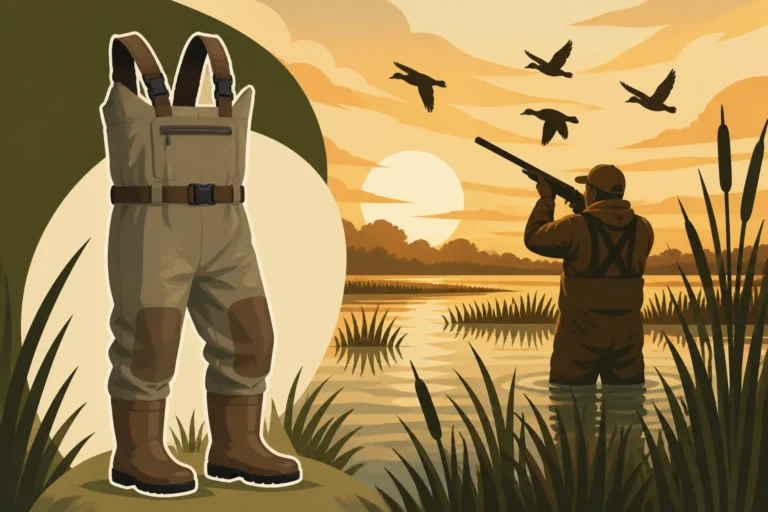
Beyond snakes, Georgia's spring often means damp ground, dew-soaked fields, and the occasional boggy area or creek crossing. Waterproof boots are essential to keep your feet dry. Nothing saps morale faster than wet, cold feet. Look for boots with a Gore-Tex or similar waterproof membrane. Ensure they offer good ankle support, especially if you're hunting in the rolling hills of the Piedmont or the steeper terrain of the North Georgia mountains. Comfort is paramount; break in any new boots well before opening day to avoid blisters. You can learn more about this crucial gear in Snake Boots for Coastal Plain Walking.
Camo Patterns and Blaze Orange Considerations
Choosing the right camouflage pattern is about breaking up your human outline, not necessarily perfectly matching every leaf. Patterns with good depth and contrast work well in Georgia's varied environments, from the dark shadows of cypress swamps to the bright sunshine of open pine flats. Many popular patterns from companies like Realtree or Mossy Oak are designed to blend into deciduous and mixed forest environments, which describes much of Georgia.
Regarding blaze orange, Georgia hunting regulations are specific. While actively hunting turkeys, you are not required to wear blaze orange. However, if you are simply walking to or from your hunting location, or if you are engaged in any other hunting activity during a firearms deer season (even if you're also turkey hunting, which sometimes overlaps), specific blaze orange requirements may apply. It's always a good idea to carry a blaze orange vest or hat to wear when moving through the woods, especially on public land, and especially if other seasons are open concurrently. This is a safety precaution to make yourself visible to other hunters who might be out there. Always double-check current regulations from the Georgia Department of Natural Resources (DNR) to be absolutely sure.
Blinds and Seats: Comfort and Concealment for the Wait
Turkey hunting often involves periods of intense activity followed by long stretches of waiting. Whether you're setting up in a field edge or calling from deep in the woods, comfort and concealment are crucial to staying still, staying focused, and ultimately, staying successful.
Portable Ground Blinds: Setting Up in Field Edges and Open Woods
Portable pop-up ground blinds have become incredibly popular for turkey hunting, and for good reason. They offer superior concealment, allowing you to move, stretch, and even check your phone (discreetly, of course!) without spooking an approaching bird. This is a huge advantage, especially when hunting with kids or new hunters who might struggle with staying perfectly still.
In Georgia, ground blinds are particularly effective in certain scenarios:
- Field Edges: Setting a blind along the edge of a planted green field, a freshly cut cornfield, or a standing peanut field provides excellent visibility and a natural ambush point for turkeys feeding in the open.
- Logging Roads and Powerline Cuts: These open corridors are natural travel routes for turkeys. A blind tucked into the edge of the timber offers a commanding view.
- Pressured Public Land: On public lands like WMAs, turkeys can be incredibly wary. A well-brushed-in ground blind can offer the concealment needed to get a shot at a bird that might otherwise hang up at 60 yards.
When setting up a blind, position it where you have clear shooting lanes in the direction you expect birds to approach. Use the natural vegetation around the blind to "brush it in," making it look less like an artificial structure. Break up its outline with branches, leaves, or even small saplings (where legal and ethical). Remember to anchor it securely, as Georgia spring storms can bring strong winds. And always consider scent control; even in a blind, minimizing human odor is beneficial. For tips on effective concealment, including brushing in your blind, refer to Brushing In a Blind on a Field Edge.
Run-and-Gun Tactics: Minimalist Seats and Back Support
While ground blinds are great for static setups, many Georgia turkey hunters prefer a more aggressive, mobile "run-and-gun" approach, especially on public land or when birds are not responsive to static calling. This strategy involves covering a lot of ground, listening for gobblers, and quickly setting up close to a bird once it's located.
For this style of hunting, carrying a bulky blind is counterproductive. Instead, hunters opt for minimalist seating options:
- Cushion Seats: A simple, lightweight foam or inflatable cushion provides a comfortable, dry place to sit, especially against the base of a tree.
- Small Folding Stools: These offer a bit more height and stability but can be cumbersome to carry.
- Turkey Vests with Kickstand Seats: Many modern turkey vests are designed with an integrated, deployable seat or kickstand system that allows you to sit comfortably against a tree with minimal fuss. This is an incredibly popular option for its convenience.
The key to run-and-gun is to quickly find a tree or natural cover that offers good back support and breaks up your silhouette, allowing you to remain still and ready to shoot. Always choose a tree that's wider than your shoulders to conceal your movements. The ability to move quickly, set up silently, and remain comfortable for short periods is paramount. You'll find more details on these setups in Turkey Vests With a Kickstand Seat.
Natural Blinds and Ethical Concealment
Even without a manufactured blind, you can create effective natural concealment. This is particularly useful in thick timber or when you simply don't want to carry extra gear.
- Tree Selection: The most common method is to sit with your back against a large tree, preferably one with a wider trunk than your shoulders. This breaks up your silhouette and provides crucial back support for stillness. A cluster of small saplings or thick bushes can also work.
- Breaking Up Your Outline: Ensure there's enough foliage around you to break up your human shape. Avoid sitting in the wide open where you're silhouetted against the sky.
- Shadows: Use shadows to your advantage, especially as the sun changes position throughout the day.
- Stillness is Key: Regardless of your blind choice, absolute stillness is the most critical component of concealment. Turkeys have incredible eyesight, and even a slight movement can give you away. Practice remaining motionless for extended periods.
Ethical concealment also means not damaging live vegetation unnecessarily to build a blind. Use deadfall, loose branches, or existing thickets. The goal is to blend in, not to create a fortress.
Packs and Accessories: Carrying the Essentials
Turkey hunting might seem simple – gun, calls, camo – but the right accessories can significantly improve your comfort, effectiveness, and safety in the field. From carrying your gear to hydrating and handling your harvest, a well-thought-out pack system is indispensable for a Georgia spring.
The Turkey Vest: Your Mobile Command Center
For many turkey hunters, the turkey vest isn't just an accessory; it's the heart of their gear system. It's designed to keep all your essential calls, ammo, and small items organized, accessible, and ready at a moment's notice.
A good turkey vest will feature:
- Dedicated Call Pockets: Pockets specifically designed for box calls, slate/pot calls (with striker sleeves), and mouth call pouches keep your calls protected and prevent them from rattling around.
- Shell Loops/Pockets: Easy access to extra turkey shells is crucial.
- Water/Hydration Pouch: Many vests have a pocket for a water bottle or even a hydration bladder system, which is vital for long days in warm Georgia weather.
- Large Storage Pockets: For rain gear, snacks, gloves, face masks, and other personal items.
- Integrated Seat: As mentioned earlier, many vests include a fold-down or kickstand seat for comfortable sitting against a tree.
- Game Bag/Back Pouch: A large, expandable pouch on the back is essential for carrying out a harvested gobbler, keeping it off the ground and secure.
The advantage of a well-designed vest is that everything you need is right there on your person, eliminating the need to rummage through a separate backpack every time you need to make a call or grab a snack. It centralizes your gear, making you more efficient in the woods. You can read more about vest features in Turkey Vests With a Kickstand Seat.
Hydration and Snacks: Staying Energized and Alert
Long walks in Georgia's varying terrain, combined with the often warm and humid spring temperatures, can lead to dehydration and fatigue surprisingly quickly. Staying properly hydrated and fueled is critical for maintaining focus and physical endurance throughout the day.
- Water: Always carry more water than you think you'll need. A hydration bladder in your vest or backpack is ideal, as it allows for hands-free sipping while on the move or sitting still. Water bottles are also fine, but can be noisier to access. Plan for at least 2 liters for a full day of hunting.
- Snacks: Pack high-energy, easy-to-eat snacks that don't make a lot of noise. Granola bars, trail mix, dried fruit, jerky, or energy chews are excellent choices. Avoid crunchy or crinkly packaging. These snacks will help keep your energy levels up, prevent hunger-induced distractions, and keep you alert for that critical moment when a gobbler appears.
Being able to grab a drink or a quick bite without making unnecessary movements is a huge advantage when you're trying to remain undetected by sharp-eyed turkeys.
Basic Field Dressing Kit and Game Bags
Once you've harvested a gobbler, the work isn't over. Proper field care is important to preserve the meat and any trophy elements (beard, spurs).
- Field Dressing Knife: A sharp, fixed-blade knife is indispensable for field dressing your bird. Some hunters prefer a gut hook, but a plain sharp blade works fine. Consider carrying a small sharpening stone or a multi-tool with a blade. Check out Field Dressing Knives Worth Carrying for options.
- Gloves: Latex or nitrile gloves are highly recommended for hygiene when field dressing, especially in warmer weather.
- Game Bags: Lightweight, breathable game bags are excellent for protecting the meat from dirt, insects, and flies as you transport the bird out of the woods. They also allow for airflow, which helps cool the carcass.
- Zip Ties or String: Useful for securing leg bands (if applicable) or tying up bags.
In Georgia's warm spring temperatures, getting the bird cooled down quickly is paramount to prevent meat spoilage. Field dressing on site helps, and a game bag protects it during the pack out to your cooler. For more on handling game in warm conditions, you can adapt principles from Field Dressing a Deer in Warm Weather. And specifically for keeping game protected, refer to Game Bags for Warm October Days.
Optics and Electronics: Enhancing Your Awareness
While turkey hunting often feels like a close-range game, modern optics and electronics can significantly enhance your ability to scout, identify, and navigate, ultimately increasing your chances of success. They provide an edge in understanding your hunting grounds and the movements of game.
Binoculars for Scouting and Identification
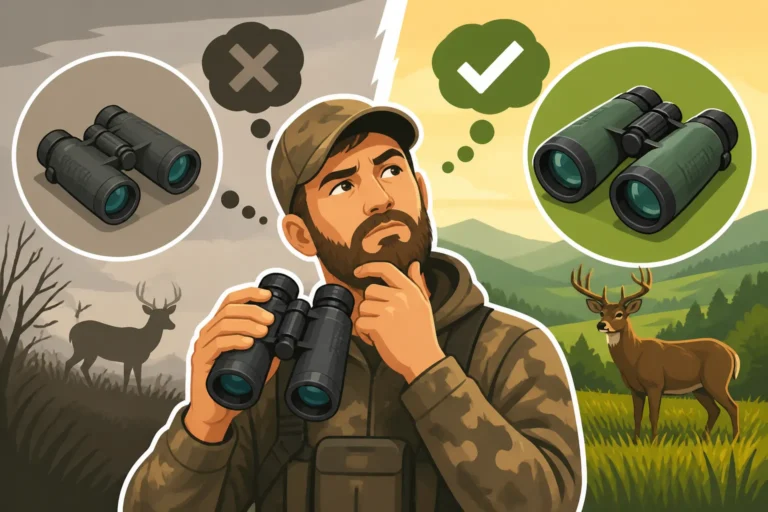
Many hunters mistakenly believe binoculars aren't necessary for turkey hunting, thinking it's all about calling birds in close. However, a good pair of binoculars can be an invaluable tool, especially in Georgia's varied terrain.
- Long-Range Scouting: Before you even set foot in calling range, binoculars allow you to glass open fields, powerline cuts, or distant ridgelines for turkeys. You can identify if birds are present, determine if they are gobblers or hens, and observe their patterns of movement without spooking them. This is particularly useful on large tracts of private land or expansive public areas.
- Identifying Distant Birds: Sometimes a turkey will appear on the far side of a field, and you need to quickly ascertain if it's a gobbler and if it's worth pursuing. Binoculars prevent you from making a hasty, incorrect move.
- Safety: While not its primary purpose, binoculars can also help you identify other hunters or potential hazards at a distance, promoting safer hunting practices.
For turkey hunting, a compact 8×32 or 10×42 binocular is usually sufficient. You don't need heavy, high-magnification optics. The goal is clear, bright images in variable light. You can compare different binocular powers in Binocular Power for Swamp Edge Hunting.
Headlamps and GPS: Navigating Pre-Dawn and Post-Dusk
Safe and efficient navigation in low light is critical for turkey hunting. You'll often be heading into your spot well before dawn and might be walking out after dusk.
- Headlamp: A reliable headlamp is an absolute must-have. It keeps your hands free for carrying your shotgun, calls, and other gear while illuminating your path. Look for one with a red light option, which helps preserve your night vision and is less likely to spook game or alert other hunters to your position. Ensure it has fresh batteries before every hunt. A headlamp isn't just for comfort; it's a vital safety tool to prevent trips, falls, and getting disoriented in the dark. For more on walking out after dark, see Headlamps for Walking Out After Dark.
- GPS/Smartphone App: A dedicated GPS unit or a reliable smartphone app like GoHunt with mapping capabilities is invaluable for navigating Georgia's public lands or unfamiliar private tracts. These tools allow you to:
- Mark Waypoints: Pinpoint your vehicle, your chosen setup spot, roost trees, or areas of turkey sign.
- Track Your Route: Ensure you can easily find your way back to your starting point, especially in dense woods or after a long stalk.
- Identify Property Lines: Crucial for staying on legal hunting ground, especially on the edges of public lands or when hunting small private parcels. The detailed mapping layers in GoHunt can show public/private land boundaries, WMAs, and even topographical features, helping you plan your approach and exit routes effectively.
- Topographical Maps: Understand elevation changes, creek bottoms, and ridge lines, which are all critical for predicting turkey movement.
Always download offline maps to your phone app, as cell service can be spotty or nonexistent in many remote hunting areas across Georgia. Carry a portable power bank for your phone to ensure it doesn't run out of battery.
Trail Cameras: Scouting Patterns Before the Season
While not typically carried during the hunt itself, trail cameras are an invaluable scouting tool that can significantly impact your success during the season.
- Locating Roost Sites: Placing cameras in areas with good roosting trees (tall pines, hardwoods near water) can help you identify where turkeys are spending the night.
- Identifying Travel Corridors: Set cameras up along logging roads, creek bottoms, or field edges to see where turkeys are regularly moving. This helps pinpoint natural funnels and ambush points.
- Confirming Presence: Trail cameras can tell you if turkeys are in a specific area, what time they are active, and whether they are gobblers or just hens. This takes a lot of guesswork out of the equation.
- Season-Long Intelligence: Even after the season starts, moving cameras to new areas can help you stay on birds as their patterns change.
When using trail cameras in Georgia, especially on public land, be aware of specific regulations regarding placement and visibility. Always check WMA rules, for instance. Use a security box and a cable lock to protect your investment, as theft can be an issue. For more details on effective trail camera placement, refer to Trail Cameras on Georgia Public Land.
Safety and Emergency Gear: Preparedness is Key
No matter how experienced you are, safety should always be your top priority in the field. Hunting in Georgia's diverse environments, from dense swamps to rugged mountains, presents unique challenges. Having essential safety and emergency gear can turn a potential disaster into a minor inconvenience.
First-Aid Kit and Emergency Supplies
Even on a seemingly short hunt, accidents can happen. A compact, well-stocked first-aid kit is a non-negotiable item in your turkey vest or pack.
- Basic Wound Care: Bandages, antiseptic wipes, gauze, medical tape, and pain relievers for minor cuts, scrapes, or blisters.
- Snake Bite Kit: While not a substitute for professional medical attention, a snake bite kit might buy you critical time. However, immediate evacuation is the priority.
- Allergy Medication: If you or anyone in your hunting party has known allergies (e.g., bee stings, certain plants), carry appropriate medication like an EpiPen.
- Survival Whistle: In case you get lost or need to signal for help, a loud whistle can carry much further than your voice.
- Small Fire Starter: Waterproof matches, a lighter, or a ferro rod can be crucial for warmth or signaling if you're unexpectedly stuck overnight.
- Multi-tool: A good multi-tool with pliers, knife blades, and screwdrivers can handle many small repairs or emergencies.
Always let someone know exactly where you are hunting and when you expect to return. This "float plan" is a simple but incredibly effective safety measure. For a comprehensive look at what to pack for remote areas, refer to First Aid Kits for Remote Swamp Ground.
Communication Devices
While the goal is to disconnect in the woods, reliable communication is vital for safety.
- Cell Phone: Your primary communication device. Ensure it's fully charged and, as mentioned, have offline maps downloaded. Keep it in a waterproof bag or case. Understand that cell service will be spotty or non-existent in many of Georgia's wilder areas.
- Satellite Communicator/PLB: If you hunt in truly remote areas where cell service is unreliable, a satellite communicator (like a Garmin InReach or Spot device) can be a lifesaver. These allow you to send and receive text messages via satellite and, more importantly, trigger an SOS call to emergency services regardless of cell signal.
- Two-Way Radios: For hunting with a partner or a group, two-way radios (walkie-talkies) are excellent for short-range communication, especially useful if you're spreading out to call or if you need to coordinate a deer drive (though less common for turkey). They are much more reliable than cell phones for communication within a several-mile radius. For groups, consider how Two-Way Radios on a Deer Drive might apply.
Awareness of Your Surroundings: Other Hunters, Landowners, Local Hazards
Being aware of your surroundings goes beyond just knowing where the turkeys are. Georgia has a lot of public land, and even on private land, you might encounter others.
- Other Hunters: Especially during opening weekends or on popular WMAs, you will likely encounter other turkey hunters. Be mindful of their presence. Use your locator calls discreetly, avoid "skylining" yourself on ridges, and always identify your target positively before shooting. Never assume a sound or movement is a turkey.
- Landowners and Boundaries: If hunting private land, be absolutely certain of your property lines to avoid trespassing. Use your mapping app. If hunting near property lines, be aware of what lies beyond.
- Local Hazards: Be mindful of natural hazards specific to your hunting area. This includes swift water in creeks, unstable terrain in mountains, or dense, thorny brush that can cause cuts and falls.
- Wildlife: While focused on turkeys, remember you're in an active ecosystem. Be aware of other wildlife, especially potential encounters with black bears (in specific zones) or feral hogs, both of which can be found across Georgia.
The core principle here is to be observant, cautious, and respectful. A safe hunt is a successful hunt, regardless of whether you harvest a bird.
Post-Harvest Gear: Caring for Your Hard-Earned Gobbler
Successfully harvesting a wild turkey in Georgia is an incredible accomplishment. But the hunt isn't truly over until your bird is properly cared for, processed, and reported. Especially with Georgia's warm spring weather, swift action is key to preserving the quality of the meat and any trophy elements.
Proper Handling and Cooling
The moment your gobbler is on the ground, the clock starts ticking, particularly in warm Georgia temperatures. Bacteria begin to multiply quickly, and without proper care, the meat quality can suffer significantly.
- Bleed the Bird: While not always necessary, some hunters prefer to bleed the bird out immediately by making a cut in the neck or severing the head. This helps to cool the carcass and improves meat quality.
- Field Dressing: Although turkeys are smaller than deer, field dressing them is still a good practice, especially if you have a long walk out or if the weather is particularly warm. Remove the entrails to allow the body cavity to cool down. This is similar to the process you might use for deer in warm weather, as detailed in Field Dressing a Deer in Warm Weather.
- Cooling: As soon as you can, get the bird into a cooler with ice. If you have a long walk back to the truck, try to keep the bird in a shaded, airy spot if possible, or use a game bag that allows air circulation. Avoid putting the bird directly into a plastic garbage bag for extended periods, as this traps heat and moisture.
Taking these steps ensures that the delicious wild turkey meat you worked so hard for is as fresh and flavorful as possible.
Game Bags and Transport
Once field dressed, protecting your bird during transport is important.
- Game Bags: As mentioned in the packs section, breathable game bags are excellent. They keep the bird clean, protect the feathers, and allow for air circulation which is crucial for cooling. They also prevent blood or dirt from getting on your clothing or vehicle interior. Refer to Game Bags for Warm October Days for options, which apply well to turkeys too.
- Secure Transport: Whether you're carrying it in your vest's game pouch or in a larger pack, ensure the bird is secure and not bouncing around. If transporting in a vehicle, put it in a cooler with ice as soon as possible. If it's a short drive and the weather isn't scorching, you can transport it in the back of your truck or in the cargo area, but again, a cooler is always best practice.
Reporting Your Harvest: Following Georgia's Game Check System
Georgia has mandatory harvest reporting for wild turkeys. This isn't just a formality; it provides crucial data to the Georgia DNR, helping them manage turkey populations and set future seasons and bag limits.
- Georgia Game Check: You must report your turkey harvest within 24 hours. This can typically be done online through the Georgia DNR website, via their mobile app (like GoHunt's integrated features), or by phone.
- Information Needed: You'll need your license number, the date of harvest, the county of harvest, and information about the bird itself (e.g., spur length, beard length, weight).
- Confirmation Number: Once reported, you'll receive a confirmation number. It's wise to write this down or screenshot it for your records.
Failure to report your harvest can result in penalties, so always make sure you complete this final, crucial step in the hunting process. You can find all the specific rules and how-to guides on Georgia Turkey Checking Requirements. Being a responsible hunter means not only pursuing game ethically but also contributing to its conservation through proper reporting.
Disclaimer
This article is for general informational purposes only and does not constitute professional advice. Laws, prices and regulations vary by location and change over time. Consult a qualified professional for guidance on your specific situation.