Which Georgia County Found the First CWD Case
The news about Chronic Wasting Disease (CWD) can be incredibly unsettling for any hunter in Georgia. It raises immediate questions about the health of our deer herd and what it means for our hunting traditions. Many of us worry about the future of deer hunting and what measures we might need to take to protect our beloved pastime. This guide aims to clear up some of that confusion by focusing on the initial discovery of CWD in our state, what it means for you, and how we can all be part of the solution.
The Initial Discovery and Confirmation in Georgia
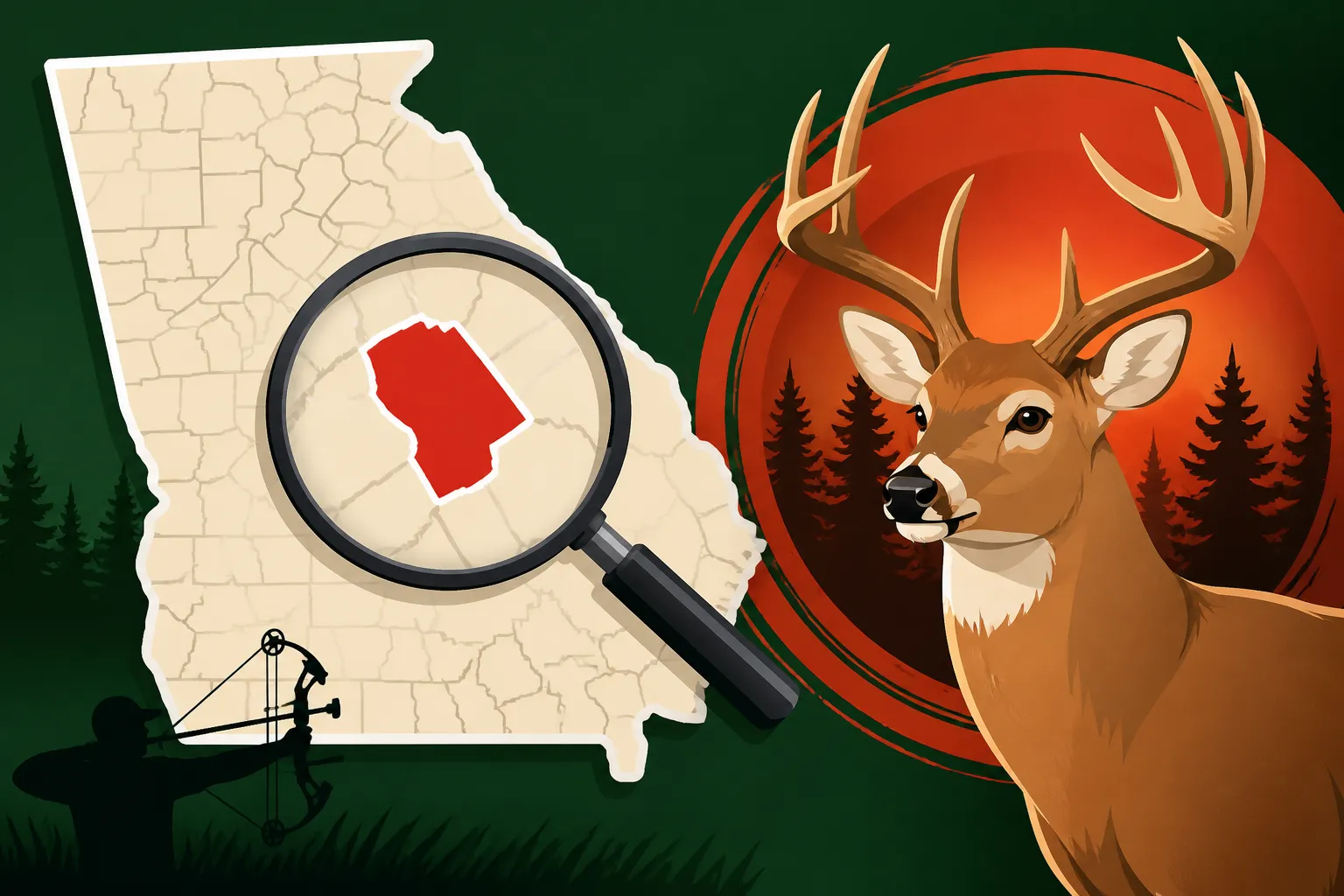
When CWD was finally detected in Georgia, it sent ripples through the hunting community. For years, we had watched as neighboring states confirmed cases, always with a nervous eye, wondering if and when it would reach us. That day unfortunately arrived, marking a significant moment for wildlife management in our state. The very first confirmed case of Chronic Wasting Disease in a wild deer in Georgia was identified in Early County.
This initial finding was the result of diligent surveillance efforts by the Georgia Department of Natural Resources (DNR) Wildlife Resources Division. They had been actively monitoring our deer population, collecting samples from harvested deer for testing, precisely to detect CWD as early as possible. When a sample from a deer harvested in Early County came back positive, it triggered an immediate and comprehensive response. This wasn't just a casual discovery; it was the culmination of years of proactive planning, hoping to avoid this day but preparing for it nonetheless. The confirmation in Early County meant Georgia officially joined the ranks of states grappling with this persistent wildlife disease.
Understanding the Implications for Hunters
The discovery of CWD in Early County, and subsequently in other nearby counties, wasn't just a biological event; it had immediate and lasting implications for every deer hunter in Georgia. Suddenly, a disease that felt distant and theoretical became a stark reality right in our own backyard. For those hunting within or near Early County, the immediate impact was the establishment of a Chronic Wasting Disease Management Area, or CMA. This zone brought with it new rules and restrictions that hunters had to quickly understand and adopt.
It’s completely understandable to feel frustrated or even confused by these new regulations. We’re used to certain routines, certain ways of doing things, and then something like this comes along and changes the landscape. However, these measures are put in place to try and contain the spread of the disease and protect the broader deer population. Hunters are now faced with additional responsibilities, like mandatory testing of harvested deer in certain areas and restrictions on moving carcasses, which we'll delve into further. It’s a shift in how we approach hunting, requiring more awareness and adherence to new guidelines. Keeping up with the specifics is crucial, and resources like the Go Outdoors Georgia website or even hunting apps like GoHunt can be invaluable for real-time updates on regulations.
CWD in Georgia: A Broader Picture
Beyond the initial discovery in Early County, understanding CWD itself is vital for all Georgia hunters. This isn't just about one county; it's about the health of our entire deer herd and the future of hunting across the state. The more we know, the better equipped we are to make informed decisions and contribute to prevention efforts.
What is Chronic Wasting Disease?
Chronic Wasting Disease is a transmissible neurological disease that affects cervids – that’s deer, elk, moose, and caribou. It’s caused by abnormal proteins called prions, which slowly damage the animal’s brain and spinal cord. Think of it like a very slow, degenerative disease. The symptoms don't show up immediately; they develop over a long period, often months or even years, after an animal becomes infected.
When symptoms finally do appear, they are quite distinctive, though they can sometimes be confused with other illnesses. Infected deer might show dramatic weight loss, which is how it gets the "wasting" in its name. They might also exhibit behavioral changes, like listlessness, a lack of coordination, excessive drooling, increased thirst and urination, and a generally vacant stare. Unfortunately, CWD is always fatal. There is no cure, and once an animal contracts it, its fate is sealed. It's a truly heartbreaking disease for wildlife, and it poses a significant challenge for wildlife managers.
How CWD Spreads and Why It's a Concern
One of the most challenging aspects of CWD is how it spreads. The prions can be transmitted directly from animal to animal through contact with saliva, urine, feces, or blood. But here's the kicker: the prions can also persist in the environment for years. This means that an infected animal can shed prions into the soil or vegetation, and healthy deer can pick them up later simply by grazing in that area. This environmental persistence makes containment incredibly difficult, unlike diseases that only spread through direct contact.
This is why CWD is such a grave concern for us hunters and for wildlife agencies. If it becomes widespread in Georgia, it could devastate local deer populations. A decline in deer numbers isn't just bad for hunting opportunities; it impacts the entire ecosystem. Moreover, there's always the lingering question about potential risks to humans. While there's no direct scientific evidence showing CWD can transmit to humans, health organizations like the Centers for Disease Control and Prevention (CDC) advise against eating meat from infected animals as a precautionary measure. This adds another layer of responsibility for hunters to ensure the venison they consume is safe. For more on the specifics of the disease's reach, you can explore resources discussing How CWD Reached South Georgia.
Living and Hunting in the CWD Management Area
The establishment of a CWD Management Area (CMA) following the discovery in Early County introduced a new set of rules that every hunter needs to understand. These aren't just suggestions; they are regulations designed to curb the spread of this insidious disease. It requires a bit more planning and diligence, but it's a necessary step to protect our shared wildlife resources.
Mandatory Testing and Carcass Restrictions
Perhaps the most significant change for hunters within the CMA is the requirement for mandatory testing of harvested deer. This isn't about penalizing hunters; it's about gathering critical data to understand the prevalence and spread of the disease. If you harvest a deer in one of the counties designated within the CMA, you are generally required to submit a sample for CWD testing. This typically involves taking the head (or specific lymph nodes/brain tissue) to a designated sampling station. The Georgia DNR provides information on where these stations are located, and it's always a good idea to check their website or even use a hunting app like GoHunt for the most current locations. For a deeper dive into this, you might find information on Mandatory Testing Inside Georgia's CMA helpful.
Along with testing, strict carcass movement restrictions are in place. You cannot simply take an entire deer carcass out of the CMA. This is to prevent the accidental spread of prions to unaffected areas. Generally, only deboned meat, clean antlers, hides, and taxidermy-ready capes are allowed to leave the zone. This means you’ll need to do more field dressing and processing on-site or at a designated facility within the CMA. It's a change of pace, for sure, and can add an extra layer of work, especially if you're used to taking a whole deer home for processing. However, it's a critical measure to protect our broader deer population. Knowing where to go for testing is key, and you can usually find details on Finding a Georgia CWD Sampling Location.
Here's a quick summary of what hunters should consider in a CWD Management Area:
| Action Item | Pre-CWD Discovery (or outside CMA) | Post-CWD Discovery (inside CMA) |
|---|---|---|
| Harvested Deer Testing | Voluntary, for personal interest or general surveillance | Mandatory for all deer harvested within the CMA |
| Carcass Movement | No restrictions on moving whole carcasses across county lines | Whole carcasses generally prohibited from leaving the CMA |
| Processing | Often done at home or local processor, regardless of location | Must be deboned within CMA, or taken to an approved processor in CMA |
| Antler/Hide Movement | No restrictions | Cleaned antlers, hides, and capes generally allowed to leave CMA |
| Regulations Check | Annual review of statewide regulations | Frequent checks for CMA-specific updates and zone boundaries |
| Reporting Sick Deer | Recommended | Highly encouraged, especially within or near CMA |
Adapting Your Hunting Practices
Hunting in a CWD-affected area requires us to be more adaptable. It's not just about the regulations; it’s about a mindful approach to every aspect of your hunt, from scouting to harvest to processing. For instance, when you're out Scouting Georgia Public Land Before Season, pay closer attention to deer behavior. If you observe any deer exhibiting symptoms of CWD, such as extreme emaciation, abnormal behavior, or severe drooling, it’s imperative to report it to the Georgia DNR Wildlife Resources Division immediately. Do not attempt to harvest or approach a visibly sick animal yourself.
Field dressing also takes on new importance. While it's always good practice to minimize the spread of anything, in a CWD area, it's even more critical to Field Dressing a Deer in Warm Weather carefully and to dispose of carcass waste responsibly. This means leaving remains at the harvest site or in approved landfill facilities within the CMA, to avoid spreading prions through gut piles. Thinking about your gear, it's wise to consider cleaning your tools and boots more thoroughly after hunting in a CMA. These small changes, while perhaps inconvenient, are essential contributions to the larger effort to manage and potentially contain CWD. This is also a good time to review resources on Georgia's Chronic Wasting Disease Management Area to fully understand its boundaries and specific rules.
Looking Ahead: Georgia's Response and Hunter Responsibility
The discovery of CWD in Georgia presents a long-term challenge, but it's one that the state wildlife agencies and the hunting community are working to address collaboratively. Our collective actions now will have a significant impact on the future health of Georgia's deer herd.
State Efforts to Monitor and Control CWD
The Georgia Department of Natural Resources (DNR) Wildlife Resources Division is at the forefront of monitoring and controlling CWD. Their efforts go far beyond just initial testing. They are continuously conducting surveillance, not only in the CMA but in surrounding counties, to detect any further spread. This involves targeted sampling, analyzing deer harvest data, and modeling potential disease pathways. They also play a crucial role in public education, providing updated maps of the CMA, guidance on hunting regulations, and information on proper carcass disposal.
The state is also working closely with federal agencies and neighboring states to share information and coordinate strategies. Because CWD respects no state lines, a regional approach is often necessary for effective management. This includes researching the disease, exploring new testing methods, and developing long-term management plans. You can often find updates on their progress and new policies regarding Georgia CWD Testing for Hunters on their official website. These are complex, evolving issues, and the state’s commitment to scientific, data-driven management is our best defense against CWD becoming widespread.
The Hunter's Role in CWD Prevention
As hunters, we are often the first line of defense and our cooperation is absolutely paramount in managing CWD. The rules around CWD are not meant to deter us from hunting, but to enlist us as active participants in conservation. Understanding and adhering to regulations regarding Moving a Deer Carcass Out of the CMA is non-negotiable, and it’s a direct way you can prevent disease spread. This might mean adapting your traditional processing methods or making extra trips to drop off samples, but it's a small price to pay for the long-term health of the herd.
Beyond compliance, hunters can contribute by staying informed. Regularly checking DNR updates, subscribing to newsletters, and even using mapping tools like GoHunt to understand current CWD zones are excellent ways to stay on top of the situation. Reporting any sick or abnormally behaving deer is also incredibly important. You might be the only person who sees a particular animal, and your observation could be crucial for early detection. The future of White-Tailed Deer Across Georgia and Georgia Deer Season Structure Explained depends on our collective vigilance and willingness to adapt. By taking these responsibilities seriously, we ensure that Georgia remains a great place to hunt for generations to come, and that we are doing our part in Handling Venison From a CWD Management Area safely and responsibly.
Disclaimer
This article is for general informational purposes only and does not constitute professional advice. Laws, prices and regulations vary by location and change over time. Consult a qualified professional for guidance on your specific situation.