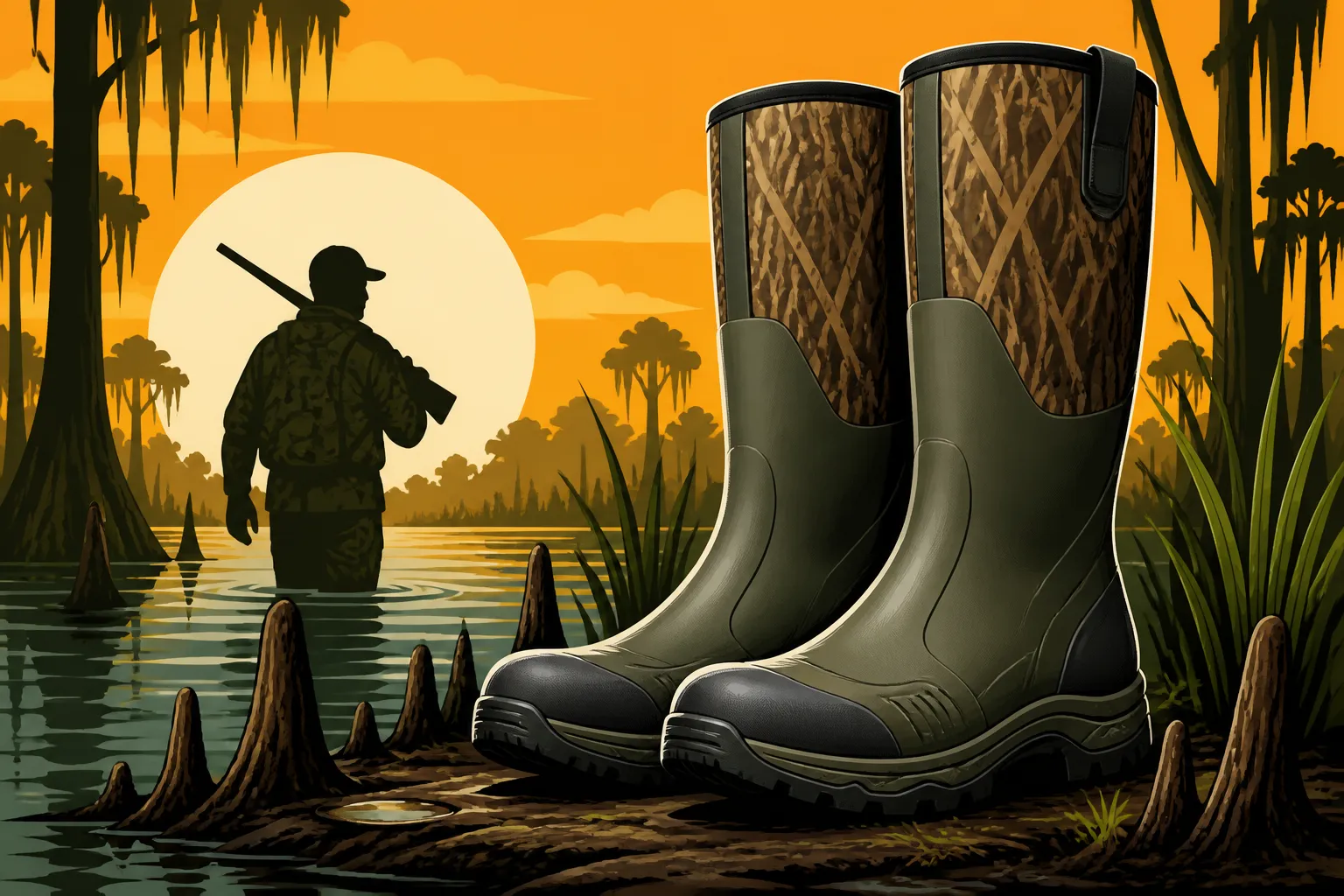
Rubber Boots for Swamp Walking
There’s nothing quite like the feeling of stepping out into a pre-dawn Georgia morning, knowing you’re about to head into some prime hunting ground. But that feeling can quickly turn to misery if your feet are soaking wet before the sun even thinks about coming up, especially when you're traversing the countless bogs, creeks, and swampy areas our state is known for. This guide is all about helping you keep your feet bone-dry and comfortable, ensuring your hunting experience isn't ruined by cold, squishy socks, by focusing on the absolute necessity of reliable rubber boots for swamp walking.
Why Traditional Boots Just Don't Cut It in Georgia Swamps
Let's face it, most hunting boots are designed for drier, more upland environments. They look rugged, they feel sturdy, and they might even be "water-resistant." But "water-resistant" is a dirty lie when you're wading through knee-deep mud or crossing a cypress-filled creek. Georgia's unique landscape demands more, and trying to get by with anything less is a recipe for a miserable hunt and potentially ruined gear.
The Perils of Permeable Footwear
You know the drill: you’ve got on your trusty leather or Cordura boots, maybe they even have a fancy waterproof membrane. You step into what looks like a shallow puddle, and suddenly, it’s a foot deep. That "waterproof" membrane? It's not going to save you when the water is sloshing over the top of your boot. Within minutes, your socks are saturated, and a chill begins to set in that can linger for hours, impacting your focus and overall hunt.
Beyond the immediate discomfort, prolonged exposure to wet conditions can wreak havoc on your feet. We’re talking about blisters, macerated skin, and the increased risk of fungal infections. It's not just about a bad day in the woods; it's about your foot health. Plus, all that dampness and mud can prematurely wear out the very boots you're trying to protect, often leading to cracked leather, delaminated seams, and a general breakdown of the boot’s integrity, turning a costly investment into a disposable item far too soon.
For deer hunters, there’s an even bigger problem: scent control. Every step you take in wet, muddy conditions, your body heat and the moisture create a plume of human odor. A wet boot can’t contain scent like a dry one, and a boot that’s been soaked and then allowed to dry will hold onto and then release odors in a way that can quickly give you away to a wary buck or hog. Rubber, on the other hand, is a much better barrier against scent molecules escaping into the air around you, which is critical when you're trying to sneak into a stand in a productive river bottom.
Mud, Muck, and Suction
Georgia’s swampy areas aren’t just wet; they’re a treacherous combination of deep, sticky mud, hidden roots, and uneven ground that can swallow an unprepared boot whole. Imagine trying to make your way through a flooded bottomland, each step a struggle against the relentless suction of the mud. You lift one foot, and the mud tries to hold onto your boot, pulling it off your foot with a greedy slurp. This isn't just annoying; it's exhausting, burning precious energy that you need for the hunt itself.
The underlying terrain in these mucky areas adds another layer of difficulty. Submerged logs, tangled roots, and unseen depressions can cause you to trip, twist an ankle, or even fall, coating you head-to-toe in that delightful swamp sludge. A boot that lacks proper support and grip for these unpredictable conditions becomes a liability, not an asset. It's a constant battle for balance and stability.
And then there's the truly notorious, quicksand-like mud that seems to materialize out of nowhere. You might be following a deer trail, thinking the ground is solid enough, and then suddenly, your foot sinks past your ankle, perhaps even to your calf. The suction created by this kind of mud is incredible, capable of pulling the boot right off your foot if it's not designed to stay on. Losing a boot in the middle of a swamp means a cold, wet, exposed foot for the rest of your trek, or worse, having to ditch the hunt entirely to retrieve your footwear. This constant struggle with mud and muck fundamentally changes how you approach and execute your hunt.
Key Features of Superior Swamp-Ready Rubber Boots
When you’re gearing up for a hunt in Georgia’s wetlands, choosing the right rubber boot isn’t just about staying dry—it's about staying comfortable, safe, and effective. The market is full of options, but knowing what features truly matter for swamp conditions will help you make an informed decision. These aren't just minor details; they are critical elements that can make or break your day in the woods.
Material Matters: From Neoprene to Vulcanized Rubber
The foundational material of your rubber boot is absolutely paramount. Traditional full rubber boots, often made of vulcanized rubber, are the champions of waterproofing and durability. They create an impenetrable barrier against water, mud, and even the sharpest thorns you'll encounter. They're also incredibly easy to clean, which is a huge bonus after a long day slogging through a creek bottom or trying to Recovering a Deer From a Cypress Swamp. This material offers maximum protection, making it a go-to for situations where staying dry is the absolute top priority.
Neoprene, on the other hand, brings a different set of advantages to the table. While still waterproof, neoprene is a synthetic rubber known for its excellent insulating properties and remarkable flexibility. Think of a wetsuit—that’s neoprene. Boots featuring neoprene often conform more closely to your leg, offering a more comfortable, less rigid fit. This flexibility also makes them easier to walk in, particularly over long distances or uneven terrain. For colder hunts, the inherent insulation of neoprene is a huge benefit, keeping your feet warm even when standing in icy water.
Many top manufacturers now offer hybrid options, blending the best of both worlds. These might feature a sturdy, vulcanized rubber foot for maximum protection and durability where it counts, combined with a flexible neoprene upper for enhanced comfort, warmth, and a better fit around the calf. This combination can provide a versatile boot that handles the rugged demands of swamp walking while offering the comfort and warmth needed for extended sits in cooler temperatures. When you're looking at different boots, consider where and when you'll primarily be using them, and let that guide your material choice.
Traction and Outsoles: Gripping Georgia's Slick Terrain
The outsole of your rubber boot is arguably as important as the waterproof material itself, especially when navigating the notoriously slick and unstable terrain of Georgia's swamps. You need a sole that can grip. Look for boots with aggressive, multi-directional tread patterns. These deep lugs are designed to bite into soft mud, loose soil, and slippery stream beds, preventing slips and falls that could ruin your hunt or even lead to injury.
Beyond just the depth of the lugs, consider their spacing and design. Many quality swamp boots feature self-cleaning lug designs. This means the pattern is engineered to shed mud and debris with each step, preventing the outsole from packing up and losing its grip. There’s nothing worse than having a boot turn into a slick, heavy block of mud halfway through your walk, turning every step into a dicey balancing act.
Furthermore, a well-designed outsole will provide stability on uneven surfaces like submerged logs, slippery roots, and rocky creek bottoms. Look for designs that offer a broad contact patch and sturdy construction that resists twisting. This stability is crucial for maintaining your balance and conserving energy as you traverse challenging environments, allowing you to move with confidence and quiet, whether you’re still-hunting a flooded timber patch or setting up for a Georgia Waterfowl Hunting on Coast and Swamp.
Fit, Comfort, and Support for Long Hauls
Even the most waterproof and rugged boot is useless if it’s uncomfortable or causes problems on a long walk. A proper fit is non-negotiable. You want a boot that feels snug enough to prevent excessive heel slip, which can lead to painful blisters, but not so tight that it pinches your toes or restricts circulation. Always try on boots with the type of socks you’ll typically wear while hunting. Some boots also feature adjustable gussets or calf designs, which are a godsend for hunters with larger calves or those who want to tuck in thick pants.
Beyond just sizing, look for adequate arch support. Long hours spent walking through soft, uneven swamp terrain can quickly lead to foot fatigue and discomfort if your boots don’t provide proper support. Some premium boots include anatomical footbeds or removable insoles that can be swapped out for custom orthotics. While it might seem like a small detail, good arch support can significantly reduce strain on your feet, ankles, and even your knees and back, allowing you to stay in the field longer and focus on the hunt, not your aching feet.
Finally, consider the overall weight and flexibility. While durability is key, an excessively heavy or rigid boot can be tiring on extended treks. Boots with a more flexible upper, especially those incorporating neoprene, can offer a more natural stride, which is crucial when you're making your way quietly through thick cover or covering miles of ground. When browsing for the right pair, checking out user reviews on platforms like GoHunt can often give you insights into the real-world comfort and fit of various models, helping you make a more informed choice based on collective experience.
Practical Considerations for Choosing and Using Your Boots
Selecting the right rubber boots for Georgia’s diverse hunting conditions involves more than just picking a size. You need to think about the specific season, the kind of terrain you'll be covering, and how you'll care for your investment. Making these practical considerations part of your decision-making process ensures you're buying a tool that truly works for your hunting style.
Insulation and Temperature Regulation
One of the biggest variables when choosing rubber boots is insulation. For early archery season, when temperatures in Georgia can still be quite warm, you'll generally want an uninsulated boot. These are designed to keep your feet dry without overheating them, which is critical to preventing sweaty feet that can lead to blisters and discomfort. An uninsulated boot allows for better breathability (or at least less heat retention) and keeps the overall weight down, which is a huge plus when you're exerting yourself in the pre-dawn humidity during Bowhunting Georgia's Early Archery Season.
As the season progresses into late fall and especially into winter, when you might be sitting for hours in a stand during the Cold-Weather Sitting Strategy in a Georgia January, insulated rubber boots become a game-changer. These typically incorporate neoprene or synthetic insulation layers that trap heat, keeping your feet warm even in frigid temperatures or when wading through icy water. The amount of insulation is usually rated in grams, with higher numbers indicating more warmth.
The trick is balancing warmth with the risk of sweating. Too much insulation on a mild day can lead to sweaty feet, which paradoxically can make your feet colder once you stop moving. If you tend to run hot, or if you anticipate a lot of walking followed by long sits, consider a moderately insulated boot and layer your socks strategically. Some hunters even bring a fresh pair of socks to change into after a long hike to the stand, ensuring dry feet for the actual hunt.
Height, Weight, and Maneuverability
The height of your boot is a critical factor dictated by the water depth you expect to encounter. For most typical swamp walking, a knee-high boot (around 15-18 inches) is sufficient. This height provides ample protection against shallow water, mud, and splashes. However, if you're regularly traversing deeper sloughs, beaver ponds, or engaging in activities like Georgia Waterfowl Hunting on Coast and Swamp where you might be standing in significant water, you might need to consider chest waders or hip waders for full protection. The key is to estimate the maximum water depth you'll realistically face and choose accordingly.
Weight is another important consideration, especially if you plan on covering considerable distances. Lighter boots reduce fatigue over long walks, which is a significant advantage when you're trying to reach those hard-to-access public land spots. However, extreme conditions, such as areas with sharp debris or very rocky bottoms, might warrant a slightly heavier, more robust boot for enhanced durability and protection. There's always a trade-off between weight and ruggedness.
Finally, consider the maneuverability. Swamp hunting often involves navigating through thick brush, crawling under fallen logs, or stepping over obstacles. Boots that are too stiff or cumbersome can hinder your movement, making it harder to move quietly and efficiently. Look for boots that offer a good balance of support and flexibility, allowing your foot and ankle to articulate naturally while still providing the necessary protection. GoHunt's gear reviews often touch on these aspects, providing valuable hunter insights into how different boots perform in real-world scenarios.
Maintenance and Longevity
Even the best rubber boots won't last if they aren't properly cared for. After every outing, especially after a tough one like Hunting Georgia Swamp and River Bottom Deer, make sure to thoroughly clean your boots. Mud and debris, if left on, can dry out the rubber, accelerate wear, and provide a home for bacteria and unpleasant odors. A simple rinse with a hose and a soft brush is usually all it takes. Pay special attention to the outsole to ensure all mud is cleared from the lugs, maintaining their grip for the next trip.
Proper storage is also key to extending the life of your boots. Avoid storing them in direct sunlight or near heat sources, as extreme temperatures can cause the rubber to dry out, crack, and lose its integrity. Store them in a cool, dry place, ideally upright to help them maintain their shape. Boot dryers can be a fantastic investment if your boots regularly get wet inside, helping to prevent moisture-related issues and keeping them fresh.
Minor leaks are almost inevitable over time, but they don't necessarily mean your boots are done for. Many small punctures or seam separations can be effectively patched with a good quality rubber cement or boot repair kit. Carrying a small repair kit with you on longer trips, or at least having one at camp, can save a hunt if you spring a leak miles from the truck. Regular inspection for small cracks or signs of wear can help you catch and address issues before they become major problems, ensuring your boots stay waterproof season after season.
Real-World Scenarios: When Rubber Boots are Non-Negotiable
While rubber boots are generally useful, there are specific Georgia hunting scenarios where they transition from being a convenience to an absolute necessity. These are the hunts where the terrain dictates your gear, and anything less than a reliable, waterproof rubber boot will put you at a severe disadvantage, potentially ruining your hunt or even creating unsafe conditions.
Deer Hunting in River Bottoms and Cypress Swamps
Georgia's river bottoms and cypress swamps are deer factories, holding mature bucks that often avoid more accessible, drier areas. However, accessing these prime locations usually means wading through water, crossing muddy sloughs, and navigating boggy terrain. Rubber boots become your key to unlocking these untouched pockets of deer habitat. They allow you to slip silently and scent-free into areas that other hunters avoid, giving you an edge on pressured game. Imagine making your way into a thick cypress stand, knowing your feet will stay dry and warm, while another hunter turns back at the first muddy creek crossing.
Beyond simply getting to your stand, rubber boots offer significant scent control advantages. When Hunting Georgia Swamp and River Bottom Deer, minimizing your scent signature is paramount. Rubber does not absorb and hold human odor like fabric or leather, and it’s much easier to clean off the scent-absorbing mud and debris. This means you can traverse sensitive areas with less fear of leaving a lingering scent trail that could spook wary bucks. Your approach can be quieter and cleaner, increasing your chances of an ethical shot opportunity.
And then there's the inevitable: after the shot, you often find yourself tracking a deer into the very heart of the swamp. Trying to track and retrieve a deer through waterlogged, muddy terrain in conventional boots is a nightmare. With good rubber boots, you can confidently follow a blood trail through standing water and muck, knowing your feet will remain dry and you won’t lose your footing trying to drag out your harvest. This is particularly crucial if you're dealing with a downed animal in a challenging spot, like needing to perform a Recovering a Deer From a Cypress Swamp.
Waterfowl and Alligator Hunting
For waterfowlers in Georgia, rubber boots are fundamental. Whether you're jump-shooting beaver ponds, setting up decoys in a flooded field, or hunting the vast tidal marshes along the coast, you're going to be in and out of the water constantly. Quality rubber boots, or even chest waders built with robust rubber, are the only way to stay truly dry and warm during a full day of Georgia Waterfowl Hunting on Coast and Swamp. Without them, you'd be miserable, cold, and likely forced to cut your hunt short.
These boots also offer crucial protection from the elements and the environment. In marshy areas, you're not just dealing with cold water; you're dealing with sharp oyster shells, hidden submerged debris, and potentially snakes that inhabit these wet environments. A durable rubber boot provides a robust barrier against these hazards, ensuring your safety and comfort as you focus on the flight. When considering options, GoHunt's resources might highlight various specialized waterfowl boots or waders, making it easier to select the right gear for your specific needs.
Alligator hunting is another pursuit where rubber boots, or even full waders, are absolutely essential. When you're Alligator Hunting in Georgia, you're spending your time in the water, on muddy banks, or in shallow, muck-filled channels. Being able to move stealthily and confidently through these environments is critical. Not only do the boots keep you dry and protect your feet from unseen dangers, but they also provide the necessary traction for maneuvering boats, setting lines, or approaching a targeted gator in unpredictable conditions. The unique demands of hunting these powerful reptiles mean your footwear has to be as tough and reliable as the pursuit itself.
| Feature / Boot Type | Uninsulated Rubber | Insulated Rubber (Neoprene) | Hybrid (Rubber/Neoprene) |
|---|---|---|---|
| Best For | Early Season Deer, Alligator | Late Season Deer, Cold Waterfowl | Versatile, Moderate Cold |
| Key Advantage | Lightweight, Cool, Durable | Warmth, Comfort, Flexible | Balance of Durability/Warmth |
| Typical Height | 15-18 inches | 15-18 inches | 16-18 inches |
| Terrain | Mud, Shallow Water, Thorns | Mud, Cold Water, Snow | Mixed Terrain, River Bottoms |
| Scent Control | Excellent | Good | Good |
| Weight | Lighter | Moderate | Moderate |
Disclaimer
This article is for general informational purposes only and does not constitute professional advice. Laws, prices and regulations vary by location and change over time. Consult a qualified professional for guidance on your specific situation.