Screven County Public Hunting Ground
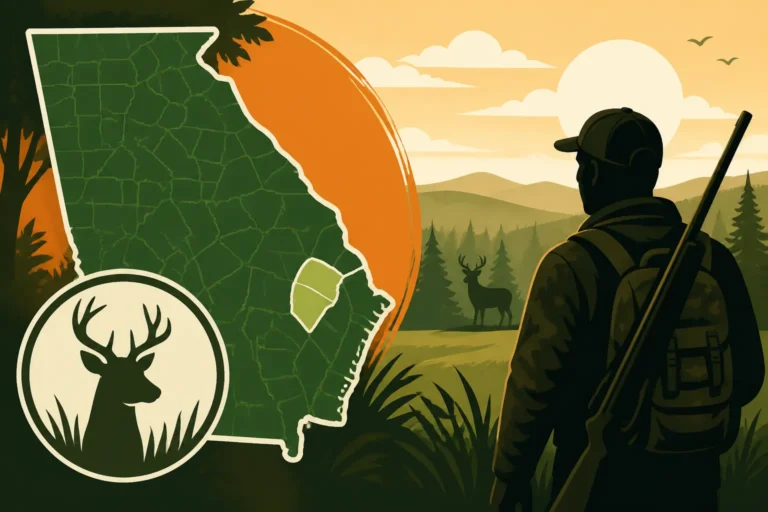
Finding quality public hunting ground in Georgia can feel like trying to find a needle in a haystack, especially when you're looking at a specific county like Screven. Many hunters get frustrated with dense populations, limited access, or simply not knowing where to start. This guide is here to walk you through the unique opportunities and challenges of hunting the public lands available in Screven County, helping you uncover some hidden gems and plan a successful outing.
Understanding Public Hunting Opportunities in Screven County
Screven County, nestled in the eastern part of Georgia, offers a distinct flavor of hunting that's different from the sprawling mountains or vast pine plantations of other regions. Here, you're looking at a landscape heavily influenced by the Savannah River, extensive agricultural operations, and managed timberlands. This mix creates specific habitats that attract diverse game, but also presents challenges for hunters trying to navigate public access. It’s not always obvious where the public boundaries are, or what kind of hunting pressure to expect.
Primary Public Land Areas
When you talk about public hunting in Screven County, the conversation usually turns pretty quickly to Di-Lane Wildlife Management Area (WMA). Di-Lane is a fantastic example of a well-managed WMA that provides significant hunting opportunities, particularly for deer, turkey, and its renowned bobwhite quail hunting. It's a place where dedicated management efforts have created prime habitat, which is a real blessing for public land hunters.
Di-Lane WMA consists of thousands of acres, a mix of pine forests, hardwood bottomlands along the streams, and open fields often planted for wildlife. This variety is key to supporting a healthy ecosystem and diverse game. While Di-Lane is the main draw, it's also worth remembering that some smaller, less publicized parcels might exist, often along river corridors or managed timber tracts with public access easements. However, for a reliable, well-documented public hunting experience in Screven, Di-Lane is your best bet. Always check the Georgia Department of Natural Resources (DNR) website or the Go Outdoors Georgia app for the most current information on boundaries and special regulations for any specific area you plan to hunt.
Game Species Available
Screven County's public lands, particularly Di-Lane WMA, are teeming with game, making it a popular destination. Deer are, of course, a major target. The mix of cover, food sources from agricultural edges, and the WMA's habitat management helps support a healthy deer population. You'll find both antlered bucks and antlerless deer, and it's always a good idea to know the specific bag limits and reporting requirements for Georgia Deer Season Structure Explained.
Wild turkeys also thrive in the county's blend of mature hardwoods and open areas. Spring turkey hunting here can be challenging but incredibly rewarding, especially when a gobbler lights up the morning woods. Small game, like squirrels and rabbits, are also abundant, offering additional hunting opportunities for those who enjoy a more fast-paced hunt or want to introduce new hunters to the sport. And, as mentioned, Di-Lane is particularly famous for its wild quail population, a true gem for bird hunters. While not strictly "game species," predators like coyotes are also present and can be hunted year-round in Georgia, often offering an exciting challenge.
Navigating and Scouting Screven County's Public Land
Hunting public land is all about knowing where you're going, understanding the terrain, and finding those overlooked spots. In a county like Screven, with its blend of river bottom, agricultural land, and managed pine, this is especially critical. You can't just wander aimlessly and expect consistent success. Proper scouting and navigation are your best friends here.
Essential Mapping Tools
Gone are the days when a paper map and compass were your only tools. While still valuable, modern mapping applications have revolutionized how we scout and navigate public land. For hunting in Screven County, an app like onX Hunt is an absolute game-changer. It allows you to see property lines with incredible detail, differentiating public from private land instantly. This is crucial when you're hunting near agricultural fields or timber company land, where boundaries can be unclear on the ground. You can mark potential stand locations, food sources, and travel corridors right on your phone.
Another excellent resource is the Georgia Outdoors app, often provided by the state's wildlife resources division. This app usually integrates WMA boundaries, roads, and specific regulations, offering a reliable, official source of information. Combining these digital tools allows you to truly "see" the land before you even step foot on it. You can identify potential access points, anticipate where other hunters might concentrate, and pinpoint areas that might offer more seclusion. Remember to download your maps for offline use, as cell service can be spotty in some of the more remote sections of the WMA or river bottoms. For deeper insights into digital scouting, consider reading Scouting With the Georgia Outdoors App.
Key Terrain Features and Habitat Types
Screven County's terrain is a fascinating mix that dictates game movement and hunter strategy. You'll encounter:
- River Bottomlands: Along the Savannah River and its tributaries, you'll find rich hardwood bottomlands. These areas are magnets for deer and turkey, offering abundant mast crops (like acorns) and thick cover. However, they can be difficult to access, often wet, and prone to flooding. Navigation here requires careful attention to sloughs, drains, and dense undergrowth.
- Pine Plantations: Extensive pine plantations are common in the county, ranging from young, dense stands to mature, thinned timber. Deer use the young, thick pines for bedding and security, while older stands offer more open understories for foraging. Turkey can also be found in thinned pines, especially those managed with prescribed fire, which encourages native grasses and insects.
- Agricultural Edges: With significant farming activity, the edges where public land meets private agricultural fields (corn, peanuts, soybeans) are prime feeding areas. Deer will often stage in nearby cover before moving into fields at dusk and retreating at dawn. Setting up on these edges requires careful consideration of wind direction and minimizing your footprint. If you're hunting near these, understanding Entry Routes Through a Standing Peanut Field or Hunting a Standing Soybean Field can be invaluable.
- Managed Open Fields: Within Di-Lane WMA, you'll find fields that are actively managed for wildlife, often planted with food plots. These are obvious draws for game, but also for other hunters. Scouting these areas for less-pressured entry and exit routes, or finding secondary food sources nearby, is key.
Understanding these different habitat types and how game uses them throughout the day and year is fundamental to successful hunting. Look for transitions between these types – bottlenecks, funnels, or creek crossings – as these are often high-traffic areas for deer.
Strategies for Minimizing Pressure
Public land, by its very nature, often sees more hunting pressure. In Screven County, especially on Di-Lane WMA, you'll encounter other hunters, particularly during peak seasons like opening weekend of firearms deer season. To increase your chances of success, you need strategies to get away from the crowds.
One of the most effective methods is simply walking further. Many hunters don't venture more than a quarter to half-mile from their vehicle. If you're willing to put in the effort to walk a mile or more, you'll often find less disturbed areas. This might mean investing in a good pack and being physically prepared for longer treks.
Another strategy is to target overlooked or difficult-to-access areas, such as dense swamps or steep creek drainages that deter most hunters. These spots often hold mature animals seeking refuge. Hunting during weekdays, if your schedule allows, can also significantly reduce competition. Additionally, employing tactics like still-hunting through thick cover, rather than sitting over obvious food sources, can help you encounter deer that are actively avoiding pressure. When scouting, use your mapping tools to identify areas that are buffered by thick cover or water, as these are often less impacted by human presence. Considering tactics like Hunting a Funnel Between Two Swamps can lead to fruitful results.
Planning Your Hunt in Screven County
A successful hunt is rarely accidental. It's the result of diligent planning, understanding the rules, and being prepared for the conditions you'll face. Screven County, with its unique environment, demands specific considerations when you're gearing up and heading out.
Season Dates and Regulations
Georgia's hunting seasons are structured and specific, and it's paramount to be completely up-to-date on all regulations before you step into the woods. WMAs often have their own specific dates and rules that differ from statewide regulations. For instance, Di-Lane WMA might have quota hunts, specific weapons restrictions, or different antler restrictions than other public lands or private properties. Always, always check the current Georgia DNR hunting regulations guide, especially the specific WMA section, before planning your trip. The Go Outdoors Georgia website or app is the best place for this, as it provides the most current information. Failing to do so can lead to hefty fines or the loss of hunting privileges.
Remember to confirm the legal hunting hours, which game species are open, and any restrictions on firearms or ammunition. For example, some WMAs might be archery-only during certain periods. Georgia Hunter Education Requirements are also important, particularly for younger hunters or those new to the state.
Access Points and Parking
Accessing public land in Screven County means paying close attention to designated parking areas and access roads. While some WMAs have well-marked entrances, others might require you to pull off a dirt road onto a small gravel parking area. Using your onX Hunt app or the Georgia Outdoors app will show you these access points clearly, often with parking symbols.
It's crucial to park only in designated areas and avoid blocking gates or private driveways. Respecting private property boundaries is not just a courtesy, it's the law. If you're hunting an area along the Savannah River, consider river access points if you plan to use a boat. This can open up vast, less-pressured areas. Always leave a clean camp and vehicle, making sure not to leave trash behind. Keep your vehicle secure, and avoid leaving valuables visible.
Gear Considerations for the Local Terrain
The conditions in Screven County can vary quite a bit, from dry pine ridges to wet, muddy river bottoms. Your gear choices should reflect this reality.
Here's a quick rundown of essential gear considerations:
| Gear Category | Specific Considerations for Screven County | Why It Matters |
|---|---|---|
| Footwear | Waterproof snake boots or tall rubber boots | Protection from snakes (especially in thick cover), mud, and water in bottomlands. |
| Clothing | Lightweight, breathable layers; rain gear | Summers and early fall can be hot and humid. Expect sudden thunderstorms. |
| Navigation | GPS unit or reliable phone app (with offline maps) | Cell service can be spotty in remote areas; property lines are critical. |
| Bug Control | Strong insect repellent (DEET or permethrin-treated clothing) | Mosquitoes, ticks, and gnats are prevalent, especially in warm, wet conditions. |
| Game Recovery | Deer cart or game bag | Long drags through varied terrain can be exhausting; essential for getting meat out quickly in warm weather. |
| Safety | Blaze orange (as required by season), first-aid kit | Visibility to other hunters; preparedness for minor injuries. |
| Hydration | Ample water or hydration system | Dehydration is a real risk in Georgia's heat and humidity, even in cooler months. |
For specific challenges like crossing marshy ground or dealing with dense undergrowth, having the right gear can make or break your hunt. For instance, proper Warm-Weather Clothing for Georgia Hunters is crucial for comfort and staying undetected in the often humid climate. And seriously, don't skimp on the Snake Boots for Georgia Swamp Ground. You'll thank me later.
Maximizing Your Success on Screven County Public Ground
Hunting public land is about persistence, adaptability, and a willingness to learn from every trip. Screven County offers some fantastic opportunities, but you have to work for them. These tips can help you tip the scales in your favor.
Reading Sign and Locating Game
The ability to read deer and turkey sign is paramount, especially on public land where animals are often more wary. In Screven County's varied habitats, look for:
- Scrapes and Rubs: Along the edges of pine plantations, hardwood lines, and logging roads, you'll find rubs on small trees and scrapes in the dirt during the pre-rut and rut. These indicate active deer movement and communication. Knowing how to interpret Scrape Lines Along a Logging Road can point you to a buck's travel routes.
- Tracks and Trails: Soft earth in creek bottoms, along field edges, or even in sandy patches of pine woods will reveal fresh tracks. Pay attention to the size and direction of travel. Well-worn trails leading between bedding and feeding areas are prime locations for ambushing deer.
- Droppings: Fresh deer or turkey droppings indicate recent activity. The size and consistency can give you clues about the animal's diet and how recently it was in the area.
- Feeding Sign: In hardwood bottoms, look for disturbed leaves under oak trees, indicating deer or turkeys feeding on acorns. Along agricultural edges, look for nibbled crops. In managed food plots, observe which plants are being preferred. If it's been a tough year for acorns, understanding tactics for Hunting After a Poor Acorn Year becomes even more important.
Combine visual scouting with trail cameras where allowed (always check WMA-specific rules for trail camera use). Cameras can confirm game presence, movement patterns, and even give you an idea of the age class of bucks in the area without disturbing the animals.
Post-Harvest Considerations
Congratulations, you've successfully harvested an animal in Screven County! Now comes the critical post-harvest work, which needs to be handled efficiently, especially given Georgia's often warm temperatures.
- Field Dressing: Get your animal field dressed as quickly as possible. This helps cool the meat, which is vital in warm weather to prevent spoilage. You might need to drag your deer a considerable distance, so plan your route out beforehand. If you're in a wet, muddy bottomland, Dragging a Deer Out of a Swamp comes with its own set of challenges and requires proper technique and sometimes a sturdy game cart.
- Game Check: Georgia requires all deer and turkey harvests to be reported. This is easily done online via the Go Outdoors Georgia website or app. Have your license information and harvest details ready. This system helps the state manage wildlife populations effectively. Remember, accurate and timely reporting is a responsibility of every hunter.
- Cooling and Transport: Once field dressed, get your game cooled down as quickly as possible. If it's still warm outside, bring plenty of ice in coolers. Consider using game bags to protect the meat during transport. For larger animals like deer, this might mean quartering the animal for easier handling and cooling.
- Processing: Whether you process the meat yourself or take it to a local butcher, ensure it's done hygienically and quickly. High temperatures can spoil meat fast. If you're planning on processing it yourself at camp, having the right tools for Butchering a Deer at Camp can make the job much easier.
Remember, every hunt is a learning experience. Pay attention to what worked, what didn't, and why. The more time you spend scouting and hunting Screven County's public grounds, the better you'll become at finding those elusive deer and turkeys.
Disclaimer
This article is for general informational purposes only and does not constitute professional advice. Laws, prices and regulations vary by location and change over time. Consult a qualified professional for guidance on your specific situation.