Barrier Island Deer Hunts on Ossabaw
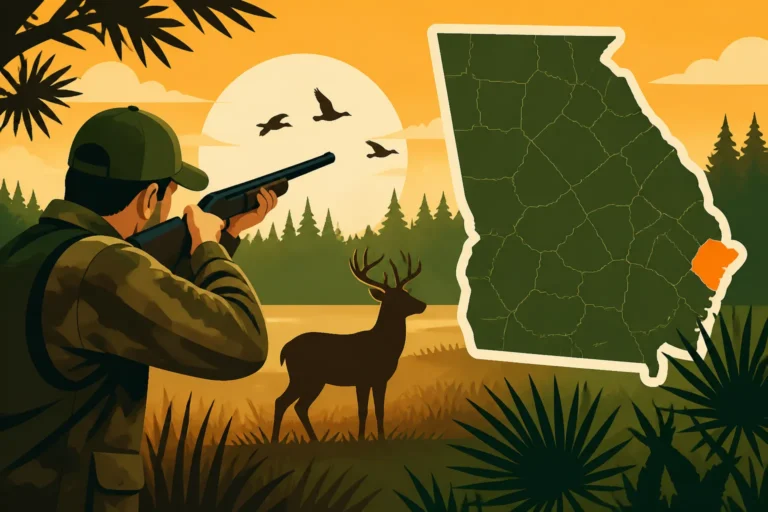
Hunting deer on Ossabaw Island is a truly unique experience, but it comes with a distinct set of challenges that can leave even seasoned hunters feeling a bit overwhelmed. Forget your typical food plot or pine flat setups; this is a wild, remote barrier island where access is tightly controlled, and the environment itself tests your preparation and resolve. If you've ever dreamt of pursuing a deer in a truly wild, coastal setting, but felt daunted by the logistics and unknowns, this guide is here to break down everything you need to know to navigate the ins and outs of barrier island deer hunts on Ossabaw.
The Unique Allure of Ossabaw Island Deer Hunts
There’s something about a barrier island hunt that just calls to the soul. It's not just about the deer; it's about the entire experience of being on a place like Ossabaw, steeped in history and natural beauty, far removed from the hustle and bustle of mainland life. Many hunters dream of a truly wild experience, and Ossabaw delivers exactly that, but it's crucial to understand what makes this particular hunt so different from chasing whitetails in the Piedmont or the mountains.
A Glimpse into Ossabaw's History and Habitat
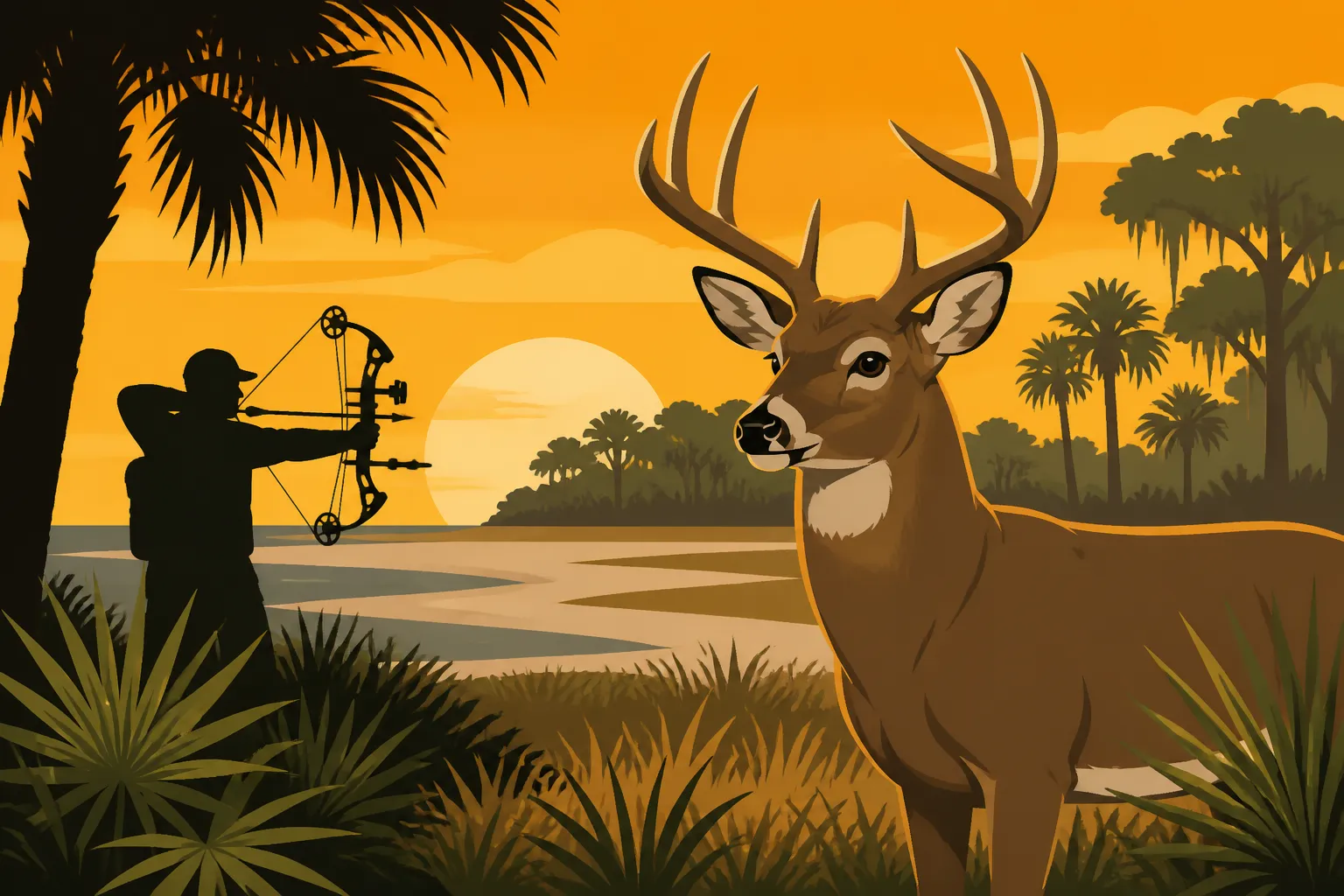
Ossabaw Island isn't just another piece of public land; it's Georgia's first Heritage Preserve, dedicated to scientific, cultural, and natural purposes. This means that while hunting is allowed, it's done so under very specific management goals aimed at preserving the island's unique ecosystems. Imagine sprawling maritime forests dominated by live oaks draped in Spanish moss, transitioning into salt marshes and pristine beaches. This diverse habitat, while breathtaking, presents a formidable challenge for hunters.
The island itself is roughly 26,000 acres, with about 9,000 acres of high ground. The sheer remoteness and the specific management focus mean that human impact is minimal, leading to a truly wild deer population. You won't find manicured trails or easy access points here; navigation is often through dense undergrowth, over fallen timber, and along the edges of tidal creeks. For hunters used to more accessible tracts, this can be a real wake-up call, requiring a different kind of preparation and mindset.
Why Deer Thrive on Ossabaw
The deer on Ossabaw are, in many ways, a product of their environment. With limited hunting pressure compared to some mainland areas and a rich, diverse food source from the maritime forest, they can often grow to impressive sizes, both in body and antler. They are truly wild animals, accustomed to the ebb and flow of the tides, the dense cover, and the presence of other coastal wildlife. This isn't a place where deer are accustomed to seeing humans around every corner.
Their diet consists of acorns from the abundant oaks, various browse species found in the understory, and even marsh grasses at certain times. This natural buffet allows them to maintain excellent health. What this means for you, the hunter, is that you'll be pursuing deer that behave instinctively, without many of the conditioned responses you might find in more heavily hunted areas. They are wily, using the dense cover to their advantage, making tracking and still-hunting incredibly challenging and rewarding. Just understanding Where South Georgia Pine Flat Bucks Bed is a different ballgame when you're talking about a maritime forest.
Understanding the Ossabaw Island Hunt Structure
Getting a spot on an Ossabaw Island deer hunt isn't as simple as buying a license and heading out. These are highly coveted, managed quota hunts, meaning only a limited number of hunters are allowed on the island at specific times. This controlled access is a major part of what preserves the island's unique hunting quality.
Applying for a Quota Hunt Spot
The application process for an Ossabaw hunt is competitive and requires foresight. You'll need to participate in the state's quota hunt lottery, which typically opens in the summer months. It's crucial to keep an eye on the official wildlife resources division website for specific dates and application windows. You'll also need a valid hunting license and a big game license to even apply. For researching broader hunt statistics and application strategies, resources like GoHunt can be invaluable, though always cross-reference with Georgia's specific regulations.
The application period is usually quite strict, and missing it means you're out of luck for that season. Points systems might be involved for some quota hunts, which can improve your chances in future years if you're unsuccessful. Think of it like applying for any other special opportunity, whether it's Applying for a Georgia Alligator Quota Hunt or a premium deer hunt; preparation and timely application are key. Once selected, you'll receive detailed instructions on transport, lodging, and specific rules that apply to your hunt. These rules often cover everything from weapon restrictions to carcass handling, so reading every detail is paramount.
Logistics of an Island Hunt
One of the biggest hurdles for an Ossabaw hunt isn't the deer, it's the logistics. There are no bridges or causeways to Ossabaw Island; access is strictly by boat, and typically, the state agency provides transportation from a designated mainland point. This usually means strict departure and return times, limiting your flexibility. You'll also need to be entirely self-sufficient for the duration of your hunt. This isn't a place with convenience stores or gas stations.
Most Ossabaw hunts involve primitive camping, meaning you're bringing everything you need with you: tent, cooking gear, food, water, and all your hunting equipment. You're responsible for packing out everything you pack in, including all trash. The sheer amount of gear required can be surprising, and every item needs to earn its place in your pack, considering the boat transport limits and the effort of carrying it across the island.
| Aspect of the Hunt | Ossabaw Island Quota Hunt | Typical Mainland WMA Hunt |
|---|---|---|
| Access Method | Boat transport only, scheduled times | Vehicle access, drive-in |
| Lodging | Primitive camping, self-sufficient | Drive home daily, or established campgrounds |
| Terrain Challenge | Dense maritime forest, marsh, thick undergrowth | Varied, often more navigable |
| Hunting Pressure | Very low, limited number of hunters | Can be high, especially on opening day |
| Logistical Effort | High: gear transport, food, water, waste | Moderate: less self-sufficiency needed |
| Required Self-Sufficiency | Extremely High | Moderate |
| Application Process | Competitive quota lottery | Purchase license, hunt any open WMA |
Strategies for Success on Ossabaw's Unique Terrain
Once you've secured your spot and sorted out the logistics, the real hunting begins. Ossabaw demands a different approach than what many Georgia hunters are used to. The environment is the ultimate teacher, and adapting your tactics to its rhythms is essential.
Navigating Maritime Forests and Marshes
The island’s terrain is a mix of dense maritime forest, often choked with palmettos and thick undergrowth, and expansive salt marsh. This isn't open timber where you can glass for long distances. Visibility can be extremely limited, often just a few yards, which makes traditional spot-and-stalk difficult. Instead, still-hunting through the thickest cover becomes a primary tactic. Move slowly, deliberately, and use the wind to your advantage. Focus on trails that deer create between bedding areas in the thickets and feeding areas, such as oak hammocks. These natural funnels are key. Using an app like onX Hunt can be a game-changer for marking trails, potential bedding areas, and understanding property lines within the hunt area, even in the densest cover. This can help you find Finding Ground That Sees Fewer Hunters away from more obvious access points.
Reading the sign here means more than just looking for tracks. You'll need to identify subtle rubs and scrapes, understand deer trails through the palmetto thickets, and pay attention to where deer are browsing. The ground, especially after rain, can tell a story of recent movement. Understanding Reading Georgia Mud for Fresh Deer Movement can be incredibly helpful here, as the soft, often damp earth records every hoof print. The sheer density means you'll need to be hyper-aware of your surroundings, constantly scanning for a flick of an ear or the horizontal line of a deer's back in a sea of vertical trees.
Gear Considerations for an Island Expedition
Your gear list for Ossabaw will look different than for a hunt elsewhere in Georgia. Because you're packing everything in and out, lightweight, durable, and highly functional gear is paramount.
First and foremost, snake boots are not an option; they're a necessity. This is prime habitat for rattlesnakes and cottonmouths, and you'll be walking through dense, often wet, undergrowth. Snake Boots for Georgia Swamp Ground will provide peace of mind and protection.
Bug protection is also non-negotiable. Mosquitoes, gnats, and ticks can be relentless, especially in the warmer early season hunts. High-quality repellents, permethrin-treated clothing, and head nets are essential. Don't underestimate the mental toll of constant insect attacks. It can ruin a hunt faster than anything. Bug Protection for Early Archery Season cannot be overstated here.
For clothing, think lightweight, breathable layers that dry quickly. Even in late season, Georgia's coastal climate can be surprisingly warm, and humidity is almost always a factor. You'll be sweating, so moisture-wicking fabrics are key. Referencing Warm-Weather Clothing for Georgia Hunters will give you a good starting point. You’ll also need good rain gear, as sudden downpours are common.
When it comes to treestands or ground blinds, mobility is crucial. Lightweight climbing stands or saddle hunting setups are ideal if you plan to get elevated. Given the dense cover, a ground blind can also be very effective, but ensure it's durable enough to withstand the elements and easy to set up and take down. Remember to check specific WMA rules on Treestand Rules on Georgia Public Land or ground blinds before your hunt, as some areas have restrictions.
Finally, consider game retrieval. If you're successful, you'll need a plan to get your deer out. This might involve extensive dragging through thick cover, or if allowed, a game cart might be helpful on certain trails. Having a sharp knife for Field Dressing a Deer in Warm Weather is also critical, as getting meat cooled quickly in a warm environment is vital.
Respecting the Island's Ecosystem and Regulations
Hunting on Ossabaw is a privilege, not just a right. The island is managed as a delicate ecosystem, and every hunter has a responsibility to minimize their impact and adhere strictly to all rules. This preserves the experience for future generations and maintains the island's unique character.
Minimal Impact Hunting Practices
The "Leave No Trace" principles are more than just suggestions on Ossabaw; they are foundational to the hunt's philosophy. This means packing out everything you pack in, including spent shell casings, food wrappers, and any other trash. Do not disturb the historical or cultural sites on the island, and avoid damaging native vegetation unnecessarily.
Camping areas are usually designated, and it's important to stick to them. Fires might be restricted or allowed only in specific, contained areas. Be prepared to cook with a portable stove. The goal is to leave your campsite and hunting area looking as though you were never there. This respectful approach extends to your presence on the island, ensuring the wildness that draws hunters there remains intact.
Specific Rules and Regulations to Know
Before stepping foot on the island, you must be intimately familiar with the specific regulations for the Ossabaw hunt you were selected for. These rules are usually provided well in advance and cover aspects such as:
- Weapon Types: Are only archery or primitive weapons allowed, or is modern firearms hunting permitted? Check Georgia Crossbow Rules During Archery Season or Georgia Legal Firearms for Deer Hunting if you're unsure about general regulations, but prioritize the Ossabaw-specific rules.
- Bag Limits: Ossabaw hunts often have specific bag limits for antlered and antlerless deer, which may differ from statewide regulations. Always verify the current Georgia Antlered Buck Limits and Georgia Antlerless Deer Tag Rules for the island.
- Harvest Reporting: You will be required to report your harvest, often at a designated check station on the island or immediately upon returning to the mainland. Understand the Reporting a Deer Through Georgia Game Check process.
- Permitted Activities: Are ATVs allowed (usually not)? What are the rules for scouting before the hunt? Can you bring dogs (highly unlikely for deer)? All these details will be outlined in your hunt packet.
Remember, rules can change from year to year, so relying on old information is a mistake. Always consult the most current official Georgia DNR wildlife regulations and the specific hunt packet you receive. While general information on Georgia Hunting Licenses and What They Cost is good to know, the Ossabaw specifics are your bible for this unique experience.
Ossabaw Island offers a hunting experience unlike almost any other in Georgia. It’s a physical and mental challenge, a test of your preparedness and your ability to adapt to a truly wild environment. But for those who embrace the challenge, the rewards—a beautiful deer, an unforgettable adventure, and the profound satisfaction of connecting with nature on one of Georgia’s most pristine barrier islands—are immense.
Disclaimer
This article is for general informational purposes only and does not constitute professional advice. Laws, prices and regulations vary by location and change over time. Consult a qualified professional for guidance on your specific situation.