Georgia Alligator Nuisance Complaints
It's becoming more and more common across Georgia to spot an alligator where you least expect it – whether it's a pond behind your new subdivision, a golf course water hazard, or even a drainage ditch after heavy rains. These encounters can be startling, confusing, and sometimes genuinely concerning. This guide is here to walk you through understanding alligator behavior, identifying when a sighting genuinely becomes a "nuisance," and the exact steps to take to report such an issue responsibly and effectively to ensure public safety and wildlife management.
Understanding Alligator Behavior and Habitat in Georgia
Before we can even talk about nuisance alligators, it’s crucial to understand a bit about these magnificent reptiles and their place in Georgia's ecosystem. They've been here far longer than us, and much of what we perceive as problematic behavior is simply an alligator acting like an alligator.
Alligator Range and Population Density
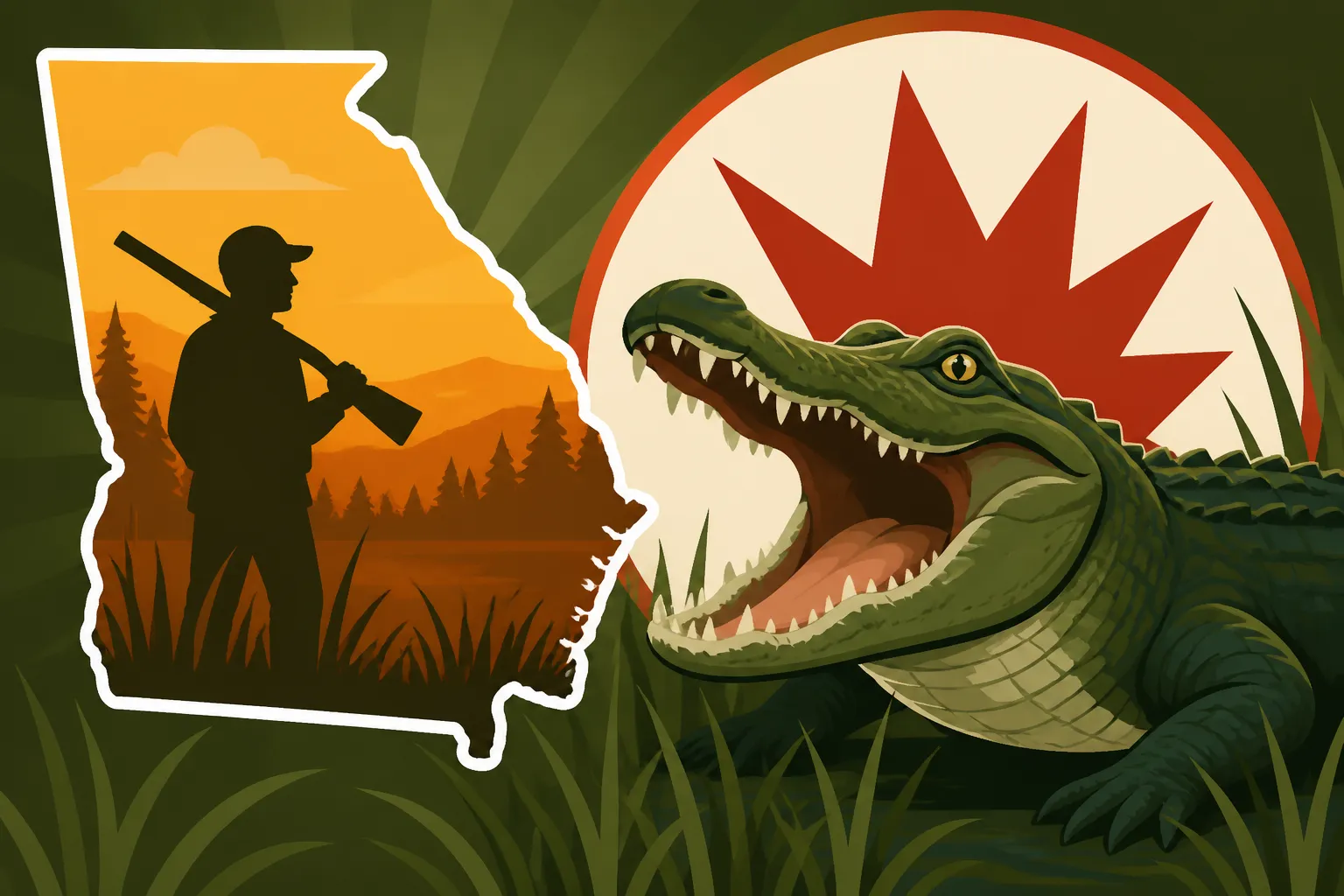
American alligators are a significant part of Georgia's diverse wildlife, particularly in the southern half of the state. While they are most concentrated in the coastal plain and large river systems, their range has been expanding, leading to more frequent encounters further north. You'll find the densest populations in the brackish marshes, swamps, and slow-moving rivers of coastal Georgia, like the Okefenokee Swamp Region. Areas such as the Altamaha River basin, the Satilla River, and the Suwannee River drainage are prime alligator real estate. Even urban and suburban developments in these regions, especially those with man-made lakes, retention ponds, or slow-moving creeks, can host alligators.
It’s easy to feel like their numbers are exploding, and in some areas, especially where habitat is ideal and food is plentiful, they are certainly thriving. Knowing Where Georgia's Alligators Concentrate can help you be more aware of potential encounters. The Georgia Department of Natural Resources (DNR) monitors alligator populations closely, and while they aren't everywhere, their presence is a natural and healthy sign of a robust ecosystem in their preferred habitats. Understanding that these are wild animals, and not pets, is the first step in responsible coexistence.
Natural Behaviors Versus Problematic Ones
Most alligator behavior you observe is completely natural and poses no threat to humans. Basking on a sunny bank, slowly cruising across a pond, or even disappearing underwater with hardly a ripple are all typical. They are apex predators and scavengers, perfectly adapted to their environment. You might see them feeding on fish, turtles, snakes, small mammals, or even carrion. These actions are part of their daily life and are essential for maintaining balance in wetland ecosystems.
However, certain behaviors can become problematic, usually when alligators lose their natural fear of humans, often due to being fed. An alligator that regularly approaches docks, swimming areas, or shorelines where people are present, especially if it seems to be expecting food, is starting to exhibit problematic behavior. While it might not be aggressive yet, this is a learned behavior that escalates quickly and poses a significant risk. The danger isn't always immediate aggression, but the alligator learning that humans equal food, leading them to associate us with an easy meal.
What Constitutes a Nuisance Alligator?
This is where the rubber meets the road, so to speak. Not every alligator sighting warrants a call to the Georgia DNR. In fact, most don't. Understanding the distinction is crucial for both public safety and the responsible management of Georgia's alligator population.
Aggressive Behavior Versus Opportunistic Feeding
An alligator exhibiting aggressive behavior is rare but serious. This might include hissing, charging, snapping, or actively pursuing people or pets. If an alligator acts as if it intends to attack or consume a human or a pet, it is absolutely a nuisance alligator. This isn't just a casual swim; it's a deliberate, threatening advance. Such situations are extremely dangerous and require immediate action.
More commonly, what people perceive as aggression is actually opportunistic feeding behavior, often a direct result of human interaction. An alligator that has been fed, either intentionally or unintentionally (e.g., discarded fish scraps, pet food left out), will start to associate humans with food. This alligator might approach boats, swimmers, or people on shore without fear, hoping for a handout. It's not necessarily "aggressive" in the traditional sense, but it's dangerous because it has lost its natural wariness and sees humans as a food source. This distinction is subtle but important for the DNR; an alligator repeatedly approaching people, even if it hasn't attacked, can quickly become aggressive. This is precisely Why Alligator Nuisance Calls Rise in Summer when more people are recreating on the water.
Pets and Livestock at Risk
One of the most heartbreaking scenarios involves pets being attacked by alligators. Dogs, in particular, are at high risk because their size can resemble an alligator's natural prey, and their playful nature often draws them to the water's edge. Even a small alligator can injure a pet, and larger ones can kill them easily. If an alligator is regularly observed in an area where pets are present and seems to be targeting them, or if there have been confirmed attacks on pets, it qualifies as a nuisance.
The same goes for livestock. In agricultural areas, alligators can occasionally prey on small calves, piglets, or other farm animals that venture too close to water sources. While less common, these incidents also fall under the nuisance category and can cause significant economic loss for farmers. It's not just about direct attacks; an alligator that consistently patrols areas where pets or livestock are routinely present, showing an undue interest, is cause for concern.
When a Sighting Isn't a Nuisance
Many alligator sightings are simply a wild animal living its life. An alligator basking on a log, swimming across a pond, or even resting on a golf course green without showing any interest in people is not a nuisance. It's important to remember that alligators are common in many parts of Georgia. Seeing one doesn't automatically mean it's a threat or needs to be removed. These are often transient individuals, just passing through, or they're using the habitat as intended.
The Georgia DNR typically operates under the principle that if an alligator is simply present and not displaying aggressive or habitual approaching behavior, it should be left alone. Moving a healthy, wild alligator that isn't causing problems is often detrimental to the animal and doesn't solve any underlying issues, especially if those issues stem from human behavior like feeding. They have a vital role in wetland health, and we need to respect their space.
Here’s a quick overview to help you differentiate:
| Behavior Type | Description | Nuisance Status |
|---|---|---|
| Normal Behavior | Basking on banks, swimming in open water, retreating from human approach, feeding on natural prey (fish, turtles, etc.), being seen in known alligator habitat. | Not a Nuisance. This is an alligator acting naturally. Maintain a safe distance and leave it alone. |
| Opportunistic/Fed | Regularly approaches people, boats, or docks; lingers near fishing activities or cleaning stations; seen in areas where pets or children play, especially if it appears to be expecting food. | Potential Nuisance. The alligator has lost its natural fear of humans. This behavior is dangerous and warrants a report if it persists or escalates. |
| Aggressive Behavior | Hissing, charging, snapping, actively pursuing people or pets; confirmed attack on a pet or livestock; blocking access to public areas and showing aggression when approached. | Definite Nuisance. This is an immediate threat to public safety and requires immediate reporting to the authorities. |
| Transient Sightings | An alligator seen briefly in an unexpected location (e.g., suburban pond, drainage ditch) but quickly moves on or shows no interest in people. Often occurs during mating season or when seeking new territory. | Not a Nuisance (initially). Observe from a distance. If it lingers and starts to exhibit opportunistic behavior, then it may become a potential nuisance. |
The Official Process for Reporting a Nuisance Alligator
If you've assessed the situation and determined you have a genuine nuisance alligator on your hands, don't try to handle it yourself. That's a recipe for disaster. There's a clear, established process for Reporting a Nuisance Alligator in Georgia to ensure it's addressed safely and legally.
Initial Assessment and Contacting Authorities
Your very first step after ensuring your immediate safety and the safety of others (and pets) is to contact the Georgia Department of Natural Resources (DNR), specifically the Wildlife Resources Division. Do not call 911 unless there is an immediate, active threat to human life. For most nuisance calls, you'll want to contact the DNR directly. Their phone number for general wildlife inquiries and to report nuisance animals is readily available on their website. It's usually the same number you'd use for any wildlife-related emergency or question.
When you call, be prepared to calmly and clearly explain the situation. The DNR staff are trained to ask specific questions to gather the necessary details. They'll need to know if the alligator is just present, or if it's actually displaying problematic behaviors. This is where your careful observation from the previous section becomes vital. Having a good understanding of what constitutes a nuisance helps the DNR prioritize and dispatch the appropriate resources. It’s important to give them the full picture, not just your initial fear, so they can make an informed decision.
Information to Provide When Reporting
When you make that call, the more information you can provide, the better. Think of yourself as an investigative reporter. Here's what they'll typically want to know:
- Location, Location, Location: Be as precise as possible. Street address, nearest cross-streets, specific body of water (e.g., "the pond behind the clubhouse at Osprey Cove Golf Course"), and any identifiable landmarks. Using a GPS application on your phone like Google Maps or even GoHunt can help you pinpoint exact coordinates if needed.
- Size Estimate: Give a rough estimate of the alligator's length. Is it a small one (2-4 feet), a medium one (5-8 feet), or a large one (over 8 feet)? This helps them understand the potential danger and appropriate response.
- Observed Behavior: Describe exactly what the alligator was doing. Was it basking? Swimming? Hissing? Approaching people or pets? How many times has this behavior occurred?
- Time and Date: When did you first see it? When did you last see it? Has it been consistently present for a while, or was this a one-off sighting?
- Your Contact Information: Provide your name and a phone number where you can be reached for follow-up questions or if an agent needs directions.
Remember, honesty and accuracy are key. Fabricating or exaggerating details can divert resources from actual emergencies and might even lead to the unnecessary removal of an otherwise harmless alligator.
What Happens After a Report
Once you've made your report, the Georgia DNR will assess the information. If they determine it meets the criteria of a nuisance alligator, they will typically dispatch a DNR alligator agent or a contracted nuisance alligator trapper. These individuals are experienced and authorized to handle alligators. They are not volunteers; they are professionals.
The agent's primary goal is to evaluate the alligator firsthand. They'll confirm the nuisance behavior and then decide on the appropriate course of action. This could range from simply observing the animal, attempting to scare it away (especially for smaller, less habituated alligators), or, in confirmed nuisance cases, attempting to trap and remove it. It's important to understand that once an alligator becomes a nuisance, especially one that has been fed, relocation is often not an option. These alligators often become repeat offenders, seeking out human-associated food sources in new locations. Therefore, nuisance alligators that pose a significant threat are typically humanely euthanized. This is a difficult but necessary part of public safety and wildlife management, as it prevents the problem from being simply transferred elsewhere.
Living Safely in Alligator Country
For those of us living, working, or recreating in Georgia's alligator habitats, understanding how to coexist safely is paramount. Prevention is always the best strategy to avoid nuisance situations in the first place.
Securing Your Property and Pets
If you live near water where alligators are present, take proactive steps to secure your property. This means keeping pets on a leash, especially near ponds, lakes, rivers, or canals. Never let your dog swim or drink in areas known to have alligators. Small dogs, in particular, are extremely vulnerable. Consider fencing off your yard if it borders a water body, ensuring the fence is sturdy enough to deter an alligator. Remember, alligators are surprisingly agile on land, especially smaller ones.
Beyond pets, consider your other outdoor habits. Avoid leaving pet food, uneaten birdseed, or discarded fish scraps near the water. These items can attract not only alligators but also their prey, creating a tempting buffet that draws alligators closer to your home. Make sure your garbage cans are secured and not overflowing, as general refuse can also attract rodents and other small animals, which in turn attract predators like alligators.
Avoiding Feeding Alligators
This is arguably the single most important rule in alligator country: NEVER FEED ALLIGATORS, UNDER ANY CIRCUMSTANCES. Seriously, don't do it. Feeding alligators, even just a little bit, causes them to lose their natural fear of humans. They begin to associate people with food, leading to the opportunistic and aggressive behaviors that define a nuisance alligator. This isn't just a friendly gesture; it's a death sentence for the alligator, as fed alligators are almost always removed and euthanized for public safety.
This rule extends to indirect feeding as well. If you're fishing from a dock or bank, dispose of fish scraps and entrails properly in a trash receptacle, far from the water's edge. Don't throw them back into the water, thinking you're "feeding the fish." You're actually attracting alligators and other scavengers. Similarly, ensure any pet food or livestock feed is kept in secure containers and not left out where alligators or other wildlife can access it. Education is key here; inform your neighbors, friends, and anyone recreating in the area about the dangers of feeding alligators.
Safe Practices Around Waterways
Whether you're fishing, boating, kayaking, or simply enjoying the view, maintaining awareness around Georgia's waterways is critical. Always assume alligators are present in suitable habitats, even if you don't see them.
- Maintain Distance: Give alligators a wide berth. If you see one, back away slowly. Never try to approach, provoke, or corner an alligator. The general rule is to keep at least 60 feet (or about four car lengths) between you and the alligator.
- Supervise Children: Always keep a close eye on children near water. Their small size and unpredictable movements can unfortunately resemble prey animals. Teach them about alligator safety from a young age.
- Swim Smart: Swim only in designated swimming areas, especially in coastal parks or other recreational spots. Avoid swimming at dawn, dusk, or night when alligators are most active. Also, avoid swimming in murky water where visibility is poor.
- Boating and Fishing: Be mindful when launching or landing boats. Never dangle your hands or feet over the side of a boat or kayak in alligator habitat. When fishing, be aware that struggling fish on your line can attract alligators. If an alligator shows interest in your catch, cut your line and move to a different spot.
- Be Aware During Nesting Season: Female alligators can be particularly protective of their nests and young, typically from late spring through summer. If you stumble upon a nest or a group of hatchlings, retreat immediately.
- Utilize Resources: The Georgia DNR provides fantastic resources on alligator safety. You can also use apps like GoHunt to scout areas and understand potential wildlife presence before you head out, helping you prepare for possible encounters.
The Role of Georgia DNR and Authorized Agents
The Georgia Department of Natural Resources (DNR) plays a pivotal role in managing the state's alligator population and responding to nuisance complaints. They balance public safety with the conservation of this important native species.
DNR's Response Protocols
When a nuisance alligator report comes in, the DNR's Wildlife Resources Division follows a structured protocol. Their first step is always to assess the validity and severity of the threat. This involves reviewing the detailed information provided by the caller and, if necessary, dispatching a trained professional to the site for a firsthand evaluation. This preliminary assessment is critical because, as we discussed, not every alligator sighting is a nuisance. The goal isn't to remove every alligator; it's to remove problem alligators.
The DNR's approach is founded on science and public safety guidelines. They're looking for patterns of behavior, not just isolated incidents. An alligator that briefly wandered into a pond and then left is treated differently than one that has taken up residence and is actively approaching people or pets. Their decisions are based on the documented threat level, aiming to mitigate risk to humans while minimizing unnecessary intervention with wild animals. Understanding their process helps explain why not every call results in immediate removal, and why the information you provide is so important.
Alligator Agent Program Details
To effectively manage nuisance alligator complaints across the state, the Georgia DNR utilizes a network of authorized alligator agents. These aren't just any trappers; they are individuals or companies who have been specifically permitted and trained by the DNR to respond to and remove nuisance alligators. They operate under strict guidelines and regulations. When you call the DNR with a legitimate nuisance complaint, it's often one of these agents who will be dispatched to your location.
These agents are equipped with specialized knowledge and tools to safely and humanely capture alligators. They understand alligator behavior, trapping techniques, and the legal requirements for handling these animals. Their role is critical in ensuring that public safety concerns are addressed efficiently while adhering to ethical wildlife management practices. Because of the inherent dangers involved and the strict regulations, only authorized agents are permitted to trap or remove alligators in Georgia. Attempting to do so yourself is illegal and extremely dangerous.
Relocation Versus Removal Decisions
One of the most common questions people ask is, "Why can't they just move it?" While relocation might seem like a humane solution, it's rarely effective, especially for true nuisance alligators. Alligators have a strong homing instinct and will often attempt to return to their original territory, sometimes traveling considerable distances. More importantly, an alligator that has learned to associate humans with food or has become aggressive will likely continue these behaviors in a new location, simply transferring the problem. This poses a risk to people and pets in the new area.
Therefore, for alligators confirmed as nuisances due to aggressive behavior or habituation to human feeding, the standard protocol is removal and humane euthanasia. This prevents the alligator from continuing to pose a threat and reinforces the message that feeding wild alligators has severe consequences. For smaller, transient alligators that haven't shown aggressive behavior, agents might attempt to haze them away or, in very specific circumstances, relocate them to suitable, remote habitats where they are unlikely to encounter humans. However, these cases are the exception, not the rule, when dealing with established nuisance alligators. The DNR's priority is always public safety.
Disclaimer
Please remember that this guide provides general information for understanding and reporting alligator nuisance complaints in Georgia. Wildlife laws and regulations can change, and every situation is unique. Always refer to the official Georgia Department of Natural Resources (DNR) Wildlife Resources Division website or contact them directly for the most current and specific guidance on alligator interactions and reporting procedures. Your safety and the safety of others should always be your top priority.