Why Alligator Nuisance Calls Rise in Summer
If you live in Georgia, especially near any significant body of water, you’ve probably heard stories about alligator encounters, or perhaps even seen one yourself. It’s a common frustration for folks trying to enjoy our beautiful waterways and lakeside communities: why do those alligator nuisance calls seem to skyrocket every time summer rolls around? This guide dives deep into the fascinating world of Georgia's alligators and the specific seasonal changes that lead to more frequent, and often concerning, interactions between these ancient reptiles and our growing human population.
The Alligator's Annual Cycle and Summer Behavior
Alligators are incredible creatures, but like all wildlife, their behavior is largely dictated by the seasons. Summer, with its heat and abundant food, brings a flurry of activity that often puts them on a collision course with people. Understanding this natural rhythm is the first step toward reducing those stressful encounters.
Spring Awakening and Mating Season
As the chill of winter recedes and Georgia's temperatures begin to climb in the spring, alligators emerge from their period of brumation, a reptilian form of hibernation. Their metabolism kicks into high gear, and their primary focus shifts to feeding and, crucially, breeding. This pre-summer period, generally late April through May, sees males becoming more active, moving around more freely to find mates, and sometimes engaging in territorial displays. Their booming calls resonate across the water, and they become less secretive than they might be during colder months. These movements can lead them into areas they wouldn't normally frequent, sometimes bringing them closer to residential zones or popular recreation spots as they navigate new territories in search of a partner.
By early summer, the mating season is in full swing. This increased activity, combined with the warmer temperatures, makes alligators much more visible. Males are often seen swimming purposefully, sometimes covering surprising distances, while females are busy scouting out ideal nesting sites. This natural push for procreation means they're on the move, asserting dominance, and generally taking up more space in their watery domains. What might seem like aggressive behavior from an alligator could simply be a male defending his chosen territory or a female looking for the perfect spot to lay her eggs, but when that territory or nesting site is close to human activity, it inevitably leads to concern and increased calls to wildlife authorities.
Nesting and Hatchling Protection
Once mating concludes, typically by June, female alligators get down to the serious business of nesting. They construct large mounds of vegetation, mud, and debris, usually in dense, humid areas near water, often within just a few yards of the water's edge. These nests can be surprisingly large, sometimes several feet high and wide, and they're designed to incubate the eggs using the heat generated by the decaying plant matter. During this nesting period, which can extend through July, female alligators become highly territorial and protective of their future offspring. They will aggressively defend their nests from perceived threats, and unfortunately, humans or pets venturing too close can easily be seen as such a threat.
The incubation period for alligator eggs lasts about 60 to 70 days, so by late summer, typically August and September, the hatchlings begin to emerge. A mother alligator will often remain near her nest, even after the eggs hatch, continuing to guard her young for several months, sometimes even up to two years. This period of maternal care means there are both adult alligators and their tiny offspring present, adding another layer of complexity to human interactions. A mother's instinct to protect her vulnerable young is incredibly strong, and this is a prime reason Why Alligator Nuisance Calls Rise in Summer. If you encounter a small alligator in late summer, understand that its mother is almost certainly nearby, watching closely, and ready to defend her brood. This is why it's crucial to give alligators, especially small ones, a wide berth. Georgia Alligator Egg Nest Surveys are an important tool for wildlife biologists to monitor these populations and understand nesting success, providing insight into the overall health and distribution of the species.
Diet, Metabolism, and Prey Availability
Summer's warmth doesn't just activate alligator mating cycles; it supercharges their metabolism. As cold-blooded reptiles, their body temperature, and thus their digestive and activity rates, are directly tied to the ambient temperature. Hot summer days mean higher metabolism, which in turn means they need more food. The entire food web in Georgia's swamps, rivers, and lakes also becomes more active in summer. Fish populations boom, migratory birds pass through or nest, and other small mammals and reptiles are out and about. This abundance of prey, combined with a higher metabolic demand, drives alligators to hunt more frequently and often more boldly.
With increased hunting activity, alligators are more likely to be seen. They'll actively cruise shorelines, lurk near boat ramps, and might even be found in ponds or canals that connect to larger waterways, seeking out easy meals. Their natural prey includes fish, turtles, snakes, birds, and small mammals, but an opportunistic alligator won't pass up an easy meal, especially if it's been habituated to human presence. This heightened feeding drive can make them appear less wary of humans, or even interested in human activity, particularly if they associate it with food. This doesn't mean they're inherently aggressive, but rather, they're simply more active in their pursuit of sustenance during the peak summer months. To understand the bigger picture of these fascinating reptiles, it's helpful to know more about American Alligators in Georgia.
Human Factors Contributing to Increased Encounters
While alligator biology plays a huge role in the increase of nuisance calls during summer, human behavior and our expanding presence in their natural habitat are equally significant. We often unknowingly contribute to these conflicts.
Increased Human Recreation
Summer in Georgia means one thing for many: getting out on the water. Lakes, rivers, ponds, and coastal marshes are filled with swimmers, boaters, kayakers, paddleboarders, and anglers enjoying the sunshine and warmth. This massive influx of human activity directly overlaps with the alligators' most active period. Suddenly, areas that might have been relatively quiet during cooler months are bustling with people. Boaters might venture into quiet coves where alligators bask, swimmers might inadvertently enter an alligator's perceived territory, and anglers often leave fish scraps or bait in the water.
This increased presence means more opportunities for direct encounters. A large alligator sunning itself on a bank might be a harmless, natural sight, but to a family picnicking nearby, it can feel like a direct threat, prompting a call. A kayak paddling past a nesting female might be a routine summer outing, but to the alligator, it’s a potential predator approaching her nest, triggering a defensive response. Furthermore, many people are simply not accustomed to being in close proximity to apex predators, leading to heightened anxiety and a quicker trigger finger when it comes to reporting what they perceive as a dangerous situation. It's not always about an alligator actively threatening, but about the sheer volume of people encountering them in their natural environment.
Habitat Encroachment and Development
Georgia is growing, and with that growth comes increased development, often along our beautiful waterways. Marshlands are drained, forests are cleared, and houses, docks, and commercial properties push further into what was once undisturbed alligator habitat. This habitat encroachment forces alligators into closer proximity with human settlements. A new pond dug for a housing development might quickly be colonized by alligators from an adjacent river or swamp, offering them a new, convenient, and often food-rich territory. Similarly, coastal development along rivers and estuaries reduces the natural buffer zones where alligators typically live, pushing them into man-made canals, retention ponds, and even residential swimming pools.
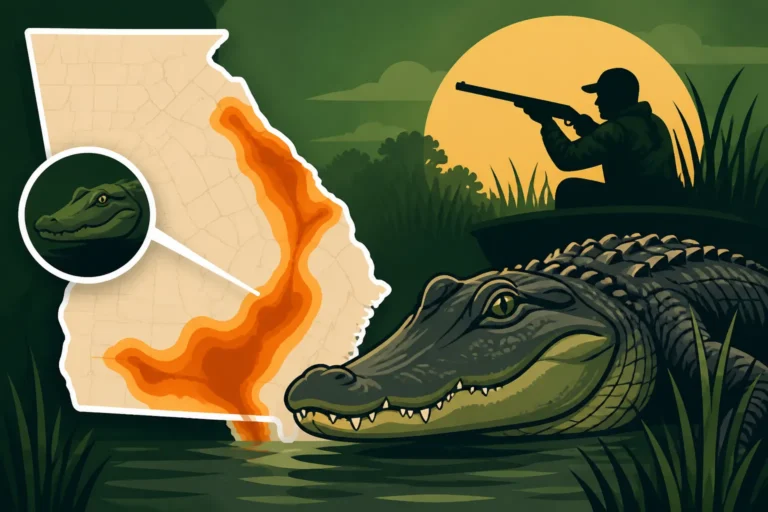
When natural feeding grounds are disrupted or reduced, alligators, being highly adaptable predators, will seek out new sources of food and shelter. A well-stocked backyard pond or a calm canal can become an attractive alternative. This shrinking of wild spaces and expansion of human-dominated landscapes means that encounters are no longer just happening in remote wilderness areas, but increasingly in suburban and even urban fringe environments. This fundamental shift in land use is a major driver behind the rising number of Georgia Alligator Nuisance Complaints. Understanding these patterns can be helped by looking at comprehensive mapping tools like those offered by GoHunt, which can show you where developed land meets prime wildlife habitat, helping you gauge potential encounter zones. Knowing Where Georgia's Alligators Concentrate can also help residents be more aware in certain regions.
Illegal Feeding and Habituation
Perhaps the most significant human factor contributing to nuisance alligator calls is the illegal and incredibly dangerous practice of feeding them. Whether intentional or unintentional, providing food to alligators breaks down their natural fear of humans. An alligator that associates people with an easy meal—be it discarded fish guts, bait, or even direct hand-feeding—will quickly lose its natural caution. They begin to approach boats, docks, and shorelines with expectation rather than fear. This habituation is incredibly detrimental to both humans and alligators.
When an alligator becomes habituated to humans, it starts to see people as a food source or at least a source of food. This is when the perceived "nuisance" escalates to a genuine danger. They might approach children or pets, not necessarily with malice, but with the expectation of a handout, which can quickly turn into a dangerous situation. Wildlife officials emphasize that a fed alligator is a dead alligator, because once they become a threat due to habituation, they almost always have to be removed and often euthanized for public safety. It’s a tragic outcome that is entirely preventable. Always remember: never feed an alligator, and never leave food scraps or bait where they can easily access them. Your actions directly impact their survival and human safety.
What Constitutes a Nuisance Alligator in Georgia
Not every alligator sighting warrants a call to wildlife authorities. In fact, most alligator sightings are simply observations of wildlife in its natural habitat. It's crucial for Georgia residents to understand the difference between a natural presence and a genuine nuisance.
Defining "Nuisance"
In Georgia, an alligator is generally considered a "nuisance" when it poses a direct threat to humans, pets, or livestock, or when it has lost its natural fear of humans due to conditioning (like being fed). Seeing an alligator in a swamp, pond, or river is usually not a nuisance; it's just nature. However, if an alligator is persistently approaching people, stalking pets, blocking access to a public area, or showing unusual aggression, then it qualifies. For instance, an alligator repeatedly basking on a private dock or driveway might become a nuisance if it prevents access and displays defensive behavior when approached. An alligator found in a swimming pool, far from its natural habitat, would also be a nuisance.
It's important to differentiate between a defensive alligator and an aggressive one. A female defending her nest or young may charge or hiss, but this is a warning to stay away, not necessarily an intent to attack unless provoked further. An alligator that has been fed, however, might approach a person without warning, expecting food, and that behavior presents a much higher risk. That's why reports of nuisance alligators are taken seriously by the Georgia Department of Natural Resources (DNR). They often rely on citizen reports to monitor situations, and tools like GoHunt can help residents quickly identify land features or waterways relevant to their report. How Many Alligators Georgia Has and Georgia Alligator Population Estimate are factors considered in nuisance management.
Reporting a Nuisance Alligator
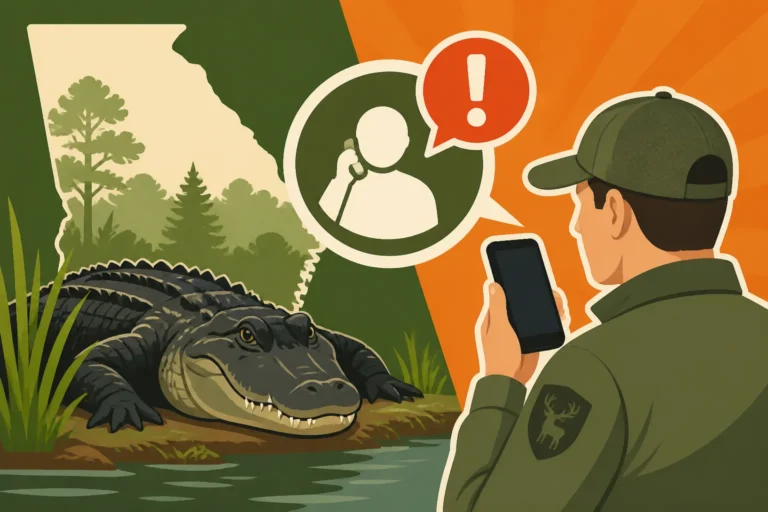
If you believe you have encountered a genuine nuisance alligator in Georgia, the proper course of action is to contact the Georgia Department of Natural Resources (DNR) Wildlife Resources Division. Do not attempt to deal with the alligator yourself. Their trained professionals are equipped to assess the situation and determine the appropriate response. When you call, be prepared to provide as much detail as possible: the exact location, the alligator's size (estimate), its behavior, and how long it has been observed. It's also helpful to note if anyone has been feeding the alligator.
The DNR's response will depend on the severity of the situation. For alligators that are merely present but not acting aggressively, they might simply advise residents on how to coexist safely. If the alligator is deemed a true threat or has become habituated to humans, they will dispatch a licensed alligator agent or wildlife biologist to trap and remove it. These agents are trained in safe handling and removal techniques. It's a regulated process, sometimes culminating in the alligator being harvested under strict guidelines. Hunters who participate in the state's quota hunt program, having secured an Applying for an Alligator Quota Permit, operate within a different framework, but their efforts are also part of managing the overall alligator population.
Coexisting Safely with Alligators
Living in Georgia means sharing our beautiful state with a diverse array of wildlife, including alligators. Coexistence is not only possible but essential. The most important rule to remember is: never feed alligators. This cannot be stressed enough. Feeding them teaches them to associate humans with food, making them dangerous. It's also illegal. Beyond that, here are some critical safety tips:
- Maintain a Safe Distance: Always keep your distance from alligators, especially when you see one. If you spot an alligator, observe it from afar. A good rule of thumb is at least 60 feet (the length of four school buses).
- Supervise Children and Pets: Children and pets are particularly vulnerable due to their smaller size and inquisitive nature. Keep them away from the edges of bodies of water where alligators might be present. Pets should always be on a leash near water and never allowed to swim in areas known to have alligators.
- Be Aware of Your Surroundings: Alligators are most active during dawn and dusk. Be extra cautious during these times near water. Avoid swimming or allowing pets to swim in areas with known alligator populations, especially in murky water where visibility is poor.
- Dispose of Fish Scraps Properly: If you're fishing, bag and dispose of fish entrails and bait in a trash receptacle, away from the water's edge. Don't throw them into the water, as this attracts alligators and can lead to habituation.
- Don't Harass or Provoke: It's illegal and incredibly dangerous to harass an alligator. They are wild animals and can move with surprising speed on land and in water.
- Clean Up Your Yard: Remove dense vegetation near the water's edge that could provide cover for alligators. This makes them less likely to feel comfortable taking up residence too close to your home.
By following these simple guidelines and understanding the natural behaviors that make alligators more active in the summer, we can significantly reduce the potential for negative encounters and enjoy our time outdoors in Georgia's beautiful natural environment. For those interested in the broader regulatory framework, you can always check details like the Georgia Alligator Season Opening Date or Minimum Legal Alligator Length in Georgia if you're exploring the hunting aspect of alligator management.
Disclaimer
This article is for general informational purposes only and does not constitute professional advice. Laws, prices and regulations vary by location and change over time. Consult a qualified professional for guidance on your specific situation.