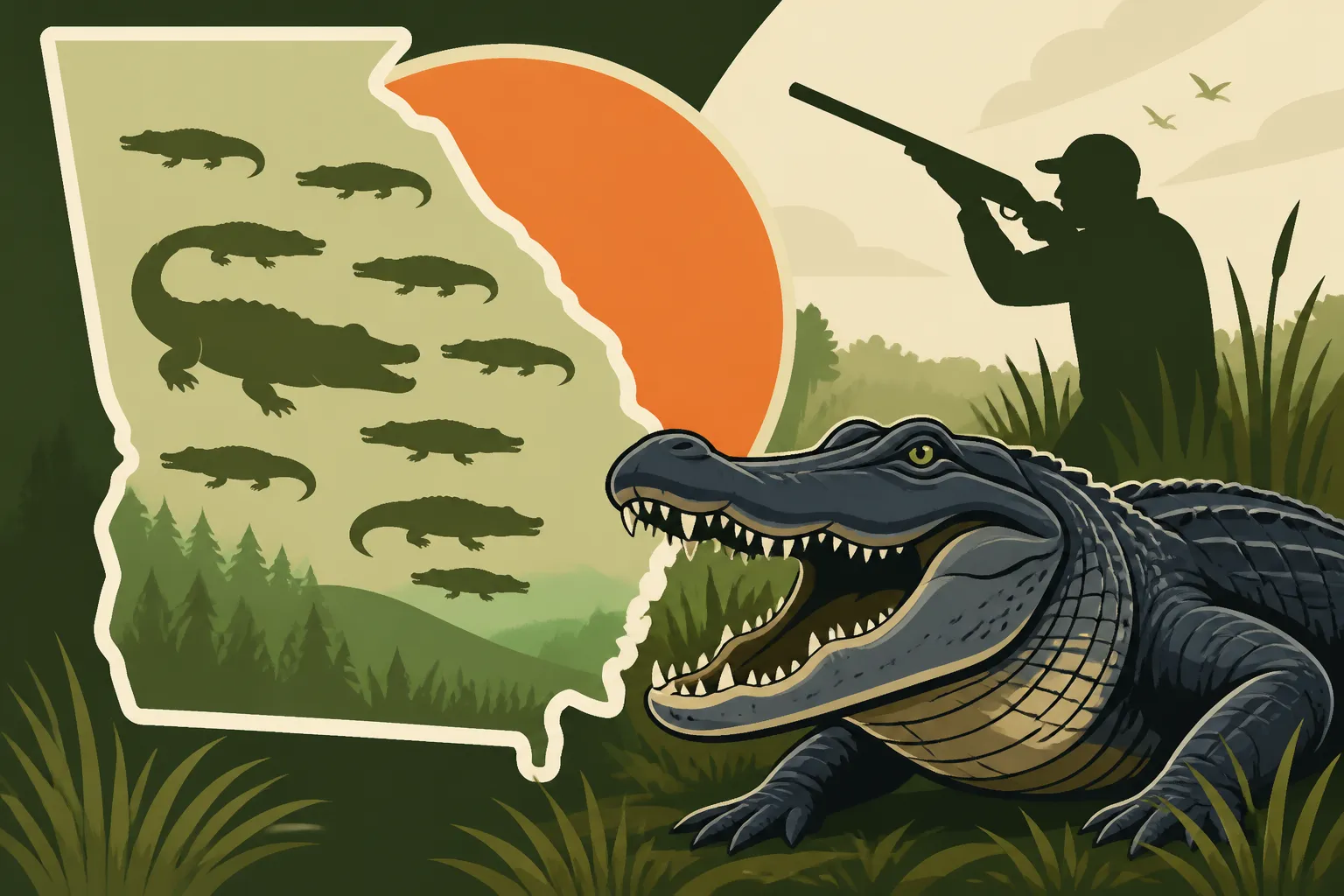
Georgia Alligator Population Estimate
There's a unique sense of wonder and a touch of trepidation that comes with knowing American alligators share our Georgia landscapes. For many, the sight of a gator slipping silently into a blackwater swamp is a quintessential Southern experience, yet the sheer thought of their numbers can be daunting, especially when concerns about safety or property arise. This guide will take a deep dive into how Georgia manages and estimates its alligator population, providing clarity on these ancient reptiles and their place in our ecosystem.
Understanding Georgia's Alligator Presence
When you think about Georgia, images of longleaf pine forests, rolling Piedmont hills, or even the bustling cityscape of Atlanta might come to mind. But venture south and east, and you enter prime alligator country. These magnificent reptiles have been a part of Georgia's natural heritage for millions of years, adapting to everything from coastal marshes to inland rivers. Understanding their historical journey and where they currently thrive helps us appreciate their resilience and the delicate balance of our ecosystems.
Historical Context of Alligators in Georgia
It’s hard to imagine now, but there was a time when the future of the American alligator looked bleak. Back in the early to mid-20th century, uncontrolled hunting for their valuable hides led to a dramatic decline in alligator populations across the southeastern United States, including Georgia. They were even listed as an endangered species in 1967. This period was a harsh reminder of how human activity can impact even the most formidable creatures. Without protection, Georgia's swamps and rivers would have been eerily quiet, missing one of their most iconic residents.
Thankfully, through dedicated conservation efforts and strict regulations implemented by state and federal agencies like the Georgia Department of Natural Resources (DNR), the alligator made an incredible comeback. Their recovery is often hailed as one of the greatest success stories in wildlife conservation. By the time they were delisted from the endangered species list in 1987, their numbers had rebounded sufficiently to allow for regulated hunting once again, a testament to effective wildlife management. This historical perspective is crucial because it informs how we view and manage alligator populations today – balancing conservation with controlled opportunities for interaction and hunting.
Geographic Distribution Across the State
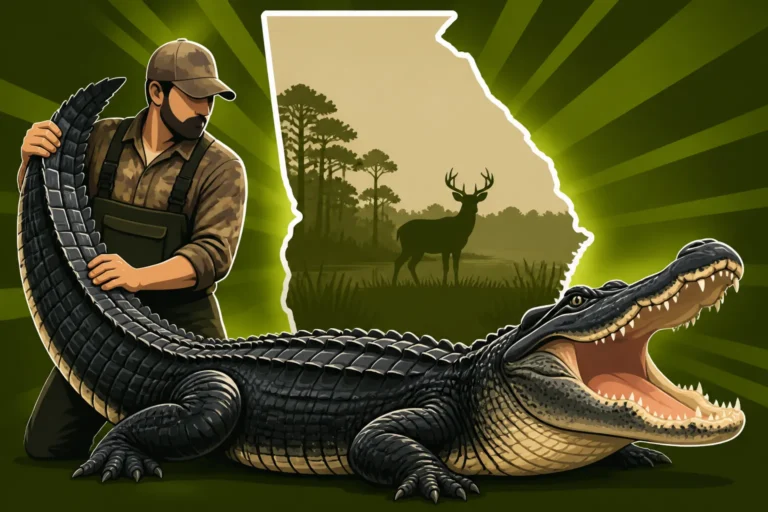
While alligators are often associated with Florida's Everglades, Georgia boasts a significant and healthy population, primarily concentrated in the Coastal Plain and its associated wetlands. You won't find large numbers of them lounging on rocks in the North Georgia mountains, but head south of the Fall Line, and their presence becomes undeniable. Major river systems like the Altamaha, Ogeechee, Satilla, and St. Marys, along with the vast expanses of the Okefenokee Swamp, are prime habitats. These areas provide the perfect blend of slow-moving water, abundant prey, and suitable nesting sites.
Alligators thrive in freshwater and brackish environments, making coastal marshes, tidal creeks, and the lower reaches of major rivers ideal homes. However, it’s not uncommon to find them further inland in farm ponds, drainage ditches, and even suburban lakes in the southern half of the state. Their adaptability allows them to colonize new areas, sometimes leading to unexpected encounters. Knowing Where Georgia's Alligators Concentrate is vital for residents and visitors alike, as it helps inform safety practices and provides insight into where populations are densest and management efforts are most focused.
How Georgia Estimates Alligator Numbers
You might wonder how wildlife biologists arrive at a population estimate for a reptile that spends so much of its life hidden beneath the surface or camouflaged in dense vegetation. It's certainly not as simple as counting deer in a field! Estimating alligator numbers requires specialized techniques and a deep understanding of their behavior and habitat. The Georgia DNR employs a combination of scientific methods to gather data, providing a robust, though never perfectly exact, picture of the state’s alligator population.
Survey Methods Employed by GA DNR
The primary method for estimating alligator populations in Georgia, and across much of the Southeast, involves night spotlight surveys. Biologists travel designated routes, usually in boats or airboats, along rivers, lakes, and marshes after dark. Alligators have reflective tapeta lucida in their eyes, causing their eyes to glow red when illuminated by a spotlight. This makes them relatively easy to spot at night. Surveyors record the number of alligators seen, their estimated size, and their location. Repeated surveys over the same routes help establish trends and densities in specific areas.
Beyond spotlight surveys, other methods contribute to the overall understanding of the population. Nest surveys, for instance, involve locating and counting alligator nests in known breeding areas. The number of successful nests can indicate reproductive health and future recruitment into the population. Biologists also track the number of Georgia Alligator Nuisance Complaints and harvest data from regulated hunts, which can provide additional insights into population dynamics and distribution. While no single method provides a perfect count, combining these data points allows the DNR to generate reliable estimates and track population changes over time.
Challenges in Accurate Population Assessment
Estimating any wildlife population is a complex task, and alligators present their own unique set of challenges. Their cryptic nature is a major hurdle; they spend a lot of time submerged, camouflaged, or in dense vegetation, making them incredibly difficult to spot, even with spotlights. The vast and often inaccessible nature of Georgia's wetlands, like parts of the Okefenokee Swamp, means that not all habitats can be surveyed with equal intensity or frequency. This can lead to variations in data collection and extrapolation.
Furthermore, environmental factors play a significant role. Water levels, temperature, and even lunar phases can influence alligator activity and their visibility during surveys. For example, during colder periods, alligators are less active and may be harder to detect. The sheer size and diversity of alligator habitat in Georgia, from deep cypress swamps to shallow tidal creeks, necessitate different survey approaches, adding another layer of complexity. Despite these challenges, the Georgia DNR continually refines its methods and utilizes modern technology, often partnering with academic institutions and using tools like GoHunt for mapping and data management, to ensure the most accurate assessments possible.
The Current Georgia Alligator Population Estimate
So, what's the bottom line? How many alligators are slithering, swimming, and sunning themselves across Georgia's waterways? Thanks to decades of conservation success and diligent monitoring, the state boasts a robust and healthy alligator population. The numbers aren't fixed; they fluctuate with environmental conditions, habitat changes, and management practices, but the overall trend has been positive.
Key Figures and Trends
While the Georgia DNR doesn't release an exact, single number for the entire state's alligator population (as it's a dynamic, estimated figure rather than a census), various studies and assessments indicate a thriving population. Estimates often place the number well into the hundreds of thousands, if not approaching a million, when considering all age classes across their vast habitat. This is a far cry from the critically low numbers of the mid-20th century. The recovery has been so successful that many areas are at or near their carrying capacity, meaning the habitat is supporting as many alligators as it reasonably can.
Trends show that alligator populations remain stable or are even increasing in many of their core habitats, particularly in the Coastal Plain. Harvest data from the regulated alligator hunting season, which issues a limited number of tags, consistently shows a healthy number of mature animals available. This consistent availability of harvestable alligators year after year strongly suggests a sustainable and self-perpetuating population. It’s a testament to the fact that Georgia's ecosystems are incredibly productive and able to support these apex predators.
Factors Influencing Population Health
The health and size of Georgia's alligator population are influenced by a complex interplay of environmental and biological factors. Habitat availability and quality are paramount. Extensive wetland systems, healthy fish populations (a primary food source), and suitable nesting sites are crucial for robust reproduction and survival. Areas with ample cypress swamps, marshlands, and slow-moving rivers tend to support higher densities of alligators. The preservation and restoration of these critical habitats are ongoing efforts that directly benefit the alligator population.
Climate also plays a significant role. Warmer temperatures generally lead to higher reproductive success and faster growth rates for alligators. Conversely, severe droughts can concentrate alligators in smaller water bodies, making them more susceptible to disease or predation, and potentially impacting nesting success. Human interactions, while sometimes challenging, are also a factor. Regulations on hunting, restrictions on feeding alligators, and public education campaigns all contribute to managing the population responsibly and minimizing negative encounters. Understanding these dynamics is essential for Georgia's long-term American Alligators in Georgia management strategies.
Implications of the Alligator Population for Georgia Residents and Hunters
A healthy alligator population is a sign of a thriving ecosystem, but it also brings unique considerations for the people who share their habitat. From ensuring public safety to providing recreational opportunities, managing these powerful reptiles is a balancing act. For many, the idea of a large gator population can evoke both fascination and a healthy dose of caution, and for good reason.
Nuisance Alligators and Public Safety
With a robust and growing alligator population, encounters between humans and alligators are inevitable, especially in areas where human development encroaches on wetland habitats. While alligators generally prefer to avoid people, they are powerful predators, and instances of "nuisance alligators" do occur. A nuisance alligator is typically one that has lost its fear of humans, often due to being fed, or one that poses a threat to pets or livestock, or is in an area where it shouldn't be (like a swimming pool). In these situations, the Georgia DNR has established protocols for handling such encounters.
It’s crucial for residents to understand that feeding alligators is illegal and incredibly dangerous, as it habituates them to humans and often leads to an alligator being designated as a nuisance. If you encounter an alligator that you believe poses a threat, it's always best to report it to local wildlife authorities rather than attempting to handle it yourself. The DNR's approach to nuisance alligators is to trap and remove them, often relocating smaller animals or, in cases of truly dangerous or habituated individuals, euthanizing them. This careful management helps ensure public safety while minimizing impact on the overall healthy alligator population.
Alligator Hunting and Management
Georgia’s regulated alligator hunting season is a prime example of successful wildlife management born from conservation. Once a protected endangered species, the alligator’s recovery allowed for the reintroduction of a limited hunting season, which serves several important purposes. Firstly, it provides a unique recreational opportunity for hunters, but more critically, it acts as a management tool. By issuing a specific number of tags and regulating harvest, the DNR can help control local populations, particularly in areas where densities are high, and reduce potential nuisance issues.
The season is structured as a quota hunt, meaning a limited number of permits are issued each year through a lottery system. Hunters apply for a specific zone, and if drawn, receive a tag for one alligator. This ensures that the harvest remains sustainable and doesn't negatively impact the overall population. The hunting season also generates valuable data for biologists, including size, sex, and health information from harvested animals, which further refines population estimates and management strategies. Understanding the Georgia Alligator Quota Hunt Rules is essential for anyone interested in participating, as the regulations are strict and designed to maintain a healthy balance. It's a way for hunters, using tools like GoHunt to scout and plan, to contribute directly to conservation efforts.
Conservation and Future Outlook for Georgia's Alligators
The journey of the American alligator from near extinction to a thriving population is a conservation success story. But like all wildlife management, it's an ongoing effort that requires continuous monitoring, habitat protection, and public involvement. The future of Georgia's alligators hinges on our collective commitment to responsible stewardship.
Ongoing Conservation Efforts
The Georgia DNR, in partnership with other state and federal agencies, continues to implement robust conservation programs for alligators. A cornerstone of these efforts is habitat preservation and restoration. Protecting the vast wetland ecosystems that alligators call home, such as the Okefenokee Swamp, coastal marshes, and river floodplains, is paramount. This includes safeguarding water quality, managing invasive species, and ensuring the connectivity of habitats to allow for natural movement and genetic diversity.
Research and monitoring also play a critical role. Biologists continuously conduct surveys, analyze harvest data, and study alligator ecology to better understand their population dynamics, health, and needs. This scientific data informs management decisions, ensuring that regulations are adaptive and based on the most current information available. Programs aimed at educating the public about alligator behavior, safety, and the importance of not feeding wild animals are also vital components, helping to foster coexistence and reduce human-alligator conflicts.
Role of Public Awareness and Reporting
Public awareness is perhaps one of the most powerful tools in alligator conservation. An informed public is better equipped to coexist safely with alligators and to contribute to their long-term survival. Education campaigns often highlight the dangers of feeding alligators, which can lead to them associating humans with food and becoming aggressive. Simple rules like keeping pets on a leash near water and maintaining a respectful distance from wild alligators are emphasized.
Furthermore, public reporting of nuisance alligators or any unusual sightings (such as an alligator in an unexpected location) is crucial for the DNR's management efforts. By calling the appropriate authorities, citizens help wildlife officials respond promptly to potential threats and gather important data on alligator distribution and behavior. This collaboration between the public and wildlife agencies, facilitated by easy access to information through resources like GoHunt, ensures that these ancient reptiles continue to thrive in Georgia's diverse and beautiful natural landscapes for generations to come. Applying for a Georgia Alligator Quota Hunt or understanding Georgia Alligator Season Opening Date are ways individuals can engage with and support this management system.
| Alligator Habitat Zone | Primary Location | Estimated Density (Approx.) | Key Characteristics |
|---|---|---|---|
| Coastal Plain Rivers | Altamaha, Ogeechee, Satilla, St. Marys Rivers | High | Deep, slow-moving water, abundant prey, good nesting |
| Coastal Marshes | Brunswick, Savannah, Golden Isles areas | Very High | Brackish water, tidal creeks, dense vegetation |
| Okefenokee Swamp | Southeast Georgia | Extremely High | Vast, inaccessible, blackwater swamp, high population |
| Piedmont Lakes/Ponds | South of Fall Line (isolated) | Low to Moderate | Isolated populations, often in man-made water bodies |
| Inland Floodplains | Major river bottoms (e.g., Oconee, Ocmulgee) | Moderate | Seasonal flooding, diverse habitat, good prey base |
Disclaimer
This article is intended for informational purposes only and should not be taken as legal advice or a substitute for official regulations. Hunting rules, seasons, and licensing requirements change frequently. Always consult the Georgia Department of Natural Resources (DNR) website and current hunting regulations before participating in any hunting activities. Safety should always be your top priority.