Why Georgia Caps Antlered Bucks at Two
Georgia regulations limiting hunters to two antlered bucks per season protect herd health and improve buck age structures.

Georgia regulations limiting hunters to two antlered bucks per season protect herd health and improve buck age structures.
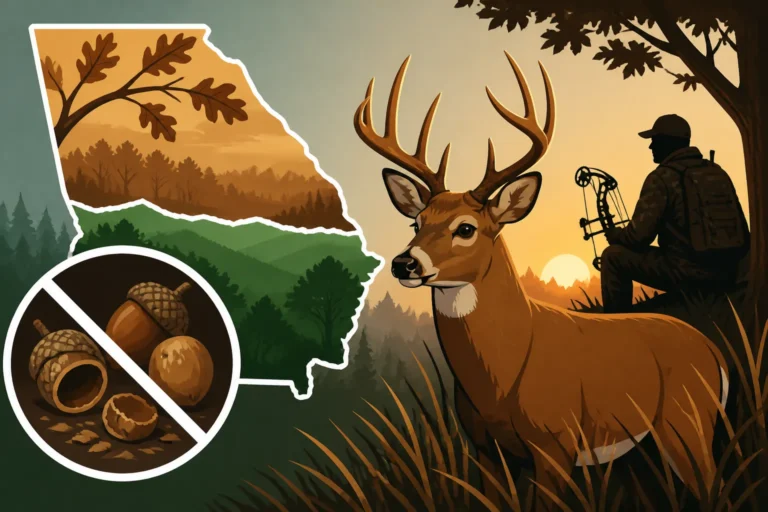
Georgia deer hunting strategies for low acorn years, explaining alternative food sources and whitetail dispersal patterns.
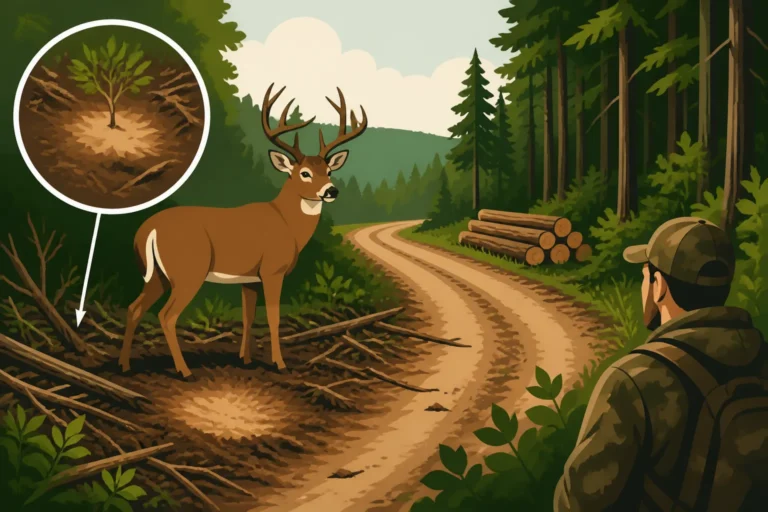
Georgia deer hunters find active scrape lines along logging roads by identifying fresh earth and licking branches overhead.
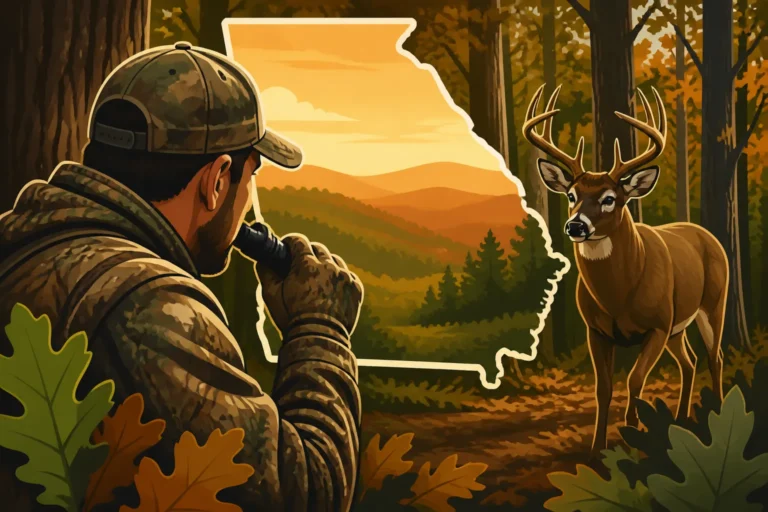
Mastering grunt calls in mature Georgia hardwoods helps hunters communicate with whitetails by decoding different deer sounds.

Thick pine plantations with needle beds, palmetto and gallberry act like an acoustic sponge, so a buck 75 yards away may barely hear rattling.
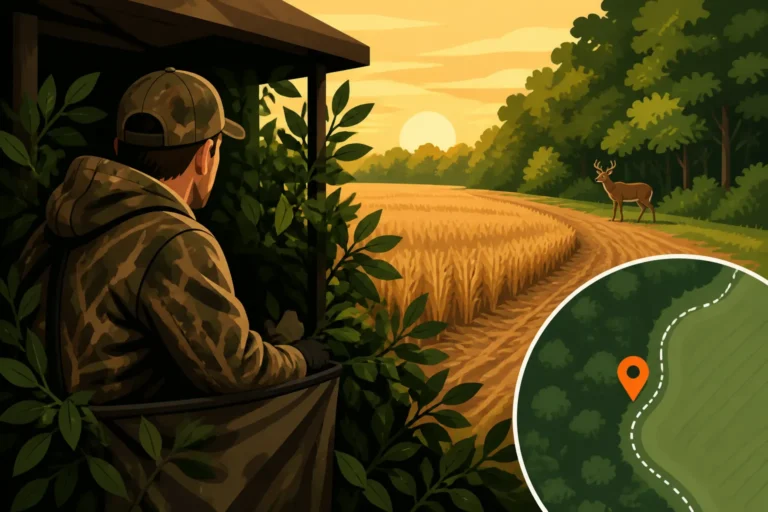
Properly brushing in a ground blind along a Georgia field edge prevents wary whitetails from spotting your setup and bolting.
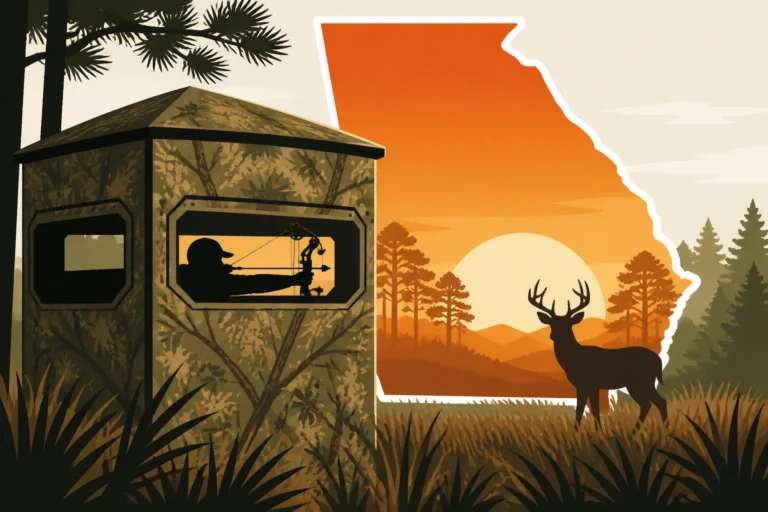
Ground blinds on Georgia public land provide tree independence and fall safety while concealing movements from wary deer and turkeys.
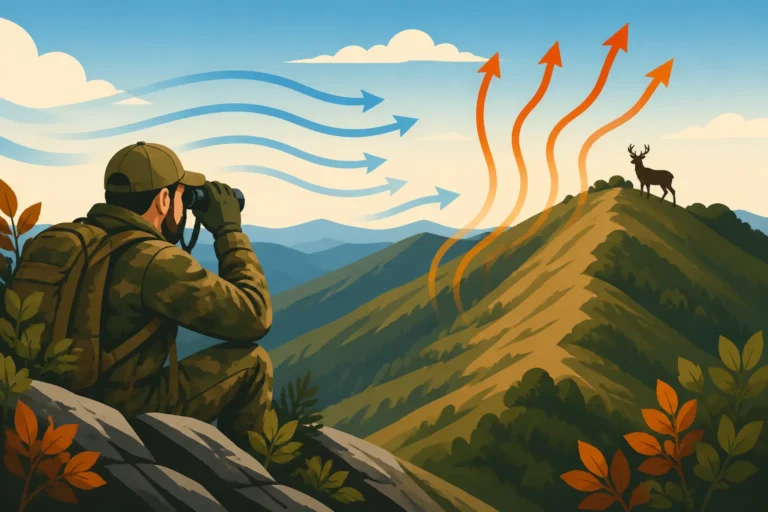
Mountain wind and thermal currents alter Georgia deer hunting success by carrying hunter scent up or down ridges at dawn and dusk.
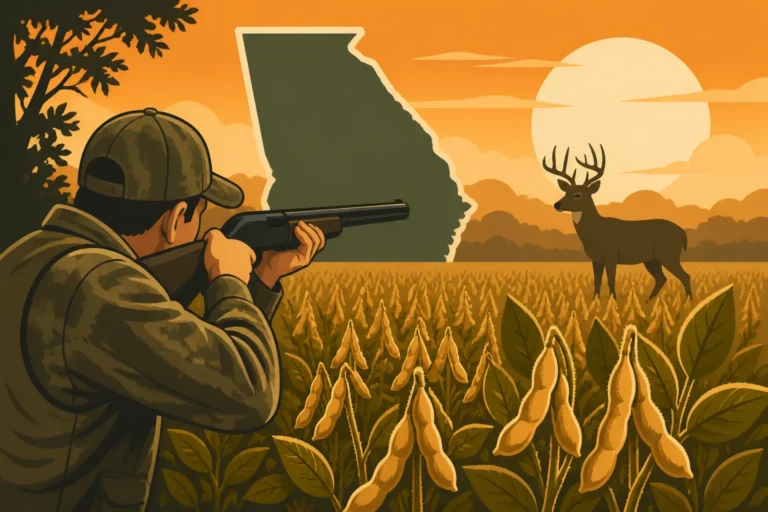
Georgia whitetail deer behavior in standing soybean fields reveals predictable travel lanes and bedding areas for hunters.

Stealthy entry routes through Georgia peanut fields help deer hunters reach ambush points without alerting whitetails within a quarter mile.