Why Georgia Caps Antlered Bucks at Two
It can be really frustrating, can't it? You spend months scouting, planning, and dreaming about deer season, only to remember that Georgia has a pretty strict limit on antlered bucks. Many hunters often wonder why the Georgia Department of Natural Resources (DNR) sets the antlered buck limit at just two per season. This guide will dive deep into the reasoning behind this rule, explaining how it benefits our deer herd, enhances hunter opportunities, and ultimately contributes to better hunting experiences across the state.
Understanding Georgia's Deer Management Philosophy
When you look at Georgia's deer regulations, it's easy to focus on the numbers – how many deer, what dates, what weapons. But behind those numbers is a carefully crafted management philosophy designed to ensure a healthy, thriving deer population for generations to come. It’s not just about letting hunters take deer; it’s about managing a complex ecosystem.
Balancing Hunter Opportunity and Herd Health
The Georgia DNR's primary goal isn't to create the highest possible deer population, nor is it to maximize individual trophy potential for every hunter. Instead, it's about striking a delicate balance: providing ample opportunity for hunters to get out in the woods and fill their freezers, while simultaneously maintaining a healthy and balanced deer herd. This means looking at factors like age structure, buck-to-doe ratios, and overall population density.
Think about it from a biological perspective. If every hunter could take as many antlered bucks as they wanted, especially young ones, the age structure of the buck herd would quickly skew heavily towards younger, smaller deer. This isn't ideal for herd health, genetic diversity, or the overall hunting experience. The two-buck limit is a tool, among others, to prevent this imbalance. It encourages hunters to be more selective, perhaps passing on a smaller buck early in the season in hopes of a larger, older deer later, while still allowing for a successful season with a reasonable harvest. This approach aims to create a sustainable future, where quality hunting experiences remain viable across different regions of the state, whether you're chasing deer in the mountains or the coastal plain.
The Role of Antlerless Harvest
While the antlered buck limit often gets the most attention, the true backbone of Georgia's deer management strategy lies in the generous antlerless deer opportunities. In many areas of the state, hunters can harvest up to ten antlerless deer, often referred to as does. This might seem counterintuitive if you're focused on "growing big bucks," but it's actually critical for achieving that goal and maintaining overall herd health.
Does are the reproductive engine of the deer herd. Too many does in an area can lead to overpopulation, which in turn causes excessive browsing pressure on vegetation, reduced body weights, lower fawn survival rates, and an increased risk of disease. By encouraging hunters to take antlerless deer, the DNR helps control herd growth, ensures that the remaining deer have adequate food resources, and keeps the buck-to-doe ratio closer to a natural balance. A balanced ratio means more breeding opportunities for mature bucks, less stress on does, and healthier fawns. It's about ensuring the entire herd, not just the bucks, is robust. So, while you're carefully deciding how to use your two buck tags, remember the importance of filling those doe tags as well; it's a vital part of responsible deer management in Georgia. You can learn more about How Many Antlerless Deer You Can Take in Georgia.
Data-Driven Decisions from Georgia DNR
The rules and regulations you see published each year by the Georgia DNR aren't just pulled out of thin air. They are the result of extensive biological research, population surveys, harvest data analysis, and ongoing monitoring of Georgia's diverse deer herds. Wildlife biologists and managers are constantly in the field, collecting information, running models, and assessing trends to make informed decisions.
They look at things like fawn recruitment rates, average buck age at harvest, observed buck-to-doe ratios, and hunter success rates. If data shows that too many young bucks are being harvested, or that the overall age structure of the buck herd is too young, regulations might be adjusted to encourage the protection of younger bucks. Conversely, if localized overpopulation issues arise, specific areas might see increased antlerless opportunities. Tools like Georgia Game Check, where hunters report their harvests, are invaluable for this data collection. This systematic approach ensures that the regulations are responsive to actual herd conditions rather than anecdotal evidence or single-season observations. It’s science in action, working to give us the best hunting experiences possible.
Why Two Antlered Bucks is a Strategic Number
The number "two" for antlered bucks might feel arbitrary, but it's a carefully considered figure that plays a pivotal role in achieving the state's deer management objectives. It’s a sweet spot that provides opportunities while simultaneously fostering a healthier, more robust deer herd.
Promoting Buck Age Structure
One of the biggest benefits of a two-buck limit is its impact on the age structure of the buck population. In areas with very high buck limits, hunters often take the first legal buck they see, regardless of age. This can lead to a phenomenon called "recruitment over-harvest," where too many young bucks are removed from the population before they have a chance to mature. This leaves a herd dominated by yearling bucks, which typically have smaller antlers and fewer opportunities to breed.
By limiting hunters to two antlered bucks, the DNR subtly encourages selectivity. If you know you only have two chances at a buck, you're more likely to pass on a smaller, younger deer in hopes of encountering a more mature animal later in the season. This allows more yearling bucks to survive, grow another year or two, and develop larger antlers, stronger bodies, and more robust genetics. This doesn't mean every hunter will pass on every young buck, but it does shift the collective behavior, resulting in a higher percentage of older, more mature bucks across the landscape. This is a critical component of producing a healthier herd and the potential for bigger deer, especially in regions like the Piedmont Versus Coastal Plain Deer areas which have differing growth rates.
Mitigating Over-Harvest Pressure
Deer hunting is incredibly popular in Georgia, and with a long season that includes archery, primitive weapons, and firearms, there's significant hunting pressure across many areas, both public and private. Without limits, certain regions or specific properties could easily experience localized over-harvest of antlered bucks, particularly those that are easily accessible or heavily hunted.
The two-buck limit acts as a crucial safeguard against this. It spreads the harvest pressure more evenly among the available bucks and across a wider base of hunters. Instead of a few hunters taking a large number of bucks, many hunters can still enjoy success without depleting the mature buck population. This is especially important on public lands, like those in the Chattahoochee-Oconee National Forest, where hunter density can be quite high. By putting a cap on individual buck harvest, the state helps ensure that there are enough mature bucks remaining to continue the breeding cycle and to provide quality hunting experiences year after year. It prevents the kind of boom-and-bust cycles that can occur when management is too permissive.
Spreading Success Across Hunters
Let's be honest, hunting is about the experience, but filling a tag is a huge part of that success for many of us. The two-buck limit helps to distribute that success more equitably among Georgia's large hunting population. If there were no limits, or very high limits, a small percentage of highly skilled or well-resourced hunters could potentially harvest a disproportionate number of bucks, leaving fewer opportunities for everyone else.
By capping the antlered harvest at two, it ensures that a greater number of hunters have the chance to take a buck each season. This keeps participation high, fosters a sense of community, and ultimately contributes to the financial health of wildlife conservation through license sales and Pittman-Robertson funds. While some might wish for more buck tags, the current system allows a broader base of hunters to experience the thrill of harvesting an antlered deer, rather than concentrating that opportunity in the hands of a few. It’s a democratic approach to wildlife management that benefits the entire hunting community, from the seasoned veteran to someone just starting their journey after taking a Georgia Hunter Education Requirements course.
The Practical Impact on Your Hunting Strategy
Understanding why the two-buck limit exists is one thing, but knowing how to adapt your personal hunting strategy to these regulations is where the rubber meets the road. It forces a more thoughtful approach, which can lead to a deeper appreciation for the animals and the hunt itself.
Prioritizing Your Buck Tags
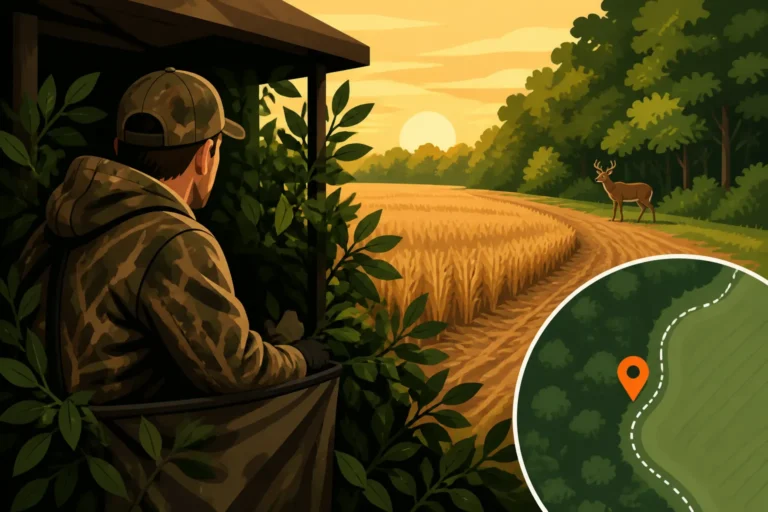
With only two antlered buck tags for the entire season, careful consideration becomes paramount. This isn't about rushing to punch a tag on the first legal buck you see. Instead, it encourages a more strategic approach, where you weigh the potential of a bigger buck later against the certainty of a smaller one now. This is where scouting, understanding deer movement, and utilizing tools like GoHunt to analyze public land opportunities really shine. You might be more inclined to pass on a small basket rack in early archery season, saving your tag for a mature buck during Hunting the Rut in Mid-October when big deer are often more active and visible.
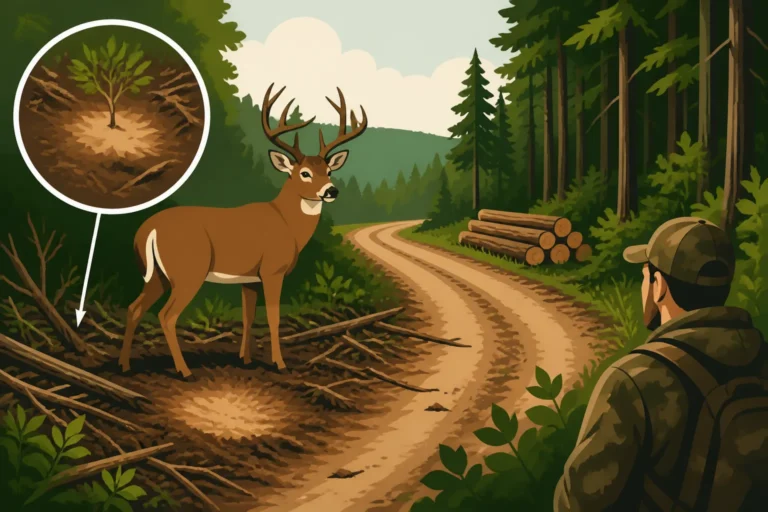
Many hunters use their first tag on a "meat buck" – a solid, healthy deer that provides venison for the freezer – and then hold their second tag for a truly exceptional animal. Others might use their tags based on specific properties, perhaps taking a buck on a familiar private tract and holding the second for a challenging public land hunt. It pushes you to become a better hunter, focusing on identifying mature deer, understanding their patterns, and waiting for the right opportunity. It’s a mental game as much as a physical one, teaching patience and discipline in the field.
Embracing Antlerless Opportunities
While the focus often drifts to antlered bucks, the two-buck limit inherently elevates the importance of antlerless deer harvest. With a generous statewide limit of ten antlerless deer, these tags offer tremendous opportunity for meat hunters and those looking to actively participate in herd management. Don't underestimate the thrill and challenge of pursuing a wise old doe!
Actively harvesting does is not only crucial for herd health, especially in areas with high deer densities, but it also provides an abundance of high-quality venison. If you're hunting with family or new hunters, focusing on antlerless deer can be a fantastic way to introduce them to the sport without the added pressure of buck fever. It shifts the mindset from purely "trophy hunting" to a more holistic approach that values all aspects of the deer harvest. Plus, it gives you more time in the woods! Many hunters will prioritize filling their antlerless tags after taking their first buck, or even before, ensuring their freezer is full while they wait for that dream buck to appear. Understanding the full Georgia's Twelve-Deer Bag Limit is key to maximizing your season.
Adapting to Local Herd Conditions
Georgia is a big state with incredibly diverse habitats, and deer herds vary significantly from one region to another. The two-buck limit provides a consistent framework, but your specific hunting strategy should always be adapted to the local conditions of where you hunt. A mature buck in the rugged North Georgia mountains might look very different from a mature buck in the agricultural fields of Southwest Georgia. Using resources like the Georgia Deer Population Estimate and researching specific regions can help you tailor your expectations and tactics.
For instance, in areas where deer numbers are lower, or where mature buck populations are naturally less dense, you might be more inclined to use your buck tags on animals you would pass in a region with higher densities. Conversely, in areas known for producing larger, older bucks, like some private land in the Coastal Plain, you might hold out even longer. This adaptability is critical for success and aligns with the DNR's flexible management approach. Tools like GoHunt's mapping features can also help you identify areas with good habitat and lower pressure, allowing you to make more informed decisions about where and when to hunt for those prized bucks. Remember, every hunting spot is unique, and a successful hunter knows how to read the landscape and the deer that call it home.
| Aspect | High Antlered Buck Limit (Hypothetical) | Georgia's Two-Buck Limit |
|---|---|---|
| Buck Age Structure | Skewed towards young, yearling bucks | Encourages older, more mature bucks |
| Hunter Success | Concentrated among fewer hunters | Wider distribution of buck harvests |
| Harvest Pressure | High risk of localized over-harvest | Mitigates pressure, promotes stability |
| Hunter Selectivity | Lower, often takes first legal buck | Higher, encourages passing on young bucks |
| Overall Herd Health | Potential for imbalance, disease risk | Better buck-to-doe ratio, healthier fawns |
Looking Ahead: The Future of Georgia Deer Management
Wildlife management is a dynamic field, constantly evolving as new research emerges, environmental conditions shift, and hunter demographics change. The two-buck limit, while effective, is part of a larger, ongoing conversation about how best to manage Georgia's cherished deer resource.
Ongoing Research and Public Input
The Georgia DNR doesn't just set rules and forget them; they are continuously engaged in research and monitoring efforts to assess the effectiveness of current regulations and identify areas for improvement. This includes extensive population surveys, harvest analyses, and health monitoring, especially with the emerging concerns like Chronic Wasting Disease. They also actively seek public input from hunters, landowners, and conservation groups. This feedback is invaluable, providing real-world perspectives that complement scientific data.
Through public meetings, online surveys, and direct communication, hunters have a voice in shaping future regulations. It’s important to stay informed about these discussions and participate when possible, as your experiences in the field contribute to the bigger picture. Groups like the Georgia Wildlife Federation also play a significant role in advocating for sound wildlife management practices. This collaborative approach ensures that management decisions are not only biologically sound but also reflect the values and desires of the hunting community. Staying updated on these developments can inform your own Scouting Georgia Public Land Before Season strategies.
Potential for Regional Differences
While the two-buck limit is a statewide regulation, Georgia's diverse geography and habitat mean that deer herds and hunting conditions can vary dramatically from the mountains to the coast. It's not uncommon for state wildlife agencies to consider or implement regional differences in regulations to address specific local challenges or opportunities.
For example, a high-density area with abundant food resources might be able to sustain a slightly higher buck harvest or different antlerless limits than a low-density area with limited habitat. While the two-buck limit provides a broad, effective framework, there might be future discussions about fine-tuning regulations in specific Wildlife Management Areas (WMAs) or regions to better address unique population dynamics. Hunters who spend time in specific areas, like those hunting Georgia Swamp and River Bottom Deer, understand these localized differences inherently. Monitoring these discussions and understanding the rationale behind any proposed regional changes is part of being an informed and engaged Georgia hunter.
The Hunter's Role in Conservation
Ultimately, the success of Georgia's deer management, including the effectiveness of the two-buck limit, rests heavily on the shoulders of hunters. Each time we head into the woods, we become stewards of the resource, and our actions have a direct impact on the future of the deer herd. Respecting bag limits, accurately Reporting a Deer Through Georgia Game Check, adhering to ethical hunting practices, and understanding the biological reasoning behind the regulations are all critical components of this responsibility.
Beyond just following the rules, hunters contribute financially to conservation through license and tag purchases, which directly fund wildlife management efforts. Our presence in the field also serves as a vital monitoring force, helping the DNR detect potential issues and gather ground-level observations. By embracing the two-buck limit not as a restriction, but as a strategic tool for managing a healthy, sustainable deer herd, we ensure that the rich tradition of deer hunting in Georgia will continue to thrive for generations to come. It's a partnership between wildlife professionals and the hunting community, working together for the good of the resource.
Disclaimer
Please remember that hunting regulations can change. Always consult the latest Georgia Department of Natural Resources (DNR) official hunting regulations guide before heading afield to ensure you are compliant with all current laws and rules. This article provides general information and should not be considered a substitute for the official regulations.