Hunting Deer After a Georgia Cold Front
Georgia deer hunting strategies for finding white-tailed deer and understanding their post-cold-front movement and feeding patterns.
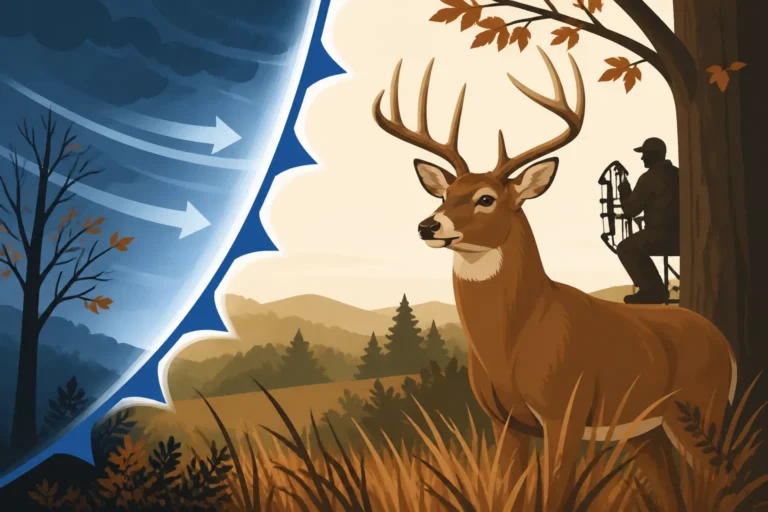
Georgia deer hunting strategies for finding white-tailed deer and understanding their post-cold-front movement and feeding patterns.
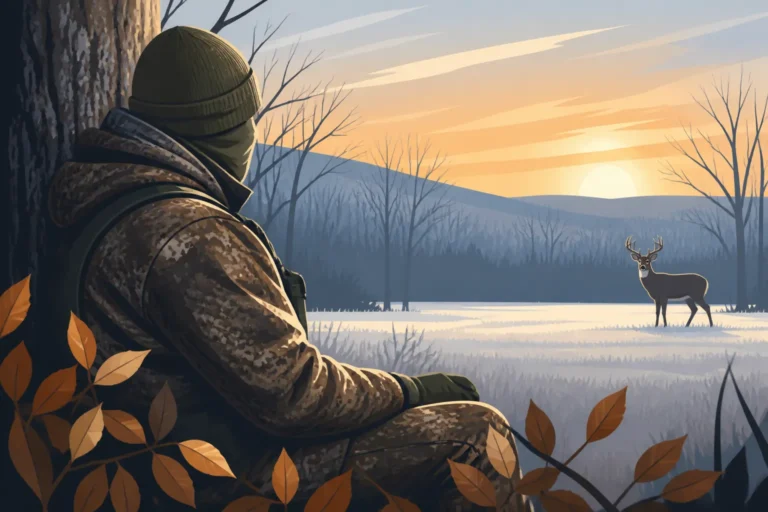
Cold-weather hunting strategies help hunters stay warm during frigid January mornings in Georgia and maximize late-season deer movement.
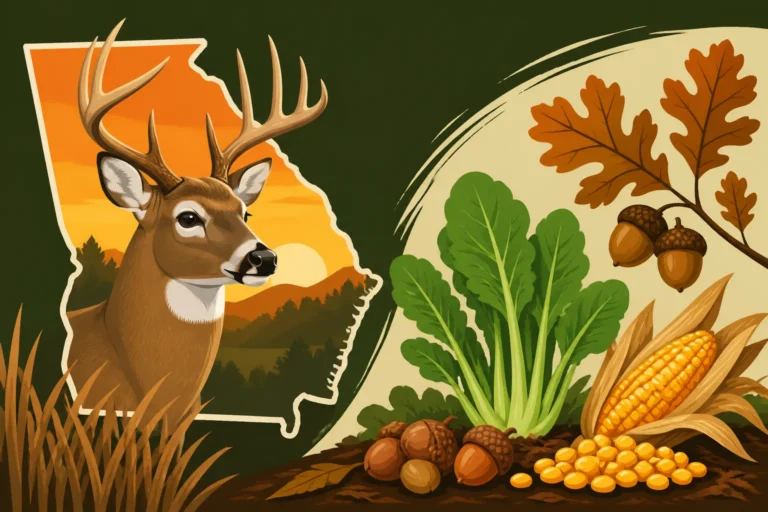
Georgia whitetail deer food sources in December and January help hunters locate and pattern animals during colder winter months.
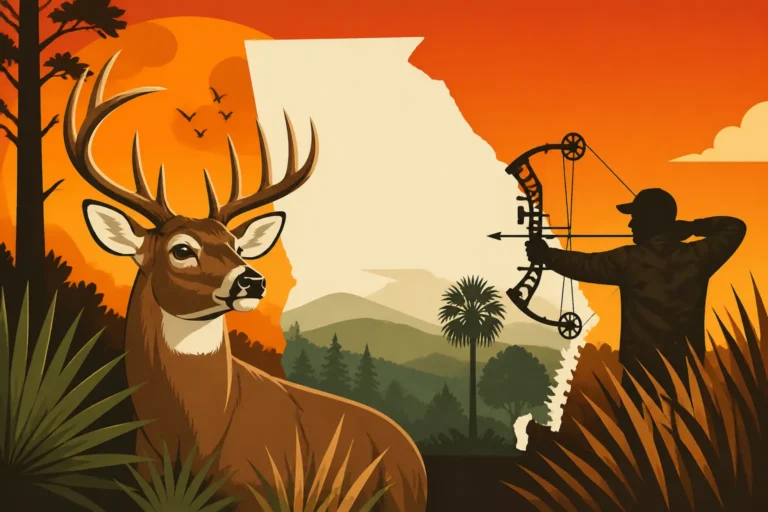
Georgia extended Southwest deer season dates, bag limits, and county boundaries let hunters pursue deer through January.
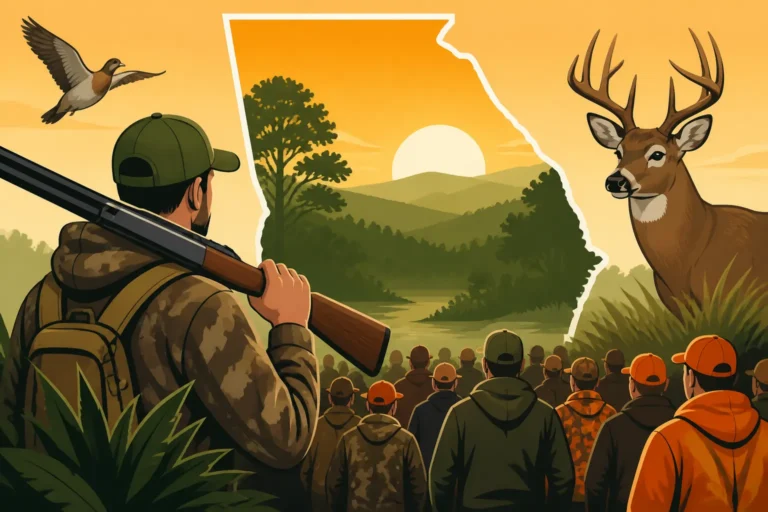
Georgia firearms deer season opening day attracts large crowds because of family traditions, peak rut timing, and broad accessibility.
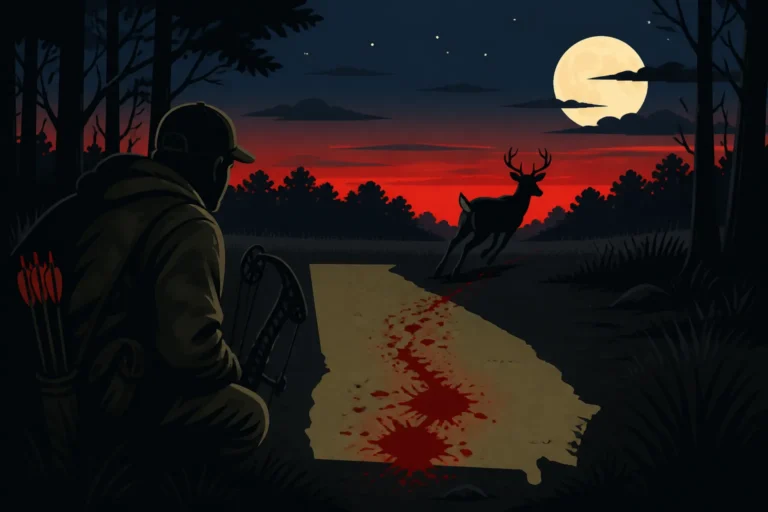
Blood trailing after dark in Georgia involves navigating tricky terrain, managing meat spoilage risks, and avoiding nocturnal predators.
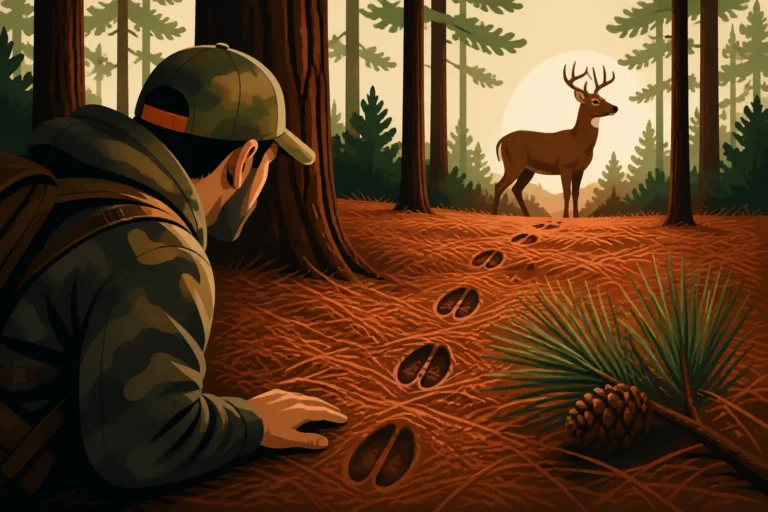
Tracking a deer through Georgia pine straw requires waiting thirty minutes for lung shots, marking the shot site, and checking body language.
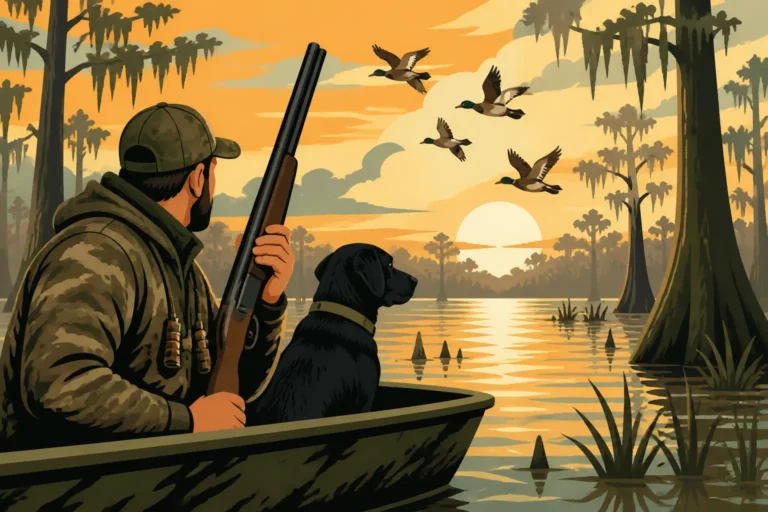
Georgia swamp deer drives require drivers to push animals toward posters positioned along swamp edges for ethical shots.
Small drives with three or four hunters are less conspicuous on public land, easier to coordinate on timing and direction, and push more deer past the standers.
Georgia deer hunters with ten antlerless tags learn regulations, bag limits, and harvest reporting requirements to fill their freezer.