Why the Ocmulgee Bear Population Stays Small
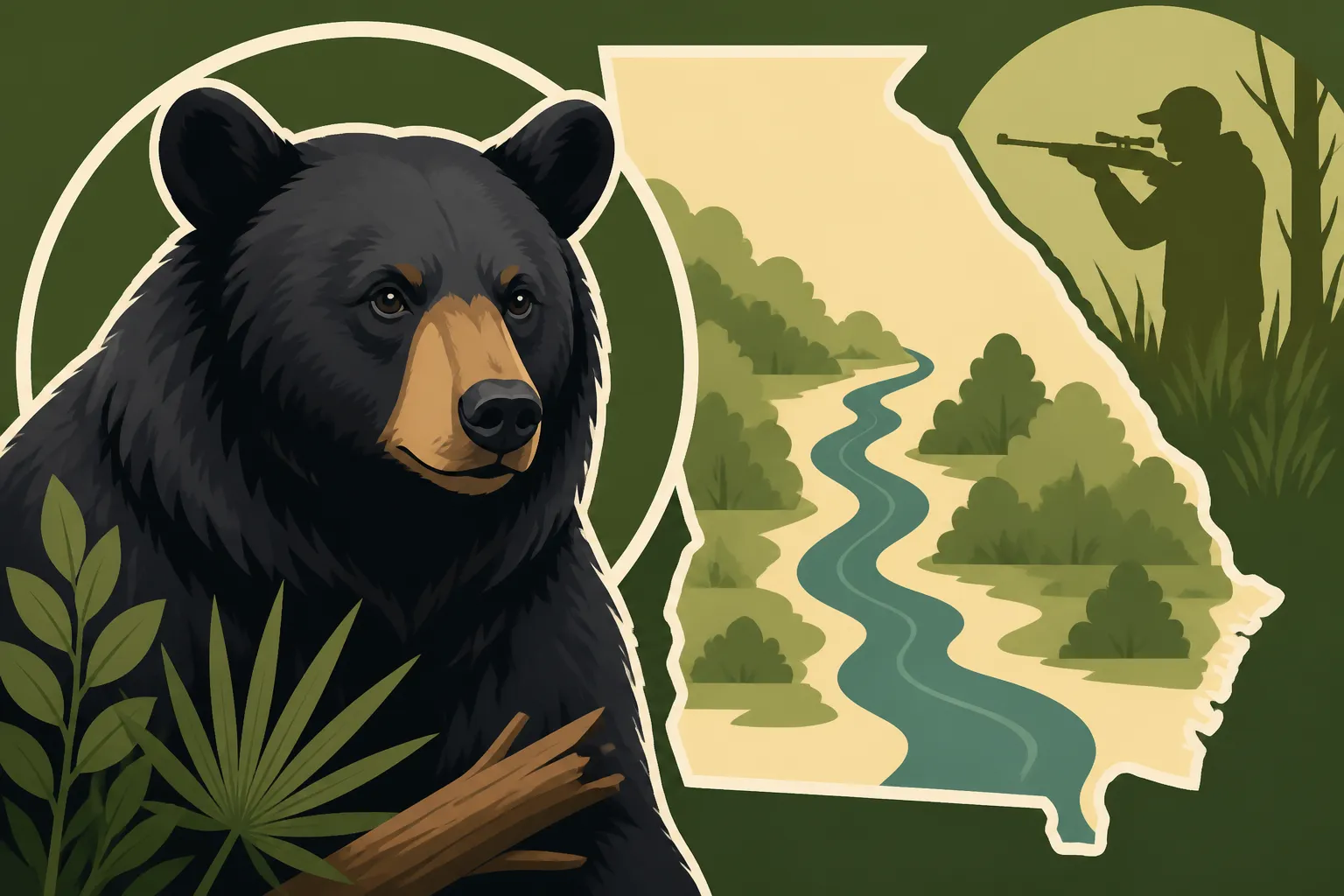
It's easy to look at a map of central Georgia, see the winding Ocmulgee River and its surrounding national forest, and assume it's prime black bear country, ripe for a thriving population. But if you're a hunter who's spent any time in the area, you know that spotting a bear here feels like finding a unicorn. This guide dives deep into the unique ecological, historical, and geographical factors that explain why the Ocmulgee bear population remains notably smaller than other regions in Georgia, offering insights into what makes this particular bear zone so challenging.
Historical Challenges and Fragmented Habitat
One of the biggest misconceptions about the Ocmulgee bear population is that it should naturally mirror the robust numbers found in north Georgia or the coastal plain. However, the Ocmulgee region has a distinctly different history and landscape, which has always presented significant challenges for black bears. Unlike the remote, rugged mountains of the Chattahoochee National Forest, or the vast, inaccessible swamps of the Okefenokee, the Ocmulgee area has been more heavily impacted by human settlement and agricultural development for generations.
Historically, black bears thrived in vast, undisturbed forests. The Ocmulgee River corridor, while wild in spots, has always been surrounded by more accessible, fertile lands. Over centuries, these lands were cleared for farming and timber operations, leading to habitat fragmentation long before modern conservation efforts. What we now call the Ocmulgee National Forest and surrounding state lands are often patches of forest surrounded by private agricultural fields, pastures, and growing suburban sprawl. This isn't the contiguous wilderness bears need to expand and roam freely without encountering human activity. Even today, if you consult mapping applications like GoHunt, you can clearly see how isolated many of these forest blocks are, making it difficult for bears to establish new territories or for young bears to disperse safely.
Consider the bear’s need for large, undisturbed territories. A mature male black bear might roam an area of 10 to 60 square miles, and females typically have ranges of 5 to 15 square miles. When you look at the Ocmulgee region, finding truly expansive, uninterrupted tracts of forest that large becomes incredibly challenging. Bears attempting to move between suitable habitat patches often encounter roads, houses, and fences, increasing their risk of vehicle collisions, accidental encounters with people, or even illegal harvesting. These constant pressures act as a significant cap on how much the population can grow and spread, forcing bears into smaller, more confined areas where resources might be scarcer.
Geographic Limitations and Resource Availability
Beyond historical habitat loss, the current geographic makeup of the Ocmulgee bear zone presents its own set of limitations. While the Ocmulgee River itself is a vital water source and provides some dense river bottom habitat, the surrounding uplands, particularly within the Ocmulgee National Forest, are often dominated by pine plantations or areas with less diverse natural food sources compared to the mast-rich hardwood forests of north Georgia.
Black bears are omnivores, and their diet relies heavily on seasonal availability of nuts, berries, and insects. In the mountains, you have extensive oak and hickory forests that produce reliable mast crops year after year, offering a consistent food supply. In the Altamaha and Okefenokee swamps, the diverse wetland ecosystems provide an abundance of fruits, roots, and small prey. The Ocmulgee, however, often falls into a middle ground that isn't as productive. While some areas do have good hardwood bottoms, large sections are less diverse, meaning bears have to cover more ground to find enough food. This increased travel not only expends more energy but also increases their chances of encountering humans. You can see this reflected when considering Where Ocmulgee Bears Range; their movements are often tied closely to the limited river corridors and remaining larger timber blocks.
Denning sites are another critical factor. Bears need secure, sheltered locations for hibernation and raising cubs. This could be a hollow log, a rock crevice, or a dense thicket. In fragmented landscapes, suitable, undisturbed denning sites can be harder to find, especially those that offer enough seclusion to ensure the safety of a sow and her cubs. When you compare this to the sheer vastness and ruggedness of the Blue Ridge Wildlife Management Area, it's clear the Ocmulgee simply doesn't offer the same abundance of ideal, low-disturbance denning habitat, which directly impacts cub survival rates and, consequently, population growth.
Human Presence and Management Strategies
The relationship between humans and bears in the Ocmulgee zone is a delicate balance that also plays a significant role in limiting population growth. Unlike more remote bear habitats, the Ocmulgee region has a higher human population density and a landscape that brings bears into more frequent contact with people. This proximity inevitably leads to human-wildlife conflict, whether it’s bears raiding trash cans, agricultural damage, or vehicle collisions.
Hunting Pressure and Season Structure
Hunting is a tool used by wildlife agencies to manage bear populations and can be a factor in their numbers. For the Ocmulgee bear zone, the season structure is notably brief compared to other regions, typically only running for a few days rather than weeks. This conservative approach to the hunting season is a direct reflection of the smaller, more vulnerable population. The specific rules for Why the Ocmulgee Bear Season Runs Days Not Weeks are designed to allow a limited harvest without over-pressuring the population, acknowledging its precarious status.
| Georgia Bear Zone | Typical Season Length | Habitat Characteristics | Primary Limiting Factors |
|---|---|---|---|
| Northern Zone | Weeks | Mountainous, extensive hardwoods | Habitat fragmentation (minor) |
| Ocmulgee Zone | Days | River bottom, fragmented forest | Habitat loss, human proximity, limited food diversity |
| Altamaha/Okefenokee | Weeks | Vast swamps, coastal plain forest | Poaching (historical), habitat conversion (minor) |
This table clearly illustrates the difference in approach, highlighting the Ocmulgee's unique situation. The Department of Natural Resources (DNR) monitors bear populations closely, and harvest quotas in the Ocmulgee zone are often very low, or even zero in some years, depending on population estimates and observations. This careful management is crucial to prevent further decline, but it also means there isn't significant room for the population to boom. For a deeper dive into statewide numbers, you might be interested in Georgia Bear Harvest Trends to see how Ocmulgee compares to other zones.
Conservation and Land Use Challenges
Beyond direct hunting pressure, broader land use patterns around the Ocmulgee continue to challenge bear recovery. The expansion of suburban areas around cities like Macon means more roads, more development, and less contiguous habitat. Even though efforts are made to protect river corridors, these linear strips of habitat are often not enough to support a robust, expanding bear population on their own. Bears are highly intelligent and adaptable, but they still require space and resources to thrive.
Furthermore, public education on living with bears is vital. As bears occasionally venture out of the national forest and into residential areas looking for food, conflicts arise. When people don't secure attractants like garbage, pet food, or bird feeders, bears can become habituated to human food sources, which often leads to unfortunate outcomes for the bears themselves. While the DNR works to mitigate these issues, the sheer volume of human activity in and around the Ocmulgee bear range makes it an uphill battle. If you're looking to understand the broader context of bear management in Georgia, exploring Georgia's Three Bear Hunting Zones can give you a more complete picture of the different strategies employed across the state.
Looking Ahead: The Future of Ocmulgee Bears
Despite the challenges, the presence of any bear population in the Ocmulgee zone is a testament to the resilience of these animals and the dedication of wildlife agencies. The Ocmulgee National Forest and other public lands, while fragmented, serve as crucial refugia. Conservation efforts, such as restoring native habitats and acquiring additional tracts of land, are ongoing. Understanding the historical context and the specific geographic limitations of this area is key to appreciating why the Ocmulgee bear population remains small, and what it takes to protect the bears that do call it home.
For hunters, this means approaching the Ocmulgee bear season with realistic expectations and a deep understanding of the regulations. It's not about a high success rate, but rather about the opportunity to experience a unique hunt in a challenging environment and contribute to responsible wildlife management. Whether you're scouting with mapping tools like GoHunt or just enjoying the beauty of the river bottom, remember the unique story of the Ocmulgee bear. If you're planning a trip to this area, make sure you're up-to-date on all regulations, including Hunting the Ocmulgee River Corridor Deer, as seasons can sometimes overlap or impact strategies. Ultimately, the small but persistent Ocmulgee bear population is a symbol of Georgia's diverse wildlife, reminding us of the complexities of conservation in a rapidly changing landscape.
Disclaimer
This article is for general informational purposes only and does not constitute professional advice. Laws, prices and regulations vary by location and change over time. Consult a qualified professional for guidance on your specific situation.