Georgia Disability Hunting Permits
It can be incredibly disheartening when you love the outdoors and the tradition of hunting, but physical challenges seem to put it just out of reach. For many passionate hunters in Georgia living with a disability, the dream of heading into the woods, scouting a new spot, or patiently waiting for game felt like it was slipping away. You might worry about navigating rough terrain, securing specific licenses, or even just finding practical access. This guide is here to shed light on Georgia's disability hunting permits and programs, ensuring that everyone who wants to participate has the information and pathways to do so.
Understanding Georgia's Commitment to Accessible Hunting
Georgia has a rich hunting heritage, and the state's wildlife agencies understand that this tradition should be accessible to all its citizens, regardless of physical limitations. It's not just about compliance; it's about fostering a community where passion for the outdoors isn't stifled by a disability. The Georgia Department of Natural Resources (DNR) works continuously to ensure that appropriate provisions are in place, recognizing the unique challenges faced by hunters with disabilities.
Why Disability Permits Matter
Imagine growing up spending crisp autumn mornings in a treestand, or the thrill of calling in a gobbler in the spring. For someone who suddenly faces a mobility impairment or a permanent disability, the thought of losing those experiences can be crushing. That's where disability permits come in. They aren't just pieces of paper; they are keys that unlock opportunities, allowing individuals to continue pursuing their passion, or even discover it anew. These permits provide specific allowances and advantages that help level the playing field, making it possible to overcome some of the physical barriers that would otherwise make hunting impossible or extremely difficult. They represent an acknowledgement that hunting is more than just harvesting game; it's about connecting with nature, building camaraderie, and carrying on a time-honored tradition. Without these programs, a significant portion of our hunting community would be left out, losing the physical and mental benefits that come with being active outdoors.
The Legal Framework and Regulations
The foundation for these accessible hunting opportunities lies within Georgia's hunting and fishing regulations, guided by state and federal mandates concerning disability access. The Georgia DNR is tasked with interpreting and implementing these laws into practical programs that benefit hunters. For instance, the regulations outline what constitutes a qualifying disability, ensuring that the benefits are directed to those who genuinely need them. This framework covers everything from reduced license fees to specific access privileges on public lands, including various Wildlife Management Areas (WMAs). The details of these regulations are regularly reviewed and updated to best serve the hunting public, always with an eye towards maximizing inclusivity while maintaining conservation principles. It's a careful balance, ensuring that while opportunities are expanded, the integrity of wildlife management is upheld. Understanding this underlying structure helps hunters appreciate the thought and effort that goes into making these programs work.
Types of Disability Hunting Permits Available in Georgia
Georgia offers several distinct permits and programs tailored to address the diverse needs of hunters with disabilities. Each is designed to remove specific barriers, whether financial, physical, or logistical. It's important to understand the distinctions to ensure you apply for the correct permit that best suits your situation.
Permanent Disability Hunting Licenses
For many individuals living with a long-term, significant disability, the Permanent Disability Hunting License is a game-changer. This license is available to Georgia residents who have been certified by a physician as permanently disabled. The beauty of this license is its comprehensive nature: it often combines general hunting privileges with specific big game and waterfowl endorsements, all at a significantly reduced cost, or sometimes even free depending on the specific criteria. For example, a hunter certified as permanently disabled might receive a free lifetime disability hunting and fishing license, encompassing most hunting seasons. This alleviates the recurring financial burden of purchasing annual licenses, allowing hunters to focus on planning their trips rather than worrying about the next renewal date. This permit recognizes the ongoing nature of a permanent disability and aims to provide consistent access to hunting opportunities throughout the year, whether you're targeting deer in the fall or looking for doves in September. If you're looking to explore all the options, you might also want to read up on Georgia Hunting Licenses and What They Cost to see how these permits compare to standard options.
Mobility-Impaired Hunter Access Program
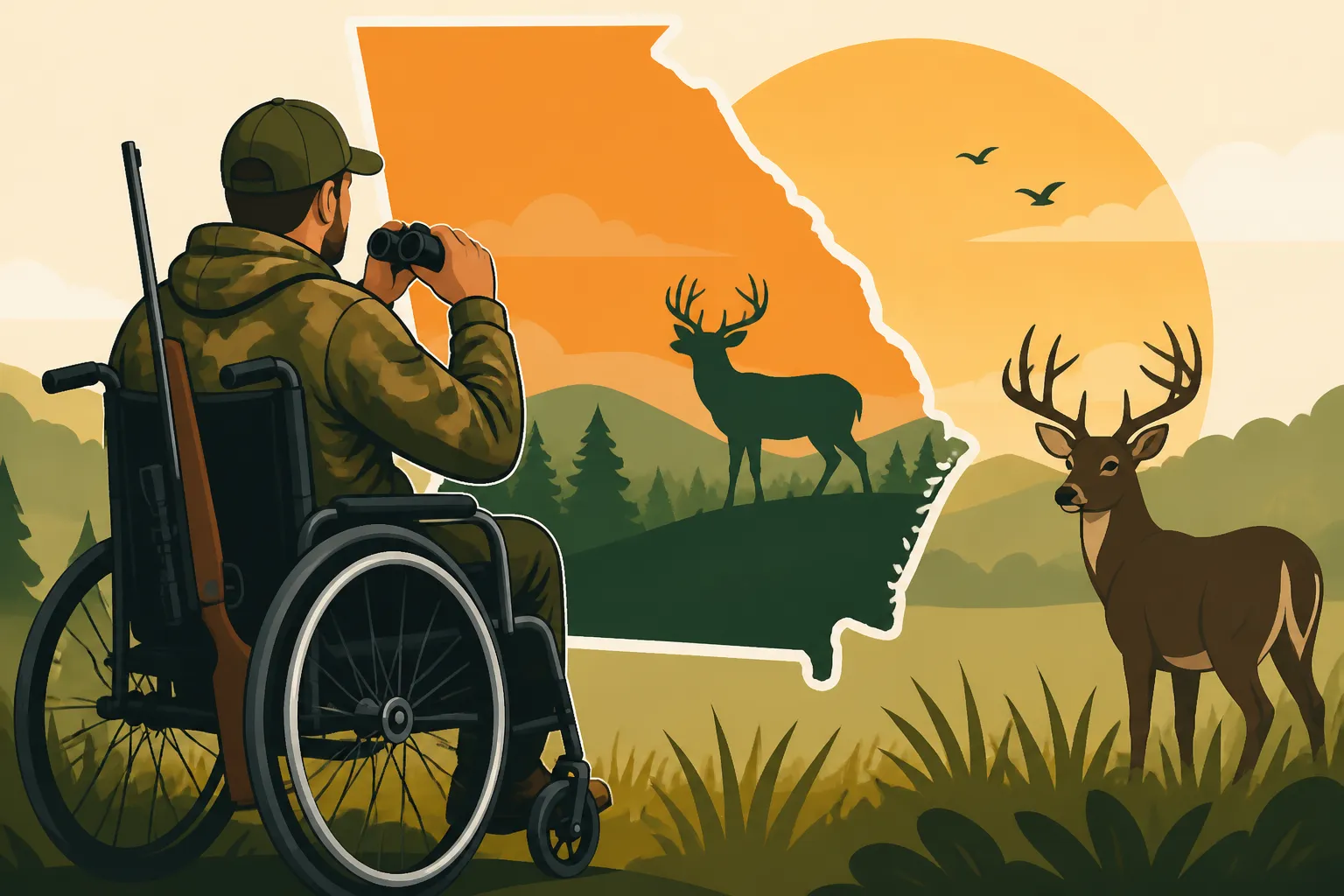
One of the biggest hurdles for hunters with physical disabilities, especially those with severe mobility impairments, is navigating rugged terrain on public land. The Mobility-Impaired Hunter Access Program is specifically designed to address this. This program provides special access opportunities, often involving designated roads or trails on specific WMAs that are normally closed to vehicles. Imagine being able to drive closer to your hunting spot, rather than having to hike miles through dense woods. This program can be a lifeline for hunters who rely on wheelchairs, scooters, or other mobility aids. Access can be granted via a specific permit that allows use of ATVs or UTVs on designated trails or provides key access to gates. These opportunities might be offered through specific quota hunts or general WMA access, always with the goal of minimizing physical exertion while maximizing hunting potential. It's about getting you closer to the action, allowing you to focus your energy on the hunt itself. For those interested in how this applies to specific areas, learning about Georgia Wildlife Management Areas will be highly beneficial.
Companion Permits for Assisted Hunting
Not all disabilities allow for independent hunting, and for some, having a trusted companion is essential for safety, assistance, and successful hunting. Georgia acknowledges this need through its companion permit system. This permit allows an able-bodied companion to assist a hunter with a disability, particularly during specialized hunts or when specific accommodations are necessary. For instance, a companion might be allowed to track game, retrieve harvested animals, or even help set up a blind or stand in areas where otherwise only the permitted hunter could operate. The crucial aspect is that the companion is there to assist the disabled hunter, not to hunt independently using the disabled hunter's privileges. This system ensures that hunters who need extra support can still participate fully, turning a potential solo struggle into a shared outdoor experience. This is especially vital for hunters with visual impairments or those who might require immediate medical assistance.
Eligibility Requirements and Application Process
Navigating the eligibility criteria and application process for disability hunting permits in Georgia can feel like a maze, but it doesn't have to be. Understanding what the state requires and how to present your information clearly will make the journey much smoother.
Defining "Disability" for Georgia Hunting
The Georgia DNR has specific definitions for what qualifies as a "disability" for the purpose of these hunting permits. Generally, it's focused on permanent physical limitations that significantly impair one's ability to hunt under standard regulations. This typically includes:
- Mobility Impairment: Individuals who, due to permanent disability, cannot walk without the assistance of crutches, canes, braces, a wheelchair, or a walker, or who are otherwise substantially limited in their ability to walk. This is often tied to conditions that affect leg function, balance, or stamina over rugged terrain.
- Visual Impairment: Hunters who are legally blind or have a severe, permanent vision impairment that prevents them from safely and effectively hunting independently.
- Permanent Total Disability: For some licenses, individuals certified as permanently and totally disabled by the Social Security Administration, the Department of Veterans Affairs, or other recognized state or federal agencies, may qualify.
It's crucial to understand that a temporary injury, like a broken leg that will heal, typically doesn't qualify for these long-term permits. The state is looking for permanent conditions that necessitate ongoing accommodations. When thinking about navigating terrain, even seemingly minor things can be a huge obstacle. You might consider looking into Using a Ground Blind on Georgia Public Land if mobility makes treestands difficult.
Required Documentation and Medical Certification
Once you understand if your condition aligns with Georgia's definition, the next step is gathering the necessary proof. This is where medical certification comes into play. You will typically need:
- A statement from a licensed physician: This document must clearly state the nature of your permanent disability and confirm that it meets the Georgia DNR's criteria. The physician will need to attest to the permanence and severity of your condition and how it impacts your ability to hunt under normal circumstances.
- Proof of Georgia residency: Most disability permits are for Georgia residents, so a valid Georgia driver's license or state ID will be required.
- Proof of Permanent Total Disability: If you're applying based on a designation from another agency (like Social Security or VA), you'll need official documentation from that agency confirming your status.
It's vital that all documentation is accurate, up-to-date, and clearly verifiable. Any discrepancies or missing information could delay or even prevent your application from being processed. Always double-check what the current regulations specifically require before submitting.
Step-by-Step Application Guide
Applying for a Georgia disability hunting permit can be done through a few avenues, but the most common and often easiest is online. The state's integrated licensing system, Go Outdoors Georgia, is usually the central hub for these applications.
- Visit Go Outdoors Georgia: Start by navigating to the official Go Outdoors Georgia website. This is the primary portal for all hunting and fishing licenses and permits.
- Create or Log In to Your Account: If you don't have an account, you'll need to create one. If you do, log in.
- Locate Disability Permit Section: Look for sections related to "Licenses & Permits" and then specifically "Disability" or "Special Permits."
- Review Specific Permit Details: Read through the details of each disability permit to ensure you're applying for the correct one that matches your eligibility.
- Complete the Application Form: Fill out the digital application form, providing all requested personal information.
- Upload Required Documentation: You will likely be prompted to upload digital copies of your physician's statement, proof of disability, and residency verification. Make sure these are clear and legible.
- Submit and Pay (if applicable): Once all information is entered and documents uploaded, submit your application. If there's a fee (some permits are free, others are discounted), you'll pay at this stage.
- Confirmation and Waiting Period: You'll usually receive a confirmation email. Be aware that there might be a processing period as the DNR reviews your documentation. Patience is key here.
Alternatively, you may be able to print forms from the DNR website and mail them in with your supporting documents. Always check the latest instructions on the official Georgia DNR website for the most current and accurate application procedures. The Georgia Hunter Education Requirements typically apply, but check if there are waivers for certain disabilities.
Special Privileges and Accommodations
Beyond just getting a license, Georgia's disability hunting programs often come with specific privileges and accommodations designed to genuinely enable hunters to access the field and participate safely and effectively. These are the practical benefits that truly make a difference.
Vehicle Access in Restricted Areas
One of the most impactful accommodations for hunters with mobility impairments is enhanced vehicle access on public hunting lands, particularly WMAs. Many WMAs have extensive road systems, but many roads are typically gated and closed to general public vehicle traffic to minimize disturbance and manage wildlife. However, holders of specific mobility-impaired permits may be granted access to these otherwise restricted roads. Imagine being able to drive right to the edge of a food plot or deep into a remote section of the woods that would otherwise require an arduous, impossible hike. This access can dramatically reduce the physical strain of hunting, making it a realistic endeavor. This might involve a special gate key, a specific vehicle pass, or designated routes shown on maps accessible through tools like the Using the Georgia Outdoors Map Tool. It’s about ensuring that a lack of physical mobility doesn't mean a lack of opportunity.
Use of Specialized Equipment
Sometimes, standard hunting equipment isn't feasible or safe for a hunter with a disability. Georgia's regulations often make allowances for the use of specialized or adaptive equipment. For example, a common accommodation is the ability to use a crossbow during any deer season, including the regular archery season, if a hunter has a qualifying permanent upper-body disability that prevents them from drawing a vertical bow. This ensures that bowhunting, a skill and passion for many, remains an option. You can learn more about this by checking out the article on Crossbow Versus Vertical Bow in Georgia. Similarly, rules around ground blinds or shooting platforms might be relaxed in certain areas to allow for easier, safer hunting from a seated position. These aren't just minor adjustments; they are crucial modifications that allow individuals to safely and comfortably participate in hunting activities. The goal is to provide tools that enable the hunter, not to give an unfair advantage.
Designated Hunting Opportunities
Beyond general season access, Georgia sometimes offers specific designated hunting opportunities for hunters with disabilities. These are often managed hunts on WMAs or other public lands, sometimes occurring outside the regular season dates, or in areas with enhanced accessibility features. For instance, some WMAs might host specific "mobility-impaired hunts" where access is closely controlled, and facilities like accessible blinds or paved paths are available. These hunts are often highly sought after and may require application through a quota hunt system. These unique opportunities provide a more controlled and supportive environment, allowing hunters with disabilities to enjoy their time in the field with peace of mind, knowing that the infrastructure and rules are designed with their needs in mind. Keep an eye on the Georgia DNR's quota hunt announcements and WMA schedules for these special events.
Here's a quick overview of some common Georgia disability hunting permits:
| Permit Type | Key Benefit | Typical Eligibility | Fee Structure |
|---|---|---|---|
| Permanent Disability License | Discounted/Free general hunting & big game | Certified permanent physical disability (GA resident) | Reduced or Free |
| Mobility-Impaired Access | Vehicle access on restricted WMA roads/trails | Significant permanent mobility impairment, certified | Often associated with another license |
| Companion Permit | Allows an assistant during special hunts | Disabled hunter needs assistance (e.g., visual impairment) | Generally free for the companion |
| Lifetime Disability License | Combines hunting/fishing; permanent validity | Certified permanent and total disability (GA resident) | Free or nominal one-time fee |
Disclaimer
Please remember that hunting regulations and permit requirements can change. Always consult the latest official Georgia Department of Natural Resources (DNR) regulations or contact them directly for the most current and accurate information before planning any hunting trip. This guide is for informational purposes only and does not constitute legal advice.