Georgia Quail Season Bag Limit
Navigating the specific rules and regulations for hunting in Georgia can feel like trying to solve a complicated puzzle, especially when it comes to understanding bag limits for species like bobwhite quail. Many hunters, new and seasoned alike, often find themselves scratching their heads, wondering exactly how many birds they can take, and what the difference is between hunting wild birds versus those on a preserve. This comprehensive guide is here to untangle the specifics of Georgia's quail season bag limits, helping you plan your hunts with confidence and compliance.
Understanding Georgia's Quail Season Structure
Georgia offers distinct opportunities for quail hunters, from pursuing elusive wild coveys across vast pine savannas to enjoying a more predictable experience on managed shooting preserves. Each type of hunting comes with its own set of rules, particularly regarding the number of birds a hunter can legally harvest. Understanding these differences is paramount to a successful and legal hunt. The state's regulations are designed to balance hunter opportunity with the long-term health and sustainability of the quail population, which has seen its share of challenges over the decades.
Legal Bag Limits for Wild Quail
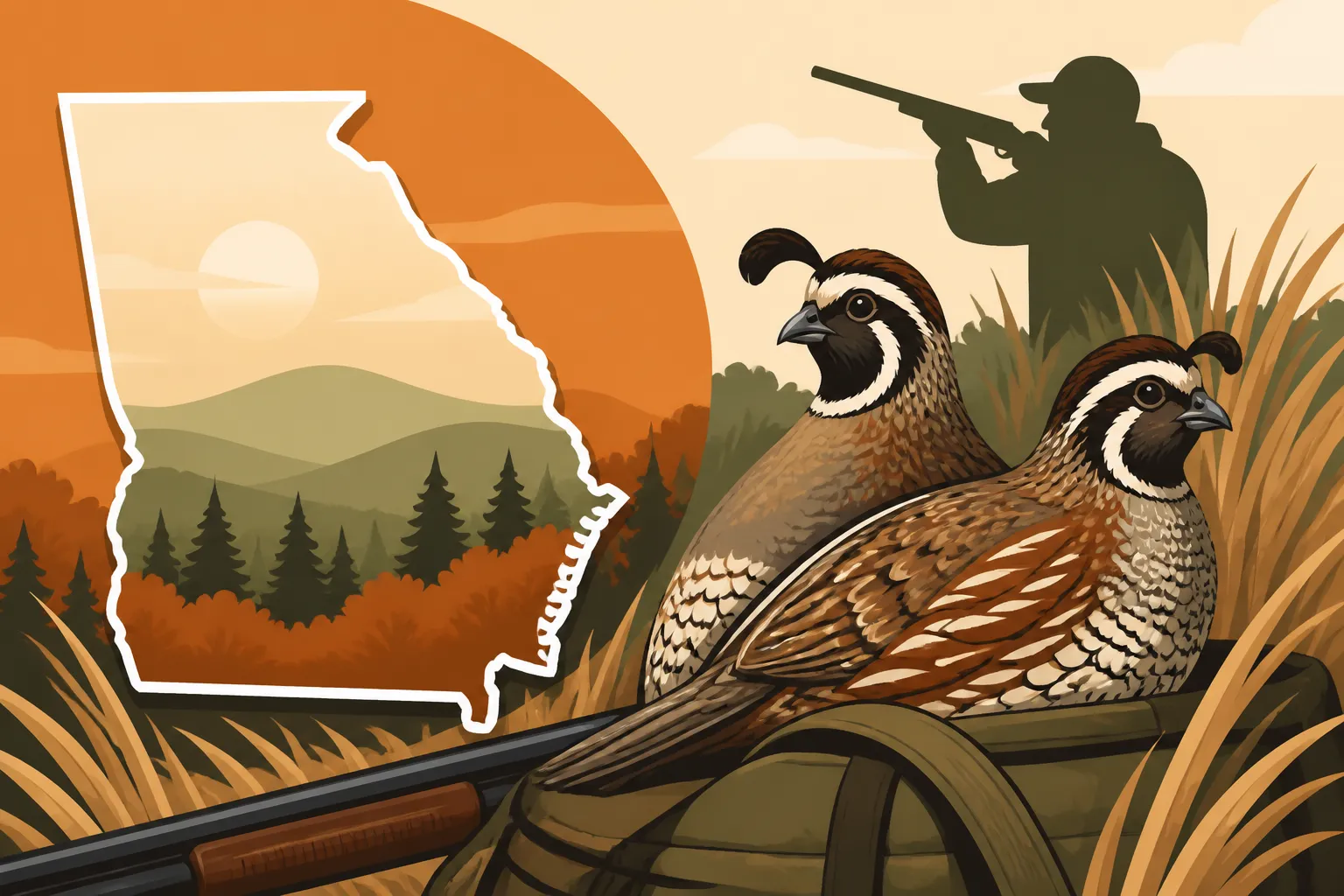
For those who cherish the thrill of working a bird dog through natural habitat and flushing a covey of truly wild bobwhite quail, Georgia has clear and defined bag limits. Currently, the daily bag limit for wild quail in Georgia is 12 birds per hunter. This means that within a single calendar day, regardless of how many times you go out or where you hunt wild quail, you cannot harvest more than a dozen birds. Furthermore, there's a possession limit of 36 birds. This possession limit refers to the maximum number of legally harvested wild quail that an individual can have in their control at any given time, whether they're in your freezer, cooler, or being transported.
This limit is a critical piece of information that every wild quail hunter needs to internalize. Imagine you've had an incredible day, your dogs were on fire, and you've already reached your 12-bird daily limit by early afternoon. It can be tempting to try for "just one more," but doing so crosses a legal line. Responsible hunters understand that sticking to this limit is not just about avoiding a citation; it's about respecting the resource. These limits help ensure that wild quail populations have a chance to rebound and thrive, especially after facing ecological pressures. The regular season for wild quail typically opens in mid-November, providing a crisp, cool backdrop for prime hunting. For more details on exact opening days, check out our guide on Georgia Wild Quail Season Opening Day.
Distinction Between Wild Quail and Shooting Preserve Quail
Here’s where a lot of the confusion often arises: the rules for hunting quail on licensed shooting preserves are entirely different from those for wild birds. Georgia's shooting preserves provide an alternative for hunters seeking a longer season, higher success rates, and often, a more luxurious hunting experience. The key difference is that birds on these preserves are typically pen-raised and released specifically for hunting, rather than being naturally occurring wild populations.
Because these birds are propagated and released, they are not subject to the same conservation-driven bag limits as their wild counterparts. On a licensed Georgia shooting preserve, there is generally no daily bag limit or possession limit for quail. This means you can harvest as many birds as your hunting package allows or as you wish, within the confines of the preserve's operations. This makes preserve hunting a fantastic option for those looking to get a lot of shooting in, train new dogs, or introduce new hunters to the sport without the pressure of strict limits. These preserves also operate on an extended season, often starting in early fall and running well into spring, much longer than the standard wild quail season. You can learn more about these specific operational rules in our article, Georgia Shooting Preserve Season Rules. When you're planning a trip to a place like Pine Hill Plantation or Quail Country, it’s a different world from stomping through public forests looking for a covey. Many hunters even book a Booking a Guided Plantation Quail Hunt for the ultimate experience.
The Rationale Behind Quail Bag Limits
It’s easy to look at a bag limit and just see a number, but behind every regulation, especially in wildlife management, there's a carefully considered purpose. Georgia's quail bag limits aren't arbitrary; they are the result of decades of scientific study, conservation efforts, and balancing acts between providing hunting opportunities and protecting a beloved game species. Understanding this rationale helps us appreciate why these rules are so important and why adhering to them is crucial for the future of quail hunting in the state.
Conservation and Population Management
The primary driver behind any bag limit is conservation and the sustainable management of a species. Wild bobwhite quail populations in Georgia, much like in many other parts of the Southeast, have faced significant declines since the mid-20th century. Factors such as habitat loss due to changing agricultural practices, increased urbanization, and altered forestry methods have dramatically impacted their numbers. Gone are the days of sprawling, unmanaged fields and diverse forest edges that once provided ideal quail habitat. This historical context of declining numbers, which you can read more about in Georgia Wild Quail Decline Since the 1960s, underscores the importance of every measure taken to protect and restore these iconic birds.
The Georgia Department of Natural Resources (DNR) Wildlife Resources Division actively monitors quail populations through various surveys and research initiatives. The 12-bird daily and 36-bird possession limits are set to allow for a reasonable harvest without negatively impacting the overall breeding population. It's a delicate balance: allow enough hunting to maintain interest and tradition, but not so much that it hinders recovery efforts. These limits ensure that hunting remains a sustainable activity, preventing overharvesting in areas where wild quail might already be struggling. Furthermore, habitat restoration projects, such as prescribed burning in longleaf pine forests, are critical. Hunting in areas with good management, like those found when Hunting Managed Pine for Wild Quail, directly supports these birds' comeback by providing financial incentives and responsible management.
Fair Chase and Sustainable Harvest
Beyond the scientific data and population dynamics, bag limits also embody the principles of fair chase and sustainable harvest. Fair chase, a cornerstone of ethical hunting, emphasizes respect for the game and the environment. It's about giving the animal a reasonable chance and not exploiting a situation for excessive harvest. Limits encourage hunters to appreciate the experience of the hunt itself—the dog work, the covey rise, the skill involved—rather than solely focusing on the quantity of birds harvested.
Sustainable harvest means taking only what the population can naturally replenish, ensuring that the resource is available for future generations. When you adhere to the bag limit, you're participating in a system that allows quail to reproduce and thrive year after year. It means your children and grandchildren will still have the opportunity to hear that distinctive "bob-white" call and chase wild coveys across Georgia's beautiful landscapes. This responsible approach to hunting is vital for maintaining public perception and supporting conservation efforts. It's about being a steward of the land and its wildlife, rather than just a consumer.
Practical Implications for Hunters
Understanding the rules on paper is one thing, but applying them practically in the field is another. For quail hunters, the bag limit isn't just a legal constraint; it's a factor that influences how you plan your day, manage your expectations, and ensure you remain compliant with Georgia's regulations. From the moment you step out of your truck to the time you clean your birds, knowing and respecting these limits should guide your actions.
Tracking Your Harvest in the Field
When you're out hunting wild quail, especially with a group, it’s surprisingly easy to lose track of how many birds have been taken. The excitement of a covey flush, the crack of a Upland Guns for Quail Plantation Walks like a good 20-gauge, and the retrieve by a proud bird dog can make the numbers blur. This is why having a system for tracking your harvest is essential.
For individual hunters, a simple mental count is often sufficient, but for groups, it’s best to assign one person the task of keeping a tally, or each hunter can be responsible for their own count and communicate it clearly. Some hunters use clickers, others make a note on their phone or a small pad. Digital tools can be a big help too; apps like GoHunt offer mapping and journaling features that can be adapted to keep a running tally of birds harvested. Imagine being deep in the longleaf pine, your English setter just locked up, and you check your GoHunt app to confirm you've still got a couple of birds left before hitting your daily limit. It removes the guesswork and stress.
It’s always better to err on the side of caution. If there’s any doubt, assume you’re closer to the limit than further away. Accidentally exceeding the bag limit can lead to fines and even loss of hunting privileges, which nobody wants. Staying vigilant and organized ensures that your focus remains on the joy of the hunt, not on potential legal issues.
Planning Your Hunt Around Bag Limits
The 12-bird daily limit for wild quail in Georgia often means that a successful day isn't about filling your vest to the brim, but rather about the quality of the experience. This limit encourages hunters to savor each flush, each point, and each retrieve. Instead of rushing from covey to covey, you might find yourself taking a moment to appreciate the scenery or the performance of your dog.
If you’re hunting with a partner, you might decide to combine your individual limits. For example, if two hunters are afield, you collectively have a 24-bird daily limit. This allows for a more flexible approach, perhaps focusing on working specific coverts or enjoying a more leisurely pace. Knowing the limits ahead of time allows you to set realistic expectations for your hunt. You might focus on Working a South Georgia Quail Covey Rise for a few birds and then move on to enjoy other aspects of being outdoors.
Consider the amount of ammunition you carry. Knowing your bag limit can influence your Shot Size for Quail and Dove choices and how many shells you bring. Carrying 10 boxes of shells for a 12-bird limit doesn’t make much sense. Instead, focus on making each shot count and appreciating the challenge. The GoHunt app can also help you scout areas ahead of time, identifying prime habitat to maximize your chances within your allotted bag limit, ensuring your efforts are focused and efficient.
License, Reporting, and Compliance
Beyond the bag limit itself, there are several other critical compliance points every Georgia quail hunter needs to be aware of. First and foremost, you need the appropriate hunting licenses. This includes a valid Georgia hunting license, and if you're migratory bird hunting (though quail are resident game, some combo licenses might apply to other species), you'd need the Georgia Migratory Bird Stamp. For a comprehensive overview of what you'll need, check out Georgia Hunting Licenses and What They Cost and specifically Georgia Resident Hunting License Options for residents. Non-residents have different options and costs.
All hunters born after January 1, 1961, are required to complete a hunter education course to legally hunt in Georgia, unless hunting under an apprentice license. This foundational knowledge is crucial for safety and ethical hunting practices. More details can be found in our guide on Georgia Hunter Education Requirements. Even with the best Bird Dog Gear for Georgia Plantation Country and the finest shotgun, compliance is key.
While there isn't a specific individual reporting requirement for harvested quail like there is for deer or turkey, adherence to all regulations is still mandatory. Wildlife rangers are out there, and they can and do check hunters for licenses, bag limits, and other compliance issues. Ignorance of the law is not an excuse, so it's your responsibility to be informed. Always keep your license accessible, whether it's the physical copy or on your phone through the Go Outdoors Georgia app. The GoHunt app, while not a state-mandated tool, can supplement your preparation by providing detailed public land boundaries and regulations specific to certain areas, adding another layer of confidence to your hunt.
The table below provides a quick comparison of the key regulations for wild quail versus those found on licensed shooting preserves in Georgia.
| Feature | Wild Quail Hunting | Licensed Shooting Preserve Quail Hunting |
|---|---|---|
| Daily Bag Limit | 12 birds per hunter | No daily limit |
| Possession Limit | 36 birds per hunter | No possession limit |
| Season Dates | Typically mid-November to late February/early March | Extended season, often early fall into late spring |
| Location | Public lands (WMAs, National Forests), private lands | Designated, licensed shooting preserves |
| Bird Origin | Naturally occurring wild populations | Primarily pen-raised, released birds |
| License Required | Georgia Hunting License | Georgia Hunting License |
| Conservation Focus | High, critical for population recovery and habitat | Primarily recreational, less direct population impact |
Disclaimer
The information provided in this guide is intended for informational purposes only and serves as a general overview. Hunting regulations, including bag limits and season dates, are subject to change by the Georgia Department of Natural Resources (DNR). It is the hunter's sole responsibility to consult the most current Georgia Hunting Regulations handbook or the official Georgia DNR website before engaging in any hunting activity. Failure to do so may result in legal penalties.