Georgia Diamondback Rattlesnake Encounters Afield
Georgia diamondback rattlesnakes and their behavior are explained to help hunters minimize risk and avoid dangerous encounters.
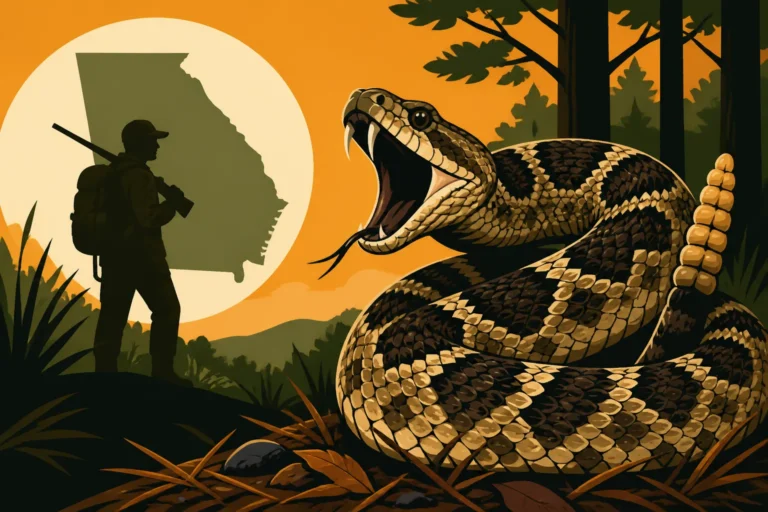
Georgia diamondback rattlesnakes and their behavior are explained to help hunters minimize risk and avoid dangerous encounters.
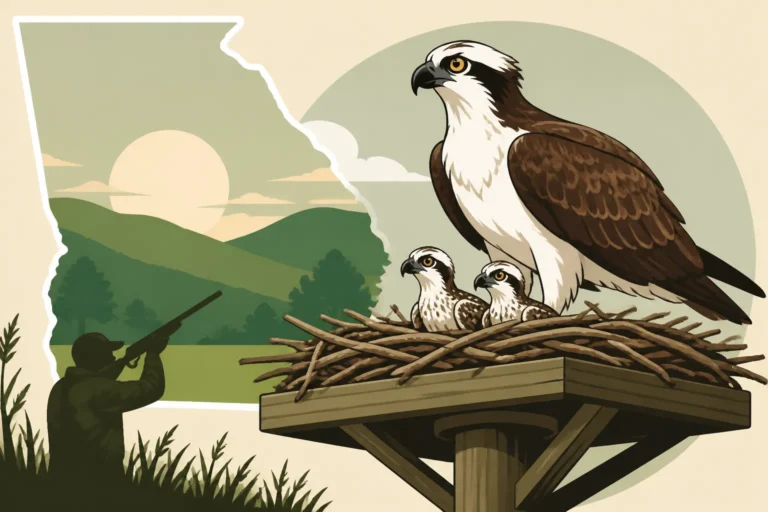
Georgia osprey nesting platforms support recovering raptor populations by providing safe, stable alternatives to scarce natural trees.
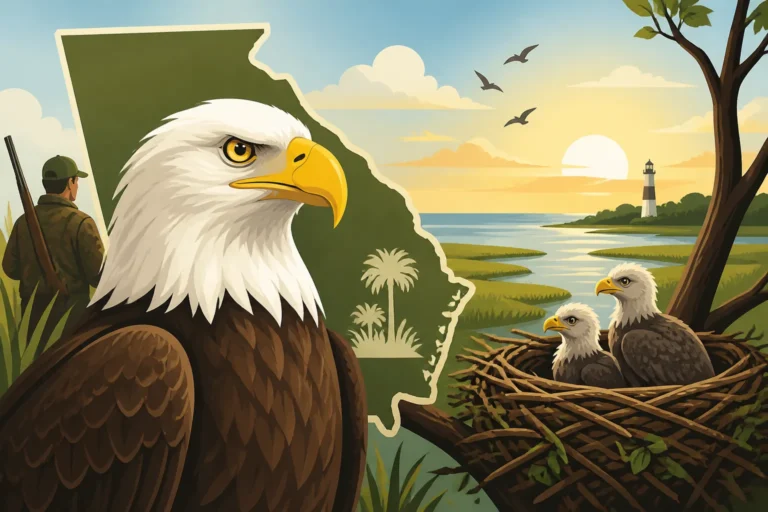
Georgia bald eagle recovery along the coast highlights how conservation and habitat protection revived the thriving population.
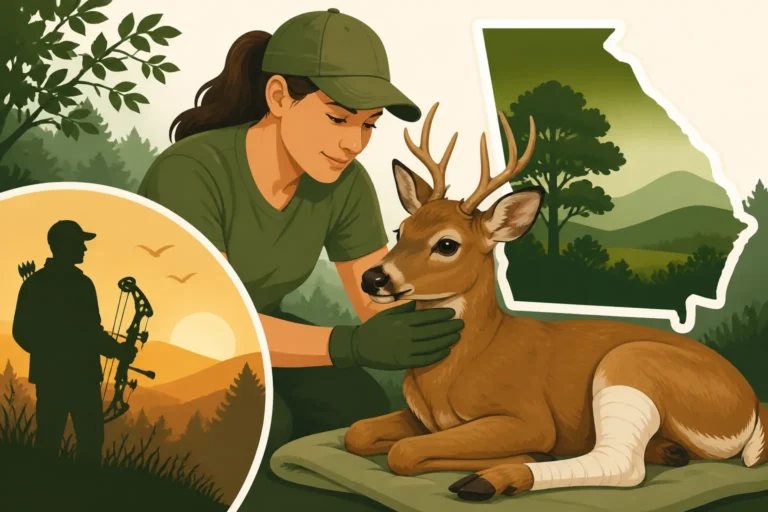
Proper legal steps for assessing injured game animals like deer in Georgia and contacting local wildlife professionals.
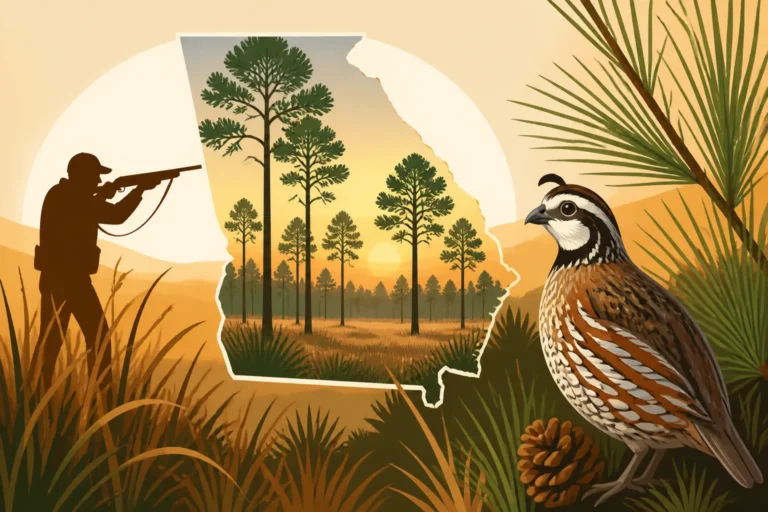
Georgia longleaf pine forest restoration explains how this unique 90 million acre ecosystem supports bobwhite quail populations.
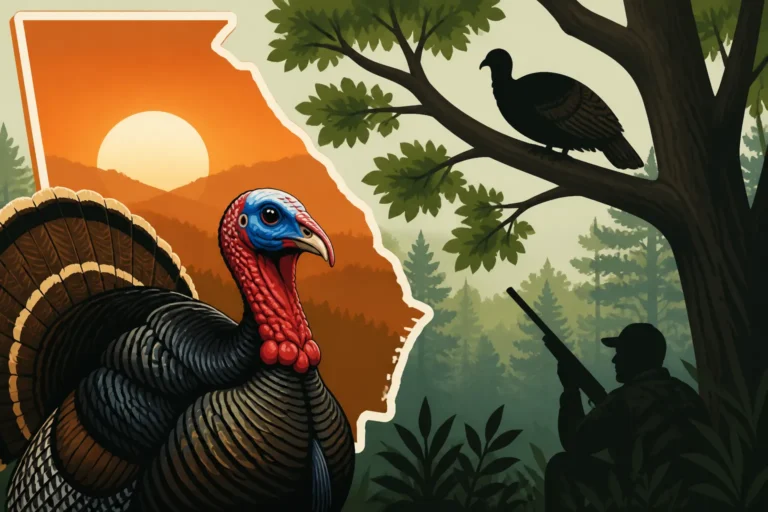
Georgia wild turkeys select tall pines and oaks with strong horizontal limbs near creeks and rivers for safety and visibility.
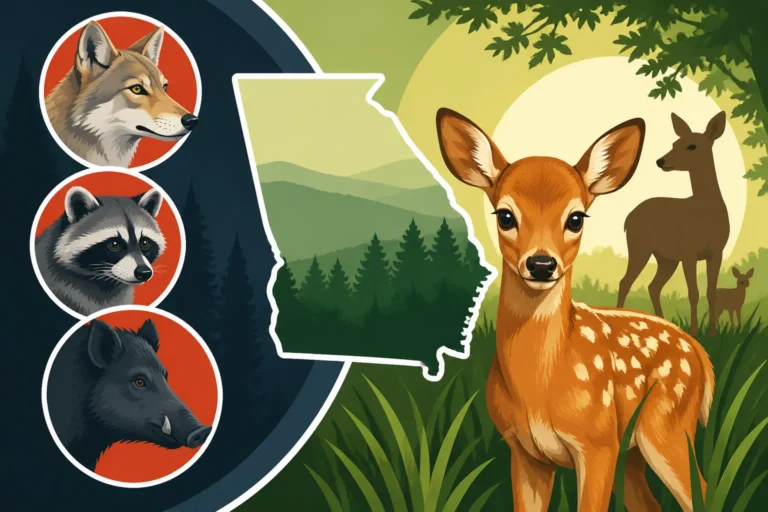
Georgia coyote predation and environmental factors explain low fawn survival rates across the state wildlife population.
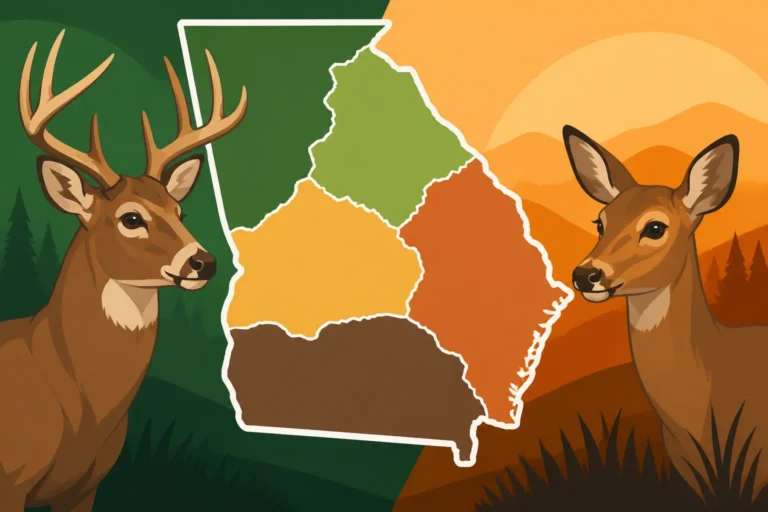
Georgia buck-to-doe ratios vary by region across the state, impacting local deer herd health and seasonal hunting strategies.
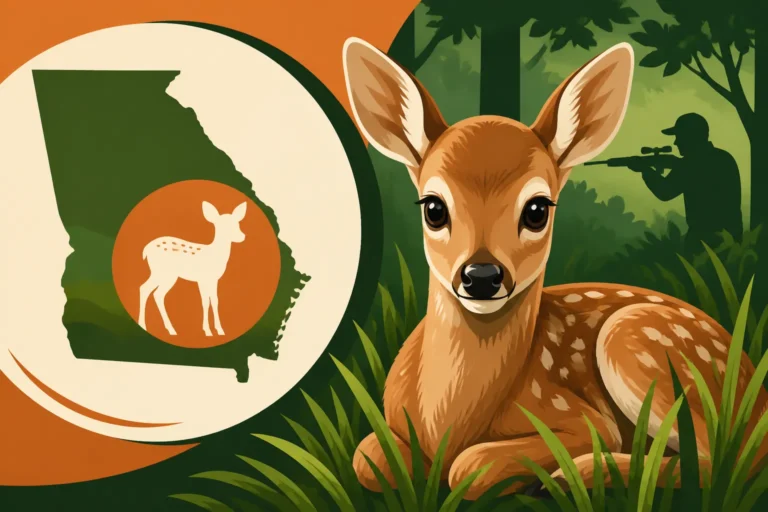
Georgia fawn survival rates determine deer population health, hunting opportunities, and management decisions across the state.
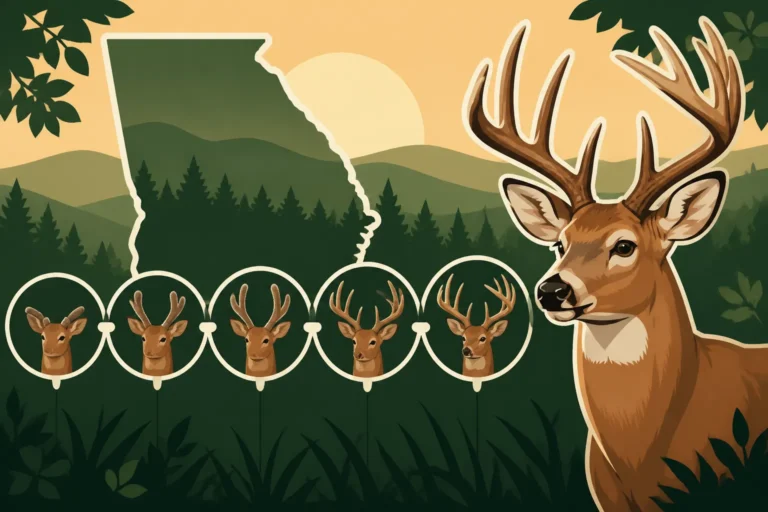
Georgia deer antler development involves an annual cycle starting in the womb and continuing through yearling growth phases.