Reading a Georgia Harvest Report
Official Georgia harvest reports explain deer, turkey, and bear population health, county game densities, and yearly hunting trends.
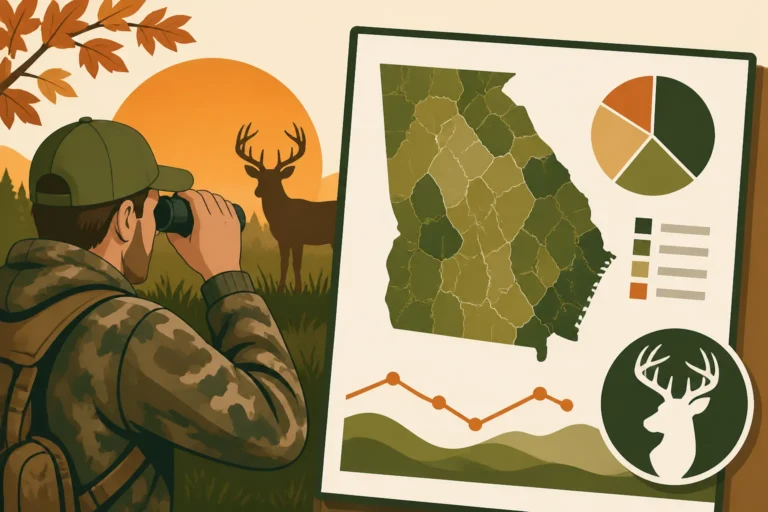
Official Georgia harvest reports explain deer, turkey, and bear population health, county game densities, and yearly hunting trends.
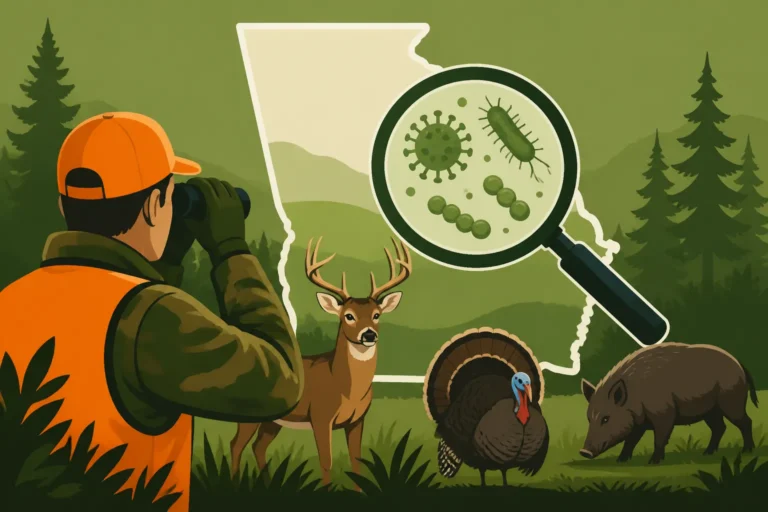
Georgia wildlife disease monitoring tracks herd health, protects human safety, and safeguards hunting opportunities across the state.
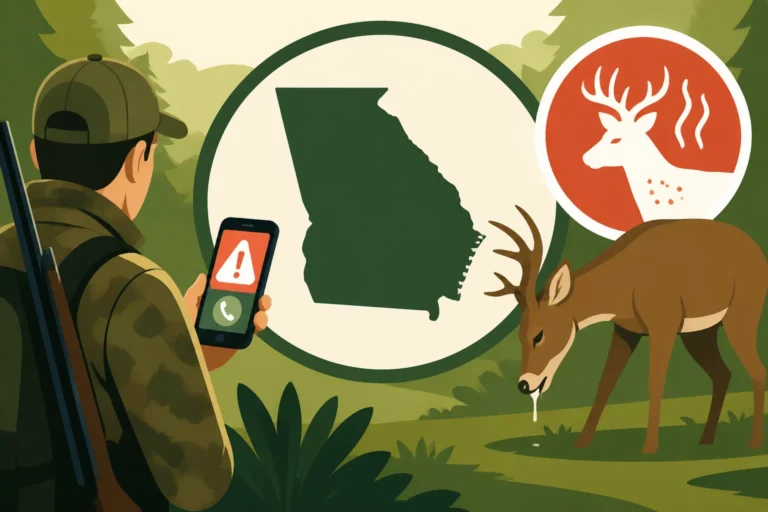
Reporting sick or deceased wildlife in Georgia helps officials track disease outbreaks, like Chronic Wasting Disease, and protect animal populations.
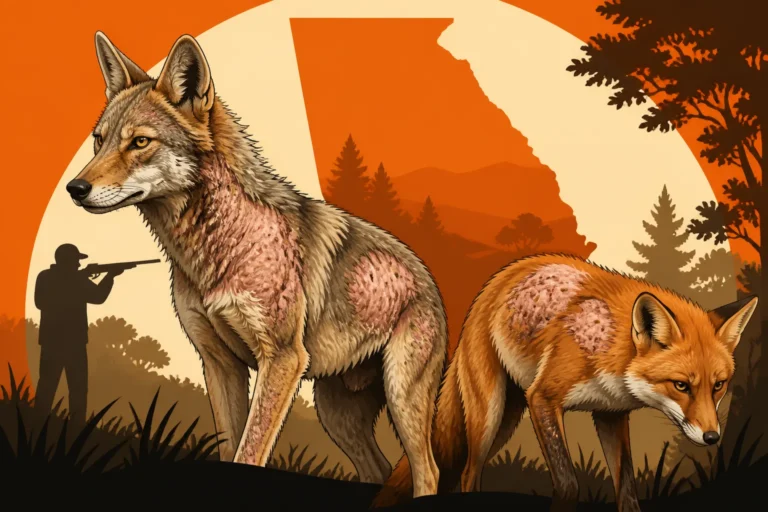
Sarcoptic mange mites in Georgia coyotes and foxes cause hair loss and skin crusting, risking transmission to hunting dogs.
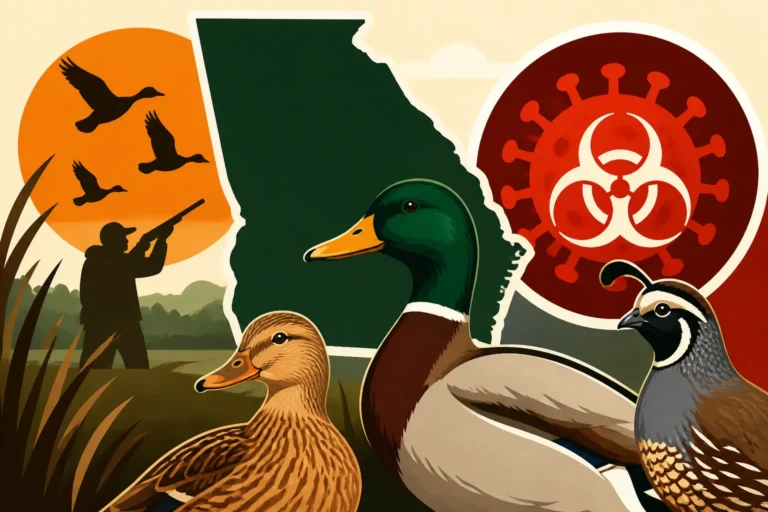
Avian influenza threats in Georgia wild birds, transmission along the Atlantic Flyway, and safety advice for field users.
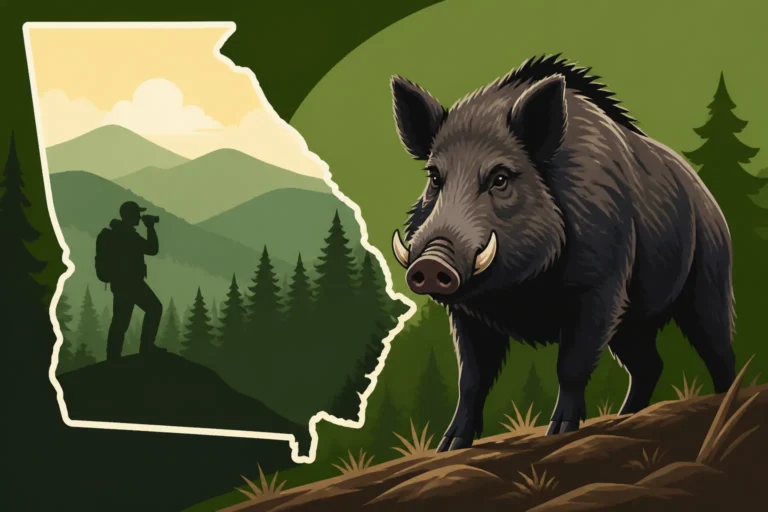
Feral swine sightings in North Georgia explain why invasive hogs are moving into the mountains and how to identify them.
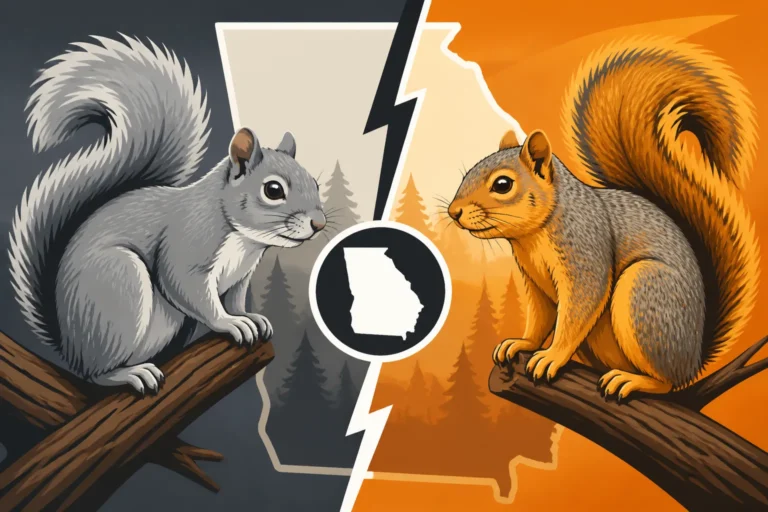
Gray and fox squirrels in Georgia have distinct appearances, behaviors, and habitats that require different hunting strategies.
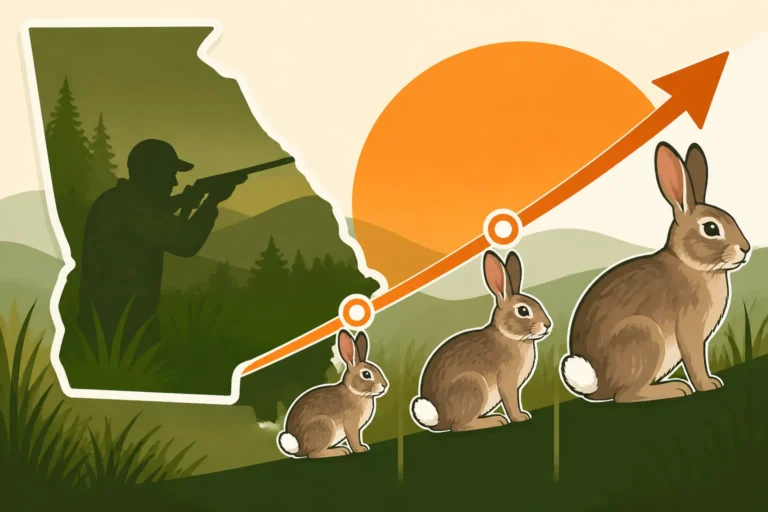
Georgia cottontail population trends explained through historical land use changes, modern habitat fragmentation, and current environmental factors.
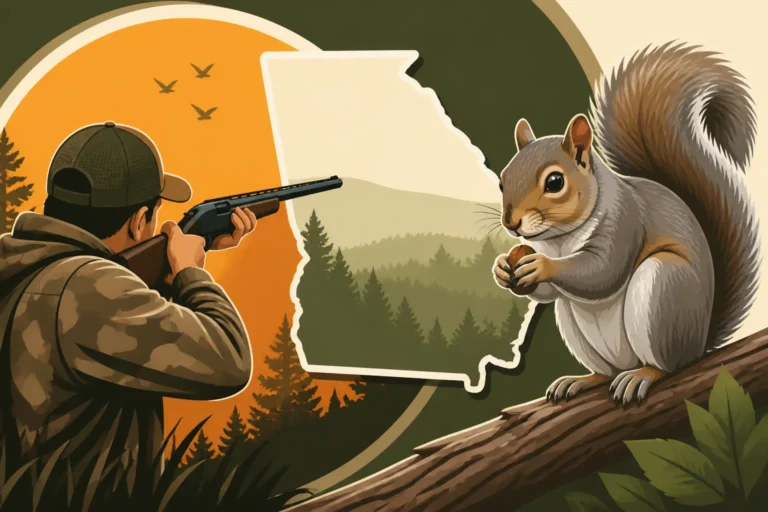
Georgia squirrel harvest numbers reflect gray and fox squirrel population trends, food availability, and regional habitat health across the state.
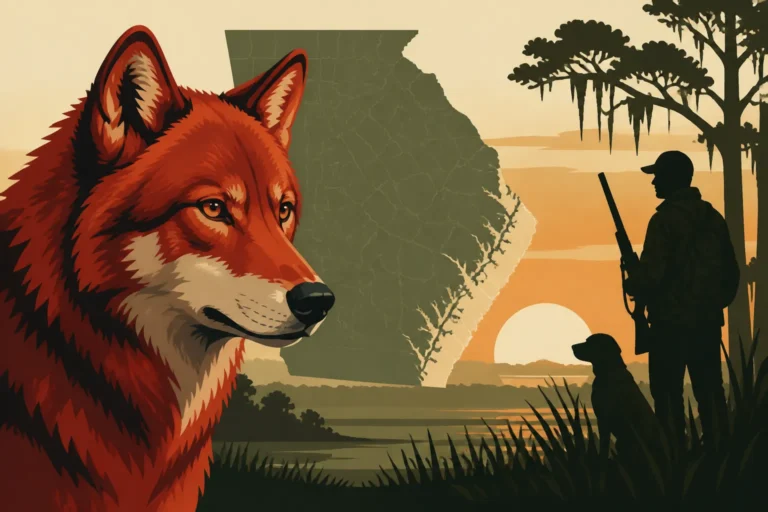
Red wolf extirpation in coastal Georgia caused by European settlement, habitat loss, and livestock protection campaigns.