Oconee River Bottomland Public Access
Hunting the rich river bottomlands of Georgia can be an incredibly rewarding experience, offering dense cover, diverse game, and a sense of wildness that’s hard to find elsewhere. However, these areas also present unique challenges, from navigating treacherous terrain and seasonal flooding to simply finding legal public access. This guide is designed to cut through the confusion and help you confidently explore the public hunting opportunities along the Oconee River bottomland, ensuring you're prepared for the terrain, the wildlife, and the regulations.
Understanding the Oconee River Bottomland Ecosystem
The Oconee River, winding its way through the heart of Georgia, creates a unique and vibrant ecosystem within its floodplains. These bottomlands are not just wet woods; they are complex, dynamic environments shaped by the river's ebb and flow, offering crucial habitat for a wide array of game species. Understanding this ecosystem is the first step toward successful hunting.
The Unique Habitat of River Bottoms
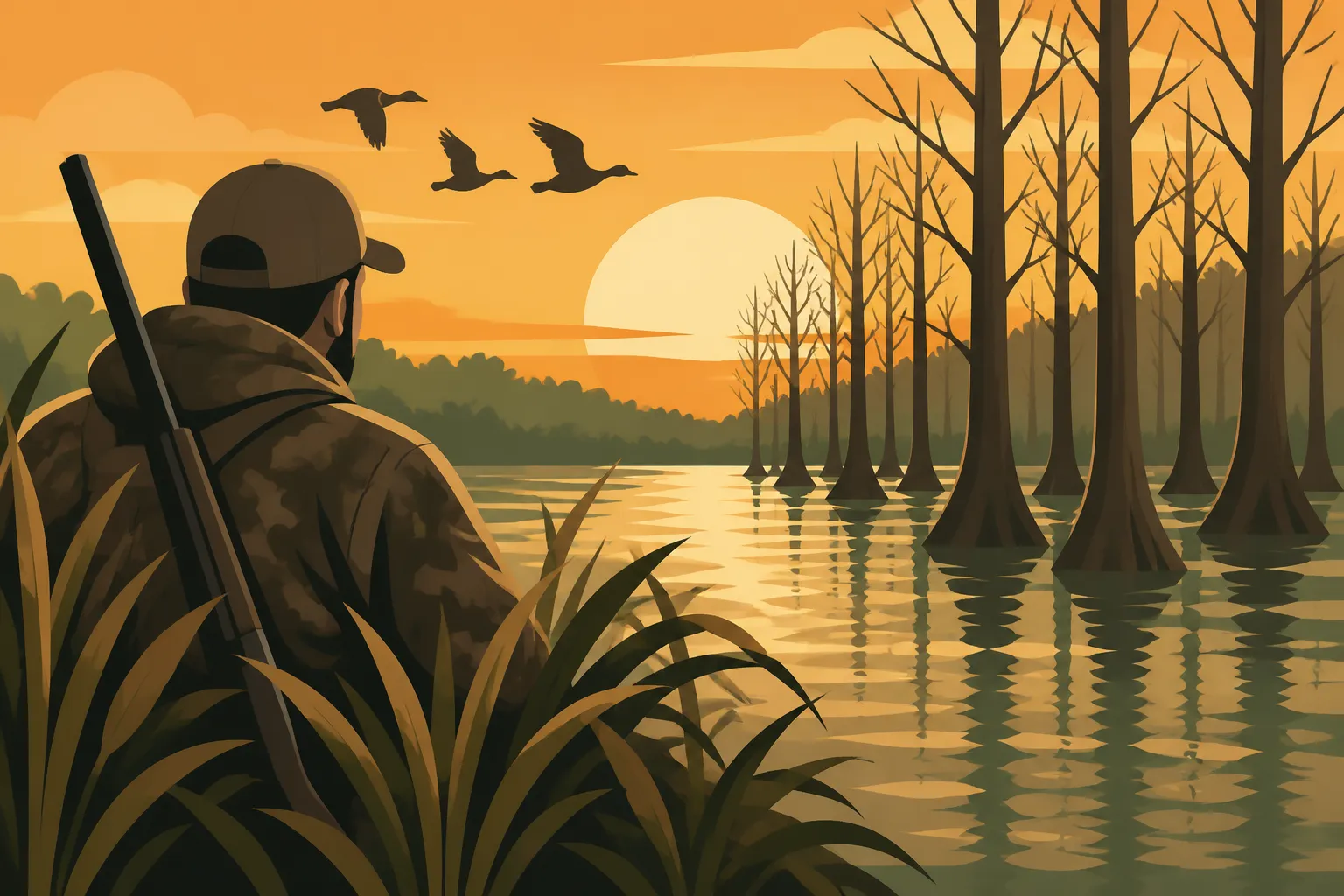
Imagine towering cypress and tupelo trees standing sentinel in water-logged sloughs, alongside massive oaks, sweetgums, and hickories that line slightly higher ground. That's the typical picture of an Oconee River bottomland. This habitat is characterized by its distinct hydric (wet) soils, which lead to specific plant communities adapted to frequent inundation. These areas often feature a dense understory of cane breaks, greenbrier thickets, and various grasses, creating incredible cover and bedding areas for wildlife. The periodic flooding acts as a natural disturbance, constantly reshaping the landscape, depositing rich nutrients, and creating a mosaic of diverse plant life. This diversity, from mature hardwoods dropping acorns to dense young growth providing sanctuary, is what makes these bottomlands so attractive to game.
The ground itself can be a mix of dry hummocks, soft mud, standing water, and old oxbow lakes. Navigating this can be tough, requiring keen observation and often specialized footwear. The edges of the bottomland, where it transitions into slightly higher uplands or adjacent agricultural fields, are often prime travel corridors for deer and other animals moving between bedding, feeding, and watering areas. The constant presence of water ensures a stable food and water source, even during dry spells, making these areas resilient havens for wildlife when surrounding uplands might struggle.
Key Game Species Attracted to This Environment
The Oconee River bottomlands are particularly famous for their robust white-tailed deer population. The dense cover provides unparalleled security, allowing bucks to grow older and larger, while the abundant food sources, particularly acorns from water oaks and other hardwoods, provide critical nutrition. Hunters often speak of the challenge and reward of pursuing mature Hunting Oconee River Bottomland Deer, as these animals are masters of navigating the thick cover and water-filled channels. Beyond deer, the bottomlands are also prime territory for Feral Hog Hunting Year-Round in Georgia, which thrive in the marshy conditions, often rooting through the soft soils for tubers and grubs. These prolific animals can be hunted throughout the year, adding another layer of opportunity.
Wild turkeys also frequent these areas, especially where higher ground or adjacent uplands offer suitable roosting trees. During the spring, gobblers can be found strutting along drier ridges or calling from the edges of fields bordering the bottom. Squirrels, both gray and fox, are abundant, particularly in areas with mature hardwoods that provide a consistent mast crop. Waterfowl, including wood ducks and mallards, utilize the sloughs, oxbows, and river itself, offering exciting opportunities for Pass-Shooting Georgia Wood Ducks or jump-shooting along the river's quieter stretches. The sheer diversity means a hunter might encounter multiple species on any given outing, requiring adaptability in tactics and gear.
Navigating Public Access Along the Oconee
Finding public hunting land in Georgia, especially along significant river systems like the Oconee, can sometimes feel like a treasure hunt. While many stretches of the Oconee River are bordered by private property, there are crucial public access points, primarily in the form of Wildlife Management Areas (WMAs) and certain tracts of national forest or state-managed lands. Knowing where these are and how to legally access them is paramount for any hunter.
Key Public Land Areas and Wildlife Management Areas (WMAs)
The Georgia Department of Natural Resources (DNR) manages several WMAs that encompass significant portions of the Oconee River bottomland, offering hunters invaluable access. These WMAs are specifically managed for wildlife habitat and public recreation, including hunting. Notable examples include the Oconee WMA itself, often featuring vast tracts of river floodplain, and portions of the Oconee National Forest Deer Ground that may border the river. These areas are vital for maintaining healthy game populations and providing opportunities for sportsmen. It's crucial to remember that each WMA has its own specific set of regulations, hunting dates, and sometimes even unique rules regarding access (e.g., foot traffic only in certain zones). Always consult the current Georgia Hunting Regulations guide and the specific WMA's map and rules before planning your trip.
Access to these public lands can vary widely. Some WMAs have well-maintained gravel roads leading to designated parking areas, while others might require more effort, involving hiking in from a remote access point or utilizing a boat. The sheer scale of some of these WMAs, particularly those with extensive river bottom, means that even on busy days, a determined hunter willing to put in the effort can often find secluded spots away from the crowds. This is where detailed scouting and map research, perhaps using tools like onX Hunt, become indispensable for locating these less-pressured pockets of habitat.
Identifying Access Points and Restrictions
Identifying legal access points is critical for avoiding trespass and ensuring a smooth hunting experience. Often, public land boundaries can be subtle, marked by paint blazes on trees, official signage, or simply a change in land use. Using a reliable mapping application, such as onX Hunt or GoHunt, is invaluable for this purpose. These apps allow you to view property lines, public land boundaries, and even identify potential access roads or trails, even without cell service once maps are downloaded. You can see precisely where public land begins and private land ends, helping you plan your approach and avoid accidental incursions onto private holdings.
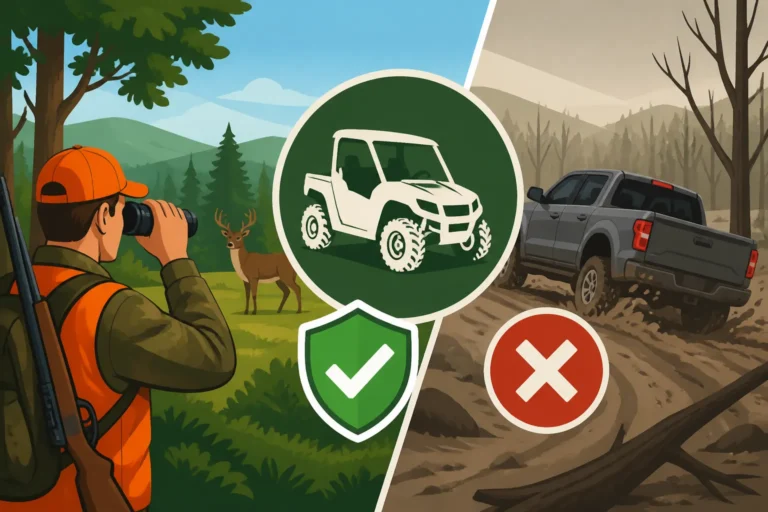
Beyond physical boundaries, hunters must also be acutely aware of specific access restrictions. Some WMAs might prohibit vehicle access on certain roads during wet conditions to prevent damage, or limit hunting to specific days of the week. There might be designated "no hunting" zones around campsites, recreation areas, or private inholdings. It's not uncommon for portions of river bottom WMAs to be seasonally closed due to flooding or for special managed hunts. Always check the Georgia DNR's website for the most up-to-date information, including interactive maps and specific WMA fact sheets. Pay close attention to gates, signage, and any colored paint on trees, as these often indicate property lines or restricted areas. Remember, navigating these river bottomlands often means navigating a complex patchwork of public and private land, so diligence is key.
Strategies for Hunting Oconee River Bottomlands
Hunting the Oconee River bottomlands requires a different set of strategies compared to hunting pine plantations or open farmlands. The dense cover, challenging terrain, and dynamic environment demand adaptability, patience, and a willingness to embrace the wildness of the swamp.
Scouting and Pre-Season Preparation
Effective scouting is the bedrock of successful bottomland hunting. Unlike open country where you might spot deer from a distance, the thick cover here necessitates getting on the ground and covering miles. Look for classic deer sign: tracks in the mud along sloughs and creek banks, rub lines on small trees, and well-worn trails leading through cane thickets or across drier hummocks. Focus your efforts on identifying natural funnels created by water features, changes in elevation, or particularly dense cover, as deer often use these constricted pathways. Hunting a Funnel Between Two Swamps can be particularly productive. Pay close attention to food sources as well; mature oak trees, especially water oaks, are goldmines when dropping acorns.
Pre-season scouting is also about understanding the lay of the land without the pressure of a rifle or bow in hand. Map out potential entry and exit routes, identify possible stand locations (both for treestands and ground blinds), and note any unique features like old logging roads or dry ridges. Using mapping apps like onX Hunt to mark these points of interest and measure distances can be incredibly helpful. Furthermore, during late summer and early fall, observe water levels. A heavy rain event just before the season could completely change access points and deer movement patterns, making recent intel crucial.
In-Season Tactics for Deer and Other Game
When the season arrives, adapting your tactics to the bottomland environment is essential. For deer, still-hunting or slow-stalking can be incredibly effective in the thick cover. Move slowly, taking five steps and then stopping for several minutes, using your eyes and ears to scan for movement or the subtle flick of a tail. The dense vegetation often means closer encounters, so being prepared for a quick, close-range shot is vital. For still-hunting, Still-Hunting South Georgia Pine Flats principles can be adapted to the more diverse bottomland. Treestands, particularly saddle hunting setups or smaller hang-ons, can be productive when placed overlooking trails, rub lines, or feeding areas, especially on the edge of the bottomland where it meets higher ground. Always prioritize safety in these wet environments, using a full-body harness.
For feral hogs, thermal or night vision hunting can be a game-changer, as these animals are often most active after dark. However, ensure you understand and comply with Georgia Night Hog Hunting Light Rules. During the day, targeting their wallows or rooting areas, often near water, can yield results. For turkeys, focus on the drier ridges or field edges bordering the bottomland, especially early in the morning when they might be vocal. Setting up decoys on these edges can draw a gobbler into range, but be prepared for them to hang up in the thick cover.
Water Access and Boat Hunting Considerations
Given the nature of river bottomlands, water access can open up entirely new hunting opportunities and allow you to reach areas inaccessible by foot. Small jon boats, canoes, or kayaks are excellent tools for navigating the Oconee River itself, as well as the numerous sloughs, oxbows, and feeder creeks that branch off it. A boat allows you to quietly slip into remote areas, set up along the riverbank, or even jump-shoot waterfowl. For those considering Hunting Georgia Swamp and River Bottom Deer, a boat can be the ultimate advantage for accessing areas with less hunter pressure.
When using a boat for hunting, always prioritize safety. Wear a personal flotation device, especially if navigating unfamiliar waters or during cooler months. Carry all necessary safety equipment, including lights, a whistle, and a paddle. Be mindful of currents, submerged obstacles like logs, and changing water levels. If you plan to retrieve game via boat, ensure your vessel is stable enough for the task. Remember that the river itself can be busy with recreational boaters, so be aware of your surroundings and consider hunting during off-peak times or in quieter backwater channels.
Essential Gear and Safety for Bottomland Hunts
Hunting in Georgia's river bottomlands is a distinct challenge that calls for specialized gear and a heightened awareness of safety. The environment can be unforgiving, with deep mud, standing water, thick vegetation, and an abundance of wildlife beyond your intended target. Being prepared can make the difference between a memorable hunt and a miserable, or even dangerous, one.
Clothing and Footwear for Wet Environments
Forget your lightweight upland pants for these hunts. When you're slogging through the Oconee bottomlands, robust, waterproof gear is non-negotiable. Quality rubber boots are your best friend, ideally knee-high or even hip waders if you anticipate crossing deeper sloughs. Look for boots with aggressive tread patterns to handle slick mud and uneven terrain. Insulated versions might be welcome in cooler months, but breathability is key for warmer early season hunts to prevent overheating. Layering is also crucial for your upper body; Georgia weather can be unpredictable, swinging from chilly mornings to warm afternoons. Start with a moisture-wicking base layer, add insulating layers as needed, and top it off with a waterproof, breathable outer shell.
Beyond staying dry, consider protection from the relentless vegetation. Thick briars and thorns are common, so choose durable pants or chaps that can withstand constant abuse. Many hunters opt for specific Snake Boots for Georgia Swamp Ground, offering an added layer of protection against venomous snakes that frequent these damp environments, especially during warmer periods. Remember, comfort is paramount when you're exerting yourself in challenging conditions; chafing, blisters, and soaked clothing can quickly ruin a hunt and potentially lead to hypothermia in cooler weather.
Navigation and Communication Tools
Getting lost in the labyrinthine expanse of river bottomlands is a genuine concern, even for experienced hunters. The dense canopy can obscure the sun, and the repetitive nature of the terrain—endless trees, sloughs, and thickets—can make it incredibly disorienting. A reliable GPS unit or a smartphone with a pre-downloaded mapping app is absolutely essential. Applications like onX Hunt excel here, allowing you to mark your vehicle, stand locations, and track your route, even without cell service. Learning how to use these tools effectively before your hunt is critical; don't wait until you're turned around to figure out the controls.
In addition to navigation, consider how you'll communicate in areas with spotty cell service. A satellite communicator, while an investment, can be a lifesaver for emergencies in remote locations. Otherwise, always inform someone of your hunting plans, including your exact location and expected return time. Carry a fully charged power bank for your phone, as GPS use drains batteries quickly. A whistle can also be a simple yet effective signaling device in an emergency, or for communicating with hunting partners during a Deer Drives With Three or Four Hunters. Don't underestimate the importance of reliable navigation and communication—it's not just about finding game, it's about getting home safely.
Understanding Risks and Staying Safe
The Oconee River bottomlands, while beautiful, present several inherent risks that hunters must acknowledge and mitigate.
First, water hazards: Beyond the river itself, numerous sloughs and flooded areas can be deceptively deep. Always test the ground ahead with a stick or walking pole before stepping into unknown water. Strong currents can also be present after heavy rains.
Second, wildlife: While deer and hogs are your targets, you might encounter other potentially dangerous animals. Alligators are common in Georgia's rivers and swamps; respect their space and understand their behavior. Georgia Diamondback Rattlesnake Encounters Afield are also a possibility, making snake boots a wise choice.
Third, environmental factors: Intense humidity and heat, particularly during early seasons, can lead to heat exhaustion or dehydration. Carry ample water and take breaks. Conversely, cold, wet weather significantly increases the risk of hypothermia. Be aware of changing weather patterns.
Fourth, fellow hunters: Public land, especially popular WMAs, can see significant hunter pressure, particularly on opening weekends. Always wear blaze orange or blaze pink as required by law, and assume other hunters are in the vicinity, even if you don't see them. How Much Blaze Orange Georgia Requires is a critical piece of knowledge. When Tracking a Deer Through Georgia Pine Straw or thick cover, proceed with extreme caution, knowing another hunter might be nearby.
Table: Essential Bottomland Hunting Gear
| Category | Item | Importance | Notes |
|---|---|---|---|
| Footwear | Rubber Boots (Knee/Hip Waders) | Stay dry, traverse shallow water, mud | Insulated for cold, breathable for warm; aggressive tread |
| Snake Boots | Protection from venomous snakes | Highly recommended in warmer months | |
| Clothing | Waterproof Outer Shell | Stay dry in rain and wet vegetation | Breathable; durable for briars |
| Durable Pants/Chaps | Protection from thorns and thickets | Essential for comfort and preventing cuts | |
| Layered Base/Mid-layers | Adapt to temperature changes | Moisture-wicking; synthetic or wool | |
| Blaze Orange/Pink | Hunter safety and visibility | Required by law, even when still-hunting or stalking | |
| Navigation | GPS Unit / Smartphone App | Prevent getting lost, mark locations | Download maps offline; onX Hunt or GoHunt are excellent options |
| Compass & Map (Paper Backup) | Redundant navigation, battery failure contingency | Essential backup; know how to use them | |
| Safety & Comm. | Headlamp / Flashlight | Night navigation, field dressing | Essential for pre-dawn entry and post-dusk exit |
| First Aid Kit | Treat minor injuries, snake bite kit | Comprehensive kit for cuts, scrapes, sprains | |
| Whistle / Satellite Messenger | Emergency signaling, remote communication | Whistle for partners, satellite for no-service areas | |
| Water & Snacks | Hydration and energy | Carry more than you think you'll need | |
| Misc. | Bug Repellent | Protection from mosquitos, ticks, gnats | Crucial in warm, humid environments |
| Game Cart / Sled | Easier game retrieval | Especially helpful for dragging a deer out of thick mud |
Challenges and Considerations for Oconee Bottomland Hunters
Hunting the Oconee River bottomlands is an adventure, but it comes with its own unique set of challenges. Being aware of these and planning for them can significantly increase your success and enjoyment.
Managing High Water and Flood Events
The Oconee River, like any major river in Georgia, is subject to significant fluctuations in water levels, especially after heavy rains upstream. High water events can quickly turn familiar hunting grounds into impassable swamps. What was a dry trail yesterday might be a knee-deep slough today. This can make access challenging, alter game movement patterns dramatically, and even become dangerous if you're not careful. Monitoring river gauges and local weather forecasts is crucial for planning your hunt. The Georgia DNR website often provides real-time information on WMA closures due to flooding.
When water levels are high, deer and hogs will often retreat to higher ground within the bottomland, seeking out dry hummocks, old levees, or the edges where the bottomland transitions to uplands. These become pinch points and funnels that can be incredibly productive. However, high water also disperses scent, makes tracking difficult, and can lead to increased hunter pressure on the remaining dry spots. Always have a contingency plan and be prepared to shift your target area or even postpone your hunt if conditions are too hazardous. Trying to Recovering a Deer From a Cypress Swamp during a flood is a challenge nobody wants.
Dealing with Insects and Other Pests
Warm, humid, and wet environments are a paradise for insects, and the Oconee River bottomlands are no exception. Mosquitoes, ticks, and gnats can be relentless, especially during the early archery season or warmer periods of the firearms season. These pests aren't just an annoyance; they can transmit diseases like West Nile virus or Lyme disease. Effective bug repellent, preferably with a high DEET or picaridin concentration, is absolutely essential. Consider treating your clothing with permethrin before heading out for added protection against ticks and chiggers.
Beyond insects, be mindful of other critters. Snakes, particularly cottonmouths and rattlesnakes, are common in these habitats, especially when temperatures are warm. Always watch where you step and reach, and wear appropriate footwear like snake boots. Alligators, as mentioned earlier, also inhabit these waters. While rarely aggressive if unprovoked, it's wise to maintain a respectful distance and be aware of your surroundings, particularly near water edges. Dealing with these pests and risks is simply part of the bottomland hunting experience, and proper preparation is your best defense.
Hunter Pressure and Finding Secluded Spots
As with any easily accessible public land in Georgia, the Oconee River bottomland WMAs can experience significant hunter pressure, particularly on opening day or during peak rut. It can be frustrating to plan a hunt only to find multiple trucks parked at your intended access point. However, the vastness and challenging nature of these bottomlands also mean that many hunters won't venture far from their vehicles. If you're willing to put in the effort, you can often find secluded spots.
The key to Finding Ground Others Walk Past is to go where others won't. This often means walking farther, crossing a slough, or utilizing a boat to reach areas that are more difficult to access. Look for areas on maps that are furthest from roads or parking lots, or that are separated by natural barriers. Early season hunts, especially during the archery phase, tend to see lighter pressure than the Why Georgia's Gun Opener Draws the Biggest Crowds. Scout thoroughly and identify multiple potential hunting locations, allowing you to adapt if your primary spot is occupied. Sometimes, even just walking an extra half-mile into the thick stuff can make all the difference in finding undisturbed game. Patience and persistence are your greatest allies when navigating hunter pressure in these wild river bottoms.
Disclaimer
This article is for general informational purposes only and does not constitute professional advice. Laws, prices and regulations vary by location and change over time. Consult a qualified professional for guidance on your specific situation.