Altamaha River Wildlife Management Area
For many Georgia hunters, finding expansive public land that offers a genuine wild experience, especially for challenging river bottom hunting, can feel like searching for a needle in a haystack. The thick canebrakes, cypress sloughs, and ever-changing water levels of our major river systems present unique frustrations and require specific knowledge. This guide is here to unravel the mysteries of the Altamaha River Wildlife Management Area (WMA), helping you understand its rich ecosystem, navigate its regulations, and ultimately, strategize successful hunts in this iconic Georgia wilderness.
A Deep Dive into the Altamaha River WMA
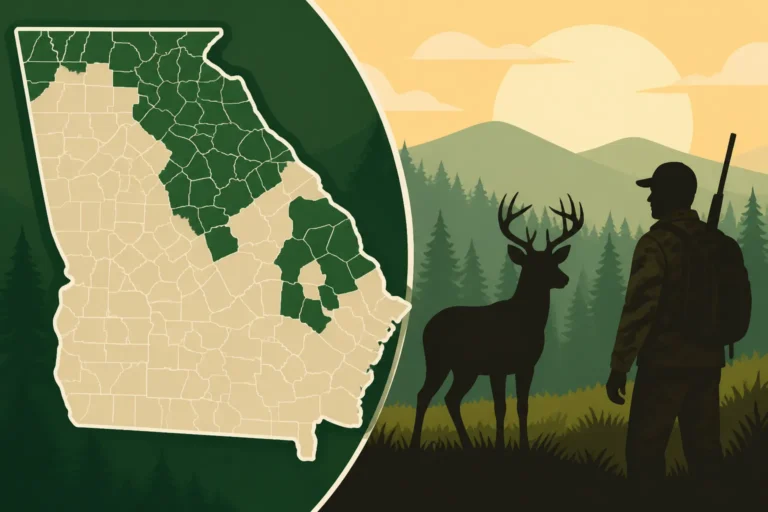
The Altamaha River WMA isn't just another patch of public land; it's a sprawling, dynamic wilderness shaped by one of Georgia's largest and most significant river systems. Spanning thousands of acres, this WMA is a mosaic of swamps, bottomland hardwoods, tidal creeks, and upland forests, all influenced by the mighty Altamaha. It’s a place where the landscape itself dictates the hunting experience, offering both immense rewards and unique challenges. Understanding this environment is the first step to truly appreciating and effectively hunting the Altamaha.
Geographical Footprint and Ecosystem
Imagine a vast expanse of green where water is as dominant a feature as land. That’s the Altamaha River WMA. It stretches along the lower Altamaha River, encompassing a diverse range of habitats from brackish tidal marshes near the coast to freshwater swamps further inland. The river's ebb and flow, particularly during periods of heavy rain, constantly reshape the landscape, creating new oxbow lakes, sandbars, and shifting sloughs. This constant change means that a spot productive one year might be underwater or completely dried out the next. The dominant vegetation includes towering cypress and tupelo trees in the permanent swamps, mixed hardwoods like water oaks, sweetgums, and overcup oaks in the floodplains, and occasional pine stands on higher ground. This incredible diversity supports an equally diverse array of wildlife, making it a critical area for conservation and public recreation.
The WMA is broken into several distinct units, each with its own character and access points. Some areas are primarily deep swamp, requiring boat access and specialized knowledge, while others might offer more upland sections accessible by foot or truck. The sheer size of the Altamaha system, emptying into the Atlantic Ocean, means it experiences both freshwater flooding and tidal influences, especially in its lower sections. This unique hydrological dance creates a rich environment, but it also means hunters need to be acutely aware of water levels and potential for rapid changes. It's truly a testament to Public Hunting Land in Georgia that we have such vast, wild places preserved for hunting.
The Allure of River Bottom Hunting
There's a certain magic to hunting river bottomlands that sets them apart from typical pine plantations or agricultural fields. The Altamaha River bottoms are dense, often wet, and can be incredibly challenging to navigate, but this difficulty is precisely what makes them so appealing to many seasoned hunters. The thick cover provides excellent refuge for game, making animals less pressured than in more open areas. The nutrient-rich soils along the river grow abundant mast crops and lush vegetation, creating ideal food sources for deer, hogs, and turkeys.
The dynamic nature of the river also creates natural funnels and pinch points that animals use during high water or as they travel between feeding and bedding areas. Learning to "read" the river and its influences on game movement is a skill honed over many years. It's not about spotting game from a distance; it's about tracking, understanding subtle sign, and moving quietly through dense cover. The feeling of being truly immersed in a wild, untamed environment, far from roads and other hunters, is a core part of the Altamaha experience. For those willing to put in the effort, the rewards can be truly exceptional. For more specific insights, you might find Hunting Georgia Swamp and River Bottom Deer particularly useful.
Key Game Species to Pursue
The Altamaha River WMA is a haven for several sought-after game species, each thriving in its unique habitats. Whitetail deer are undoubtedly a primary target, and while the deer might not always reach the massive body sizes seen in some agricultural zones, they are notoriously cunning and adapted to the challenging environment. The thick cover allows bucks to mature, and persistent scouting can reveal some impressive animals. Their movements are heavily influenced by water levels and available mast crops in the hardwoods.
Wild turkeys also inhabit the WMA, particularly in the mixed hardwood areas on higher ground adjacent to the swamps. Calling in a gobbler in the vastness of the Altamaha bottomland is a truly memorable experience. However, their populations can be somewhat scattered, and locating consistent roosting and feeding areas requires significant legwork. Hunters also pursue feral hogs year-round, which are abundant and often destructive to the WMA's ecosystem. These animals are a constant presence and can offer exciting hunting opportunities, especially for those looking to hone their tracking and stalking skills. And let's not forget the incredible waterfowl opportunities, especially for wood ducks and other puddle ducks that utilize the countless sloughs and flooded timber areas, making Georgia Waterfowl Hunting on Coast and Swamp a relevant resource.
Navigating Access and Regulations
Hunting public land like the Altamaha River WMA requires more than just knowing where the animals are; it demands a thorough understanding of the regulations, access procedures, and specific rules that govern each hunt. This WMA, being part of a vast river system, often has nuanced rules related to water levels, specific hunt types, and permitting, all designed to manage wildlife populations effectively and ensure a safe, fair experience for everyone.
Permitting and License Requirements
Before you even think about setting foot in the Altamaha River WMA with a gun or bow, you'll need to ensure your paperwork is in order. Every hunter in Georgia needs a valid hunting license. Beyond that, to hunt on any Georgia WMA, you'll need a specific WMA license or permit. This is often an annual pass that grants access to all WMAs across the state, but it’s crucial to verify the specific requirements for the Altamaha, as some specialized hunts might have additional fees or application processes. You can usually purchase these licenses through the Georgia Department of Natural Resources (DNR) website or authorized license vendors.
It’s not just about having the right license; it's about understanding what that license allows. For instance, there are different license structures for residents and non-residents, and various age-specific options. Make sure you check the current regulations for Georgia Hunting Licenses and What They Cost and specifically understand the Georgia WMA Access Stamp Requirement before planning your trip. It's always a good idea to carry physical proof of your licenses, even if you have digital copies on your phone, as cell service can be spotty in remote areas of the WMA.
Understanding Special Regulations and Quota Hunts
Many WMAs, including units of the Altamaha, implement special regulations or quota hunts to manage pressure and specific game populations. Quota hunts, in particular, are common for species like deer and turkey, where a limited number of hunters are drawn for specific hunt dates. This helps distribute hunting pressure and ensures a higher quality experience for those drawn. You'll need to apply for these hunts well in advance, often months before the season starts, and successful applicants are notified through a lottery system. The odds of being drawn can vary significantly depending on the popularity of the hunt and the number of available slots.
Beyond quota hunts, watch out for specific weapon restrictions, bag limits that differ from statewide regulations, or even specific hunting hours unique to the WMA. For example, some units might be archery-only during certain periods, or have restrictions on vehicle access. Always consult the official Georgia Hunting Regulations handbook and the specific WMA brochure for the Altamaha River WMA before planning your hunt. Ignorance of the rules is never an excuse, and violating regulations can lead to fines, license revocation, and loss of hunting privileges.
Practical Access Points and Navigation
Accessing the Altamaha River WMA can be a bit of an adventure in itself. Given its expansive nature and reliance on the river, many prime hunting areas are best reached by boat. There are numerous public boat ramps along the Altamaha and its tributaries that provide entry points into the WMA. If you plan to hunt deep within the swamps, a Jon boat or even a kayak might be your best friend, allowing you to silently navigate sloughs and flooded timber. For more accessible upland sections, dirt roads and logging trails might lead to parking areas and walk-in access points.
However, these dirt roads can quickly become impassable after heavy rains, turning into muddy quagmires that can trap even 4×4 vehicles. Always check weather conditions and recent rainfall before heading out. Moreover, navigation within the WMA can be disorienting, especially in dense swamp timber where landmarks are scarce. Modern GPS apps like onX Hunt or GoHunt are invaluable tools for marking your truck, tracking your path, identifying WMA boundaries, and even noting game sign. They allow you to download maps for offline use, which is critical when cell service inevitably drops out. Familiarize yourself with the area using these tools before you go, and always have a compass and physical map as a backup. Using Georgia Outdoors Without Cell Service is a great article to read for tips on this.
Strategies for Hunting the Altamaha River Bottoms
Hunting the Altamaha River bottoms demands a different approach than hunting a suburban woodlot or a managed deer lease. The environment itself is a major factor, dictating everything from how you scout to how you set up. Patience, adaptability, and a willingness to get a little wet are key to success here.
Deer Hunting Tactics in the Floodplain
Deer in the Altamaha floodplain are creatures of habit, but those habits are often tied directly to water levels. During periods of low water, deer will spread out, feeding on acorns in the bottomland hardwoods or browsing on lush vegetation. Look for higher ground, even slight rises, that offer escape routes and bedding cover. Scrape lines along a logging road or deer trails along sloughs can be indicators of travel corridors. When the water rises, deer are forced onto higher islands or ridges, creating natural funnels and concentrating activity. These pinch points can be incredibly productive, but also mean you need to be prepared for potentially rapid changes in conditions.
Still-hunting is often a very effective tactic in these dense environments. Moving slowly, stopping frequently to scan and listen, and covering ground quietly can put you in front of a deer before it knows you're there. Ground blinds, particularly pop-up blinds brushed in naturally, can also be useful, especially near known travel routes or food sources. Treestands require careful placement due to the dense canopy, but can offer a crucial advantage by getting you above the thick undergrowth. Focus on finding sign like tracks, rubs, and fresh droppings, especially on the edges of sloughs or where different habitat types meet. Understanding Reading Georgia Mud for Fresh Deer Movement can be incredibly helpful here.
Turkey Hunting in Bottomland Hardwoods
Turkey hunting in the Altamaha bottomlands offers a true challenge and immense satisfaction. These are often tough, wary birds. Unlike open country, the dense hardwoods and swamps make it hard to locate birds from a distance. Early morning roost hunting is often the most reliable strategy. Get in early, listen for gobblers on the roost, and then try to set up between the roost tree and a likely fly-down area, like a dry ridge or a small opening. Calling a bird off the roost in the misty river bottom is an experience you won't forget.
Mid-day hunting requires more aggressive tactics. This is where a run-and-gun approach can shine. Cover ground, calling frequently with locator calls like owl hoots or crow calls, listening for a response. Once you hear a gobbler, move quickly and quietly to close the distance, then set up and try to work him in. Pay attention to how birds use terrain – they'll often stay on higher ground during the day, following ridges or dry creek beds. Don't be afraid to adjust your setup multiple times; persistence is key. While Run-and-Gun Turkey Tactics on Public Land offers general guidance, applying it to the Altamaha requires an extra layer of understanding the terrain.
Waterfowl Opportunities and Setup
The Altamaha River WMA is a magnet for waterfowl, especially wood ducks, which thrive in its flooded timber and cypress swamps. Other puddle ducks like mallards and gadwalls also utilize the area, particularly during migration. Hunting wood ducks often involves jump-shooting beaver ponds or setting up small decoy spreads in secluded sloughs and flooded openings. Early morning is prime time as ducks fly off their roosts to feed. Identifying these flight patterns through scouting is crucial.
Setting up for waterfowl in the Altamaha often means getting wet. Waders are almost always a necessity, and a small boat or canoe can be invaluable for deploying decoys and retrieving birds. A well-camouflaged ground blind or natural cover along a slough bank can work wonders. Understanding the unique challenges of Waders for Georgia Tidal Marsh Hunting is important here. Additionally, if you're targeting other species, remember that Layout Blinds and Marsh Boats might be necessary for broader river or marsh areas, but for the dense timber, a minimalist approach is often better. Always check migratory bird regulations and ensure you have the necessary federal and state duck stamps, along with your HIP certification.
Essential Gear and Preparedness
Hunting the Altamaha River WMA isn't like hunting your backyard. The environment is demanding, and being unprepared can turn a great adventure into a miserable, or even dangerous, experience. Proper gear and a mindset of preparedness are non-negotiable.
Must-Have Equipment for Swamp and River Hunting
When heading into the Altamaha, your gear choices need to reflect the conditions. First and foremost, quality snake boots are absolutely essential, given the prevalent venomous snakes like cottonmouths and rattlesnakes that call this habitat home. Think high-quality, full-coverage boots that offer protection against punctures. Beyond that, waterproof clothing is a must, even on sunny days, as you're likely to encounter wet undergrowth or unexpected splashes. Layering is key, as mornings can be cool and afternoons surprisingly warm, even in cooler months. Check out Warm-Weather Clothing for Georgia Hunters for tips on managing temperatures.
A reliable backpack capable of carrying water, snacks, a first-aid kit, and extra layers is crucial. For navigation, a GPS unit or a smartphone with offline mapping capabilities (like those offered by onX Hunt) is critical. A headlamp with extra batteries is non-negotiable for pre-dawn entries and post-dusk exits. If you're hunting with a rifle, consider one chambered in a caliber suitable for dense cover where shots are often close and quick, like a .30-30 or a straight-wall cartridge. For bowhunting, fixed blade broadheads often perform well through brush. And don't forget bug spray – especially during the warmer months, mosquitoes and gnats can be relentless.
Safety Considerations and Emergency Planning
Safety should always be your top priority, especially in remote areas like the Altamaha River WMA. Always let someone know exactly where you are going, your planned route, and when you expect to return. This "float plan" is critical in case of an emergency. Carry a fully charged cell phone, but don't rely on it for consistent service; a personal locator beacon (PLB) or satellite messenger can be a lifesaver in areas without cell reception.
Be acutely aware of your surroundings. Understand how to identify venomous snakes, and know the basics of first aid for snakebites. The Altamaha is home to alligators, so be cautious around water, especially during warmer months. Rapidly rising water levels are a real concern, so monitor river forecasts and local weather closely. If you're hunting from a boat, always wear a PFD, and ensure your boat is in good working order with all necessary safety equipment. Hunting with a partner is always a good idea, as two heads are better than one in an emergency.
Seasonal Challenges and How to Adapt
The Altamaha River WMA presents different challenges throughout the year, and adapting your strategy and gear accordingly is crucial. Early archery season, usually in September, means high heat and humidity, rampant insects, and the potential for very high water. During this time, focus on higher ground, use thermacell devices, and dress in lightweight, moisture-wicking clothing. Hunting Into the Extended Southwest Season is a good read if you're thinking about late-season deer, but for early season, warm-weather preparation is paramount.
As temperatures drop in late fall and winter, the hunting experience changes dramatically. Water levels might recede, opening up new areas, but cold fronts can make deer movement more predictable. Dress in layers, bringing insulated clothing, but still be prepared for mud and occasional rain. For turkey season in spring, heat and humidity return, along with new insect hatches. Mud and water are still ever-present, so those snake boots and waterproof layers remain essential. Being flexible and observing the immediate conditions will lead to more success than stubbornly sticking to one plan.
Conservation and the Future of the WMA
The Altamaha River Wildlife Management Area is not just a place to hunt; it's a vital ecological resource, a testament to Georgia's commitment to wildlife conservation. Understanding its broader role helps us appreciate the hunting opportunities it provides and encourages responsible stewardship.
The Role of the Altamaha River in Wildlife Management
The Altamaha River itself is one of Georgia's true natural treasures. As one of the largest undammed rivers in the eastern United States, its floodplain and delta create an unparalleled biodiverse ecosystem. The WMA plays a critical role in preserving this unique habitat, serving as a sanctuary and breeding ground for countless species beyond game animals, including migratory birds, reptiles, amphibians, and a vast array of plant life. The management practices within the WMA, such as prescribed burns, habitat restoration, and selective timber harvesting, are all designed to maintain and enhance this natural richness.
The WMA is also crucial for connecting various habitats, providing corridors for wildlife movement. This connectivity is especially important for wide-ranging species like black bears and even for ensuring the genetic health of deer populations. By actively managing these lands, Georgia DNR ensures that future generations will have the opportunity to experience the wild beauty and challenging hunts that the Altamaha offers today. It is a cornerstone of public land hunting in the state, much like the Chattahoochee-Oconee National Forest Hunting areas further north.
Contributing to Conservation Efforts
As hunters, we have a direct stake in the health and future of places like the Altamaha River WMA. Our license fees and equipment purchases contribute directly to the funding that supports wildlife management and conservation efforts across the state. But our contribution doesn't stop there. Practicing ethical hunting, following all regulations, and respecting the land are paramount. This includes leaving no trace, packing out all trash, and being mindful of the fragile ecosystems you're hunting in.
Participating in volunteer efforts, reporting wildlife violations, or simply educating others about the importance of conservation are all ways to give back. The future of hunting in Georgia, and places like the Altamaha, depends on a strong conservation ethic within the hunting community. By being responsible stewards of the land, we ensure that these magnificent wild places remain vibrant and accessible for years to come.
Table: Altamaha River WMA Common Game and Best Pursuit Methods
| Game Species | Primary Habitat | Best Hunting Season(s) | Key Hunting Methods | Essential Gear Considerations |
|---|---|---|---|---|
| White-tailed Deer | Bottomland hardwoods, high ground islands | Archery, Primitive Weapons, Firearms | Still-hunting, ground blinds, treestands | Snake boots, waterproof clothes, good optics, GPS |
| Wild Turkey | Mixed hardwoods bordering swamps | Spring (April-May) | Roost hunting, run-and-gun calling | Comfortable walking boots, mouth calls, turkey vest |
| Feral Hog | Throughout WMA, especially near water & food | Year-round (check specific WMA rules) | Stalking, still-hunting, thermal/night vision (where legal) | Versatile firearm, thermal optics, durable clothing |
| Wood Duck | Flooded timber, sloughs, beaver ponds | Fall/Winter Waterfowl Season | Jump-shooting, small decoy spreads, blind hunting | Waders, small boat/canoe, shotgun (steel shot), camo |
| Small Game (Squirrels, Rabbits) | Hardwood forests, thickets, edges | Fall/Winter Small Game Season | Still-hunting, dog hunting (rabbits) | .22 rifle/shotgun, comfortable walking shoes |
Disclaimer
This article is for general informational purposes only and does not constitute professional advice. Laws, prices and regulations vary by location and change over time. Consult a qualified professional for guidance on your specific situation.