Georgia Squirrel and Rabbit Populations
For many of us who grew up in Georgia, the thought of small game hunting conjures up vivid memories of chasing squirrels through a hardwood bottom or flushing rabbits from a briar patch. But for new hunters, or those just looking to reconnect with these traditions, it can be frustrating to wonder where these abundant populations have gone, or if they're still thriving in the same old spots. This comprehensive guide will explore the current state of Georgia's squirrel and rabbit populations, diving into their habitats, behaviors, and what you can expect to find across our diverse state.
Understanding Georgia's Squirrel Populations
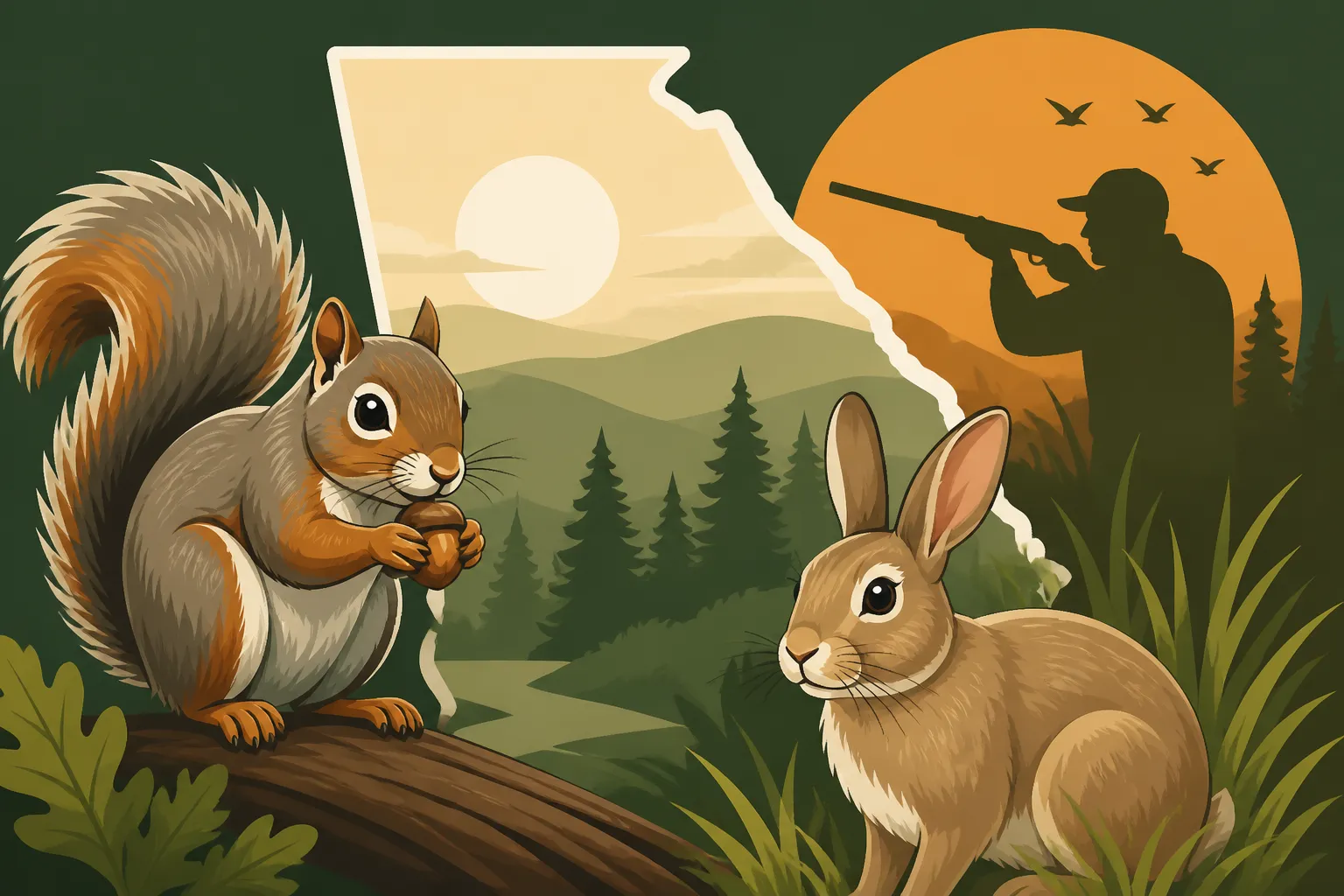
Georgia is home to a robust population of squirrels, primarily the gray squirrel, but also the larger fox squirrel in many areas. These agile, often acrobatic creatures are a cornerstone of our state's small game hunting heritage, providing endless hours of challenging and rewarding pursuit. Understanding their numbers and distribution is key to successful and enjoyable outings.
Gray Squirrels: The Backyard Bushy-Tails
The eastern gray squirrel is, without a doubt, the most common squirrel species you'll encounter across Georgia. They are incredibly adaptable and can be found almost anywhere there's a good tree canopy, from suburban parks to vast stretches of national forest. These squirrels are highly reliant on mast crops, particularly acorns, hickory nuts, and pecans, which dictate their distribution and population density year to year.
In areas with abundant mature hardwoods, like the Piedmont and mountain regions, gray squirrel populations can be incredibly dense. You'll often see them chattering away, chasing each other up and down tree trunks, and burying their winter caches of nuts. A good mast crop often translates to a thriving squirrel population the following year, as more young survive. Conversely, a poor mast year can lead to a noticeable dip in numbers, making hunting more challenging. They're also known to adapt to urban and suburban environments, taking advantage of bird feeders and ornamental trees, which sometimes leads to conflicts with homeowners.
Fox Squirrels: The Larger, Less Common Giants
While gray squirrels are ubiquitous, the fox squirrel offers a different experience for the Georgia hunter. These are significantly larger than gray squirrels, often displaying a beautiful array of color variations, from reddish-brown to dark gray, sometimes with black faces and white noses. Unlike their more social gray cousins, fox squirrels tend to be more solitary and are typically found in more open, mature pine forests, pine-hardwood mixes, or along the edges of agricultural fields, particularly in the Coastal Plain and some Piedmont areas.
Their preference for more open habitats means they are generally less dense in any given area compared to gray squirrels. You won't usually find a whole family of fox squirrels in one tree. They often forage on the ground, sometimes traveling considerable distances between preferred food sources like pine cones, pecans, and agricultural crops. This behavior makes them a different challenge for hunters; instead of looking for frenetic activity in a tree, you might be still-hunting slowly through a pine stand, looking for a solitary fox squirrel on the forest floor. Their unique habitat preferences contribute to their lower population density relative to gray squirrels, but they remain a prized small game animal for those who appreciate their size and more deliberate behavior.
Diving into Georgia's Rabbit Populations
Rabbit hunting, particularly for the eastern cottontail, is another cherished tradition in Georgia, often evoking nostalgic images of crisp autumn mornings and the baying of beagles. While not as universally distributed or as frequently seen as squirrels, Georgia's rabbit populations remain strong in suitable habitats, offering fast-paced action and a different kind of challenge for small game enthusiasts.
Eastern Cottontails: Georgia's Hopping Mainstay
The eastern cottontail is the most prevalent rabbit species across Georgia, providing the bulk of the state's rabbit hunting opportunities. These adaptable little dynamos thrive in "edge" habitats – places where different types of cover meet. Think fencerows, brushy field borders, clear-cuts, young timber stands, overgrown pastures, and the transitional zones between woods and open fields. They absolutely love dense, thorny thickets that offer protection from predators like coyotes, bobcats, and even large raptors.
Cottontail populations are characterized by high reproductive rates. A single female can have several litters a year, each with multiple young. This rapid reproduction is crucial because their lifespan is often short due to intense predation pressure. Because of this, good rabbit numbers are often directly tied to the availability of quality escape cover and food sources. Areas with a mosaic of dense cover, grasses, and broadleaf plants will consistently hold more rabbits. You'll often find them browsing on tender shoots, clover, and young vegetation, especially during the cooler parts of the day. For hunters, this means focusing on those brushy patches and field edges where rabbits can dart into safety at a moment's notice.
Marsh Rabbits: The Water-Loving Cousin
While less common to the average hunter than the eastern cottontail, Georgia is also home to the marsh rabbit, particularly in the southern and coastal regions. These fascinating rabbits are perfectly adapted to wetland environments, as their name suggests. You'll find them in swamps, marshes, bogs, and along the banks of sluggish rivers and creeks, especially in areas like the Okefenokee Swamp region or the Altamaha River basin.
Marsh rabbits are strong swimmers and will readily take to water to escape danger, unlike their cottontail cousins. They often have darker, shorter fur and smaller ears, features that help them navigate their damp, dense habitats. Their diet consists mainly of aquatic plants and grasses found in these wet areas. Hunting marsh rabbits often requires specialized tactics, sometimes involving boats or working alongside the edges of flooded timber, which offers a unique experience compared to traditional upland rabbit hunting. While they don't contribute as significantly to the statewide small game harvest, they are an important part of Georgia's unique ecological tapestry and offer a distinct challenge for those willing to seek them out in their watery homes.
Habitat and Environmental Factors Affecting Small Game
The health and abundance of Georgia's squirrel and rabbit populations are intrinsically linked to the quality and availability of their habitats. Environmental changes, land management practices, and even weather patterns can have profound effects on these small game species, sometimes leading to noticeable fluctuations in their numbers from one year to the next.
The Critical Role of Forest Health for Squirrels
For squirrels, especially gray squirrels, the health and composition of Georgia's forests are paramount. Mature hardwood forests, particularly those dominated by oaks, hickories, and pecan trees, are squirrel strongholds. These trees provide not only the critical mast crops that fuel their populations but also the den sites and nesting cavities essential for shelter and raising young. Without a consistent supply of these hard mast producers, squirrel populations would struggle immensely.
Forest fragmentation, where large tracts of contiguous forest are broken up by development or agriculture, can isolate squirrel populations and make them more vulnerable. Similarly, changes in forestry practices, such as widespread clear-cutting without reforestation that favors hardwoods, can reduce suitable habitat. Even within healthy forests, the annual variability of mast crops plays a huge role. A year of bumper acorns can lead to a surge in squirrel numbers, as more young squirrels survive the winter thanks to abundant food. Conversely, a poor mast year means fewer resources, leading to higher mortality rates and lower populations. This makes scouting for food sources before Georgia's Archery Season Opens or during early firearms season absolutely essential for hunters.
How Cover and Edges Drive Rabbit Abundance
Rabbits, particularly eastern cottontails, are masters of utilizing dense cover and "edge" habitats. Their populations thrive in areas where there's a good mix of thick escape cover—think briar patches, honeysuckle tangles, dense shrubbery, and brush piles—interspersed with open areas for foraging. These edges, where fields meet forests, or overgrown areas meet more manicured ones, provide both food and protection. Without adequate cover, rabbits are highly exposed to predators, and their numbers quickly dwindle.
Agricultural practices can significantly impact rabbit populations. While rabbits can utilize crop fields for food, the widespread use of herbicides and the conversion of brushy fencerows into larger, monoculture fields eliminates vital cover. Development also shrinks these critical edge habitats. On the flip side, proper land management, such as leaving un-mowed field borders, creating brush piles, or implementing timber stand improvement that promotes undergrowth, can greatly enhance rabbit habitat. Even small patches of dense cover in Hunting Small Woodlots Near Suburban Atlanta can hold a surprising number of rabbits, demonstrating their reliance on these protective zones.
The Impact of Predators and Disease
Both squirrel and rabbit populations are heavily influenced by natural predators and disease. These small game animals are a fundamental food source for a wide array of Georgia's wildlife, including hawks, owls, foxes, bobcats, and, increasingly, coyotes. While predation is a natural part of the ecosystem, an imbalance – such as an overabundance of predators in an area with declining small game habitat – can put additional pressure on populations.
Disease outbreaks can also play a role, although often less visibly than habitat loss or predation. Rabbits, for instance, can be susceptible to diseases like tularemia or fibromatosis, which can cause localized die-offs. Squirrels can suffer from parasites and other ailments, especially during times of nutritional stress. Monitoring Georgia Wildlife Disease Monitoring efforts can give insights into regional health trends for these species. While hunters play a role in managing populations, it's these larger ecological factors that truly dictate the long-term health and numbers of Georgia's squirrels and rabbits.
Hunting Seasons and Regulations for Squirrels and Rabbits
For those eager to pursue Georgia's small game, understanding the specific seasons and regulations is crucial. Georgia offers generous seasons for both squirrels and rabbits, reflecting their robust populations and the state's commitment to providing ample hunting opportunities. However, specific rules can vary, particularly on public lands like Wildlife Management Areas (WMAs).
Georgia Squirrel Season Details
Georgia generally provides a long, open season for squirrels, often extending from early fall well into late winter. This lengthy season allows hunters to pursue squirrels during different conditions, from the warmer, leafier days of October when you might still be wearing Warm-Weather Clothing for Georgia Hunters, to the colder, bare-treed days of January and February. The daily bag limit for squirrels is typically generous, allowing hunters to take a good number of animals on a successful outing.
It's important to remember that while the statewide season is broad, specific WMAs might have different dates or restrictions. For instance, some WMAs might be archery-only for deer, or have managed hunts that impact small game access. Always consult the current Georgia Hunting Regulations for the exact dates and any WMA-specific rules. Many hunters enjoy chasing squirrels with a .22 rifle or even a shotgun, and the long season provides plenty of chances to hone these skills. Scouting for active squirrel areas by looking for cut nuts and fresh dens before the season is always a good idea, and tools like the GoHunt app can help locate suitable public lands. For more detailed season information, check out Georgia Squirrel Season Dates.
Georgia Rabbit Season Specifics
Similar to squirrels, Georgia's rabbit season is typically quite extensive, starting in the fall and continuing through the winter months. This aligns well with cooler weather, which is often preferred for strenuous activities like running dogs and navigating dense brush. The daily bag limit for rabbits is also generally liberal, reflecting their fast reproductive rate and the need for consistent harvest to maintain healthy populations.
Rabbit hunting often involves a different approach than squirrel hunting, with many enthusiasts relying on packs of beagles to flush rabbits from thick cover. This makes understanding regulations regarding dog use on public lands particularly important. Some WMAs may restrict dog use or have specific dates for small game with dogs. Always verify these rules before you go. Accessing areas like Rabbit Hunting Georgia Fencerows or working brushy clear-cuts can provide excellent opportunities. Even if you're not using dogs, knowing where to find prime rabbit habitat – those dense briar patches and overgrown field edges – is key. Again, refer to the official Georgia Hunting Regulations for precise season dates and any location-specific rules to ensure a legal and enjoyable hunt. You can find more specific information on Georgia Rabbit Season Dates.
Public Land Access and Regulations
Georgia offers significant public hunting opportunities for squirrels and rabbits across its Wildlife Management Areas (WMAs) and portions of the Chattahoochee-Oconee National Forest. These areas are vital for small game hunters, especially those without access to private land. However, hunting on public land comes with its own set of rules and considerations.
Before heading out, it's essential to understand the specific regulations for the WMA or National Forest land you plan to hunt. These can include requirements for WMA licenses, specific hunting days or hours, restrictions on vehicle access, and rules regarding dog use. Some WMAs may have designated small game areas or specific managed hunts that close certain sections. Using resources like the Go Outdoors Georgia website or the GoHunt app can be incredibly helpful for planning, as they often provide detailed maps and up-to-date regulation summaries. Always check for any unexpected closures or special regulations. Respecting these rules is not only about legality but also about ensuring these public resources remain available and productive for all hunters. More general information can be found in our guide to Public Hunting Land in Georgia.
Conservation Efforts and Future Outlook for Small Game
Maintaining healthy populations of squirrels and rabbits is not just about providing hunting opportunities; it's about preserving a vital part of Georgia's ecosystem. These small game species play critical roles in forest health (through seed dispersal) and serve as a food base for many other wildlife species. Ongoing conservation efforts, largely driven by state wildlife agencies and conservation organizations, aim to ensure these populations thrive for generations to come.
Habitat Management and Restoration
One of the most impactful conservation strategies for both squirrels and rabbits is habitat management. For squirrels, this often involves promoting healthy, mature hardwood forests. This includes selective timber harvesting that favors mast-producing trees, controlling invasive species that outcompete native forage, and managing forest health to resist diseases. In some areas, planting mast-producing trees can enhance habitat quality, especially where older stands have been removed.
For rabbits, habitat restoration focuses on creating and maintaining that crucial "edge" habitat and dense cover they rely on. This can involve creating brush piles, planting native grasses and shrubs, establishing hedgerows, and managing field borders. Programs that encourage landowners to adopt wildlife-friendly agricultural practices, such as leaving un-mowed areas or planting native cover crops, are also vital. Organizations like Quail Forever, while focused on quail, often implement habitat improvements that greatly benefit rabbits and other small game. These efforts recognize that healthy small game populations are a sign of a healthy overall ecosystem. You can learn more about general habitat work on public lands by reading about Habitat Work on Georgia WMAs.
Monitoring and Research
Effective conservation relies heavily on robust data. Wildlife agencies in Georgia continually monitor squirrel and rabbit populations through various methods. For squirrels, this can include mast crop surveys to predict future population trends, as well as hunter harvest reports. For rabbits, techniques might involve roadside surveys, spotlight counts, and also harvest data collected from hunters. This information helps biologists understand population trends, identify areas of concern, and adjust hunting regulations as needed to ensure sustainable harvests.
Research also plays a crucial role, studying factors like reproductive rates, survival rates, disease prevalence, and the impacts of different land management practices. This scientific understanding informs conservation decisions and helps state agencies make proactive choices rather than reactive ones. Hunters play a part in this by accurately reporting their harvests through systems like Go Outdoors Georgia, providing valuable data that contributes to these ongoing monitoring efforts.
The Role of Hunters and Future Outlook
Hunters are often the first line of conservation. Through license fees and excise taxes on hunting equipment (thanks to the Pittman-Robertson Act), hunters directly fund the habitat management, research, and enforcement efforts that benefit all wildlife, including squirrels and rabbits. Engaging in ethical hunting practices, respecting bag limits, and accurately reporting harvests are all ways hunters contribute to the long-term health of these populations.
The future outlook for Georgia's squirrel and rabbit populations remains generally positive, particularly where good habitat exists and management efforts are ongoing. While localized declines may occur due to habitat loss from development or intense agricultural practices, the overall adaptability of these species, combined with dedicated conservation work, suggests they will continue to be a cherished resource for Georgia hunters. As more hunters seek opportunities beyond big game, the appreciation for squirrel and rabbit hunting continues to grow, ensuring these traditions endure.
Comparing Squirrel and Rabbit Characteristics
To help visualize some key differences and similarities between Georgia's primary small game species, here's a handy comparison:
| Characteristic | Eastern Gray Squirrel | Eastern Cottontail Rabbit |
|---|---|---|
| Primary Habitat | Mature hardwood forests, mixed woodlands, suburban areas with trees | Edge habitats: fencerows, briar patches, brushy fields, young clear-cuts |
| Main Food Source | Acorns, hickory nuts, pecans, pine seeds, buds, mushrooms, berries | Grasses, clover, tender shoots, broadleaf weeds, bark in winter |
| Activity Pattern | Diurnal (daylight hours), very active at dawn and dusk | Primarily crepuscular (dawn/dusk), sometimes nocturnal |
| Escape Tactic | Climbs trees, seeks den holes | Darts into thick cover, freezes, runs in zig-zag pattern |
| Reproduction Rate | 1-2 litters/year, 2-6 young/litter | 3-5 litters/year, 3-8 young/litter (very high turnover) |
| Typical Size | 1-1.5 lbs, 16-20 inches total length | 2-4 lbs, 15-19 inches total length |
| Hunting Style | Still-hunting, sitting, stalking, with small caliber rifles or shotguns | Often with beagles, flushing, walking thick cover with shotguns |
| Conservation Status | Stable, widespread | Stable, widespread (can fluctuate based on local habitat) |
Disclaimer
This article is for general informational purposes only and does not constitute professional advice. Laws, prices and regulations vary by location and change over time. Consult a qualified professional for guidance on your specific situation.