Georgia Rabbit Season Dates
There's nothing quite like the crisp air of a Georgia morning, the eager yelps of beagles echoing through the pines, or the sudden flush of a cottontail from a briar patch. But before you head out to chase these elusive critters, you need to know when you can legally pursue them. Getting the season dates wrong can ruin your hunt and land you in trouble, which is a frustration no hunter wants. This comprehensive guide will walk you through Georgia's rabbit season dates, the necessary licenses, ideal habitats, hunting tactics, and important regulations, ensuring you’re fully prepared for a successful and legal hunt.
Understanding Georgia's Rabbit Season Framework
Georgia offers a wonderfully generous rabbit season, allowing hunters ample opportunity to pursue both cottontail and swamp rabbits across the state. These aren't just target practice; rabbits offer fantastic table fare and a challenging hunt that can sharpen your tracking and shooting skills, making them a favorite for many small game enthusiasts. Knowing the specific dates is your first step to a great outing.
Key Dates for Cottontails and Swamp Rabbits
As of the most recent Georgia Department of Natural Resources (DNR) regulations, the statewide rabbit season typically opens in mid-November and extends through the end of February. For example, the 2023-2024 season ran from November 11, 2023, to February 29, 2024. It’s a long stretch, giving you plenty of chances to get out, whether you're bringing a pack of dogs or just doing some casual still-hunting. Always double-check the current year's Georgia DNR hunting regulations as dates can shift slightly year to year.
This extended season is a real boon for hunters, especially after the busier deer and turkey seasons have settled down. You'll often find that the woods are quieter, the leaves are off the trees making visibility better, and cooler weather means both you and your dogs can hunt more comfortably. It’s an ideal time to introduce new hunters, particularly younger ones, to the joys of small game hunting without the intense pressure or early morning starts associated with bigger game.
What's great about Georgia is that these dates generally apply statewide, meaning you don't have to worry about complicated zone restrictions like with some other game species. Whether you're hunting the rolling hills of the Piedmont or the vast flatlands of the Coastal Plain, the season framework remains consistent. This simplifies planning significantly, allowing you to focus on scouting and hunting tactics rather than navigating complex calendars.
Daily and Season Bag Limits
When it comes to how many rabbits you can take, Georgia has a clear and consistent daily bag limit: ten rabbits per hunter per day. This applies to any combination of cottontails and swamp rabbits. There isn't a specific possession limit beyond the daily bag, meaning you can harvest ten rabbits each day you hunt, within reason, provided you're storing them properly and not exceeding your daily take.
This generous bag limit reflects the healthy and widespread rabbit populations across Georgia. It allows hunters to really get out there and fill a cooler, providing plenty of meat for stews, frying, or other delicious recipes. It also encourages more active hunting, especially for those using dogs, as you're not constrained by a tiny quota. It’s a rewarding hunt when you can come home with a good haul after a day in the field.
Understanding and adhering to these limits is a crucial part of ethical and legal hunting. It’s not just about avoiding fines; it’s about responsible wildlife management. While rabbit populations are robust, maintaining these limits ensures their continued health and availability for future generations of hunters. Always count your harvest carefully and respect the regulations set forth by the Georgia DNR.
Why the Dates are Set This Way
The Georgia DNR sets rabbit season dates with wildlife biology and hunter opportunity in mind. The opening in mid-November coincides with cooler weather, which is safer and more comfortable for both hunters and their dogs, especially in the thick cover rabbits often inhabit. More importantly, it allows for rabbit populations to grow and mature through the spring and summer breeding seasons. By the time November rolls around, young rabbits born earlier in the year are mature enough to be part of the harvest, ensuring sustainable hunting pressure.
The season extending into late February allows hunters to capitalize on the prime winter months when rabbit cover is often less dense, making them easier to spot and flush. This period also generally avoids the peak of the breeding season for rabbits, which typically begins to ramp up in late winter and early spring. Hunting during these months minimizes disturbance during crucial reproductive periods, further supporting healthy populations.
Furthermore, the timing integrates well with other hunting seasons. Many hunters transition from deer or turkey seasons to small game, and the rabbit season's timing allows for a continuous hunting experience through the fall and winter. This staggered approach helps distribute hunting pressure across different species and throughout the year, contributing to overall wildlife conservation efforts and maximizing recreational opportunities for hunters.
| Category | Details (Typical) |
|---|---|
| Season Open | Mid-November |
| Season Close | End of February |
| Daily Bag Limit | 10 Rabbits (Cottontail & Swamp) |
| Possession Limit | Same as daily bag |
| Hunting Hours | 30 minutes before sunrise to sunset |
Essential Licenses and Requirements for Rabbit Hunters
Before you even think about loading your shotgun or unleashing your hounds, you need to make sure your legal ducks—or rather, rabbits—are in a row. Hunting without the proper licenses in Georgia isn't just a slap on the wrist; it can lead to significant penalties. It’s a simple step that often gets overlooked in the excitement of planning a hunt.
What Licenses You'll Need
To legally hunt rabbits in Georgia, you’ll primarily need a valid Georgia hunting license. For residents, several options exist, from annual licenses to lifetime permits, and even specialized bundles. For instance, many resident hunters opt for the Georgia Resident Sportsman License Bundle which covers a wide array of hunting and fishing privileges. Non-residents will need to purchase the appropriate non-resident license, which might cost a bit more, but grants the same access to Georgia's abundant small game. You can find detailed information on Georgia Hunting Licenses and What They Cost and specific Georgia Resident Hunting License Options through the Georgia DNR website or by visiting a licensed vendor.
Purchasing your license is straightforward. The easiest way is usually online through the Go Outdoors Georgia website. You can also pick one up at a local sporting goods store or even some county probate courts. When planning your hunt, consider using mapping tools like GoHunt to not only scout potential rabbit habitat but also to keep track of license requirements and WMA regulations. It's a convenient way to manage your hunting logistics from one platform.
It's important to note that while some specific game species might require additional stamps (like the Federal Duck Stamp for waterfowl), rabbits typically fall under the general hunting license umbrella for small game. However, if you plan to hunt on Wildlife Management Areas (WMAs), you will also need a Georgia WMA Access Stamp Requirement in addition to your basic hunting license. Always carry proof of your license, whether it's a physical copy or stored digitally on your phone via the Go Outdoors Georgia app.
Hunter Education and Apprentice Licenses
For new hunters in Georgia, especially those born on or after January 1, 1961, completing a hunter education course is a mandatory step before purchasing a season-long hunting license. This course covers firearm safety, wildlife identification, conservation principles, and ethical hunting practices. It's designed to ensure every hunter has the foundational knowledge to participate safely and responsibly. You can find out more about the specific requirements and how to enroll by checking Georgia Hunter Education Requirements.
However, Georgia offers a fantastic pathway for those new to hunting or visitors who haven't completed a course yet: the Apprentice Hunter License. This license allows individuals to hunt under the direct supervision of a licensed adult mentor (who is at least 18 years old and has completed hunter education or is exempt). This is an excellent way to get hands-on experience in the field, learn from an experienced hunter, and decide if hunting is for you before committing to the hunter education course. For details on how close your mentor must stay and other specific rules, refer to Georgia Apprentice Hunter License Rules.
This apprentice program is especially valuable for rabbit hunting, which often involves active participation, dog handling, and quick decision-making. A mentor can guide you through identifying good cover, understanding dog behavior, and safely handling your firearm in dynamic situations. It fosters a safe learning environment and encourages the transmission of hunting traditions from one generation to the next.
Public vs. Private Land Considerations
Deciding where to hunt rabbits is just as important as knowing when. Georgia offers a mix of public and private lands, each with its own set of rules and accessibility. Many hunters prefer private land, often working on family farms, leased properties, or through verbal permission from landowners. If you're on private land, ensure you have explicit permission. You don't want to find yourself in a situation where you're accused of trespassing, which can easily happen if property lines aren't clearly marked. Always respect landowner rights and rules when Hunting Small Private Tracts in Georgia.
For those without private land access, Georgia boasts a significant amount of public hunting ground, primarily through its Wildlife Management Areas (WMAs) and portions of the Chattahoochee-Oconee National Forest. These areas provide excellent opportunities for rabbit hunting, but they often come with specific regulations beyond the statewide rules. As mentioned, a WMA stamp is usually required. Additionally, WMAs may have designated hunting dates, weapon restrictions, or specific rules regarding dog usage, so always consult the WMA's specific brochure or signage before heading out. Using the GoHunt app can be incredibly helpful here, as it often integrates WMA boundaries and regulations right into its mapping features, allowing you to easily identify Public Hunting Land in Georgia and plan your access routes.
When hunting public land, be mindful of other users – hikers, birdwatchers, and other hunters. Being aware of your surroundings and practicing respectful etiquette is key to a positive experience for everyone. The Georgia Public Land Hunting Hours generally align with the statewide sunrise-to-sunset framework, but it's always wise to confirm for specific public areas.
Where to Find Rabbits and Optimize Your Hunt in Georgia
Rabbits are incredibly adaptable, but they certainly have their favorite hangouts. Knowing where to look for them and understanding their habits can dramatically increase your success rate. It's not just about walking through the woods; it's about reading the landscape.
Prime Rabbit Habitat Across the State
Rabbits, particularly cottontails, are creatures of edge habitat. They thrive where different types of cover meet, providing them with food, shelter from predators, and escape routes. Think about areas with dense, low-growing vegetation right next to more open feeding areas. This includes places like old clearcuts that are regenerating with thick briars and saplings, fallow fields that have grown up in weeds and brush, and the dense hedgerows and fencerows that divide agricultural fields. Rabbit Hunting Georgia Fencerows are classic spots.
In Georgia's Piedmont region, you'll often find rabbits around old farmsteads, creek bottoms with thick undergrowth, and the edges of pine plantations that have recently been thinned or are in their early stages of growth. The Coastal Plain offers similar opportunities, especially in areas with longleaf pine savannas that have undergone prescribed burns, creating patches of dense new growth. Swamp rabbits, as their name suggests, prefer wetter areas like river bottoms, cypress swamps, and marshy edges, often near the Altamaha or Oconee Rivers, where thick cane and palmetto provide ideal cover.
Identifying these areas often involves looking for "messy" spots that other hunters might overlook. Overgrown brush piles, thickets of greenbrier, kudzu patches, and even neglected suburban edges can hold surprisingly high numbers of rabbits. The key is finding that combination of thick escape cover and nearby forage like tender grasses, clover, or young shoots. Using a mapping tool like GoHunt can help you pinpoint these transition zones and dense cover patches on aerial photography before you even step foot in the woods.
Best Times of Day and Weather for Rabbit Hunting
Rabbits are most active during the low-light hours of dawn and dusk, much like deer. However, during hunting season, they can be found throughout the day, especially if they're being pushed by dogs or if the weather encourages midday movement. Early mornings, right after sunrise, are often productive, as rabbits are finishing up their night feeding and heading back to dense cover to bed down for the day. Late afternoons, as they start to stir again, are also prime times.
Weather plays a significant role in rabbit activity. Cold, clear days following a frontal passage can be excellent. The brisk temperatures encourage rabbits to move more to feed and stay warm. Overcast days with a light drizzle can also be productive, as this type of weather often keeps other hunters home, leaving the woods quieter, and the damp ground can help dogs pick up scent trails. Avoid hunting during heavy rain or extreme heat, as rabbits will be hunkered down, and it's less enjoyable (and less effective) for you and your dogs.
One often-overlooked weather factor is snow, which, while rare in much of Georgia, can create incredible rabbit hunting conditions when it does occur. Fresh snow makes tracking incredibly easy and often concentrates rabbits in the densest cover. The stark contrast of their brown fur against white snow also improves visibility significantly. For most of Georgia, however, look for those crisp, cool, slightly overcast days.
Tactics for Successful Rabbit Hunting
Rabbit hunting is a wonderfully active pursuit, and there are several effective tactics you can employ. The most popular method, and arguably the most exciting, involves Running Beagles on Georgia Cottontails. A good pack of beagles, with their incredible noses and melodic baying, can quickly locate rabbits in thick cover and push them out. Rabbits, when flushed, often run in a large circle back to their original bedding area, allowing hunters to position themselves for a shot. This requires patience, good listening skills, and knowing how to anticipate the rabbit's path.
If you don't have dogs, still-hunting can be very effective. This involves slowly and deliberately walking through prime rabbit habitat, pausing frequently to scan for movement or a hunkered-down rabbit. Focus on those dense patches of briars, tall grasses, and brush piles. Kick at these spots with your feet or a stick to try and flush rabbits. This method requires more stealth and keen eyesight, but it can be incredibly rewarding when you spot a rabbit before it bolts.
Another common tactic, especially in open fields with scattered cover, involves small deer drives with a few hunters. One or two hunters act as "drivers," slowly walking through cover, while others act as "posters," positioning themselves at likely escape routes. Communication is key here, and safety is paramount. Always ensure everyone knows where other hunters are located. Regardless of your chosen method, wearing blaze orange is not just a good idea, it's often a legal requirement, which we’ll discuss shortly.
Gear and Regulations Beyond the Season Dates
Having the right gear can make your rabbit hunt more comfortable and successful, and knowing all the regulations ensures you stay on the right side of the law. Don't let a forgotten item or an unknown rule cut your trip short!
Recommended Gear for Rabbit Hunters
When it comes to firearms, a shotgun is king for rabbit hunting. A 12-gauge or 20-gauge shotgun, typically with an improved cylinder or modified choke, loaded with #6 or #7.5 birdshot, is ideal for the close-range, fast-flushing shots common in rabbit hunting. These gauges offer a good balance of pattern density and recoil, making them suitable for quick follow-up shots. Many hunters favor a lightweight, easy-swinging shotgun like a semi-automatic or over/under for quick target acquisition. You can use insights from Shotguns for Georgia Quail and Dove to help pick the right firearm.
Beyond the firearm, comfortable and durable clothing is essential. Think briar-resistant pants or chaps, as you’ll be pushing through thorns and thick brush. Waterproof boots are a must, especially if you're hunting in dew-laden fields or damp creek bottoms; Snake Boots for Georgia Swamp Ground are always a good idea given Georgia's venomous snake populations, even in colder weather when they are less active. A good game vest or bag with plenty of pockets for shells, water, and your harvested rabbits will keep you organized. If you're hunting with dogs, don't forget their essential gear: bells, e-collars, and plenty of water for them.
Finally, consider a reliable GPS unit or a mapping app like GoHunt on your phone. This isn't just for finding your way; it helps mark promising cover, track dog movements, and ensure you stay on public land boundaries or within your permitted private property. A small first-aid kit for both you and your dogs is also a smart addition to your pack.
Important Regulations to Remember
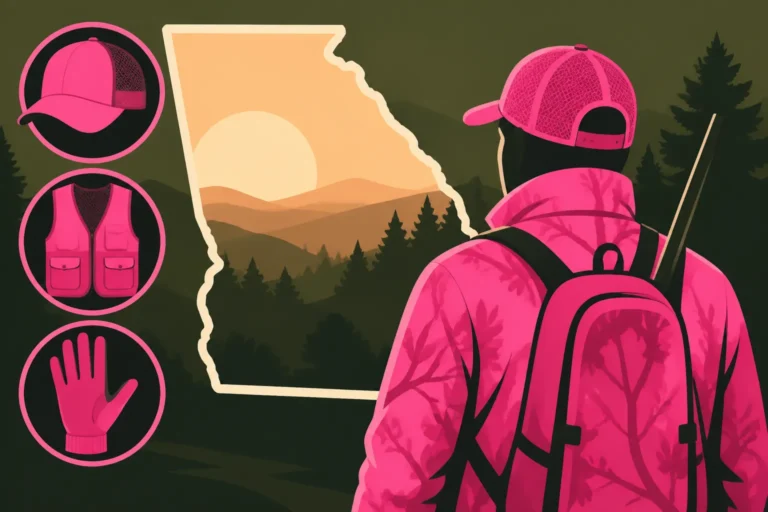
Beyond the season dates and bag limits, several other regulations are critical for a safe and legal rabbit hunt in Georgia. First and foremost, blaze orange requirements: while some seasons (like archery deer) don't mandate it, during the firearms deer season and other specific times, all hunters (and anyone accompanying them) must wear at least 500 square inches of visible Georgia Blaze Orange Requirements above the waist. This includes a hat, vest, or jacket. Even when not legally required, wearing blaze orange is a fundamental safety practice, especially when hunting with dogs or in areas with other hunters.
Understand the legal hunting hours. For rabbits, hunting is generally permitted from 30 minutes before sunrise to sunset. Attempting to hunt rabbits outside these hours, particularly at night, can lead to serious legal issues. Always consult the current regulations for exact times, as sunrise and sunset vary throughout the season. You can find detailed information on Georgia Public Land Hunting Hours which typically align with statewide regulations.
Finally, be aware of any local ordinances or specific WMA rules regarding firearms. While shotguns are generally permitted, some areas might have specific restrictions. It's also illegal to hunt any game animal, including rabbits, over bait. Always be familiar with the land you're hunting on, whether it's public or private, and ensure you have all the necessary permits and permissions. Responsible hunting starts with knowing and respecting the rules.
Disclaimer
Please remember that hunting regulations, season dates, and license requirements are subject to change. While every effort has been made to provide accurate and up-to-date information in this guide, it is ultimately the hunter's responsibility to consult the most current official regulations published by the Georgia Department of Natural Resources (DNR) before planning and engaging in any hunting activities. Always prioritize safety, ethical hunting practices, and compliance with all applicable laws.