Why the Coastal Plain Grows Older Bucks
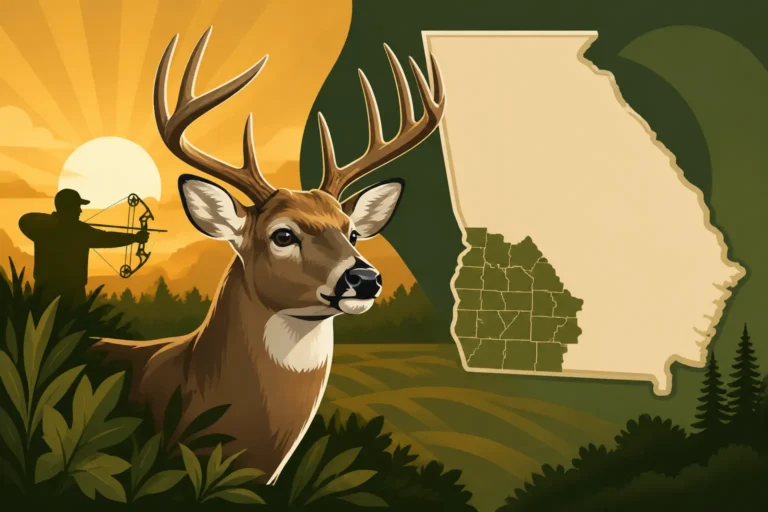
Many Georgia deer hunters, especially those of us who’ve cut our teeth in the thick timber of the North Georgia mountains or the sprawling farmlands of the Piedmont, often scratch our heads wondering why the Coastal Plain seems to consistently produce such magnificent, older bucks. It's not just a rumor or a few lucky hunters; there's a real, tangible difference in the age structure of the deer herd down south. This guide will peel back the layers to reveal the key reasons the Georgia Coastal Plain is a hotspot for mature whitetails, helping you understand the factors at play and perhaps even adjust your own hunting strategy.
The Advantageous Habitat and Abundant Nutrition of the Coastal Plain
When you drive through the Georgia Coastal Plain, you're immediately struck by the vastness of the landscape. It’s a different world from the rolling hills and fragmented woodlots of other regions. This extensive, relatively flat terrain, combined with its unique soil composition and agricultural practices, creates a deer habitat that is nothing short of exceptional.
Diverse and Plentiful Food Sources Year-Round
The Coastal Plain is characterized by large tracts of pine plantations, often managed with prescribed burns, alongside significant agricultural operations growing crops like peanuts, corn, soybeans, and cotton. This creates an incredible smorgasbord for deer. Unlike some areas where natural browse might be limited or inconsistent, the Coastal Plain offers a diverse and consistently available food supply. During much of the year, bucks have access to high-protein forage from agricultural fields, giving them a significant nutritional boost. When crops are harvested, the waste grain left behind provides critical calories through the fall and winter, sustaining deer through periods that might be leaner elsewhere. This consistent access to quality nutrition from a young age is paramount. A fawn born into a nutrient-rich environment has a head start, and that advantage compounds over its lifetime, leading to better body development and, eventually, impressive antler growth. It's a luxury many deer in more fragmented, less agricultural areas simply don't have.
Consider a typical year: a young buck might browse on tender shoots in a regenerating pine stand in spring, move into a lush soybean field through summer, then feast on leftover peanuts or corn in the fall. This variety means that even if one food source dwindles, another is usually available, preventing nutritional stress that can stunt growth. This steady diet, rich in proteins and minerals, supports healthy skeletal development and the growth of larger, more robust antlers as the buck matures. You can almost see the difference when you compare deer taken from these areas versus those from more marginal habitats – the body size and overall health are often noticeably superior. It's a prime example of how crucial a varied diet is for a deer herd, and the Coastal Plain delivers this in spades.
Expansive, Less Fragmented Habitat
Another critical factor is the sheer scale and connectivity of the habitat. The Coastal Plain often features vast unbroken tracts of timber and farmland, meaning deer have plenty of room to roam, grow, and avoid excessive human disturbance. This less fragmented landscape minimizes bottlenecks and corridors where deer might be funneled into high-pressure hunting situations. Instead, deer can find sanctuary and move freely between feeding, bedding, and watering areas without constantly crossing busy roads or residential developments.
This expansive habitat also means less competition for resources in many areas. While deer densities can still be high, the available land often disperses the herd more effectively than in smaller, segmented regions. This reduces stress within the herd and allows individual deer to maximize their nutritional intake. For a buck to reach an older age class, it needs security. Large, contiguous blocks of cover, whether it’s a thick pine clearcut or an unpressured river bottom, provide that essential refuge. When bucks feel secure, they spend more time feeding and growing and less time simply trying to survive. This also allows for greater dispersal, making it harder for any single hunter to predict their movements consistently. Anyone looking to understand Why Southwest Georgia Grows Big Bucks would do well to consider this combination of rich food and sprawling, secure habitat. It's truly a formula for success when it comes to growing older, heavier deer.
Lower Hunting Pressure and Strategic Deer Management
While habitat and nutrition lay the groundwork, human factors like hunting pressure and how deer are managed are arguably just as, if not more, influential in allowing bucks to reach older age classes. The Coastal Plain often benefits from a combination of these elements that allow bucks to evade hunters longer.
Less Dense Hunter Populations
One of the most significant reasons you'll find older bucks in the Coastal Plain is simply a lower density of hunters in many areas compared to, say, the more populated Piedmont region or the easily accessible national forest lands up north. While Georgia overall has a thriving hunting culture, the vastness of the Coastal Plain means that hunter distribution can be more spread out. Fewer hunters per square mile translate directly into less overall pressure on the deer herd.
This isn't to say there aren't hunters down south, but the sheer amount of private land, often in large parcels, means that deer have more places to escape detection. Hunters aren't bumping into each other as frequently, and deer aren't constantly being pushed and disturbed. A buck that is bumped less often learns to avoid hunters better and can maintain more predictable patterns of movement. It's the difference between a deer that's constantly on high alert versus one that feels relatively secure in its routine. This lower pressure allows bucks to live long enough to hit those 3.5, 4.5, and even 5.5+ year old marks, which is when they really start to show their impressive antler potential. In areas with higher hunter densities, a young buck might get taken by a less experienced hunter before it ever reaches its prime. For those using tools like GoHunt to scout areas, understanding the potential for lower hunter density can be a game-changer when analyzing potential hunt spots in the Coastal Plain.
Emphasis on Quality Deer Management (QDM)
Many large private landowners and hunting clubs in the Coastal Plain have embraced Quality Deer Management (QDM) practices. This isn't just about growing big antlers; it's a holistic approach focused on balancing the deer herd with the habitat, maintaining a healthy buck-to-doe ratio, and, critically, allowing young bucks to walk. These programs often involve strict harvest criteria, encouraging hunters to pass on younger, smaller-racked bucks to give them another year or two to grow.
This commitment to QDM, often implemented over many years on large tracts of land, directly contributes to a higher proportion of older bucks in the local population. It requires discipline, but the results speak for themselves. Instead of harvesting any legal buck, hunters on these managed properties are looking for specific indicators of age, like body characteristics and antler mass, rather than just tine length. When hunters consistently allow 1.5 and 2.5-year-old bucks to reach 3.5 years and beyond, the average age of the harvested bucks naturally increases. This often goes hand-in-hand with careful monitoring of the herd through trail cameras and harvest data, sometimes even using platforms that integrate mapping and data, which can be useful when you’re assessing Georgia Deer Population Estimate. This proactive management is a stark contrast to areas where the focus might solely be on filling tags, regardless of the buck's age, and it’s a primary driver of the Coastal Plain's reputation for big, mature deer.
Comparative Factors for Buck Age
| Factor | Coastal Plain | Other Georgia Regions (Piedmont, Mountains) |
|---|---|---|
| Habitat Size | Extensive, less fragmented tracts | Often fragmented, smaller woodlots |
| Primary Food Sources | Ag crops (peanuts, corn, soybeans), managed pines | Hardwood mast, natural browse, smaller food plots |
| Nutritional Quality | High and consistent, especially from ag | Variable, often dependent on mast crop (acorns) |
| Hunter Density | Generally lower, more spread out | Higher in many areas, more public land pressure |
| Management Focus | Strong emphasis on QDM on private lands | Mixed; varies from QDM to liberal harvest |
| Cover Availability | Abundant thick cover in pines and bottomlands | Can be sparse in some areas, more open hardwoods |
| Deer Age Structure | Higher proportion of older bucks (3.5+ years) | More pressure on younger age classes (1.5-2.5 years) |
Genetic Potential and Environmental Influences Supporting Mature Bucks
Beyond habitat, nutrition, and hunting pressure, there are inherent biological and environmental factors that contribute to the Coastal Plain's ability to grow older, larger-bodied bucks. It's a complex interplay where everything comes together in favor of a mature deer.
Strong Native Genetics and Consistent Doe Harvest
While genetics aren't the sole factor, a healthy gene pool is undoubtedly important for antler potential. The Coastal Plain has a strong population of native whitetails that, when given the opportunity to mature and with ample nutrition, naturally express larger body sizes and antler configurations. Unlike some areas where deer populations might have been re-introduced from different genetic lines, the long-established herds in the Coastal Plain benefit from a consistent genetic lineage.
Furthermore, effective doe harvest is a critical component that often gets overlooked. On well-managed properties in the Coastal Plain, hunters are encouraged to harvest sufficient numbers of does to keep the buck-to-doe ratio healthy and the overall deer population in balance with the available food resources. This means less competition for food among the remaining deer, especially the bucks. When a buck doesn't have to compete as intensely for every morsel of food, more energy can be diverted to growth, both in body mass and antler development. This isn't just about getting a permit; it's about understanding Georgia's Twelve-Deer Bag Limit and how it can be utilized for herd health. A balanced herd structure also means a more intense and focused rut, which can be less stressful on individual bucks and contribute to overall herd health.
Milder Winters and Less Environmental Stress
Georgia's Coastal Plain experiences significantly milder winters than its northern counterparts. While this might seem like a small detail, it has a profound impact on deer health and survival. In regions with harsh winters, deer expend a tremendous amount of energy just trying to stay warm and find scarce food, often leading to weight loss and stress during the leanest months. This energy drain can be particularly hard on bucks, as they are often recovering from the rigors of the rut.
In the Coastal Plain, milder temperatures mean deer don't have to burn as many calories to maintain their body temperature. They can continue to find browse, and often, waste grain from agricultural fields provides a crucial energy source through the winter. This reduced environmental stress allows bucks to recover more quickly from the rut and enter the spring antler-growing season in much better physical condition. More energy can be directed towards antler development rather than basic survival. This consistent lack of severe winter stress, year after year, allows bucks to incrementally build on their physical development, ultimately leading to those impressive, older-age-class animals that hunters dream of. It’s a subtle but powerful advantage that plays a huge role in the long-term health and growth potential of the herd. This is part of the reason you'd consider Late-Season Food Sources for Georgia Whitetails if hunting during winter months.
The Impact of Large Land Holdings and Private Leases
A defining characteristic of the Coastal Plain landscape is the prevalence of large, privately-owned tracts of land, often managed as timberland or agricultural operations. These large holdings are frequently leased by hunting clubs or individuals who have a vested interest in managing the deer herd for long-term quality rather than short-term harvest numbers. This contrasts sharply with areas where land ownership is fragmented into smaller parcels, leading to less consistent management and higher hunting pressure across property lines.
On these expansive private leases, managers often have the autonomy and resources to implement consistent harvest strategies, create food plots, conduct prescribed burns to improve habitat, and enforce strict rules regarding which bucks can be harvested. This creates a stable, managed environment where bucks have a real chance to reach older age classes. Many hunters invest significant time and money into these leases, making them highly motivated to protect young bucks and allow them to mature. This long-term commitment to a property and its deer herd is a cornerstone of the Coastal Plain's success in producing older bucks. Hunters who are serious about finding quality game might use services like GoHunt to research potential leases or gain insights into property management strategies that align with their hunting goals. Understanding where these large, well-managed tracts exist can be key to unlocking opportunities to hunt these mature deer, especially when you consider options like Hunting South Georgia Plantation Country.
Disclaimer
This article is for general informational purposes only and does not constitute professional advice. Laws, prices and regulations vary by location and change over time. Consult a qualified professional for guidance on your specific situation.