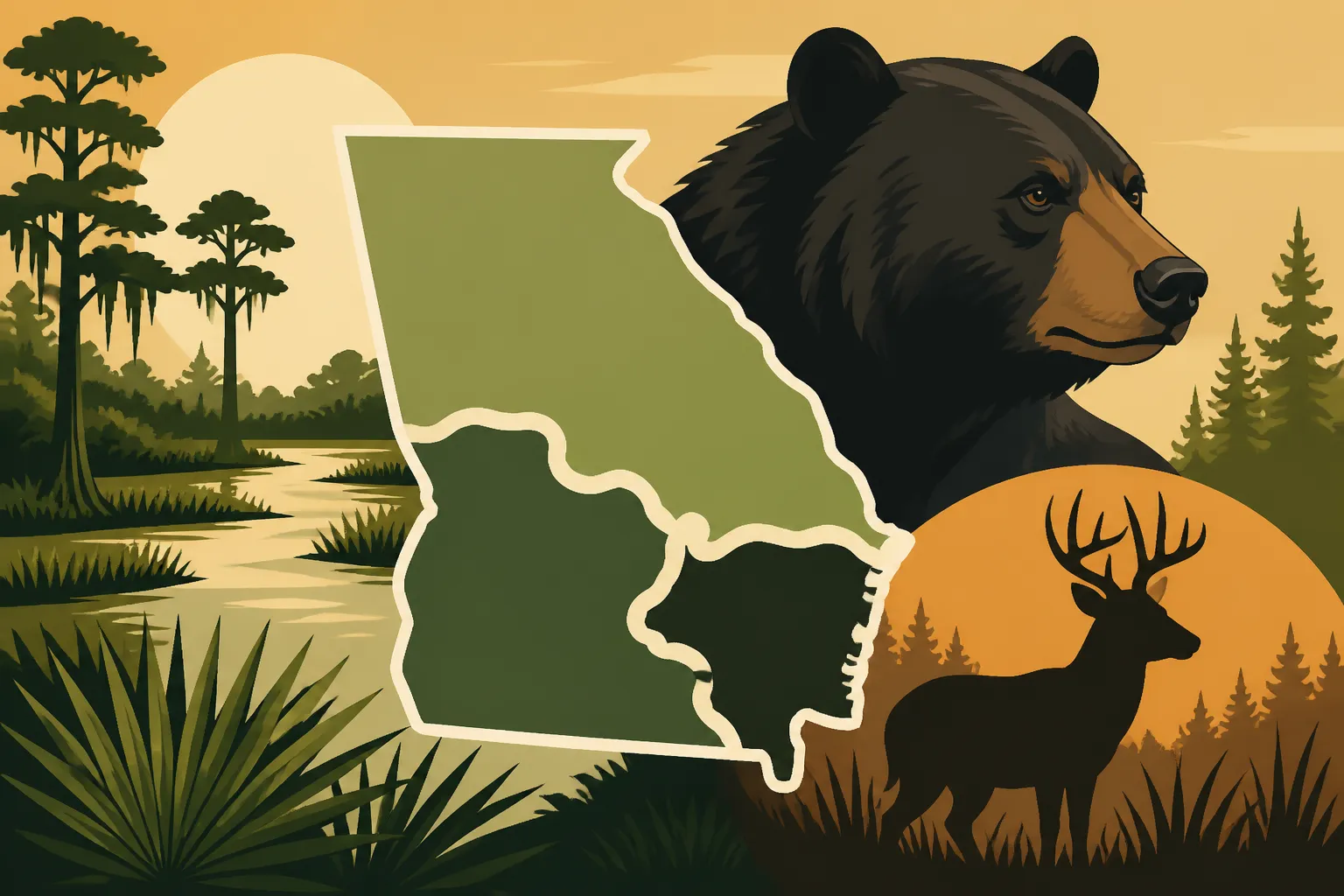
Where Altamaha and Okefenokee Bears Range
Navigating the expansive and often mysterious landscapes of South Georgia can be a real head-scratcher when you’re trying to understand where the local wildlife, especially black bears, actually roam. It’s not like they follow human property lines or highways, and their movements are deeply tied to the unique habitats of the region. This guide is here to shed some light on the specific territories and behaviors of the black bear populations found around Georgia's iconic Altamaha River corridor and the sprawling Okefenokee Swamp.
The Unique Landscape of Georgia's Southern Bear Zones
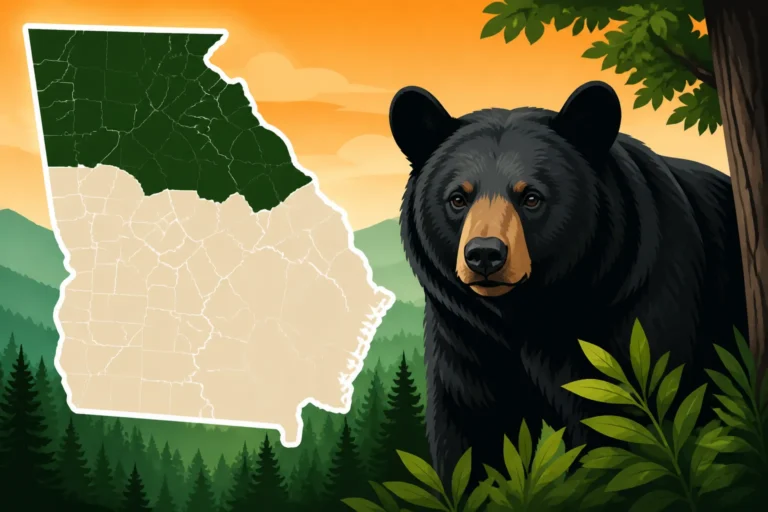
South Georgia is a world away from the mountainous terrain of the northern part of our state, offering a completely different set of challenges and opportunities for wildlife, including our black bears. These southern zones are characterized by vast, flat landscapes, intricate river systems, and immense wetlands, all of which play a crucial role in defining where bears live, forage, and thrive. Understanding these distinct environments is the first step to truly grasping the lives of our Altamaha and Okefenokee bears.
Altamaha River Corridor: A Ribbon of Wilderness
The Altamaha River, often called "Georgia's Amazon," is a magnificent, undammed blackwater river that carves its way across a significant portion of the Coastal Plain before emptying into the Atlantic Ocean. For black bears, this river corridor is nothing short of a lifeline. Its floodplains are a mosaic of cypress swamps, hardwood hammocks, and dense bottomland forests that offer unparalleled cover and an abundance of food sources throughout the year. Think about those vast stretches of river swamps in counties like McIntosh, Long, Wayne, Appling, and Jeff Davis – these are prime bear habitats.
These river bottoms act like natural highways, allowing bears to move relatively unmolested through an otherwise increasingly fragmented landscape. They can travel for miles, following the river's edge, finding secluded spots for denning, and accessing diverse food offerings from acorns to gallberries. The sheer wildness of the Altamaha's banks provides a sanctuary, even as human development nudges closer in some areas. It’s a truly special place that fosters a relatively healthy, albeit often dispersed, bear population.
Okefenokee Swamp: The Untamed Frontier
Then there's the Okefenokee Swamp, a name that evokes images of ancient cypress, dark waters, and an almost primeval wilderness. This immense wetland, primarily within Charlton, Ware, and Clinch counties, is a truly untamed frontier, making it one of the most significant strongholds for black bears in the southeastern United States. The Okefenokee National Wildlife Refuge, which protects much of the swamp, ensures that this vast, complex ecosystem remains largely undisturbed, offering an unparalleled habitat for bears.
For bears living deep within the Okefenokee, life revolves around the mosaic of wet prairies, cypress forests, and pine islands. The sheer inaccessibility of much of the swamp provides natural protection from human disturbance, creating a haven where bears can go about their lives with minimal interference. This vastness also means that bear populations here are often robust and less susceptible to the pressures of development compared to those closer to urban centers. It's a place where the wild still truly reigns supreme, and the bears are a testament to that enduring spirit. If you're looking for an incredible experience, understanding the unique challenges of Hunting the Okefenokee Swamp Region is a good start.
Understanding Bear Populations in South Georgia
The black bear populations in Georgia's southern zones, while perhaps not as dense or as widely known as their mountain counterparts, are incredibly resilient and adapted to their unique environment. Their numbers and distribution are intricately linked to the availability of natural resources and the ever-present influence of human activity. It's a delicate balance that wildlife managers constantly monitor.
Population Estimates and Density in the Southern Zones
While it’s tricky to get exact, real-time numbers, the Georgia Department of Natural Resources (DNR) monitors our state’s black bear populations closely. Generally, the Altamaha and Okefenokee zones, sometimes referred to as the Southern Bear Zone, tend to have smaller, more dispersed populations compared to the concentrated numbers in the North Georgia Mountains. Estimates for the entire state's black bear population often hover in the thousands, but within the southern zones, these numbers are more conservative, reflecting the fragmented nature of available habitat outside the core wilderness areas.
The density of bears in these southern regions varies wildly. You might find a higher concentration of bears within the protected boundaries of the Okefenokee National Wildlife Refuge or deep within the Altamaha River’s floodplains. However, as you move away from these core habitats into pine plantations or agricultural lands, the density tends to drop off significantly. Bears here are often more transient, moving between patches of suitable cover and food sources. For a broader perspective on the species, consider exploring information about the Georgia Black Bear Population as a whole.
Factors Influencing Bear Distribution
Several key factors dictate where these southern bears choose to establish their territories. Foremost among them are food sources. South Georgia offers a smorgasbord of seasonal delights for bears, from dense patches of palmetto berries and gallberries in the late summer and fall, to acorns from various oak species, and even agricultural crops like corn or peanuts in areas adjacent to farmlands. A good mast crop year can see bears dispersing widely to take advantage of the bounty, while a lean year might concentrate them in areas where food is more reliably found.
Water availability is, of course, critical in these wetland-rich regions. Bears require water for drinking, cooling, and sometimes even as a refuge from heat or danger. Denning sites are another crucial element. Unlike the rocky dens of the mountains, southern bears often den in dense thickets, hollow trees, or even large root balls in the swamp, requiring specific types of cover. Lastly, human development and road networks increasingly influence distribution, pushing bears away from disturbed areas or, conversely, drawing them towards human-provided food sources, leading to potential conflicts. These factors all contribute to the broader Georgia Bear Harvest Trends we see each season.
Tracing the Altamaha River Bears
The Altamaha River system acts as a central artery for its bear population, influencing their movements and providing critical habitat. These bears are truly creatures of the river, utilizing its winding path and surrounding lowlands to sustain themselves in a landscape that is both wild and increasingly developed.
Core Range and Movement Along the River
The core range of the Altamaha bears stretches along the main stem of the river and its major tributaries, encompassing the vast bottomland hardwoods and cypress-tupelo swamps that characterize this incredible waterway. You'll find strong concentrations in the counties directly bordering the river, such as McIntosh and Glynn closer to the coast, and extending inland through Long, Wayne, Appling, and even into parts of Tattnall, Jeff Davis, and Toombs counties. These riverine systems provide consistent water sources, dense cover for bedding, and a predictable array of seasonal foods like acorns, berries, and even certain aquatic vegetation.
Bears here are masters of navigating these challenging environments. They'll often follow sloughs, old logging roads, and even dry ridges within the swamp to move from one foraging area to another. During periods of high water, they might seek refuge on higher ground or tree islands, demonstrating their adaptability. Their movements are often linear, tracing the flow of the river, which acts as a natural corridor connecting otherwise isolated patches of suitable habitat. This linear movement can make them predictable, but also vulnerable, especially when they venture too close to the river's edges near human settlements.
Expansion and Interaction with Adjacent Habitats
While the river itself is central, Altamaha bears are certainly not confined to it. They frequently expand their foraging range into adjacent habitats, particularly pine plantations and agricultural fields. You'll see evidence of this expansion in the form of tracks or scat in managed pine forests that border the river swamps. These areas, while not ideal for permanent residence, can offer seasonal food like young pine cones or even some cultivated crops if accessible.
Furthermore, as the river approaches the coast, bears may venture into the transitional coastal ecosystems, including maritime forests and even some barrier island fringes. This movement highlights their incredible adaptability and their willingness to seek out new food sources. However, these forays also bring them into closer proximity to human population centers, leading to increased potential for human-bear conflicts, particularly around areas like Darien or Jesup. Understanding these broader patterns of movement is key to successful coexistence and management. For more specific information on hunting these coastal areas, you might find our guide on Hunting Coastal Georgia and the Golden Isles useful.
Exploring the Okefenokee Swamp Bears
The Okefenokee Swamp stands as a colossal, natural fortress for black bears in Georgia. Its sheer size and ecological complexity provide an almost unmatched haven, but like all wild places, its edges are where the wild meets the developed world, creating unique dynamics for its resident bear population.
The Heart of the Okefenokee's Bear Country
At the very heart of the Okefenokee Swamp, within the protected boundaries of the Okefenokee National Wildlife Refuge, lies the densest concentration of black bears in South Georgia. This sprawling wilderness, covering parts of Charlton, Ware, Clinch, and even extending into Brantley and Echols counties, offers a nearly pristine environment for bears to live, breed, and forage. The countless cypress islands, vast wet prairies, and intricate waterways provide an endless supply of cover, denning sites, and a diverse diet of berries, insects, and small game.
Life deep within the Okefenokee is tough but rewarding for a bear. They're masters of navigating the shallow waters and dense vegetation, often unseen by human eyes. The refuge status ensures minimal human disturbance, allowing natural behaviors to dominate. These bears are often wilder, more reclusive, and generally less accustomed to human presence than those in more populated areas. It truly represents a critical reservoir for the species, ensuring a healthy genetic pool and a strong core population that can, and does, expand outward.
Bears on the Fringe: Movement Beyond the Swamp Edges
While the Okefenokee's interior is a bear paradise, the real story for many bears involves the edges of this vast swamp. Bears, especially younger males seeking new territories or females with cubs searching for reliable food, frequently venture out of the refuge into the surrounding uplands. These fringe areas often consist of private timberlands, pine plantations, and agricultural fields in counties like Charlton, Clinch, and Ware. Here, the landscape changes dramatically, and bears must adapt to new food sources and increased human activity.
This movement beyond the swamp edges can bring them into contact with residential areas, leading to situations like bears rummaging through garbage or damaging crops. Roads also become a significant hazard, with vehicle collisions being a unfortunate reality for bears dispersing from the swamp. DNR biologists monitor these movements closely, as understanding where and when bears venture out helps manage potential conflicts and assess the health and expansion of the overall population. Using mapping tools like the GoHunt app can give you valuable insights into property boundaries and habitat types when tracking potential bear movement in these transitional areas.
Habitat Challenges and Conservation Efforts
Despite their adaptability and the protection afforded by core wilderness areas, Altamaha and Okefenokee bears face significant habitat challenges. As Georgia continues to grow, the pressure on these wild spaces intensifies, making conservation efforts all the more crucial to ensure a healthy future for these magnificent animals.
Human-Wildlife Conflict and Road Mortality
One of the most pressing challenges for bears in South Georgia is the increasing incidence of human-wildlife conflict. As bears expand their ranges or venture out of their core habitats, they inevitably encounter human infrastructure. This can manifest as bears raiding trash cans in small towns bordering the swamp, damaging corn or peanut crops in agricultural fields, or even, in rare cases, causing property damage. These encounters can lead to negative perceptions of bears and, unfortunately, sometimes result in the need for wildlife removal or, tragically, lethal control.
Road mortality is another significant concern, particularly for dispersing bears. Major highways like US-1, US-82, and I-95, which cut through or near bear habitats, act as deadly barriers. Bears crossing these busy thoroughfares are at high risk of being hit by vehicles. These incidents not only reduce bear numbers but can also fragment populations by making it dangerous for them to move between suitable habitats. The DNR works to educate the public on bear safety and often responds to nuisance bear calls, trying to find solutions that protect both humans and bears.
Conservation Strategies and Management Zones
To address these challenges and ensure the long-term viability of Georgia's black bear populations, the DNR employs a range of conservation strategies. One of the primary tools is the establishment of distinct bear management zones, with the Altamaha and Okefenokee regions falling under the "Southern Bear Zone." Within this zone, specific hunting regulations are put in place, often with shorter seasons or more limited opportunities compared to the northern zones, reflecting the smaller and more dispersed nature of these populations. You can check the specific dates for the Georgia Southern Zone Bear Season Rules annually.
Habitat protection and enhancement are also crucial. This involves working with private landowners and federal agencies to preserve large tracts of natural habitat, especially along river corridors and around the Okefenokee. Efforts might include promoting sustainable forestry practices, restoring wetland areas, and creating wildlife corridors to allow bears and other animals to move safely. Furthermore, public education campaigns play a vital role in teaching residents how to coexist with bears, emphasizing practices like securing trash, removing bird feeders, and being "bear smart" in general. These integrated approaches are essential for sustaining How Many Black Bears Georgia Has in these unique southern ecosystems.
Tips for Observing and Coexisting with Southern Georgia Bears
Encountering a black bear in the wild can be an awe-inspiring experience, but it’s important to remember that these are wild animals deserving of respect and space. Whether you’re a hunter, hiker, or just enjoying the beauty of South Georgia, knowing how to safely observe and coexist with bears is paramount for both your safety and theirs.
Safe Practices for Outdoor Enthusiasts
If you're heading into areas known for bear activity, especially around the Altamaha River or the Okefenokee Swamp, always practice "bear smart" habits. For campers, this means securing all food, trash, and scented items in bear-resistant containers, storing them in your vehicle, or hanging them from a tree, well away from your tent. Never leave food unattended, even for a short period. The delicious aroma of your Georgia deer camp traditions might attract more than just your buddies!
Hikers should make noise while on trails to avoid surprising a bear. Most bears want nothing to do with humans and will move away if they hear you coming. If you do encounter a bear, remain calm, make yourself look as large as possible, and slowly back away. Never run, as this might trigger a chase response. Dogs should always be leashed, as an unleashed dog could provoke a bear or lead it back to you. Be especially vigilant during periods when bears are actively foraging, such as late summer and fall, when they're packing on calories for winter. Hunters, particularly those engaged in Feral Hog Hunting Year-Round in Georgia in these same habitats, need to be extra aware of their surroundings.
Utilizing Resources for Bear Activity and Sighting
Staying informed about bear activity in specific areas can significantly enhance your safety and chances of a positive experience. The Georgia Department of Natural Resources (DNR) is an excellent resource, often providing updates on bear sightings, activity, or any specific advisories for public lands. Checking the DNR website or contacting a local ranger station before your trip can give you valuable, up-to-date information.
Modern mapping and wildlife tracking apps can also be incredibly useful. Tools like the GoHunt app or the Using the Georgia Outdoors Map Tool can help you identify public land boundaries, dense cover areas, and potential travel corridors where bears might be active. While these apps won't show you exactly where a bear is, they provide crucial topographical and habitat information that can inform your decisions in bear country. Additionally, if you witness unusual bear behavior or a bear that poses a public safety risk, reporting it to the Georgia DNR is essential. Your observations contribute to their ongoing monitoring and management efforts, helping ensure bears continue to thrive in their southern Georgia homes for generations to come. For hunters, remember that once you harvest a bear, understanding Georgia Bear Checking Requirements is crucial for proper reporting.
Disclaimer
The information provided in this guide is for general informational purposes only and is subject to change. Hunting regulations, season dates, and wildlife management practices are regularly updated by the Georgia Department of Natural Resources (DNR). Always consult the most current Georgia Hunting Regulations and Official Code of Georgia Annotated (OCGA) before engaging in any hunting or wildlife-related activities. Stay safe and informed!