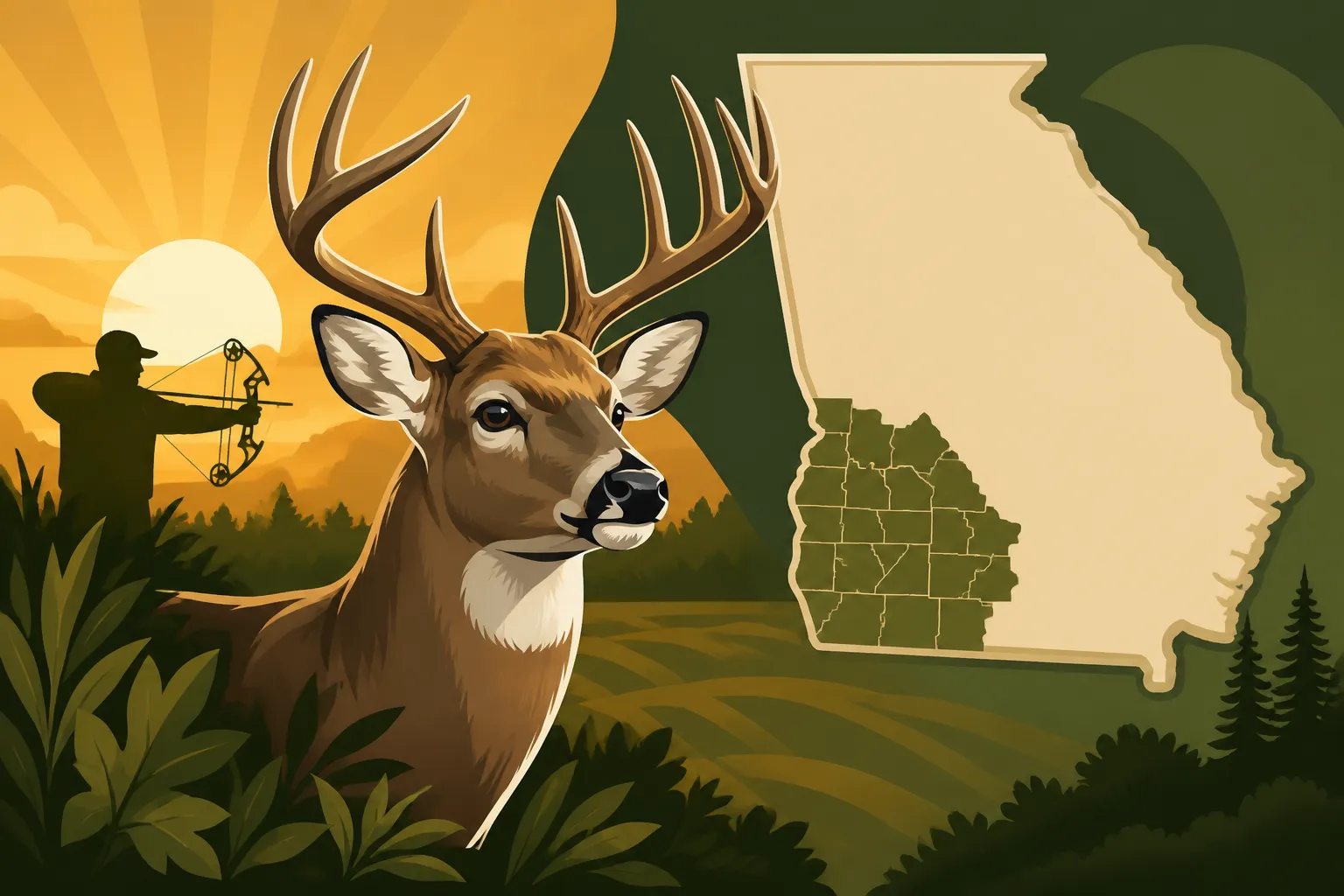
Why Southwest Georgia Grows Big Bucks
For any deer hunter, the pursuit of a truly magnificent buck is often the driving force behind long hours in the stand and endless scouting trips. But while big deer can be found across the state, there's a special whisper among Georgia hunters about Southwest Georgia, a region consistently recognized for producing some of the state's largest whitetails. If you've ever wondered what magic concocts these trophy-class animals, you're not alone. This guide will meticulously unpack the unique combination of environmental and management factors that make Southwest Georgia a premier destination for growing big, mature bucks.
Understanding the Genetic Edge of Southwest Georgia Bucks
It’s easy to think that a big buck is purely a product of food, but genetics play an undeniable role in the antler potential of any deer herd. While Georgia deer share a common lineage, certain regional conditions can lead to the proliferation of specific genetic traits over generations. Southwest Georgia seems to have hit the jackpot in this regard, with a robust gene pool that inherently favors larger body size and impressive antler development.
Historical Factors and Herd Health
Historically, the deer in Southwest Georgia have benefited from a relatively stable environment with less intense hunting pressure in certain pockets compared to other parts of the state. This allowed for a more natural selection process, where bucks had a better chance to reach maturity and pass on their superior genes. Think of it like a wild breeding program, where the strongest and most resilient deer thrive and reproduce. This long-term trend has resulted in a regional herd that possesses a higher intrinsic potential for growing big racks.
Furthermore, sound management practices, often spearheaded by large private landowners, have focused on promoting healthy deer populations rather than simply maximizing harvest numbers. This includes careful monitoring of herd health, culling strategies to maintain balance, and sometimes even selective breeding in highly controlled environments. It’s a multi-generational approach that builds on itself, creating a legacy of strong deer. When you look into something like the overall Georgia Deer Population Estimate, you can see how certain areas stand out in terms of quality, and Southwest Georgia is almost always near the top.
The Role of Genetics in Antler Growth
While a deer's maximum antler potential is coded in its DNA, that potential can only be fully expressed if the deer lives long enough and has access to the right nutrition. However, a deer with poor genetics, no matter how much protein it eats or how old it gets, simply won't grow the kind of rack seen in Southwest Georgia. This region possesses a healthy population of deer that carry the genes for impressive antler growth – genes that dictate beam circumference, tine length, and overall mass.
Consider two bucks: one from a region with historically smaller deer and one from Southwest Georgia, both given identical optimal conditions. The Southwest Georgia buck is far more likely to develop a larger, more complex rack because its genetic blueprint allows for it. It’s why hunters pay close attention to Georgia Boone and Crockett Whitetails records, which overwhelmingly feature deer from this particular corner of the state. These aren't just isolated incidents; they're a testament to a deeply embedded genetic advantage.
The Abundance of Nutrient-Rich Forage
Genetics lay the groundwork, but nutrition is the architect that builds the antlers. Southwest Georgia is an agricultural powerhouse, boasting vast acreages of nutrient-rich crops that provide an unparalleled food source for deer. This isn't just about quantity; it's about the consistent quality and diversity of available forage throughout the year, sustaining deer from fawn to mature buck.
Agricultural Bounty: Peanuts, Soybeans, and Corn
When you think of farming in Southwest Georgia, crops like peanuts, soybeans, and corn immediately come to mind. These aren't just cash crops for farmers; they're a literal buffet for deer. Peanuts, in particular, are incredibly high in protein and fat – essential building blocks for body growth and antler development. Soybeans offer similar nutritional benefits, packed with protein, while corn provides crucial carbohydrates for energy, especially as deer prepare for and endure the colder months and the rigors of the rut.
These crops are often planted in massive fields, sometimes spanning hundreds of acres, providing an almost unlimited food source. Imagine a deer having access to such a concentrated, high-quality diet year-round. It's a game-changer. These agricultural zones also often contain associated weeds and natural vegetation that sprout up, adding even more diversity to the deer's diet. This constant, rich food supply allows bucks to divert more energy towards antler growth once their body has reached its full potential. When you're Hunting a Standing Soybean Field or a peanut field, you're tapping into a primary food source for big bucks.
Diverse Natural Forage and Food Plots
Beyond the cultivated fields, Southwest Georgia’s landscape offers a rich tapestry of natural forage. The region's warm climate and fertile soils support a wide array of native plants, including various browse species, acorns from oaks in bottomland hardwoods, and succulent forbs that are highly palatable and nutritious for deer. This natural diversity acts as a crucial buffer during times when agricultural fields might be fallow or recently harvested, ensuring deer always have something high-quality to eat.
Furthermore, many large landowners and hunting clubs actively supplement this natural bounty with dedicated food plots. These plots are often planted with specialized deer forage like clover, alfalfa, winter wheat, and various brassicas, meticulously managed to provide high protein and mineral content during critical periods of antler growth and recovery. This intentional cultivation, combined with the natural and agricultural forage, creates an environment where deer are rarely stressed for food, allowing them to reach their genetic potential more consistently. Understanding Late-Season Food Sources for Georgia Whitetails is crucial, and food plots fill a major gap when natural browse diminishes.
Habitat Diversity and Cover Sanctuaries
Having plenty of food is great, but even the biggest buck needs a safe place to live, grow, and avoid predators – including human hunters. Southwest Georgia’s varied landscape provides an ideal mix of dense cover, secluded bedding areas, and secure travel corridors, allowing bucks to mature without excessive stress.
Extensive Timber and Swamp Bottoms
One of the defining features of Southwest Georgia's habitat is its blend of pine plantations, mature hardwoods, and intricate swamp and river bottoms. Pine plantations, especially those in early to mid-growth stages, offer incredibly dense cover. The thick canopy and undergrowth make these areas almost impenetrable to humans, providing perfect bedding and sanctuary zones for deer. A mature buck knows he can disappear into a dense pine thicket and feel secure, allowing him to rest and digest without constant vigilance.
Equally important are the vast swamp and river bottomlands. These areas, like those along the Flint or Chattahoochee rivers, are often characterized by dense cane, cypress, and other water-tolerant vegetation. They are difficult to access, providing natural sanctuaries from hunting pressure. Deer can often be found retreating into these wet, tangled landscapes during the day, emerging under the cloak of darkness to feed in nearby agricultural fields. This combination of dense upland cover and challenging wet bottoms is a major factor in why bucks survive to older ages. Learning Hunting Georgia Swamp and River Bottom Deer reveals just how critical these areas are.
Large, Uninterrupted Private Land Holdings
A significant portion of Southwest Georgia consists of large, privately owned tracts of land, many of which are managed specifically for timber or agriculture, but also with a keen eye on wildlife. These expansive properties, some stretching for thousands of acres, offer uninterrupted blocks of habitat where deer can roam freely without encountering frequent fences or property lines. This allows for natural movement patterns and reduces stress from constant human encroachment.
These large landholdings often implement strict harvest criteria, allowing bucks to age beyond just their first or second year. Many properties adhere to quality deer management principles, focusing on harvesting antlerless deer to balance the herd and letting younger bucks walk to develop their full potential. This means that if a young buck survives on one property, he's likely to find similar conditions on adjacent properties, creating regional pockets where older, larger bucks are the norm. Utilizing tools like GoHunt's mapping features can really help identify these larger tracts and understand the surrounding land use, even if you're not directly hunting them, to get a sense of habitat connectivity.
Lower Hunting Pressure and Management Practices
It's a simple truth: deer need time to grow. No matter how good the genetics or how rich the food, a buck won't get big if he's harvested as a yearling or two-year-old. Southwest Georgia benefits immensely from a combination of lower hunting pressure in many areas and sophisticated management strategies on private lands that prioritize age structure.
Quality Deer Management Principles
Quality Deer Management (QDM) is a philosophy widely embraced by many landowners and hunting clubs in Southwest Georgia. This approach shifts the focus from simply harvesting as many deer as possible to cultivating a healthy, balanced herd with a good age structure. This means:
- Age-Specific Harvest: Often, hunters are encouraged or required to pass on younger bucks (e.g., spike or small-antlered two-year-olds) to allow them to mature. This directly increases the average age of bucks in the population.
- Antlerless Deer Harvest: A significant component of QDM is the liberal harvest of does and antlerless deer. This helps control the overall deer population, ensuring that the remaining deer have ample food resources and that the buck-to-doe ratio remains healthy, reducing stress during the rut.
- Habitat Improvement: QDM also involves actively managing habitat to provide optimal food, cover, and water sources year-round, which further supports the growth of healthy, large-antlered bucks.
When many properties in a region adhere to these practices, the positive effects ripple throughout the landscape, creating a broad area where bucks have a better chance of surviving to older age classes. For hunters interested in contributing to healthy deer populations, understanding Filling a Twelve-Deer Bag Limit goes beyond just numbers and delves into the ethics of responsible harvesting.
Limited Public Access and Private Land Focus
Compared to some other regions, Southwest Georgia has a relatively lower proportion of publicly accessible hunting land when considering its vast acreage. While public lands like some WMAs exist, the overwhelming dominance of large private landholdings means that hunting pressure is often more controlled and distributed. On these private tracts, landowner rules, membership limits in hunting clubs, and often higher costs for access naturally regulate the number of hunters.
This controlled access significantly reduces the overall stress on the deer herd. Bucks aren't being pushed around constantly by swarms of hunters from the season opener through the late season. They can establish routines, feel secure in their bedding areas, and generally live a less stressed existence, all of which contribute to better health and greater antler growth. While public land offers incredible opportunities, the sheer scale of private land in Southwest Georgia and the associated management practices contribute heavily to the region's big buck reputation. Even on private land, using a tool like GoHunt can help hunters understand property boundaries and plan their hunts more effectively, respecting the careful management on these lands.
Water Availability and Deer Health
In the warm, often humid climate of Georgia, consistent access to water is paramount for deer health, especially during the hot summer months when antlers are growing rapidly. Southwest Georgia is crisscrossed by numerous rivers, creeks, and natural wetlands, providing ample hydration and a cooling escape that directly contributes to the overall well-being of the deer herd.
Rivers, Creeks, and Natural Wetlands
The extensive network of waterways in Southwest Georgia – including major rivers like the Flint, Chattahoochee, and Ochlockonee, along with countless smaller creeks, streams, and sloughs – provides a constant and reliable water supply for deer. During the sweltering Georgia summers, deer need to drink frequently, and proximity to water helps them stay hydrated, cool down, and avoid heat stress. This is crucial during the peak antler-growing period, as a dehydrated deer will prioritize bodily functions over antler development.
Beyond just drinking, these wet areas provide critical thermal cover. Deer will often bed down in cool, damp spots along creek banks or in marshy areas, especially when temperatures soar. The water's edge also frequently hosts a unique variety of succulent vegetation, adding another layer of diverse forage to their diet. Hunters know that deer often use these water features as travel corridors, especially during the rut, as bucks move from one bedding area to another. This reliable water infrastructure is a silent but powerful contributor to the health and vitality of Southwest Georgia's deer.
The Impact of Hydration on Antler Development
Antlers are one of the fastest-growing tissues in the animal kingdom, and their development requires an enormous amount of energy, protein, and minerals. Crucially, it also requires plenty of water. Antlers are composed of bone, which is about 25% water. The blood flow to the growing antlers, rich with nutrients, is also largely water-based. If a buck is consistently dehydrated, his body will conserve water for more immediate physiological needs, such as maintaining core body temperature and organ function, before it allocates resources to antler growth.
Therefore, the ready availability of water in Southwest Georgia means bucks can stay optimally hydrated throughout the antler growth cycle, allowing their bodies to efficiently transport nutrients to their developing racks. This constant hydration, combined with the region's rich food sources and genetic potential, creates the perfect storm for growing truly impressive antlers. It's not just about surviving; it's about thriving, and water plays a huge part in that equation. When you're Scouting Georgia Public Land Before Season, always pay close attention to water sources, even small seeps or damp depressions, as they can be key indicators of deer activity, especially in warm weather.
Conclusion
Southwest Georgia isn't just a location; it's a meticulously crafted ecosystem, whether by design or by nature, that consistently produces exceptional white-tailed deer. From the strong genetic foundation of its herd to the year-round availability of rich forage provided by its agricultural prowess and diverse natural habitats, every piece fits together. Add to that the expansive, well-managed private lands that foster lower hunting pressure and encourage quality deer management practices, along with an abundance of life-sustaining water sources, and you have a recipe for truly monstrous bucks. For hunters dreaming of that trophy of a lifetime, understanding these critical factors in Southwest Georgia can turn those dreams into a tangible reality.
Disclaimer
Please remember that hunting regulations, seasons, and licensing requirements in Georgia can change. Always consult the latest Georgia Department of Natural Resources (DNR) official publications and website before planning any hunting trip. This guide is for informational purposes only and does not constitute legal advice.