Bobwhite Quail in Georgia
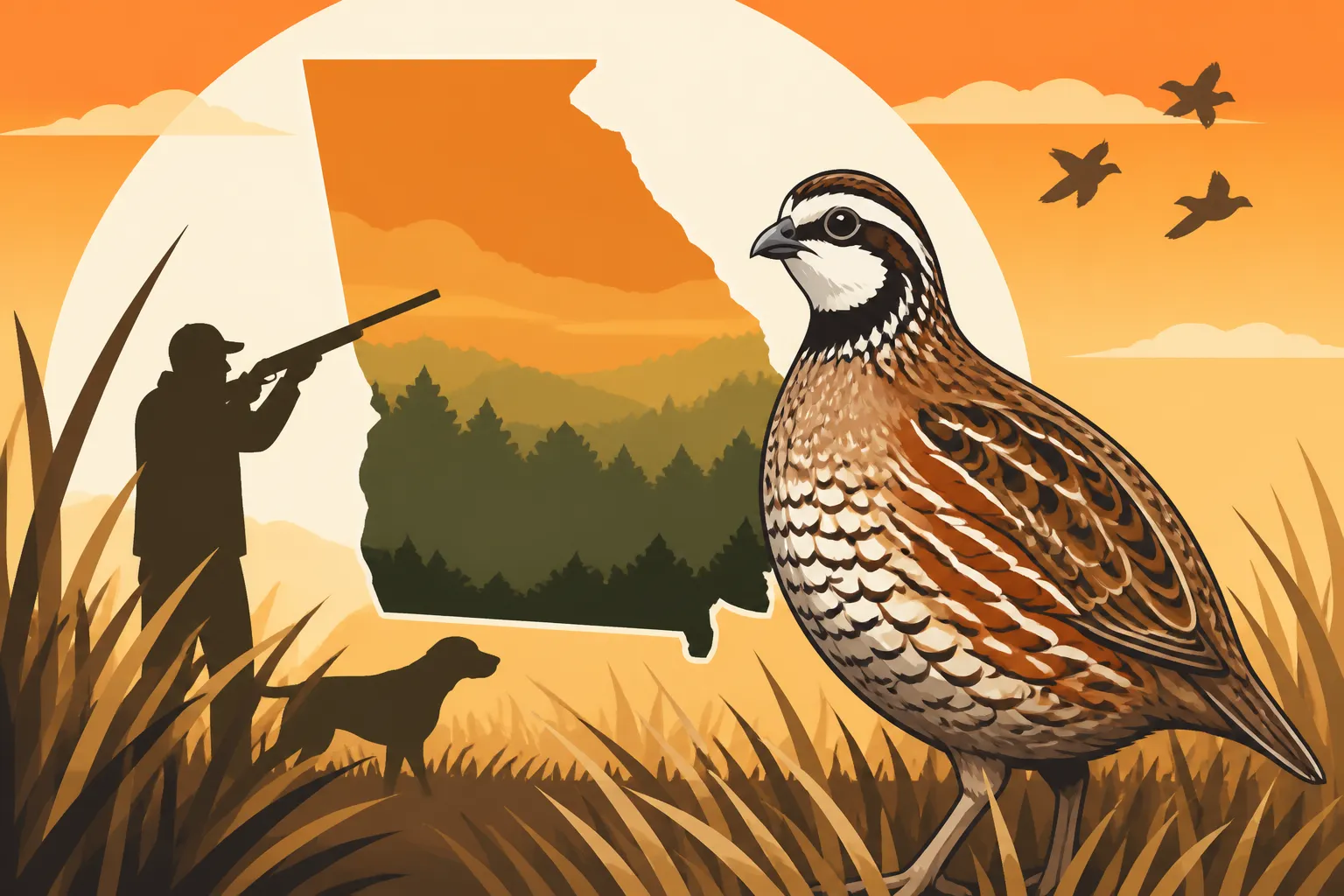
For many long-time Georgia hunters, the distinctive "bob-white" call of a quail echoing across a dewy field or through sparse pine timber is more than just a sound; it's a nostalgic whisper of a bygone era. These days, finding robust coveys of wild bobwhite quail in Georgia can feel like searching for a needle in a haystack, a challenge that brings a mix of frustration and a deep desire to see their numbers rebound. This guide aims to take a comprehensive look at the state of bobwhite quail in Georgia, exploring their history, biology, habitat needs, and what's being done to bring back this iconic game bird.
The Enduring Legacy and Stark Decline of Georgia's Bobwhite Quail
There was a time, not so long ago, when bobwhite quail were an integral part of the Georgia landscape, almost as common as white-tailed deer are today. Farmers working their fields would routinely flush coveys, and grandfathers would tell tales of limiting out before noon. That vivid picture, however, has largely faded for most hunters, replaced by a much more challenging reality. The story of the bobwhite in Georgia is one of incredible abundance followed by a precipitous and disheartening decline, a trend that mirrors much of the species' range across the Southeast.
A Look Back at Pre-Colonial Abundance
Before widespread European settlement and intensive agriculture, Georgia's landscape was a mosaic of diverse habitats perfectly suited for bobwhite quail. Imagine vast expanses of longleaf pine savannas, frequently swept by natural fires, creating an open understory rich in native grasses, legumes, and forbs. These areas provided abundant food, nesting cover, and escape routes. The traditional land use practices of Native American tribes, including periodic burning, actually maintained much of this ideal habitat. Quail thrived in these conditions, their populations experiencing natural fluctuations but generally remaining robust. Early accounts from settlers often marvel at the sheer numbers of these birds, describing them as ubiquitous across much of the state.
This historical abundance wasn't just a matter of pristine wilderness; it was the result of a dynamic ecosystem. The fire-maintained pine forests, interspersed with agricultural clearings and fallow fields, created an ideal "patchwork" environment. Quail are edge-dwelling birds, meaning they prefer the transition zones between different habitat types, and Georgia's historical landscape offered an endless supply of these productive edges. For generations, the bobwhite was not just a game bird but a significant food source for many rural families, an accessible and plentiful resource that helped sustain communities.
The Post-WWII Decline and Its Causes
The drastic decline in bobwhite quail populations, particularly noticeable after World War II, wasn't a single event but a cumulative effect of profound land use changes. The shift from small, diversified farms with hedgerows and fallow fields to large-scale monoculture agriculture played a massive role. Modern farming practices often involve extensive pesticide use, which decimates insect populations—a critical food source for young quail chicks. Furthermore, the practice of "clean farming" removed the very fencerows, field edges, and brushy cover that quail depended on for nesting and protection from predators.
Beyond agriculture, widespread fire suppression became common. Where natural or prescribed fires once maintained open, grassy understories in pine forests, the absence of fire allowed dense hardwood mid-story to grow, shading out crucial ground cover. This thick, woody vegetation creates an unsuitable habitat for quail, making it difficult for them to move, forage, and escape predators. Timber practices also shifted from longleaf pine with regular burning to dense stands of loblolly and slash pine planted for pulpwood, often grown in thick, monoculture plantations with little understory diversity. These changes, coupled with increased urbanization and habitat fragmentation, effectively squeezed the bobwhite out of vast tracts of its former range, leaving many hunters disheartened and wondering how to bring back these cherished birds.
Unpacking the Life and Habits of Bobwhite Quail
To truly understand why bobwhite quail populations struggle and how we can help them rebound, it's essential to delve into the intricate details of their biology and behavior. They're not just any bird; they have very specific needs that, when met, can lead to thriving coveys. Ignoring these fundamental requirements is often why even well-intentioned conservation efforts fall short.
The Life Cycle and Reproduction of a Georgia Quail
The life cycle of a bobwhite quail is a fascinating, fast-paced drama unfolding within a single year. In Georgia, as spring arrives and temperatures warm, coveys that have wintered together begin to break up. Males start proclaiming their territories with their iconic "bob-white" call, vying for the attention of hens. Nesting typically begins in April or May, with peak activity in June. A hen will lay an average of 12-14 eggs in a shallow depression on the ground, usually concealed beneath a clump of grass or other low vegetation. Both parents incubate the eggs for about 23 days.
Once hatched, the chicks are precocial, meaning they are covered in down and able to walk and feed themselves almost immediately. This rapid development is crucial because they are highly vulnerable during their first few weeks. They primarily feed on insects, which are essential for their protein intake and rapid growth. A hen may attempt multiple nests if earlier ones fail due to predation or disturbance, which is a key survival strategy for the species. The ability to re-nest provides a buffer against early season losses, but it relies heavily on available nesting cover and food sources throughout the spring and early summer. By late summer, surviving broods often merge to form larger coveys, preparing for the challenges of fall and winter. This entire cycle, from egg to independent bird, highlights their dependence on specific, high-quality habitat throughout the warmer months.
Diet and Foraging Habits
Bobwhite quail are opportunistic eaters, but their diet is highly seasonal and directly linked to the availability of certain foods within their habitat. In Georgia, their diet is a dynamic mix of seeds, fruits, and insects, each playing a critical role at different times of the year. During the spring and summer, especially for growing chicks, insects are paramount. Crickets, grasshoppers, beetles, and caterpillars provide the high protein content necessary for rapid growth and feather development. Without an abundant insect supply, chick survival plummets. This is a critical point that is often overlooked when evaluating habitat quality; simply having "cover" isn't enough if the insect forage base isn't there.
As fall approaches and insects become scarcer, quail shift their diet primarily to seeds and fruits. They have a particular fondness for the seeds of native grasses and forbs, such as partridge pea, lespedeza, ragweed, and beggar's-lice. Small acorns and berries also provide crucial energy reserves heading into winter. In agricultural areas, they might consume waste grain, but studies show a preference for wild seeds. During the lean winter months, when food can be scarce, the diversity and abundance of these seed-producing plants are absolutely vital for covey survival. A healthy quail habitat in Georgia needs to provide a year-round pantry, not just a seasonal buffet, ensuring they can find adequate nutrition to maintain body condition and survive predatory pressures.
Crafting the Perfect Home: Habitat Requirements and Management
If you've spent any time at all chasing bobwhite quail, you know they are utterly dependent on specific types of habitat. You can have all the enthusiasm and the best bird dogs in the world, but without the right cover and food, you're simply not going to find birds. The plight of the bobwhite is, at its heart, a habitat crisis, and understanding their needs is the first step toward effective recovery.
The Importance of Managed Pine Forests
When we talk about ideal bobwhite quail habitat in Georgia, the conversation invariably turns to managed pine forests, specifically those dominated by longleaf or loblolly pines that are regularly thinned and subjected to prescribed burning. This isn't just a preference; it's a critical requirement. A healthy pine forest for quail isn't a dense, dark stand where you can't see 20 yards. Instead, it's an open, park-like savanna with sunlight penetrating to the forest floor. This allows a diverse array of native grasses and wildflowers to flourish, providing both food and essential cover.
Prescribed fire is the single most important tool in managing these forests for quail. Fire removes the dense, woody understory and competing hardwoods that shade out beneficial ground vegetation. It stimulates the growth of new, tender shoots and encourages the germination of native seed-producing plants. Without regular fire, these pine stands quickly become overgrown, rendering them useless for quail. Many of Georgia's successful quail initiatives, particularly on larger private landholdings, revolve around sophisticated fire regimes. This approach not only benefits quail but also supports a host of other wildlife, making it a cornerstone of ecological restoration in the region. To learn more about this symbiotic relationship, check out our guide on Managed Pine and Georgia Quail Recovery.
Native Grasses and Early Successional Habitat
Beyond the canopy of managed pines, the true engine of quail production lies in the diverse ground cover—the native grasses and early successional vegetation. Think of fields that have been fallow for a year or two, edges where agricultural fields meet woodlands, or recently clear-cut areas that are regrowing. These "messy" areas are prime quail territory. They offer the perfect combination of dense clumps of grass for nesting, open ground for moving and foraging, and patches of thicker, woody cover for escape from predators.
Key native grasses like bluestem, switchgrass, and indiangrass provide excellent nesting structure and bugging habitat for chicks. Interspersed with these grasses should be a variety of broadleaf plants (forbs) that produce seeds, like ragweed, partridge pea, and beggar's-lice, which are critical food sources. The challenge is maintaining this early successional stage. Left undisturbed, these areas will quickly grow into dense brush and eventually mature forest, losing their value for quail. This is where active management, such as disking, harrowing, or selective herbicide application, comes into play, mimicking the natural disturbances that historically created and maintained these habitats. Effective quail management is a constant dance between growth and disturbance, ensuring the right blend of cover and food resources. Many state and federal programs, and even private apps like GoHunt, provide resources and mapping tools to help landowners identify and manage these crucial habitat types on their property.
Dedicated Efforts: Conservation Initiatives in Georgia
The severe decline of bobwhite quail hasn't gone unnoticed, and thankfully, numerous dedicated individuals, private landowners, and state agencies are working tirelessly to bring them back. It's not an easy fight, and success is often hard-won, but these efforts are critical for the future of Georgia's wild quail.
Private Land Initiatives and Cost-Share Programs
A significant portion of bobwhite quail habitat in Georgia is on private land, making private landowners absolutely essential to the species' recovery. Recognizing this, a variety of private initiatives and government cost-share programs have been developed to incentivize habitat improvements. Organizations like Quail Forever work directly with landowners, providing technical assistance and financial aid to implement practices such as prescribed burning, native grass plantings, and pine thinning. The goal is to make it economically feasible and attractive for landowners to manage their property with quail in mind, even if it's not their primary objective.
These programs often focus on long-term commitments, as quail habitat restoration isn't an overnight fix. It requires sustained effort and investment. Many large timber companies and traditional hunting plantations in South Georgia have been leaders in this area, demonstrating that timber production and quail management can coexist. They've invested heavily in ecologically sound forestry practices, which has not only boosted quail numbers but also supported healthy ecosystems. It’s a huge undertaking, but these landowners, often driven by a passion for the bird and the hunting heritage it represents, are making a real difference. For those looking to explore prime quail country, our guide to South Georgia Plantation Country offers further insights into these managed landscapes.
Public Land Efforts and Wildlife Management Areas
While private lands hold much of the potential for quail recovery, Georgia's public lands, particularly the Wildlife Management Areas (WMAs) managed by the Georgia Department of Natural Resources (DNR), also play a vital role. Many WMAs across the state are actively implementing habitat management practices specifically designed to benefit bobwhites. This includes prescribed burning, timber thinning, establishment of native warm-season grasses, and creation of food plots using beneficial seed-producing plants. These public lands serve as crucial research sites, demonstration areas, and, most importantly, places where everyday hunters can still pursue wild quail.
However, managing for quail on public lands comes with its own set of challenges, including funding limitations, competing management objectives for other species, and the sheer scale of the landscape. Despite these hurdles, WMAs like Big Hammock WMA or Silver Lake WMA are examples where focused efforts are showing promise. They offer a glimpse into what healthy quail habitat looks like and provide opportunities for hunters to experience a traditional hunt. If you're wondering where to start your quail hunt, consulting resources like the GoHunt app can help you locate WMAs with specific quail management activities, allowing you to scout and plan your trip more effectively. These areas, though often facing heavy pressure, are vital strongholds and educational tools for the future of Georgia's bobwhites.
Pursuing the Elusive Bobwhite: Hunting in Georgia
For many, the ultimate expression of the bobwhite's cultural significance in Georgia is the hunt itself. It's an experience steeped in tradition, requiring patience, skill, and, more often than not, the unwavering dedication of a good bird dog. While finding wild coveys has become increasingly difficult, the pursuit remains a cherished part of Georgia's hunting heritage.
Season Dates and Bag Limits
Understanding the legal framework is the first step for any quail hunter in Georgia. The Georgia Department of Natural Resources sets the season dates and bag limits to ensure sustainable hunting practices and to protect the long-term health of the population. Typically, the statewide bobwhite quail season in Georgia runs from mid-November through the end of February. This timing is strategic, allowing birds ample time to reproduce and for young birds to mature before hunting pressure begins. It also coincides with cooler weather, which is more comfortable for hunters and dogs, and when dense summer vegetation has died back, making coveys easier to find.
The daily bag limit for wild bobwhite quail in Georgia is usually 12 birds per hunter, with a possession limit of 36 birds. It's always crucial to double-check the current Georgia DNR regulations each year, as slight adjustments can occur. These limits are designed to allow for recreational harvest while not impacting the overall breeding population. On managed shooting preserves, which operate under different rules, the season is typically longer and bag limits may vary, as these birds are often pen-raised and released. For exact dates and the most up-to-date information, checking the official Georgia DNR website or a reliable hunting app like GoHunt before heading afield is always the smartest move. You can find out more about these specifics in our post on Georgia Wild Quail Season Opening Day and Georgia Quail Season Bag Limit.
Working Dogs and Field Tactics
The quintessential bobwhite quail hunt in Georgia is almost unimaginable without the aid of well-trained pointing dogs. Breeds like English Pointers, Brittanys, and Setters are bred for their keen sense of smell, endurance, and ability to "lock up" on a covey, indicating its location to the hunter. The dogs cover ground tirelessly, ranging through fields and timber, searching for the tell-tale scent of quail. When a dog goes on point, it’s a moment of pure anticipation—the heart thumps, the shotgun is brought to bear, and the stage is set for the flush. This partnership between hunter and dog is what makes quail hunting such a rich and rewarding experience, a true testament to the animal's instinct and the handler's training.
As for tactics, it’s all about covering likely habitat. Hunters walk methodically through native grass fields, open pine woodlands, and brushy edges, letting their dogs work the wind. Once a covey is flushed, the goal is to get a quick, accurate shot before the birds disperse into thick cover. Mark where singles fly, as a good dog can often retrieve them one by one. Understanding how quail use cover is paramount; they'll often be found in areas with a mix of open ground for feeding, dense cover for escape, and taller grass for nesting. Early mornings and late afternoons are often the most productive times, as birds are typically more active in foraging. For more detailed strategies, our article on Working a South Georgia Quail Covey Rise offers practical advice.
| Habitat Feature | Ideal Conditions for Bobwhite Quail | Why It's Important |
|---|---|---|
| Ground Cover | Diverse mix of native grasses (e.g., bluestem) and forbs (e.g., partridge pea) 6-18 inches tall, with 30-70% bare ground. | Provides nesting sites, insect forage for chicks, seeds for adults, and ease of movement. |
| Overhead Cover | Open canopy pine woodlands (longleaf or loblolly) with 20-60% canopy cover; scattered shrubby thickets. | Offers protection from avian predators, thermal cover, and escape routes. |
| Food Sources | Abundant native seed-producing plants (ragweed, lespedeza), soft mast (berries), and high insect diversity. | Sustains birds throughout the year, critical for chick development and winter survival. |
| Water Source | Typically obtained from dew, insects, and vegetation; standing water not strictly necessary if other sources are ample. | Essential for hydration, but usually met through food and morning dew. |
| Edges/Transitions | Numerous transition zones between open fields, dense cover, and pine woodlands. | Quail thrive in "edge" habitats, providing access to diverse resources within a small area. |
| Bare Ground | Essential for dusting, sunning, and easy foraging for seeds and insects. | Aids in feather maintenance, thermoregulation, and efficient feeding. |
Managing Expectations for Wild Quail
Let's be realistic: hunting wild bobwhite quail in Georgia today is not what it used to be. The frustrations are real. You might spend an entire day covering miles of prime-looking habitat with your dogs and only flush one or two coveys, or sometimes none at all. The notion of bagging a daily limit of wild birds on public land is, for most, a rare and cherished event rather than a regular occurrence. It’s important to manage these expectations and approach the hunt with a focus on the experience itself – the camaraderie, the dog work, the beauty of the Georgia landscape.
For those seeking more consistent action, especially with younger dogs or new hunters, hunting on a managed quail plantation is often a more accessible option. These preserves release pen-raised birds and meticulously manage habitat to provide a reliable hunting experience. While not the same as a truly wild bird hunt, it offers a fantastic way to train dogs, enjoy the outdoors, and appreciate the tradition. Many outfits, from small family-run operations to large, well-known destinations like Wynfield Plantation, offer guided hunts. Our article on Booking a Guided Plantation Quail Hunt provides guidance on finding such opportunities. The cost can be significant, but it guarantees an experience that wild hunting often can't deliver anymore. This brings us back to the core challenge: the scarcity of prime wild habitat, a problem that continues to demand our attention and efforts.
Obstacles on the Path: Challenges and Future Outlook for Georgia Quail
Even with the best intentions and dedicated efforts, the road to bobwhite quail recovery in Georgia is fraught with significant challenges. These aren't simple problems with easy fixes; they are complex, interconnected issues that require sustained commitment and adaptive strategies.
Predation and Disease Pressures
Predation is a natural part of the ecosystem, and healthy quail populations can typically withstand it. However, when habitat is degraded or fragmented, quail become much more vulnerable. Predators like raccoons, opossums, skunks, foxes, and snakes are major nest predators, while raptors (hawks and owls) and coyotes prey on adult birds. In landscapes where cover is insufficient or broken, quail have fewer places to hide and are easier targets. Furthermore, the populations of some generalist predators, like raccoons and coyotes, have increased in certain areas due to changes in land use and a lack of larger predators. This imbalance can put immense pressure on already struggling quail populations.
Disease also poses a threat. While not as widely publicized as CWD in deer, quail are susceptible to various diseases and parasites. For instance, avian pox can cause lesions and reduce a bird's ability to forage or fly effectively. In areas with high bird densities, either wild or on preserves with released birds, the risk of disease transmission can be higher. Monitoring the health of quail populations and understanding how habitat improvements can buffer against these pressures is an ongoing area of research. For insights into managing overall predator impact on game species, consider reading about Coyote Calling in Georgia Farm Country.
Climate Change and Development Impacts
Broader environmental shifts and relentless human development present macro-level challenges that are particularly difficult to address locally. Climate change, for example, can impact rainfall patterns, leading to more intense droughts or prolonged wet periods. Either extreme can be detrimental to quail; droughts reduce insect abundance and seed production, while excessive rain can drown nests and stress chicks. Shifts in seasonal temperatures can also affect breeding cycles or the availability of critical food sources.
Meanwhile, Georgia continues to experience rapid population growth and urban sprawl. This development leads to direct habitat loss as forests are cleared for housing, roads, and commercial properties. It also results in habitat fragmentation, where once-connected patches of quail country are broken up by impervious surfaces, making it harder for birds to move between suitable areas and increasing their exposure to predators and other threats. These large-scale changes often feel overwhelming, but they underscore the importance of protecting and managing remaining quail habitat with even greater vigilance. Every acre of good habitat saved or restored is a small victory against these powerful forces.
A Hopeful Horizon: The Future of Georgia Quail
Despite the significant challenges, there is a glimmer of hope for bobwhite quail in Georgia. The widespread recognition of their plight has galvanized a dedicated community of conservationists, landowners, and agencies. The future, while uncertain, hinges on our collective ability to sustain and expand the successful management practices that have already demonstrated positive results.
Continued Habitat Restoration and Best Practices
The most critical factor for bobwhite recovery is, and always will be, habitat. Continuing to advocate for and implement aggressive habitat restoration and management practices on both private and public lands is paramount. This means more prescribed burning, thoughtful timber thinning, and the reintroduction of native warm-season grasses. It also means educating more landowners about the benefits of these practices, not just for quail, but for the overall health and biodiversity of their property. Financial incentives and technical assistance programs must remain robust and accessible to encourage participation. The more landowners embrace these best practices, the more connected and expansive suitable quail habitat can become. This work is difficult and slow, but it’s the only proven path to meaningful recovery. If you're managing timber, understanding Why Georgia Foresters Burn Longleaf Pine is a valuable insight.
Public lands also need sustained investment. WMAs and National Forests should continue to serve as models for quail management, showcasing what's possible and providing vital populations that can potentially spill over into surrounding areas. Initiatives like the Bobwhite Quail Initiative (BQI) in Georgia, which focuses on habitat improvement, are essential and must be supported. These programs provide a blueprint for recovery, proving that with targeted effort and scientific backing, we can reverse the trend of decline. Every acre brought back into proper management is a step towards hearing that distinctive "bob-white" call ring out across Georgia’s landscape once more.
Community Engagement and Research
Beyond physical habitat work, the future of Georgia's quail also depends on fostering a strong community of advocates and continuously advancing our scientific understanding. Engaging more people, especially younger generations, in the effort to conserve bobwhites is crucial. This includes educational programs, volunteer opportunities on habitat projects, and simply sharing the passion for this iconic bird. The more people who understand the value of healthy quail habitat, the more support there will be for conservation efforts.
Furthermore, ongoing research is vital. Scientists continue to study quail genetics, disease ecology, the impacts of different land management techniques, and how quail interact with their environment. This research helps refine management strategies, making them more efficient and effective. Technologies, like those offered through GoHunt for mapping and data collection, can also play a role in better understanding bird movements and population dynamics. By combining traditional conservation practices with modern science and a passionate community, we can build a more resilient future for bobwhite quail in Georgia, ensuring that this cherished game bird remains a part of our natural heritage for generations to come.
Disclaimer
Hunting is an activity with inherent risks. Always prioritize safety, adhere to all local, state, and federal regulations, and obtain proper licenses and permits. The information provided in this guide is for informational purposes only and should not be considered a substitute for professional guidance or official government regulations. Before participating in any hunting activity, consult the Georgia Department of Natural Resources for the most current rules and safety guidelines.