Reporting a Deer Through Georgia Game Check
There's nothing quite like the rush of a successful deer hunt in Georgia, is there? The culmination of scouting, planning, and patience finally pays off. But then, as you're admiring your harvest, a thought often creeps in: "Now what about the paperwork?" It can feel like a chore, a necessary evil after all the hard work, but reporting your deer through Georgia Game Check isn't just a formality; it's a vital part of responsible hunting that directly impacts the health of our deer herd and future opportunities. This guide will walk you through everything you need to know, from why it matters to the simple steps for getting it done, ensuring you stay legal and contribute positively to Georgia's wildlife legacy.
The Essential Role of Georgia Game Check for Deer Management
It’s easy to look at a deer tag and a reporting requirement as just another hoop to jump through. After a long day in the stand, especially if you're deep in the North Georgia mountains or trudging out of a South Georgia swamp, the last thing you want to do is fiddle with an app or make a phone call. But those few minutes you spend reporting your harvest are incredibly valuable, offering insights that shape the very future of deer hunting in our state.
Why Your Report is More Than Just a Number
Every single deer harvest reported through Georgia Game Check contributes to a massive database that wildlife biologists at the Georgia Department of Natural Resources (DNR) use to make informed decisions. Think of it like a giant puzzle: each hunter's report is a crucial piece, fitting together to create a comprehensive picture of Georgia's deer population. Without your piece, the picture isn't complete, and decisions might be made based on incomplete information.
This data helps the DNR estimate the overall Georgia Deer Population Estimate, track trends in herd health, and understand how various factors, like habitat changes or predator populations, are influencing deer numbers. For instance, by analyzing reports from different regions, they can discern differences in herd dynamics between, say, Piedmont Versus Coastal Plain Deer or understand specific localized challenges in areas with high Deer Density by Georgia Region. This information isn't just academic; it directly influences things like the number of antlerless tags issued or special youth hunt windows. If reports show a robust, healthy herd that can sustain more harvest pressure, the DNR might consider increasing opportunities. Conversely, if data suggests a decline in a particular area, they can adjust season structures to promote herd recovery.
How Accurate Reporting Shapes Future Hunting Opportunities
The reports you submit are the backbone of sustainable wildlife management. When you accurately report the sex of the deer, whether it was antlered or antlerless, and the county where it was harvested, you're providing real-time biological data. This allows the DNR to fine-tune regulations. For example, if harvest data shows that hunters are consistently taking too many young bucks in a certain area, it might signal a need to adjust Georgia Antlered Buck Limits or consider other strategies to allow bucks to reach older age classes.
Similarly, accurate reporting on antlerless deer harvests helps manage population growth. Georgia has a generous Georgia's Twelve-Deer Bag Limit, and ensuring that antlerless deer are harvested in appropriate numbers is critical to preventing overpopulation, which can lead to habitat degradation and increased instances of disease. The data from your reports directly informs the DNR's decisions on Georgia Deer Season Structure Explained for the upcoming years, ensuring that hunting opportunities remain plentiful while the deer herd remains healthy and balanced. This symbiotic relationship between hunter compliance and effective management means that your brief interaction with Game Check helps preserve the hunting heritage we all cherish.
Your Step-by-Step Guide to Reporting a Deer in Georgia
Reporting a deer doesn't have to be a headache. The Georgia DNR has made the process relatively straightforward, whether you're tech-savvy or prefer a good old-fashioned phone call. The key is to be prepared and understand the options available.
What You Need Before You Start the Process
Before you even think about opening an app or dialing a number, make sure you have all the necessary information at hand. This simple step can save you a lot of frustration and ensure an accurate report. Here's a checklist of what you'll typically need:
- Your Hunter's Information: This includes your Georgia hunting license number. If you're using the Go Outdoors Georgia platform, this is usually tied to your account.
- Date of Harvest: The exact date you harvested the deer.
- County of Harvest: The specific county where you killed the deer. It’s crucial to know this, especially if you hunt near county lines.
- Sex of Deer: Was it a buck or a doe?
- Antler Points (if applicable): If it was an antlered buck, you'll need to count the points on one side, typically at least one inch long. This helps track buck age structures.
- Method of Take: How did you harvest the deer? This could be archery (including crossbows), primitive weapons (muzzleloader, black powder, etc.), or firearms. For instance, if you were participating in Bowhunting Georgia's Early Archery Season, you’d select "Archery." Similarly, if you were out during Georgia's Long Firearms Deer Season, "Firearms" would be your choice, or "Primitive Weapons" for that specific Hunting the Primitive Weapons Week in Georgia.
- Confirmation Number: Once you submit the report, you'll receive a confirmation number. Make sure to write this down or screenshot it. This number serves as your official proof of reporting and, in some cases, acts as your tag number to be affixed to the deer.
Having these details ready prevents you from having to run back to the deer, double-check your license, or try to remember facts under pressure.
Reporting Through the Go Outdoors Georgia Website or Mobile App
For most hunters today, the easiest and most convenient way to report a deer is through the Go Outdoors Georgia platform. You have two primary options: the website or the official mobile app.
Using the Website:
- Access the Portal: Head to the official Go Outdoors Georgia website. This is the same portal where you can manage your licenses, apply for quota hunts, and even learn about Buying a License on Go Outdoors Georgia.
- Log In: Use your existing account credentials to log in. If you don't have an account, you'll need to create one, linking it to your hunter profile.
- Navigate to Game Check: Once logged in, look for a prominent link or section labeled "Game Check," "Report a Harvest," or similar.
- Enter Harvest Details: A form will appear, prompting you to input all the information you gathered earlier: license number, date, county, sex, antler points, and method of take. Double-check everything for accuracy.
- Submit and Confirm: After reviewing your entries, click "Submit." The system will then generate a confirmation number. It's absolutely critical to write this number down or take a screenshot. This confirmation number is your legal proof of harvest and must remain with the deer until it is processed.
Using the GoHunt Mobile App:
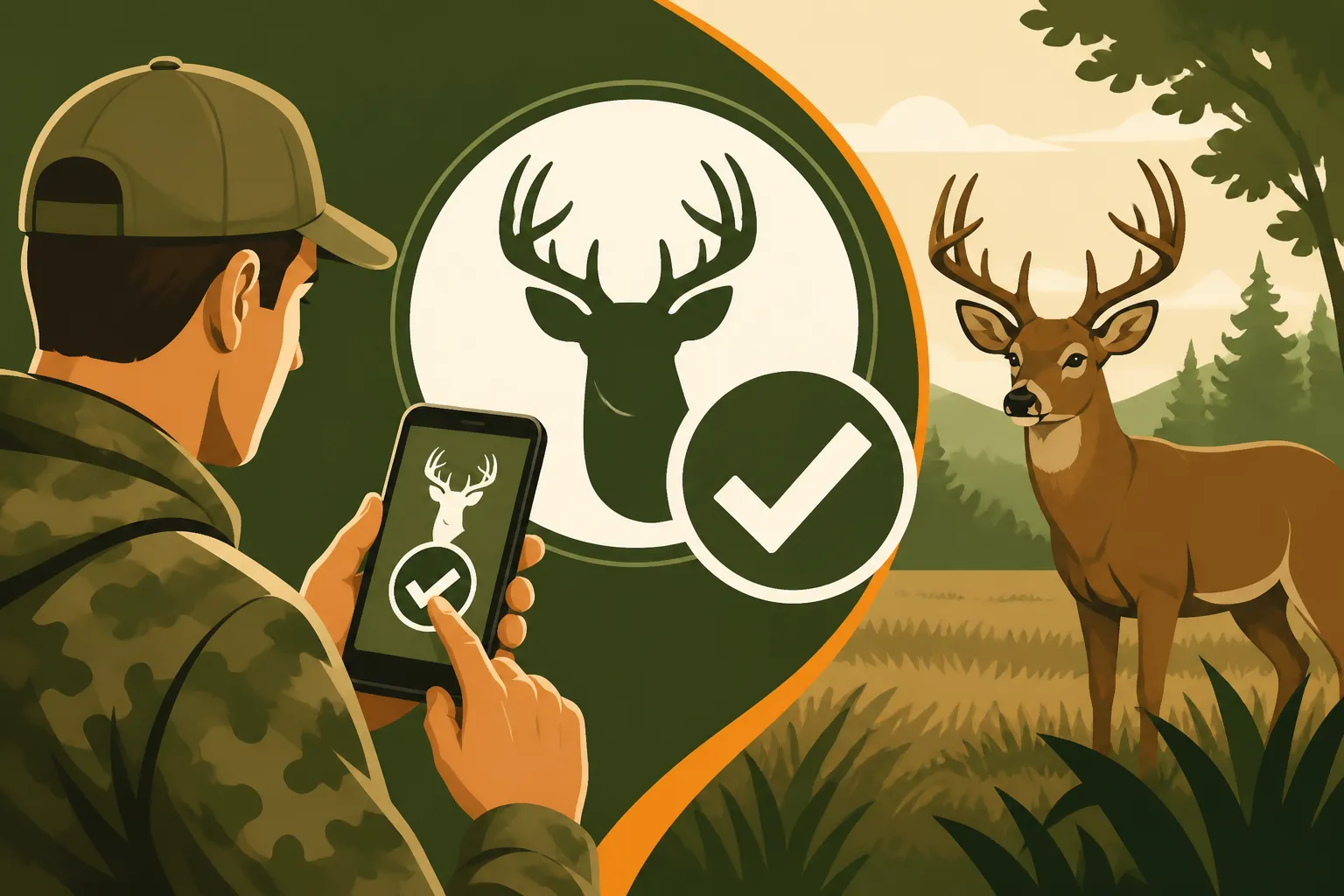
The official GoHunt app, available for both iOS and Android devices, is a lifesaver for hunters in the field. It's essentially a mobile version of the Go Outdoors Georgia portal, designed for ease of use in remote locations.
- Download and Log In: If you haven't already, download the GoHunt app from your app store. Log in with your Go Outdoors Georgia credentials.
- Offline Capability: One of the best features of the GoHunt app is its ability to record harvest data even when you don't have cell service. You can input all the details, and the app will store them.
- Sync When Available: Once you're back in an area with cell service or Wi-Fi, simply open the app, and it will automatically sync your recorded harvest with the DNR system. You'll then receive your official confirmation number. This is a game-changer for hunters deep in the woods or far from civilization, eliminating the immediate rush to find a signal.
- Confirmation: Just like with the website, make sure to save your confirmation number. The app will usually store it in your harvest history, but having a separate record is always a good idea. The app can even serve as proof of your license, so you can always be sure of Carrying Proof of License on Your Phone.
Reporting by Phone: When Technology Isn't Your Friend
Sometimes, technology fails us. Maybe your phone battery died, or you're truly in a dead zone, and the app just isn't syncing. Or perhaps you simply prefer talking to a human (or an automated system). Georgia still offers a phone reporting option, which can be a lifesaver in these situations.
To report by phone, you’ll typically call a toll-free number provided by the Georgia DNR. This number can usually be found on your license, in the annual hunting regulations booklet, or on the Go Outdoors Georgia website.
- Dial the Number: Have all your harvest information ready before you call.
- Follow Prompts: You'll likely be greeted by an automated system that will guide you through the process. It will ask for your license number, the date and county of harvest, the sex of the deer, antler points, and the method of take. Listen carefully and input the information as requested.
- Record Confirmation: The automated system will provide you with a confirmation number at the end of the call. Again, this is your crucial piece of documentation. Write it down immediately and clearly, as you won't want to forget it.
While the phone method might feel a bit slower, it's a reliable backup that ensures you can always comply with the reporting requirements, regardless of your signal strength or technical savvy.
Navigating Specific Reporting Scenarios and Common Challenges
Even with clear instructions, unique situations or unexpected issues can pop up. Understanding these specific scenarios and how to troubleshoot common problems can save you a lot of stress.
Reporting Deer in Georgia's CWD Management Area
This is a critical distinction that every hunter needs to be aware of, especially if you hunt in specific parts of Southwest Georgia. Chronic Wasting Disease (CWD) is a serious neurological disease affecting deer, and its presence in certain counties has led to specific, mandatory reporting and testing requirements.
If you harvest a deer within Georgia's CWD Management Area (CMA), the rules for reporting are significantly stricter. As of recent regulations, deer harvested in the CMA are subject to mandatory sampling for CWD. This means that in addition to the standard Game Check reporting, you must also submit a sample from your deer for testing. The Georgia DNR provides specific guidelines for Georgia CWD Testing for Hunters in these areas.
Here's how it generally works:
- Know the Boundaries: First, you need to know if the county you're hunting in falls within Georgia's Chronic Wasting Disease Management Area. The DNR clearly publishes a list of Which Counties Sit Inside Georgia's CMA.
- Mandatory Reporting & Sampling: If you harvest a deer in one of these counties, your standard Game Check report is still required. However, you also have a mandatory step to submit a CWD sample. This is not optional; it's a legal requirement designed to monitor and contain the disease.
- Sampling Locations: The DNR sets up Finding a Georgia CWD Sampling Location within and near the CMA, often at local game processors, taxidermists, or designated drop-off points. You'll need to take the deer's head (or specific lymph node tissue) to one of these locations within a certain timeframe after harvest. Detailed instructions on Mandatory Testing Inside Georgia's CMA are provided by the DNR.
- Carcass Movement Restrictions: Be acutely aware that there are also restrictions on moving deer carcasses out of the CMA. This is designed to prevent the spread of CWD to unaffected areas.
Always double-check the current regulations for the CMA before you hunt, as these can be updated based on disease surveillance. Compliance here is paramount for the long-term health of our statewide deer herd.
The Dreaded "Forgot to Report" Moment and Consequences
Let's be honest: in the excitement of a successful hunt, or just in the rush of life, it's possible to completely forget about reporting your deer. It happens. You might get back to camp late, be exhausted, or have an unexpected emergency. But forgetting to report your harvest is a violation of Georgia hunting regulations, and it's a pretty serious one.
The standard timeframe for reporting a deer in Georgia is typically within 24 to 72 hours, though exact regulations can vary slightly. The official guidance on The Georgia Deer Reporting Deadline is usually clearly stated in the annual regulations. If you realize you've missed the deadline, don't just ignore it. While there might be consequences, ignoring it only compounds the issue.
What to do if you forgot:
- Report Immediately: The very first thing you should do is report the deer through Game Check, even if the deadline has passed. Having a record, even a late one, is better than no record at all.
- Contact DNR: Depending on how long it's been, you might want to consider contacting your local Georgia DNR law enforcement office or game warden. Explain the situation honestly. They are often more understanding if you proactively address the mistake rather than waiting for them to discover it.
- Understand Potential Penalties: Be prepared for potential Georgia Wildlife Violation Penalties. These can range from a warning to fines, or even more serious repercussions, depending on the circumstances and the discretion of the game warden. The intent matters here – a genuine oversight might be handled differently than a deliberate attempt to evade reporting.
It’s an unfortunate situation, but taking immediate, honest action is always the best course. Set reminders, tell a hunting buddy to remind you, or make it part of your routine before you even start field dressing.
What Happens After You Report: Confirmation and Record Keeping
So, you've done the right thing, navigated the website or app, or made the phone call, and you've received your confirmation number. What now? This number is your golden ticket, your proof that you've complied with the law.
- Affix the Confirmation: The confirmation number acts as your official harvest tag. You must either write this number clearly on a durable tag (like a plastic zip-tie tag or a piece of waterproof paper) and attach it to the deer, or, if using the GoHunt app, be prepared to show the digital confirmation. The regulations typically state that this number must remain with the deer until it reaches its final destination for processing or storage.
- Keep Your Own Records: While the DNR maintains a record of your harvest, it's always a good practice to keep your own personal records. A simple hunting journal where you note the date, county, sex, method of take, and the confirmation number can be invaluable. This can help you track your own success over the years and serve as a backup if there's ever a question.
- Online Verification: You can usually verify your reported harvests online through the Go Outdoors Georgia portal by logging into your account and looking at your harvest history. This feature, often called Checking a Georgia Deer Harvest Online, is a great way to confirm everything is in order and review your past hunting successes.
By following these post-reporting steps, you ensure that you're fully compliant and have all your ducks (or deer!) in a row, leaving you free to enjoy the venison and the memories of a successful hunt.
Ensuring Compliance and Avoiding Penalties
Compliance with Georgia's hunting regulations, especially regarding harvest reporting, isn't just about avoiding fines; it's about being a responsible steward of our natural resources. Understanding the rules and adhering to them is a fundamental aspect of ethical hunting.
The Importance of Timely Reporting
The "why" behind timely reporting goes beyond simply filling out a form. The data collected from Game Check is most valuable when it's fresh and comprehensive. Biologists need up-to-date information to react to changes in the deer population, whether it's managing disease outbreaks, assessing the impact of severe weather, or evaluating the success of specific management strategies. A late report might still contribute to the overall statistics, but it loses some of its real-time value.
Consider a scenario where a localized disease outbreak, like EHD, is suspected. Rapid, accurate reporting from hunters in that specific area provides immediate data points that can help the DNR understand the scope and spread of the disease, potentially triggering early management actions. Your timely report, however small it may seem, contributes to the collective intelligence that protects the entire herd. It shows respect for the resource and for the system designed to sustain it.
Understanding Georgia's Game Check Deadlines
While the general rule of thumb is to report your deer as soon as possible, and definitely within the 24-72 hour window, it's crucial to consult the Georgia DNR's current hunting regulations booklet or website for the precise The Georgia Deer Reporting Deadline. These deadlines can sometimes have nuances, especially regarding specific types of hunts (e.g., quota hunts, CWD management areas) or if you're traveling a significant distance with your harvested animal.
Failing to meet these deadlines, even if it's just by a few hours, technically puts you in violation. While many game wardens are reasonable, enforcement is at their discretion. Ignorance of the law is generally not a valid defense. Penalties for not reporting a deer can vary depending on the specific circumstances and the severity of the violation, ranging from warnings to significant fines, and in some cases, even loss of hunting privileges. These Georgia Wildlife Violation Penalties are in place to ensure fair chase and responsible management, making it clear that reporting is not an optional suggestion but a legal obligation.
To avoid any issues, make reporting your deer a non-negotiable part of your hunting routine, right up there with safety checks and field dressing. Whether you use the GoHunt app from your stand, the website when you get home, or the phone service, prioritize that quick, critical step.
Georgia Deer Harvest Reporting Methods
| Method | Availability | Best Use Case | Required Info | Confirmation | Notes |
|---|---|---|---|---|---|
| Mobile App | iOS & Android (GoHunt App) | In-field, even with no cell service (syncs later) | License #, Date, County, Sex, Antler Pts (if any), Method | Digital confirmation number stored in app history | Most convenient, ideal for remote locations. |
| Website | 24/7 Online Portal | After returning from the field, stable internet access | License #, Date, County, Sex, Antler Pts (if any), Method | Confirmation number displayed and emailed | Requires internet, good for detailed entry. |
| Phone Call | Toll-free number | When app/website aren't feasible, remote areas | License #, Date, County, Sex, Antler Pts (if any), Method (automated prompts) | Verbal confirmation number | Reliable backup, good for areas with no internet. |
Disclaimer
Please note that hunting regulations, including those for harvest reporting, can change. Always consult the most current Georgia Department of Natural Resources (DNR) hunting regulations guide or website before you head afield to ensure you are fully compliant with all state laws and requirements. This article provides general information and should not be considered a substitute for official DNR guidelines.