Georgia Antlered Buck Limits
Alright, let's talk deer. There's nothing quite like the anticipation of a new deer season, but often, the excitement can be overshadowed by a swirling vortex of regulations. Trying to figure out exactly how many bucks you can harvest, what "antlered" really means, and if there are any special hoops you need to jump through can be downright frustrating. This guide is here to untangle the complexities of Georgia's antlered buck limits, so you can head into the woods with confidence and a clear understanding of the rules.
Understanding the Statewide Regulation
Georgia's deer hunting regulations are designed to manage the deer population effectively, ensuring healthy herds and quality hunting opportunities for everyone. A big part of that management revolves around how many antlered bucks hunters can harvest. It’s not just a random number; it's based on extensive biological data and public input. For many hunters, especially those new to the state or just getting back into the swing of things, the primary rule can seem straightforward at first glance, but the nuances are where things get interesting.
The Two-Buck Annual Limit
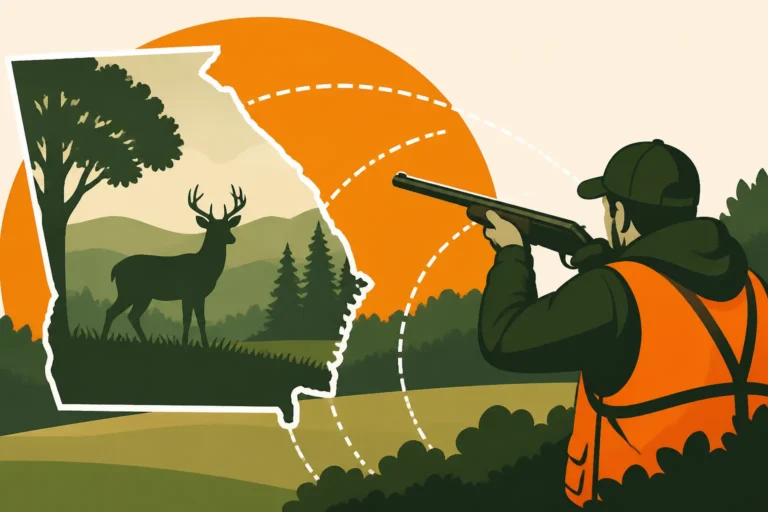
At the heart of Georgia's antlered buck regulations is the statewide limit: you can harvest a maximum of two antlered bucks per hunting season. This isn't a daily limit, or a weekly limit, but an annual one that applies across all seasons – archery, primitive weapons, and firearms. This means if you tag a nice 8-point with your bow in September and then connect with another solid buck during the gun season in November, your antlered buck tags are filled for that license year. It’s a hard cap that requires hunters to make strategic decisions about which deer to pursue and when.
This two-buck limit is critical for balancing harvest with herd growth and age structure. It prevents overharvesting of mature bucks, allowing more younger bucks to reach older age classes and develop larger antlers. For those who hunt multiple properties or enjoy different methods, keeping track of your two antlered bucks is paramount, as exceeding this limit carries significant penalties. It's not just about the moment of the shot; it's about responsible management over the entire season. Many hunters use tools like the GoHunt app to keep track of their harvests and stay updated on regulations, which can be incredibly helpful for managing these limits, especially if you're chasing different species or hunting different areas.
Season-Long Scope of the Limit
The annual two-buck limit isn't just for a single hunt or method; it's a cumulative total for the entire deer season, from the first day of archery season all the way through the extended January periods in some parts of the state. This means every buck you tag, regardless of how or when you took it, counts towards that two-buck total. Whether you're bowhunting Georgia's Early Archery Season or participating in Georgia's Long Firearms Deer Season, those antlered deer accumulate.
This comprehensive approach prevents hunters from potentially harvesting multiple bucks by switching between hunting methods or using different licenses throughout the year. It reinforces the idea that the harvest is managed on a yearly cycle, not piecemeal. It also means that if you're lucky enough to fill your two antlered buck tags early in the season, your focus then shifts to antlerless deer, or you might turn your attention to other game species. Understanding this season-long scope is vital for planning your hunts and making sure you don't inadvertently overharvest.
Navigating Antlered Buck Definitions
When the regulations talk about "antlered bucks," what exactly do they mean? It might seem obvious, but there are specific definitions that Georgia hunters need to be aware of. Not every deer with some growth on its head counts as an antlered buck under the law, and these definitions can significantly impact how you interpret the statewide limits. Knowing these distinctions can save you a headache, or even a citation, in the field.
Defining Legal Antlers
In Georgia, a legal antlered buck is generally defined as any deer with at least one antler that is a minimum of five inches long, measured from the base of the antler to its tip. This five-inch rule is pretty straightforward and helps differentiate true "bucks" from button bucks or deer with very small, undeveloped antlers that might not even break the skin. The intent here is to allow young deer a chance to mature without being mistakenly harvested as a legal antlered buck.
This specific measurement is crucial. It’s not about the number of points, the spread, or the mass, but simply the length of a single antler. Hunters should always carry a measuring tape or at least have a reliable visual reference if they're unsure. If you drop a deer and suspect it might be close to that five-inch mark, measure it carefully before tagging. Ignorance of the rule is rarely an excuse. This definition is a cornerstone of deer management in Georgia, ensuring that the harvest is directed toward specific age classes of male deer.
Distinguishing Antlered from Antlerless
The distinction between antlered and antlerless deer is fundamental to Georgia's deer management strategy and the statewide bag limits. While antlered bucks are capped at two per season, the regulations for antlerless deer are much more generous, with hunters often allowed to take up to ten antlerless deer, depending on the county. This difference in limits reflects the biological need to manage the doe population to control overall herd size and health.
An antlerless deer is, simply put, a female deer (doe) or a male deer that does not meet the legal antlered buck definition (e.g., a button buck with antlers less than five inches long). This allows hunters ample opportunity to "fill the freezer" and contribute to herd management without impacting the genetic potential of the buck population. Understanding this difference is key to maximizing your hunting opportunities while staying within the law. If you're out hunting and you have already tagged your two antlered bucks, your focus then shifts entirely to antlerless deer, which still provides plenty of excitement and challenge. You can learn more about How Many Antlerless Deer You Can Take in a season to fully understand your options.
Special Rules and Exceptions
While the two-buck limit is a statewide rule, Georgia's diverse habitats and deer populations sometimes necessitate special regulations or unique hunting opportunities that slightly alter or complement these general rules. It's easy to assume one rule applies everywhere, but failing to check the specific regulations for your hunting location can lead to costly mistakes. These exceptions are designed to address localized conditions, public land management goals, or even introduce youth to hunting.
Youth Hunter Opportunities
Georgia places a high value on introducing young people to hunting, and this is reflected in specific opportunities for youth hunters. For example, the state often has a special Georgia Youth Deer Weekend where licensed youth hunters can harvest deer prior to the general opening of the season. During these youth hunts, the antlered buck limits still apply to the youth hunter's overall season bag, but the timing provides a unique, less pressured experience for them to tag a deer. It's a fantastic way to get kids excited and involved, and teach them about responsible harvest.
These youth opportunities are important for the future of hunting and conservation. They often come with specific requirements, such as needing to be accompanied by a licensed adult mentor. The antlered buck taken by a youth still counts towards their annual limit of two. These special weekends are a great chance for mentors to focus entirely on their young hunter, instilling good habits and ethical hunting practices without the full pressure of the regular season. This early exposure helps shape responsible hunters who will understand the importance of limits and conservation from a young age.
Wildlife Management Area Specifics
Georgia's extensive network of Wildlife Management Areas (WMAs) often have their own unique sets of regulations that can differ from the statewide rules, especially concerning antlered buck harvest. These variations are put in place by the Georgia Department of Natural Resources (DNR) to achieve specific population management goals on those particular tracts of public land. It's not uncommon to find WMAs with antler restrictions (e.g., bucks must have a certain number of points on one side or a minimum antler spread) in addition to the two-buck statewide limit.
Before you ever set foot on a WMA, it is absolutely essential to consult the current Georgia Hunting Regulations guide and the specific WMA regulations for that area. Ignoring these can lead to serious consequences, even if you’re otherwise within statewide limits. For instance, some WMAs might have different season dates or require quota hunt permits, impacting your ability to pursue antlered bucks there. Utilizing resources like the Georgia Outdoors app or the GoHunt platform can be incredibly useful here, as they often provide updated information on WMA regulations, making it easier to plan your hunt without violating unexpected rules. Understanding these nuances is crucial for ethical and legal hunting on public lands.
| Category | Statewide Antlered Buck Limit | General Antlerless Limit (per season) | Typical WMA Antler Restrictions | Youth Hunter Antlered Buck Limit |
|---|---|---|---|---|
| Definition | Any deer with at least one antler 5+ inches long. | Female deer or male deer with <5 inch antlers. | Varies: e.g., 4 points on one side, 15-inch spread. | Same as statewide, but special dates. |
| Annual Limit | 2 Bucks | Up to 10 (county-dependent) | Still 2 statewide; WMA rules apply additionally. | 2 Bucks |
| Season Applicability | All seasons (archery, primitive, firearm) | All seasons (archery, primitive, firearm) | Varies by WMA hunt dates/rules. | Special youth-only weekends count towards annual. |
| Purpose | Promote older age class bucks. | Manage herd population size. | Improve buck age structure/genetics on specific lands. | Encourage youth participation and ethical harvest. |
The Rationale Behind Buck Limits
When a state implements specific hunting regulations, especially something as impactful as antlered buck limits, there's always a well-thought-out biological and social rationale behind it. These aren't arbitrary rules created to complicate your hunting trip. Instead, they are critical tools used by wildlife managers to achieve specific goals for the deer herd and for the hunting community as a whole. Understanding the "why" can make complying with the "what" much more meaningful.
Managing Herd Health and Age Structure
One of the primary reasons for Georgia's two-buck limit is to promote a healthier and more balanced deer herd by influencing its age structure. In areas with intense hunting pressure, young bucks are often harvested before they have a chance to mature. A strict buck limit, particularly when paired with the opportunity to take multiple antlerless deer, encourages hunters to pass on younger, smaller-antlered bucks. This allows more male deer to survive into older age classes, typically 3.5 years and beyond, which is when they reach their physical peak and produce larger antlers.
By having more mature bucks in the population, wildlife managers aim to improve the buck-to-doe ratio, which can lead to a more intense and centralized rut, as well as a more natural breeding cycle. This improved age structure not only means bigger antlers for hunters to pursue but also a more resilient and healthy deer population overall. It's a long-term investment in the quality of the hunting experience and the biological integrity of the herd. This is part of the broader discussion about Why Georgia Caps Antlered Bucks at Two.
Ensuring Sustainable Hunting Opportunities
Beyond biological health, buck limits are also crucial for ensuring the sustainability of hunting as a sport and a conservation tool. If every hunter could take an unlimited number of bucks, the population could quickly be depleted, leading to diminished hunting opportunities for future generations. The two-buck limit, combined with liberal antlerless limits, provides a balanced approach: it allows for ample harvest to manage population numbers (especially through doe harvest), while protecting the reproductive potential and age structure of the male deer.
This balance is vital for maintaining hunter satisfaction and participation. When hunters know there's a chance to pursue mature bucks, it keeps them engaged and invested in the resource. It's about providing quality hunting experiences without sacrificing the future. By following these regulations, we're all contributing to a sustainable legacy of deer hunting in Georgia, making sure that future generations can enjoy the same, if not better, opportunities we have today. This is a core tenet of Georgia's deer season structure, as detailed in articles like Georgia Deer Season Structure Explained.
Practical Implications for Hunters
Understanding the theory behind Georgia's antlered buck limits is one thing, but applying it practically in the field is where the rubber meets the road. These limits aren't just numbers on a page; they directly influence your hunting strategy, ethical decisions, and even the gear you might choose to carry. Navigating these practicalities successfully is what separates a seasoned hunter from one who's constantly playing catch-up.
Planning Your Season and Harvest Strategy
The two-buck annual limit demands a thoughtful approach to your hunting season. You can't just head out hoping to shoot the first buck you see without considering the long game. Instead, many hunters plan their season with specific goals in mind. For example, some might decide to hold out for a truly mature buck with their bow, knowing that if they succeed, they'll have only one more antlered tag left for the rest of the season. Others might focus on taking an early season "meat buck" and then spend the rest of their time pursuing a trophy or helping friends fill their antlerless tags.
This planning often involves scouting, studying trail camera photos, and even mapping out potential hunting areas. For instance, knowing when the Hunting the Rut in Mid-October occurs might influence when you decide to use one of your buck tags. You might reserve one for that intense period. It’s also crucial to monitor your progress throughout the season. Resources like the Georgia Game Check system, which is part of the overall Georgia Deer Harvest Reporting Rules, allow you to report your harvest promptly and accurately, ensuring you always know where you stand on your two-buck limit. Many hunters also use the GoHunt app to log their personal observations and harvest, making it easier to see their progress and make informed decisions.
Ethical Considerations and Decision Making
The antlered buck limit also brings important ethical considerations to the forefront. If you're fortunate enough to encounter a younger buck that technically meets the five-inch antler requirement but isn't a deer you'd typically want to harvest, the two-buck limit forces a decision. Do you take that buck, thereby using one of your limited tags, or do you pass, hoping for a more mature deer later in the season? This isn't just about adhering to the law; it's about personal hunting ethics and contributing to quality deer management.
Passing on younger bucks, even legal ones, is a practice often encouraged by wildlife agencies and seasoned hunters alike, especially if your primary goal isn't just "any buck." It contributes directly to growing older, larger-antlered deer. Of course, sometimes circumstances dictate a different choice – perhaps it's late in the season, you haven't filled a tag, and a legal buck presents a clean shot. The key is making a conscious, informed decision. This type of decision-making is a core part of being a responsible hunter and helps maintain a healthy deer population.
Reporting and Compliance
Once you've successfully harvested an antlered buck, your responsibilities don't end there. Proper reporting and compliance with all regulations are just as crucial as the hunt itself. Georgia's system for reporting harvests is designed to be user-friendly, but failing to follow the steps can lead to unnecessary issues. This section will cover what you need to do after tagging your buck.
Mandatory Harvest Reporting
In Georgia, all harvested deer, including antlered bucks, must be reported to the Department of Natural Resources (DNR) within 72 hours of harvest, and prior to processing the carcass beyond the point of quartering. This is a mandatory step for every hunter and is critical for wildlife management. The data collected from these reports allows the DNR to track harvest trends, assess population health, and make informed decisions about future regulations, including buck limits.
The primary method for reporting your harvest is through the Georgia Game Check system. You can do this online via the Go Outdoors Georgia website or through the Go Outdoors Georgia mobile app. When you report, you'll need to provide information such as the county of harvest, the date, and whether it was an antlered or antlerless deer. You'll then receive a confirmation number that serves as proof of reporting. This quick and easy process is a vital part of conservation, and it’s something every Georgia hunter should be familiar with. You can find detailed instructions in guides such as Reporting a Deer Through Georgia Game Check.
Consequences of Non-Compliance
Failing to adhere to Georgia's antlered buck limits or harvest reporting requirements can lead to serious consequences. These aren't minor infractions; they are violations of state wildlife laws and can result in significant fines, loss of hunting privileges, and even confiscation of hunting equipment. For example, exceeding the two-buck limit, or failing to report a harvest within the stipulated timeframe, can carry penalties that far outweigh the momentary thrill of an extra deer.
Wildlife rangers regularly patrol hunting areas and conduct checks, and they take these regulations seriously. The goal isn't just to punish, but to deter illegal activities that could harm the deer population and undermine fair chase ethics. So, always double-check the regulations for your specific county and WMA, track your harvests diligently, and report them promptly. It's a small effort that contributes significantly to the integrity of Georgia's hunting traditions and the health of its wildlife. Ensuring you have the right licenses, like those outlined in Georgia Resident Hunting License Options, is also part of this compliance.
Disclaimer
Please remember that hunting regulations can change. While this guide provides a comprehensive overview of Georgia's antlered buck limits, it is your responsibility to consult the most current Georgia Department of Natural Resources (DNR) hunting regulations before heading afield. This content is for informational purposes only and should not be considered legal advice. Always verify current rules and seasons with official DNR publications.