Georgia’s Chronic Wasting Disease Management Area
There's a cloud hanging over the deer woods across the country, and for us here in Georgia, it's become a very real concern: Chronic Wasting Disease, or CWD. The discovery of CWD in a few of our counties has undoubtedly left many hunters feeling anxious, confused, and even frustrated about what it means for our cherished hunting traditions. This isn't just another regulation; it’s a direct threat to the health of our deer herd and, by extension, the future of hunting in our state. This guide aims to clear up the confusion surrounding Georgia's Chronic Wasting Disease Management Area, helping you understand what CWD is, how it's being managed, and what every hunter needs to know to comply with regulations and protect our deer.
Understanding Chronic Wasting Disease Itself
Before we dive into the specifics of Georgia's response, it's crucial to grasp what CWD truly is. It's not like the flu or a bacterial infection that antibiotics can cure; it's a far more insidious and devastating condition that can have long-lasting impacts on wildlife populations and hunting opportunities. The gravity of the situation really hits home when you understand the science behind it.
What Exactly is CWD
Chronic Wasting Disease is a neurological disease that affects cervids, which include deer, elk, moose, and reindeer. It's part of a family of diseases called Transmissible Spongiform Encephalopathies (TSEs), similar to "mad cow disease" in cattle or scrapie in sheep. What makes CWD so unnerving is its causative agent: abnormal proteins called prions. These aren't viruses or bacteria; they're misfolded proteins that cause normal proteins in the brain to also misfold, leading to progressive damage.
Imagine a deer that seems perfectly healthy one day, then slowly starts to waste away. Early signs might be subtle – maybe it's a bit lethargic or separates from the herd. As the disease progresses, infected deer exhibit a range of debilitating symptoms. They might show dramatic weight loss (hence "wasting"), stumbling, drooling excessively, having an insatiable thirst, and displaying behavioral changes like a lack of fear of humans or a vacant stare. These symptoms worsen over time, always leading to death. There is currently no vaccine, no treatment, and no cure for CWD. The prions are incredibly resilient, persisting in the environment (like in soil or on plants) for years, even decades, after an infected animal has died, making containment and eradication incredibly challenging.
Why CWD is a Major Concern for Deer and Hunters
The reasons CWD is a major concern are multifaceted and deeply impact both the deer herd and the hunting community. First and foremost, it's 100% fatal to infected animals. This isn't a disease that deer recover from; once they contract it, their fate is sealed. Over time, in areas with high prevalence, CWD can lead to significant population declines and impact the age structure of the herd, potentially reducing the number of older, larger bucks. For many hunters, seeing healthy, thriving deer populations is a core part of the hunting experience, and CWD threatens that fundamentally.
Beyond the direct impact on the animals, there are serious implications for hunters. There's currently no scientific evidence to suggest CWD can be transmitted to humans through contact with infected animals or by eating venison. However, health organizations like the Centers for Disease Control and Prevention (CDC) advise against consuming meat from CWD-positive animals. This creates uncertainty and worry, leading some hunters to scale back their hunting or even stop entirely in affected areas. The disease also brings with it a host of new regulations, from mandatory testing to carcass movement restrictions, which can be inconvenient and add complexity to an activity that many pursue for its simplicity and connection to nature. For a deeper look at the population health, you might want to review our article on the Georgia Deer Population Estimate.
Georgia's First CWD Detection and Response
For years, we've watched CWD spread across the country, always with a nagging fear that it might eventually reach Georgia. Unfortunately, that fear became a reality, prompting immediate and significant action from state wildlife officials.
The Unsettling Discovery in Georgia
The news many of us dreaded arrived in 2023 when Chronic Wasting Disease was detected in a deer harvested in the southwest part of the state. Specifically, the Georgia Wildlife Resources Division (WRD) confirmed the presence of CWD in a hunter-harvested deer from Terrell County. This wasn't a discovery made in a lab setting through random testing; it was a hunter who submitted their deer for voluntary testing, showcasing the critical role hunters play in early detection. This single positive case immediately triggered a comprehensive response, highlighting just how seriously state officials view this threat. It was a stark reminder that while Georgia had been CWD-free for a long time, the disease respects no state lines, and vigilance is key. If you're curious about the specifics of this event, our article on Georgia's First Confirmed CWD Case dives deeper into the timeline and initial findings.
Establishing the CWD Management Area CMA
Following the confirmation of CWD in Terrell County, the Georgia Department of Natural Resources (DNR) moved swiftly to establish a CWD Management Area (CMA). This wasn't a decision taken lightly; it was based on established protocols for disease management and aimed at containing the spread. The CMA was defined as a five-mile radius around the location where the CWD-positive deer was harvested. This initial radius included portions of Terrell and Randolph counties, creating a localized zone where specific rules and increased surveillance would be implemented. The rationale behind this immediate, geographically focused response is to prevent further spread by intensely monitoring deer within and around the known positive area, and by restricting the movement of deer carcasses or parts that could harbor the prions. It's a challenging task, but one that is absolutely vital for the long-term health of our state's deer.
Navigating the Georgia CWD Management Area CMA
Understanding the existence of the CWD Management Area is one thing, but knowing the specific rules and how they impact your hunting is another. These regulations are designed to be as effective as possible in preventing CWD spread, and compliance from every hunter is crucial.
Which Counties Are Part of the CMA
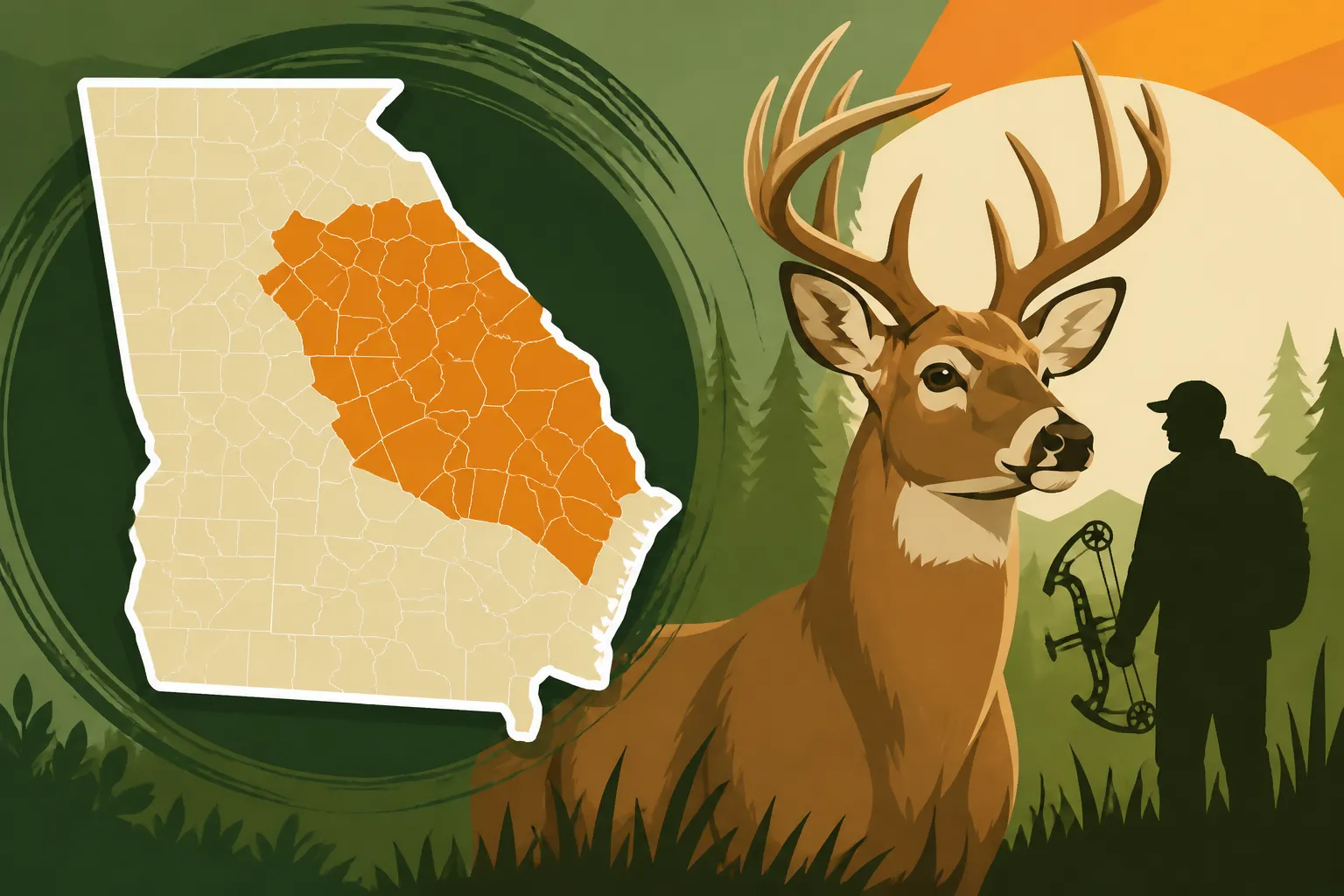
Currently, the CWD Management Area in Georgia encompasses portions of two counties: Terrell and Randolph. While the initial five-mile radius designation focuses on these specific areas, it's always important for hunters in surrounding counties to stay informed, as boundaries can change with new detections. The Georgia DNR publishes detailed maps that clearly delineate the CMA, making it easy for hunters to determine if their hunting grounds fall within the affected zone. This information is usually available on the Georgia WRD website or through mapping applications that integrate wildlife management data. It’s not just about knowing the county name; it’s about understanding the specific geographic lines. If you're a hunter in these regions, staying updated is paramount. For general information on where deer are most prevalent, check out Which Georgia County Kills the Most Deer.
Mandatory Testing Requirements for Harvested Deer
One of the most significant changes for hunters within the Georgia CMA is the implementation of mandatory CWD testing for all harvested deer. If you harvest a deer within the defined CWD Management Area, you are legally required to submit the head for CWD testing. This isn't optional; it's a critical component of the state's surveillance strategy. The process is designed to be as straightforward as possible:
- Harvest and Report: After legally harvesting a deer, you must report it through the Georgia Game Check system, just as you normally would.
- Head Submission: Within 24 hours of harvest, or before taking the carcass out of the CMA, you must take the deer's head, with at least two inches of neck still attached, to an approved CWD sampling station. These stations are strategically located within or near the CMA to make compliance easier.
- Information: You'll need to provide your harvest confirmation number and contact information at the sampling station. The staff will collect the necessary tissue samples (lymph nodes and brainstem) for testing.
- Results: The WRD aims to process samples and provide results as quickly as possible, usually within a few weeks. You will be notified of the test results.
This mandatory testing is our first line of defense, providing vital data to track the disease and understand its prevalence. For more details on the submission process, read our guide on Mandatory Testing Inside Georgia's CMA.
Carcass Movement Restrictions You Must Know
To prevent the spread of CWD prions outside the known management area, strict carcass movement restrictions are in place. These rules are designed to limit the possibility of an infected carcass or its parts from being transported to unaffected areas, where prions could then contaminate the environment or infect other deer.
Here's what you need to know about moving deer out of the Georgia CMA:
- Whole Carcasses: You absolutely cannot remove a whole deer carcass from the CWD Management Area. This is a non-negotiable rule. The assumption is that any deer harvested within the CMA could potentially be infected, and moving a whole carcass would risk spreading prions.
- Allowed Parts: What can you take out? Generally, the following parts are allowed, provided they are separated from the brain and spinal column:
- Deboned meat (meat that has been removed from the bone)
- Clean skull plates (antlers with no brain tissue attached)
- Cleaned hides (no tissue or fluid)
- Finished taxidermy products (once they are fully processed and cleaned)
- Disposal: Any parts that are not allowed to be removed from the CMA (like bones, brain, spinal cord) must be disposed of properly within the CMA. This usually means in designated landfills or through other approved methods that contain the prions.
These restrictions are a significant shift for many hunters who are used to taking their deer straight home for processing. It requires a bit more planning and field processing, but it's a small price to pay to protect our statewide deer herd. If you're unsure about the specifics of what's allowed, always consult the Georgia WRD guidelines or check out Moving a Deer Carcass Out of the CMA for comprehensive details.
Item Allowed to Leave CMA? Notes
The Unseen Threat: Nav Chronic Wasting Disease in Georgia
It's a bittersweet truth for us hunters in Georgia. We love our deer, and the health of the herd is paramount. So, when news broke about the first confirmed case of Chronic Wasting Disease (CWD) within our state, it sent a ripple of concern through the entire hunting community. Suddenly, a threat that felt distant became local, bringing with it new questions, new responsibilities, and a whole new set of rules for how we manage our deer and our hunts. This isn't just about adhering to regulations; it's about safeguarding the future of our wildlife and our outdoor heritage.
Understanding the Enemy: What CWD Really Is
For years, CWD was something we heard about in other states, a dreaded disease that slowly crept across the landscape. Now that it’s here in Georgia, it's more important than ever to understand what we’re up against. This isn't your typical illness; it's a unique and persistent challenge.
The Science Behind the 'Wasting'
At its core, Chronic Wasting Disease is a progressive, fatal neurological disease affecting cervids – that's deer, elk, moose, and reindeer, including our beloved white-tailed deer here in Georgia. What makes CWD so different from other wildlife diseases is its cause: abnormal proteins called prions. Unlike viruses or bacteria, prions are incredibly resistant to degradation, meaning they can persist in the environment for a very long time, even after an infected animal has decomposed. When these misfolded prions enter an animal, they convert normal proteins in the brain and nervous system into more abnormal prions, slowly destroying the brain and leading to the characteristic "wasting" symptoms.
Imagine a deer that once had boundless energy, now looking lethargic, stumbling, and dropping weight despite seemingly eating. That’s the heartbreaking reality of CWD. Infected animals develop a range of symptoms including excessive drooling, extreme weight loss, lack of coordination, behavioral changes like a reduced fear of humans, and an increased thirst. These symptoms progressively worsen, always, without exception, leading to the animal's death. There is currently no vaccine, treatment, or cure. The fact that these prions can contaminate soil and vegetation, remaining infectious for years, is what makes CWD such a difficult and long-term problem for wildlife management.
Why CWD Poses a Serious Threat to Georgia's Deer and Hunting
The arrival of CWD in Georgia isn't just a minor setback; it's a significant concern for several reasons. Primarily, the disease is 100% fatal. There’s no recovering from CWD, which means every deer that contracts it will eventually die. In areas with high CWD prevalence, this can lead to substantial declines in deer populations and alter herd dynamics, potentially impacting the health and age structure we've worked so hard to maintain. Think about the impact on antler quality if older bucks are more susceptible or succumb to the disease at younger ages.
Beyond the direct impact on the deer themselves, CWD creates considerable challenges for the hunting community. While current scientific consensus indicates a very low risk of CWD transmission to humans, public health agencies still advise against consuming meat from CWD-positive animals. This generates understandable caution and sometimes fear among hunters, which can lead to reduced participation in hunting. Fewer hunters mean less conservation funding from license sales and excise taxes on gear. Moreover, the disease necessitates new regulations, such as mandatory testing and carcass movement restrictions, which can be an adjustment for even the most seasoned hunter. These measures, while absolutely necessary, add layers of complexity to a pursuit many enjoy for its simplicity. For a broader understanding of deer health in our state, consider reviewing our article on White-Tailed Deer Across Georgia.
Ground Zero: Georgia's CWD Detection and Immediate Response
The news hit hard. After years of proactive monitoring and hoping it would stay away, CWD was confirmed on Georgia soil. The reaction from the Georgia Wildlife Resources Division (WRD) was swift, decisive, and based on established protocols for managing such a critical wildlife health crisis.
The Day the News Broke: Initial Discovery
In September 2023, the Georgia Wildlife Resources Division announced the first confirmed case of Chronic Wasting Disease in a deer harvested in Terrell County. This wasn't a random finding; it was thanks to a vigilant hunter who participated in the WRD's voluntary testing program. The deer, an adult doe, was harvested and submitted as part of the ongoing statewide surveillance efforts. While we can be proud of our robust surveillance system that led to this detection, the confirmation of CWD sent a clear message: the fight against this disease had just begun in earnest here in Georgia. It served as a sobering reminder of the interconnectedness of wildlife populations and the ongoing threat of disease transmission across state lines. To understand the specifics of this groundbreaking event, you can read more about Georgia's First Confirmed CWD Case.
Drawing the Line: Establishing the CWD Management Area (CMA)
Immediately following the confirmation in Terrell County, the Georgia DNR implemented an emergency regulation to establish a CWD Management Area (CMA). This wasn't an arbitrary decision, but rather a strategic move informed by years of research and best practices from other states that have dealt with CWD. The initial CMA was drawn as a five-mile radius around the location where the positive deer was harvested. This initial boundary encompassed portions of both Terrell and Randolph counties.
The purpose of establishing this CMA is twofold: intense surveillance and containment. By creating a focused zone, the WRD can concentrate its efforts on sampling as many deer as possible to determine the prevalence and exact geographic spread of the disease. Simultaneously, the regulations within the CMA are designed to prevent the physical movement of potentially infected deer carcasses or parts out of the area, thereby minimizing the risk of spreading prions to new, unaffected locations. It's a critical step to protect our statewide deer herd and preserve hunting opportunities beyond the immediate affected zone.
Navigating the Georgia CWD Management Area (CMA) for Hunters
If your hunting lease or property falls within the new CWD Management Area, or if you plan to hunt there, you need to be acutely aware of the specific regulations now in place. These aren't just suggestions; they are mandatory rules designed to protect our deer herd. It's a change, for sure, but one we all need to embrace for the greater good.
Pinpointing the Affected Zones: Which Counties Are Part of the CMA
The current CWD Management Area in Georgia impacts specific portions of Terrell County and Randolph County. It's not the entire county, but rather a defined radius around the initial positive detection site. This means if you hunt in those areas, even if your property is on the fringe, you need to know the exact boundaries. The Georgia Wildlife Resources Division provides detailed maps on their website, often accompanied by exact GPS coordinates, to help hunters accurately identify if their hunting location falls within the CMA. Many popular hunting apps, such as GoHunt, also integrate these official boundary lines, making it easier than ever to check your position in the field. This precise delineation ensures that regulations are applied where they are most critically needed without unnecessarily penalizing hunters in unaffected areas. Staying informed and knowing these lines is your first step in responsible hunting within the CWD context.
The New Routine: Mandatory Testing for Harvested Deer
One of the most significant changes for hunters operating within the Georgia CMA is the requirement for mandatory CWD testing. Any deer harvested within the defined CWD Management Area must have its head submitted for testing. This is a non-negotiable step and a cornerstone of Georgia's CWD surveillance strategy.
Here's a breakdown of what that process looks like:
- Harvest Your Deer: Continue your hunt as normal, following all other applicable Georgia hunting laws and regulations, including those for Georgia Deer Season Structure Explained.
- Report Your Harvest: Immediately after harvesting, report your deer through the Georgia Game Check system, either online or via the mobile app. Make sure you note the exact harvest location, as this will confirm if it's within the CMA.
- Prepare the Head: You must bring the deer's head, with at least two inches of neck attached, to an official CWD sampling station. Be sure to do this within 24 hours of harvest or before moving the carcass out of the CMA (more on that next). This head should be kept cool, but not frozen, to preserve the tissue samples needed for accurate testing.
- Submit for Testing: At the sampling station, trained personnel will collect lymph node and brainstem samples. You'll need to provide your harvest confirmation number and contact information. They’ll handle the rest, sending the samples to a lab for analysis.
- Await Results: The WRD will notify you directly of the test results for your specific deer. While waiting, you can process your deer for consumption, but it's generally advised to be aware of the "test and hold" recommendation – meaning you might want to wait for a negative result before consuming or distributing the meat.
This mandatory testing is vital. It provides the data needed to understand how prevalent CWD is and whether it's spreading, guiding future management decisions. Our article on Mandatory Testing Inside Georgia's CMA offers more specific details about this critical process.
Containing the Threat: Carcass Movement Restrictions
Perhaps the most impactful regulation for hunters in the CMA, beyond testing, is the strict control over carcass movement. These rules are put in place to prevent the transport of CWD prions from the infected area to uninfected parts of the state. Prions can be found in various tissues, especially the brain and spinal cord, and can contaminate the environment if moved.
Here's what you absolutely need to know about carcass movement out of the Georgia CMA:
- No Whole Carcasses: A whole deer carcass cannot, under any circumstances, be removed from the CWD Management Area. This is a hard and fast rule to prevent inadvertent spread. If you harvest a deer in the CMA, it must be processed within the CMA.
- Permitted Parts: You are allowed to remove certain parts from the CMA, provided they are completely free of brain and spinal cord tissue, which are considered high-risk materials. These typically include:
- Deboned Meat: Any meat that has been completely removed from the bone.
- Cleaned Skull Plates: Antlers that are attached to a skull plate must have all brain material and other tissue completely removed and cleaned.
- Cleaned Hides: Hides that have been thoroughly cleaned of all tissue, hair, and fluids.
- Finished Taxidermy Products: Once a mount is fully processed, treated, and cleaned, it can be removed.
- Proper Disposal: Any parts that are prohibited from leaving the CMA, such as the brain, spinal cord, bones, and internal organs, must be disposed of properly within the CMA. This typically involves placing them in designated waste receptacles or taking them to approved landfills that are equipped to handle such waste.
These restrictions require hunters to perform more extensive field dressing and butchering at the harvest site or at a local processing facility within the CMA. While it might be an extra step, it's a critical measure to protect our wildlife from further spread. For detailed guidance on this, consult Moving a Deer Carcass Out of the CMA.
The Hunter's Crucial Role in CWD Management
As hunters, we are often the first line of defense and the most important partners in wildlife conservation. This holds especially true for managing CWD. Our actions, or inactions, can have significant consequences for the health of Georgia’s deer herd.
Your Essential Contribution: Why Participation in Testing Matters
The mandatory testing of harvested deer within the CMA is not just a bureaucratic hoop; it's absolutely essential to our collective efforts to fight CWD. Every single sample provides invaluable data points that help the Georgia WRD understand the exact prevalence of the disease, whether it's spreading, and at what rate. Without this information, wildlife managers are essentially operating in the dark.
Your participation allows for:
- Early Detection: The sooner CWD is detected in a new area, the more effectively management strategies can be deployed to contain it.
- Accurate Mapping: Knowing precisely where positive cases are found allows for accurate mapping of the disease's distribution, helping to refine CMA boundaries and focus resources.
- Scientific Understanding: Each sample contributes to a larger dataset that researchers use to better understand CWD transmission, progression, and potential impacts on deer populations. This knowledge is crucial for developing long-term solutions.
- Informed Decisions: The data collected directly informs policy decisions, hunting regulations, and resource allocation, ensuring that management actions are targeted and effective.
Think of it this way: when you submit your deer's head for testing, you're not just complying with a rule; you're actively participating in a statewide public health and wildlife conservation initiative. You're helping to protect the very resource we all cherish.
Smart Hunting: Best Practices for Hunters in and Around the CMA
Beyond mandatory testing, there are several best practices that every responsible hunter should adopt, especially if hunting in or near the CWD Management Area. These habits can help minimize the risk of spreading CWD and promote overall herd health.
- Practice Good Hygiene: Always wear gloves when field dressing an animal, and thoroughly clean your knives, saws, and other equipment with a 10% bleach solution or other approved disinfectant after each use. This prevents accidental transfer of prions.
- Proper Carcass Disposal: If you process a deer within the CMA, ensure all prohibited parts are disposed of according to WRD guidelines, typically in approved landfills. Never leave carcasses or parts in the woods where other animals might interact with them.
- Avoid Spreading Bait/Supplements: While Georgia generally has rules against baiting on public lands and certain private lands, in a CWD area, supplemental feeding and baiting can concentrate deer, increasing the likelihood of disease transmission through shared saliva and waste. Even if currently legal on private land outside the CMA, consider reducing or eliminating these practices if CWD is nearby.
- Report Sick Deer: You are often the eyes and ears of the DNR in the field. If you observe a deer exhibiting signs of CWD – such as extreme emaciation, abnormal behavior, or neurological issues – do not approach or harvest it. Instead, immediately contact the Georgia Wildlife Resources Division with specific details about the location and observed symptoms. This early reporting is crucial for monitoring. For guidance on reporting sick animals, see our article on Reporting a Sick Animal in Georgia.
- Stay Informed: Regulations can change. Regularly check the Georgia WRD website for the latest updates on CWD, changes to CMA boundaries, and new recommendations. Utilize mapping tools like GoHunt to stay current on geographical restrictions.
By integrating these practices into your hunting routine, you become an active participant in CWD prevention, not just a bystander.
Adapting to Change: Potential Hunting Regulations within the CMA
The establishment of a CWD Management Area often comes with additional or modified hunting regulations beyond just testing and carcass movement. These changes are dynamic and can be adapted based on ongoing surveillance and scientific understanding of the disease's spread.
While specific regulations can vary, hunters should be prepared for potential changes such as:
- Baiting and Feeding Restrictions: As mentioned, concentrating deer can facilitate disease transmission. Therefore, additional restrictions or outright bans on baiting or supplemental feeding (even mineral sites) may be implemented within the CMA to reduce close contact between deer. Always verify current regulations before placing any attractants.
- Increased Harvest Opportunities: In some CWD management zones in other states, wildlife agencies might increase antlerless deer harvest opportunities to reduce overall deer densities, which can sometimes help slow the spread of the disease by reducing contact rates. While not explicitly stated for Georgia's CMA yet, this is a common management tool. Understanding Georgia's Twelve-Deer Bag Limit and how it might be leveraged in such scenarios is important.
- Special Hunt Opportunities: Occasionally, specific managed hunts or extended seasons might be introduced within the CMA to achieve targeted harvest objectives or collect more samples. Always check the Georgia WRD website for special permits or changes to season dates specific to the CMA.
These changes, though they may alter long-standing hunting practices, are implemented with the long-term health of the deer herd and the sport of hunting in mind. Adapting to these changes demonstrates our commitment as conservationists.
The Long View: CWD's Impact on Georgia's Deer and Hunting Future
The immediate response to CWD is critical, but the conversation doesn't end there. We need to consider the long-term implications of this disease for both our deer populations and the very future of hunting in the state of Georgia. This isn't a quick fix; it's a marathon that will require sustained effort and adaptation.
Potential Long-Term Effects on Deer Populations
The presence of CWD in Georgia introduces a significant long-term threat to the state's white-tailed deer population. The disease's 100% fatality rate means that over time, if prevalence increases, we could see measurable declines in deer numbers within affected areas. This isn't just about fewer deer; it can also lead to changes in the age structure of the herd. Older, mature bucks, which represent a significant management goal for many hunters, are often more susceptible to CWD due to their longer exposure to environmental prions and more extensive home ranges that increase contact with other deer. A reduction in older age classes would certainly impact the quality of the hunting experience for many and could affect the overall genetic health of the herd.
Furthermore, CWD doesn't just impact individual deer; it affects herd dynamics. A CWD-infected herd can exhibit reduced productivity, as sick animals may not breed as successfully or may have fawns with lower survival rates. The collective impact on the health and vitality of Georgia's deer herd is something the WRD will be monitoring closely through its Georgia Wildlife Disease Monitoring programs, and it underscores the importance of every hunter doing their part.
The Economic Ripple: What CWD Means for Georgia's Hunting Economy
Hunting is more than just a pastime in Georgia; it's a significant economic driver. The presence of CWD, and the associated management efforts, can create a substantial economic ripple effect throughout the state. Outfitters, local businesses in rural communities (gas stations, restaurants, hotels, sporting goods stores), and even taxidermists and meat processors all rely on a healthy and accessible hunting season.
If CWD leads to reduced deer populations or increased public concern about consuming venison, it could translate to fewer hunters pursuing deer, which in turn means less revenue from hunting licenses and tags. This reduction in license sales directly impacts the Georgia Wildlife Resources Division's budget, as these funds are critical for habitat management, wildlife research, and enforcement efforts across all species, not just deer. Local economies, particularly those in the affected CMA, might see a downturn as hunters avoid the area or reduce their trips. It’s a complex web, and protecting our deer from CWD isn't just about the animals; it's about protecting livelihoods and the economic vitality of our hunting heritage.
Looking Ahead: Future Outlook and Ongoing Monitoring Efforts
The battle against CWD is a long-term commitment, and its future in Georgia will depend on ongoing vigilance, adaptive management, and the continued cooperation of hunters. The Georgia WRD is committed to sustained monitoring efforts, which will include continued mandatory testing within the CMA, expanded surveillance in surrounding areas, and potentially targeted research to understand local conditions influencing the disease.
Future strategies may include:
- Adaptive Management: As new data emerges, the WRD will adjust its management plans, potentially altering CMA boundaries, modifying regulations, or introducing new control measures. This adaptive approach is crucial given the dynamic nature of CWD.
- Research Partnerships: Collaborating with universities and other wildlife health experts will be key to understanding CWD prevalence, transmission, and environmental persistence specific to Georgia's diverse ecosystems.
- Public Education: Ongoing outreach and education for hunters and landowners will be vital to ensure compliance with regulations and foster a collective sense of responsibility in managing the disease.
While the presence of CWD is a serious challenge, it's not insurmountable. With dedicated efforts and the unwavering support of the hunting community, Georgia can work towards minimizing its impact and protecting our wild deer herds for generations to come.
Staying Informed: Key Resources for Georgia Hunters
Navigating the complexities of CWD requires access to accurate, up-to-date information. As hunters, it's our responsibility to seek out and understand the official guidelines. Fortunately, there are excellent resources available to help you stay informed and compliant.
Your Go-To Source: Where to Find Official CWD Updates
The most reliable and current information regarding Chronic Wasting Disease in Georgia will always come directly from the source: the Georgia Department of Natural Resources (DNR), specifically its Wildlife Resources Division (WRD). Their website is regularly updated with emergency regulations, detailed maps of the CWD Management Area, sampling station locations, and public health advisories related to CWD.
Here’s why their website is your primary resource:
- Official Regulations: This is where you'll find the legally binding rules regarding testing, carcass movement, and any other hunting modifications within the CMA.
- Interactive Maps: The WRD often provides interactive maps that allow you to zoom in and determine if your specific hunting property or public land tract falls within the CMA.
- Latest News and Updates: Any new positive detections, changes to boundaries, or updates to recommendations will be posted here first.
- Educational Materials: You can find comprehensive FAQs, brochures, and videos explaining CWD and the specific measures Georgia is taking.
Making a habit of checking the Georgia WRD website before and during hunting season, especially if you hunt near the CMA, is the best way to ensure you're always operating with the most current information. You can also find general reporting guidelines through Georgia Deer Harvest Reporting Rules.
Modern Tools for the Modern Hunter: Utilizing Digital Maps
In today's age, technology is a hunter's best friend, and this holds true for staying compliant with CWD regulations. Digital mapping applications offer an invaluable way to visualize CMA boundaries and locate important resources in the field.
Platforms like GoHunt and other reputable mapping apps (e.g., onX Hunt, HuntStand) often integrate official wildlife management unit boundaries, including CWD zones, once they are officially designated by the state. This means you can:
- Visualize Boundaries: See the exact CWD Management Area overlaid on aerial imagery or topographical maps, allowing you to clearly see if your stand or a specific hunting parcel is within the zone.
- Locate Sampling Stations: Some apps may even mark the locations of official CWD sampling stations, making it easier to plan your route after a successful harvest.
- Real-time Updates: Many of these apps push updates as new information becomes available, ensuring your maps are always current.
Before heading into the field, especially in or near the CMA, make sure your hunting app is updated and you've downloaded the relevant map layers for offline use, just in case you lose cell service. Using these tools adds a layer of confidence and compliance to your hunt. Our article on Scouting With the Georgia Outdoors App can provide further insights into utilizing digital tools for hunting.
When You Have Questions: Contacting the Georgia Wildlife Resources Division
Despite all the resources, sometimes you just need to talk to a person. If you have specific questions about CWD regulations, need clarification on a boundary, want to report a sick animal, or have concerns about a harvested deer, don't hesitate to reach out to the Georgia Wildlife Resources Division. They are there to help and appreciate your proactive engagement.
You can typically find contact information for your local WRD office, regional biologists, or a dedicated CWD hotline on the Georgia DNR website. Having a direct line to these experts can prevent misunderstandings and ensure that vital information about CWD is shared efficiently. Remember, no question is too small when it comes to protecting our deer and ensuring the integrity of our hunting future.
Disclaimer
Please note: The information provided in this guide is intended for general informational purposes only and is subject to change. Hunting regulations, including those related to Chronic Wasting Disease, are dynamic and can be updated by the Georgia Department of Natural Resources (DNR) at any time. It is the responsibility of every hunter to consult the most current and official Georgia Hunting Regulations and obtain the necessary licenses and permits before engaging in any hunting activities. Always check the official Georgia DNR Wildlife Resources Division website for the most up-to-date information regarding CWD Management Areas, testing requirements, carcass movement restrictions, and all other applicable laws and regulations.