Running a Trapline in Rural Georgia
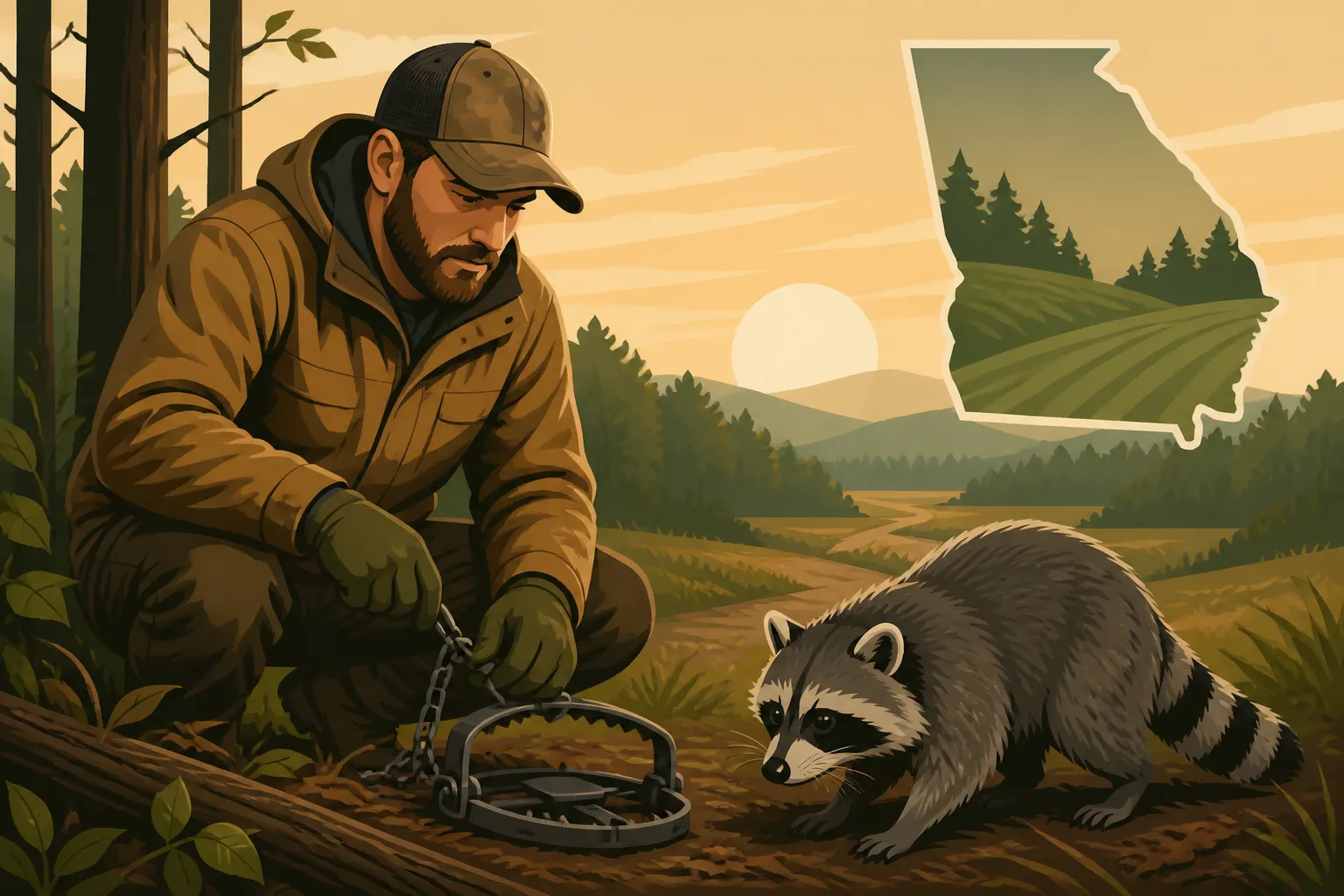
The distinct chill of a rural Georgia morning can be invigorating, but for those who know the landscape intimately, it also signals a time of unique work. Running a trapline isn't just a hobby; it's a connection to the land, a method of wildlife management, and sometimes, a way to mitigate property damage caused by overabundant furbearers. This comprehensive guide will walk you through the ins and outs of successful and ethical trapping in Georgia, from understanding the regulations to mastering your sets.
Understanding Georgia's Trapping Landscape and Regulations
Diving into the world of trapping in Georgia means getting familiar with the state's specific laws and seasons. It’s not just about throwing a trap down; it’s about responsible wildlife management and respecting the resources. Before you even think about purchasing your first trap, you need to ensure you're squared away with the legalities.
Essential Licenses and Permits for Trapping
Just like hunting, trapping in Georgia requires the appropriate licensing. You can't just head out into the woods without it. Typically, you'll need a valid Georgia hunting license, and often, an additional trapping license or specific stamps, depending on what you're targeting. This ensures you're recognized as a legitimate trapper and helps fund wildlife conservation efforts across the state. It’s always best to check the latest regulations on the Georgia Department of Natural Resources (DNR) website or through resources like the GoHunt platform, as rules can occasionally change. They often have very clear guides on what's needed.
For instance, residents usually have access to different license bundles compared to non-residents, and there might be specific requirements for younger trappers or those with disabilities. Make sure to consult the current Georgia Hunting Seasons and Regulations guide for all the specifics. This information is crucial, because getting caught without the right paperwork can lead to fines and even confiscation of your equipment, which nobody wants. You'll want to explore the specific details of Georgia Trapping License Requirements before you make any purchases.
Furbearer Seasons and Legal Trap Types
Georgia has designated seasons for various furbearers, and these seasons dictate when you can legally set your traps. Species like fox and bobcat typically have specific windows, often running through the cooler months when their pelts are prime. Raccoon, opossum, and skunk seasons are usually quite generous, allowing for longer trapping periods. Coyotes, on the other hand, often have very open seasons, sometimes even year-round, due to their designation as a nuisance species in many areas. It's vital to know these dates cold. You can find detailed breakdowns for species like Georgia Fox and Bobcat Trapping Season and Georgia Raccoon Season Dates, which are critical to planning your trapline.
Beyond seasons, Georgia also regulates the types of traps you can use and how they must be set. Foothold traps, body-grip traps (like Conibears), and snares are generally permitted, but there are often restrictions on size, jaw spread, and where certain types can be deployed. For instance, large body-grip traps might be restricted from public rights-of-way or areas accessible to domestic animals, to prevent non-target catches. Snares often have break-away features or diameter restrictions to ensure humane catches. Knowing these details prevents accidental violations and promotes ethical trapping practices. Always ensure your traps are legal and properly maintained to avoid issues.
Securing Land Access and Permissions
Perhaps one of the biggest hurdles for any trapper is securing suitable land. Unlike hunting, where public land access is often more straightforward, trapping requires careful consideration of property lines and landowner permissions. While some Wildlife Management Areas (WMAs) might allow trapping through specific quota hunts or permits, the vast majority of successful traplines operate on private land. This means cultivating relationships with landowners is paramount.
Rural Georgia is often a patchwork of private farms, timberlands, and family plots. Many landowners welcome trappers who can help manage nuisance animals like coyotes, raccoons, or beavers causing damage to crops, livestock, or property. Coyotes, in particular, can be a major problem for farmers, and understanding Georgia Coyote Hunting Season Rules can complement your trapping efforts. When approaching landowners, always be respectful, clearly explain your intentions, and offer to share your catch or even just the peace of mind that comes from reduced nuisance animal activity. A written agreement, even a simple one, outlining the terms of your access is always a good idea, protecting both you and the landowner. Learn more about the nuances in Getting Private Land Permission in Georgia. Tools like the GoHunt mapping system can be invaluable here, helping you identify property boundaries and landowner information to make those initial contact attempts.
Choosing Your Target Species and Trap Types
Once you're legal and have permission, the next step is deciding what you'll target and what tools you'll use. Different furbearers require different strategies and, crucially, different types of traps.
Targeting Coyotes, Foxes, and Bobcats
These can be some of the most challenging and rewarding animals to trap. Coyotes, particularly in rural Georgia, are abundant and often cause livestock depredation or impact deer fawn survival. Foxes, both red and grey, are highly sought after for their pelts and present a fun challenge. Bobcats, with their elusive nature, are a prize for any trapper.
- Coyotes: For coyotes, foothold traps are king. Popular choices include the MB-550, Duke #2, or Bridger Brawn models. These traps are robust and designed to hold a strong animal without causing undue injury. Snares are also highly effective, especially in natural funnels or pinch points in fences, though their use requires careful placement to avoid non-target catches. Lures and baits play a huge role, often consisting of gland lures, urine, and carrion-based baits. Learning to read sign, like tracks and scat, is crucial.
- Foxes: Both red and grey foxes can be caught with smaller foothold traps, such as a #1.5 or #1.75 coilspring. They respond well to urine, curiosity lures, and small meat baits. Setting traps along field edges, old logging roads, and near den sites can be very effective. It’s a delicate balance to make your sets appealing to a fox without alarming them.
- Bobcats: Bobcats are often targeted with slightly larger foothold traps (MB-450 or smaller #2 coilsprings) or even small cage traps in specific, lower-pressure areas. Visual attractants, like a turkey feather or shiny object, paired with bobcat urine or castor, can be very effective. They often travel along well-defined trails or natural barriers, making funnel sets highly productive. Understanding their habits is key to success.
Trapping Raccoon, Beaver, and Otter
These semi-aquatic furbearers require a different approach, often involving water sets or specialized traps. They are often targeted for their pelts but also for nuisance control.
- Raccoons: Raccoons are probably the easiest and most common furbearer for new trappers. Dog-proof traps (DP traps), such as the Duke DP or Z-Trap, have revolutionized raccoon trapping by greatly reducing non-target catches. These traps are designed to only allow a raccoon's paw inside to grab bait like marshmallows, cat food, or sardines. Cage traps are also effective, especially around residential areas where foothold traps might be inappropriate. You can read more about Georgia Raccoon Season Dates to plan your efforts.
- Beavers: Beavers can cause significant damage to timber, roads, and agricultural land by building dams and flooding areas. Conibear traps (330 or 220 sizes) set in their runs, dam crossovers, or submerged in channels are highly effective. Snares can also be used around their dams and lodges. Castor mound sets, mimicking beaver scent posts, work well with foothold traps. Understanding Georgia Beaver Population and Damage highlights why these animals are often a priority for trappers and landowners.
- Otters: Otters are also primarily caught in water sets. Conibear 220s and 330s are effective when placed in active otter slides, pinch points in creeks, or under beaver dams. They are known for their playful nature but can be difficult to catch consistently. Their fur is highly prized. If you're targeting otter, you'll want to review details related to Georgia Muskrat and Mink Trapping Trends as similar water sets can sometimes yield these catches.
Incidental Catches: Opossum and Skunk
Opossums and skunks are often caught incidentally when targeting other species. While their pelts aren't typically as valuable, they are part of the trapping experience.
- Opossum: These nomadic marsupials are often caught in dog-proof traps meant for raccoons or in small foothold sets. They're opportunistic feeders and will go for almost any bait.
- Skunk: Skunks are also common incidental catches. They are often caught in cage traps or dog-proof traps. Their defensive spray is a strong deterrent, so careful handling is required. Some trappers will use covered cage sets to reduce the risk of getting sprayed, as a skunk typically won't spray what it can't see.
| Furbearer Species | Primary Trap Types | Common Baits/Lures | Preferred Habitat | Nuisance Value |
|---|---|---|---|---|
| Coyote | Foothold (#2-3), Snare | Gland lures, Urine, Carrion, Skat | Fields, Pine Plantations, Woods | Livestock, Deer, Game Birds |
| Red Fox | Foothold (#1.5-1.75) | Fox urine, Gland lures, Small meat, Grapes | Open Woods, Field Edges, Farmland | Poultry, Small Game |
| Grey Fox | Foothold (#1.5-1.75) | Fox urine, Gland lures, Small meat, Fish | Thick Brush, Woods, Rocky Areas | Poultry, Small Game |
| Bobcat | Foothold (#1.75-2), Cage | Bobcat urine, Castor, Visual attractants | Dense Woods, Swamps, Mountainous | Small Game, Poultry, Fawn Predation |
| Raccoon | Dog-Proof, Cage, Foothold | Marshmallows, Cat food, Sardines, Sweet bait | Near Water, Farmland, Suburban | Crops, Poultry, Property Damage |
| Beaver | Conibear (220, 330), Snare | Castor, Aspen/Poplar branches | Rivers, Creeks, Ponds, Swamps | Flooding, Tree Damage, Road Damage |
| Otter | Conibear (220, 330), Snare | Fish oil, Otter gland lures | Rivers, Creeks, Ponds, Coastal Marsh | Fish Depredation, Aesthetic Nuisance |
| Opossum | Dog-Proof, Cage, Foothold | Any meat, Fruit, Sweets | All Habitats, Opportunistic | Property Damage, Waste Scattering |
| Skunk | Cage, Dog-Proof, Foothold | Fish, Eggs, Insects, Peanut butter | Farmland, Suburban, Woodlands | Odor, Property Damage, Rabies Vector |
Setting Up Your Rural Georgia Trapline for Success
Once you have your licenses, permission, and traps, it’s time to hit the field. A successful trapline isn't just about setting traps; it's about strategic placement, understanding animal behavior, and diligent management.
Scouting for Productive Locations
Effective trapping starts long before you set your first trap. It begins with meticulous scouting. You're essentially looking for choke points, travel corridors, and areas with clear signs of furbearer activity. This might involve walking creek bottoms, checking logging roads, examining field edges, or exploring the perimeter of swamps. Learning to read tracks in the mud, identify scat, or spot rubs and chews left by beavers is paramount. You'll want to become a detective of the outdoors, piecing together the movements of the animals you aim to catch. Think about what a deer hunter does when they're scouting for a good spot to hang a stand—they're looking for similar things, just with a different end goal. Knowing how to interpret Reading Georgia Mud for Fresh Deer Movement can give you an edge in identifying general wildlife travel patterns.
Identifying "funnels" is key. These are natural or man-made features that concentrate animal movement. A narrow strip of woods between two large fields, a fence line, a small culvert under a road, or the bank of a winding creek are all prime examples. These areas maximize your chances of an animal encountering your set. Don't be afraid to use a good mapping application like the GoHunt mapping system or even the official Using the Georgia Outdoors App to mark potential locations, property boundaries, and access points. This preparation can save you countless hours of unproductive trapping and frustration.
Mastering Your Sets and Attractants
Once you've identified a prime location, the next step is to create an effective trap set. There are numerous types of sets, each designed for specific species and situations.
- Dirt Hole Sets: These are classics for canines (coyotes, foxes) and bobcats. You dig a small hole, often at an angle, representing a cached food source or an animal's burrow. The trap is bedded subtly in front of it, and a blend of lure, bait, and urine is placed in or around the hole. The goal is to entice the animal to investigate and step on the pan.
- Flat Sets: Another common set for canines and bobcats, particularly when the ground is too hard for a dirt hole. Here, you'll place lure and bait on a natural object like a clump of grass or a stump, with the trap carefully bedded nearby. It’s a less intrusive set, relying on curiosity and scent.
- Cubby Sets: Often used for raccoons, opossums, and sometimes bobcats. A cubby can be a natural hollow log, a rock overhang, or a small man-made box. Bait is placed deep inside, luring the animal in, with the trap (often a body-grip or foothold) placed at the entrance.
- Water Sets: Essential for beaver, otter, and mink. These involve placing traps underwater in natural travel ways, at dam crossovers, or in slides. Conibear traps are particularly effective here, ensuring a quick and humane dispatch. Snares can also be very effective for beaver in submerged runs.
Your choice of lures, baits, and attractants can make or break a set. They mimic food sources, territorial markers, or curiosity-inducing scents. Always use fresh, high-quality attractants. Some trappers even use natural items found on the property to help blend their sets in. Remember, the goal is to make the trap as invisible as possible while making the attraction irresistible.
Responsible Trapline Management and Ethics
Running a trapline isn't a "set it and forget it" endeavor. It requires daily commitment and a strong ethical compass. Georgia regulations, like many states, require trappers to check their traps at least once every 24 hours. This is crucial for humane treatment of caught animals and to prevent spoilage of furs in warmer weather. When you're dealing with live animals, you have a responsibility to handle them ethically and humanely. This means having the proper dispatch tools and knowing how to use them quickly and efficiently.
Consider the weather. A sudden cold snap can lead to frozen ground, making it harder for traps to fire. Heavy rain can wash away scent and even submerge sets. Being able to adapt your trapline to changing conditions is a sign of an experienced trapper. Always carry necessary tools for trap maintenance, such as pliers, wires, and even spare parts. Lastly, remember that trapping is a highly visible activity. Be mindful of public perception, especially if your line is near roads or hiking trails. Ethical practices and respectful conduct help ensure the future of trapping for everyone. This dedication to ethical management is something all outdoors enthusiasts, whether they're calling in coyotes as discussed in Coyote Calling in Georgia Farm Country or running a trapline, can appreciate.
Disclaimer
Please be aware that hunting and trapping regulations, seasons, and licensing requirements in Georgia can change. It is always the individual hunter's and trapper's responsibility to consult the most current regulations published by the Georgia Department of Natural Resources (DNR) or other relevant authorities before engaging in any hunting or trapping activities. The information provided in this article is for general guidance only and should not be considered a substitute for official legal documents.