Late-Season Food Sources for Georgia Whitetails
As the Georgia deer season stretches into those crisp, colder months, many hunters find themselves scratching their heads. The lush green fields of early fall are long gone, and the abundant acorns that drew deer in droves have either been devoured or are buried under layers of leaves. This dramatic shift in available forage can make locating and patterning whitetails feel like a completely new puzzle, leaving even seasoned hunters wondering where the deer have vanished. But don't despair! This comprehensive guide is here to walk you through understanding and identifying the crucial late-season food sources that keep Georgia's whitetails going, helping you adapt your strategies for success when the temperatures drop.
The Shifting Landscape of Late-Season Forage
When we talk about late season in Georgia, we're typically looking at December and January, sometimes extending into the "January rut lull" in certain areas. This period brings with it a complete transformation of the natural environment. What was once an all-you-can-eat buffet for deer becomes a much sparser and more challenging landscape. Understanding this fundamental change is the first step to staying on deer.
Why Early Season Foods Disappear
Think back to September and October. Acorns were raining down, tender shoots were abundant, and food plots were likely bursting with nutritious legumes and grains. Deer had their pick of the litter, often focusing their activity around these prime spots. However, by the time December rolls around, the vast majority of these ephemeral food sources are gone. Hard mast, like white oak acorns, is quickly consumed, and even the more tannic red oak acorns that last longer are usually gone by late fall or early winter, especially after a good mast crop year.
Soft mast, such as persimmons or muscadines, which were deer magnets earlier in the season, are also long past their prime. These delicious treats simply don't hold up to the cold or the constant foraging pressure. What's left are often the toughest, least palatable remnants, and deer, being efficient creatures, have usually moved on to more dependable options. This natural depletion means that the scouting you did in early archery season or even during the peak of the firearms season might not be relevant anymore, necessitating a fresh look at the habitat.
The Impact of Acorn Crop Variability
The availability of acorns each year plays an enormous role in deer behavior throughout the fall and into winter. In years with a bumper acorn crop, deer scatter, enjoying the bounty across vast stretches of timber. This can make them harder to pattern, as they don't need to congregate in specific areas. However, once that mast is gone, the deer are forced to seek out alternative food sources, often concentrating their numbers in areas that still offer something to eat.
Conversely, after a poor acorn year, deer are reliant on other food sources much earlier in the season. This means they might be hitting agricultural fields or browse more consistently from October onward. Understanding the mast crop situation in your hunting area is absolutely critical for late-season success. If you've been Hunting After a Poor Acorn Year, you'll already be familiar with the need to focus on browse and agricultural resources, a strategy that becomes universal for all hunters once the acorns run out. Local knowledge and observations from neighbors or land managers about the mast crop can give you a significant advantage in predicting deer movement.
Key Natural Food Sources Still Available
Even when the landscape appears barren, Georgia's diverse ecosystems still offer a surprising array of natural food sources that whitetails will rely on through the late season. These aren't the high-calorie feasts of early fall, but they provide the essential nutrients and energy deer need to survive the colder months.
Browsing on Woody Stems and Greenbriar
When acorns and cultivated crops become scarce, deer turn to browsing on woody vegetation. This is often their primary food source in heavily wooded areas, especially on public lands where agricultural options are limited. Deer are selective browsers, and they'll seek out the most palatable and nutritious woody plants available. Favorites include tender shoots and buds from honeysuckle, privet, and greenbriar. Greenbriar, in particular, is a year-round staple for whitetails across Georgia due to its evergreen nature and high palatability, even in winter.
You'll often find concentrations of browse in recently logged areas or clear-cuts where young, regenerating saplings and shrubs are plentiful. These areas, particularly Hunting a Clear-Cut Regrowth Edge, become vital food hubs. Deer will also feed on the tender tips of small pines, especially loblolly and longleaf, though this is usually a last resort due to their lower nutritional value. Look for areas with heavy stem counts and evidence of browsing – clipped twigs and stripped leaves – which can indicate a late-season deer feeding area. These often coincide with dense thermal cover, allowing deer to feed and bed without expending too much energy.
Persistent Soft Mast and Leftover Nuts
While most soft mast disappears quickly, a few types can persist longer, especially if weather conditions are mild or if they were less accessible initially. Persimmons that dropped later in the season and were overlooked can sometimes be found, though they'll be shriveled and less appealing. More reliably, deer will dig for leftover pecans or other hardy nuts that might be buried under leaves or snow. On private lands with pecan groves, this can be a significant draw.
Another often-overlooked natural food source is fungi. While not a primary food source, certain mushrooms can pop up throughout winter and provide a nutritional boost. Deer will also root for tubers and rhizomes, especially in damp, rich soils. Look for areas with disturbed ground or distinct "snout marks" where deer have been digging. While these may not be large-scale food magnets, they contribute to the deer's overall diet and can be worth investigating, especially when other options are completely exhausted.
Agricultural Offerings and Planted Food Plots
In many parts of Georgia, particularly the Piedmont and Coastal Plain, agricultural lands play a massive role in late-season deer sustenance. These areas often provide the highest calorie and most readily available food during the leanest months, drawing deer from surrounding timber.
Waste Grain and Winter Crops
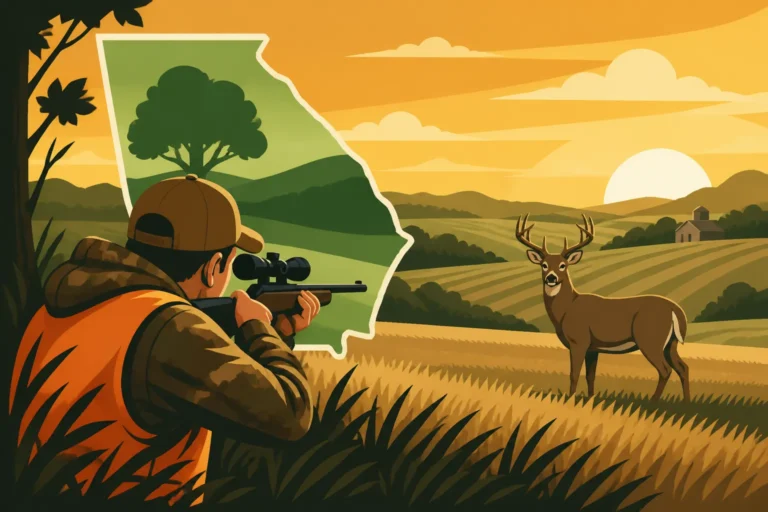
Across Georgia's farming landscape, waste grain from corn and soybean fields, though diminished, can still provide crucial calories. After harvest, combines often leave behind a surprising amount of grain, and deer will tirelessly sift through the stubble to find every kernel and bean. This is particularly true in areas where fields were harvested hastily or suffered lodging from storms. Setting Up on a Piedmont Field Edge overlooking such a field can be a highly effective late-season tactic.
Beyond waste grain, winter crops like wheat, oats, rye, and clover become incredibly important. Many Georgia farmers plant these as cover crops or for livestock forage. These green fields provide highly digestible protein and carbohydrates when other options are scarce, making them irresistible to deer. A lush winter wheat field or a thriving clover patch can be a late-season deer magnet, often drawing deer from miles around. Scouting these fields carefully, identifying preferred entry and exit points, and understanding the prevailing wind directions are paramount to hunting them successfully.
Purpose-Planted Food Plots for Winter
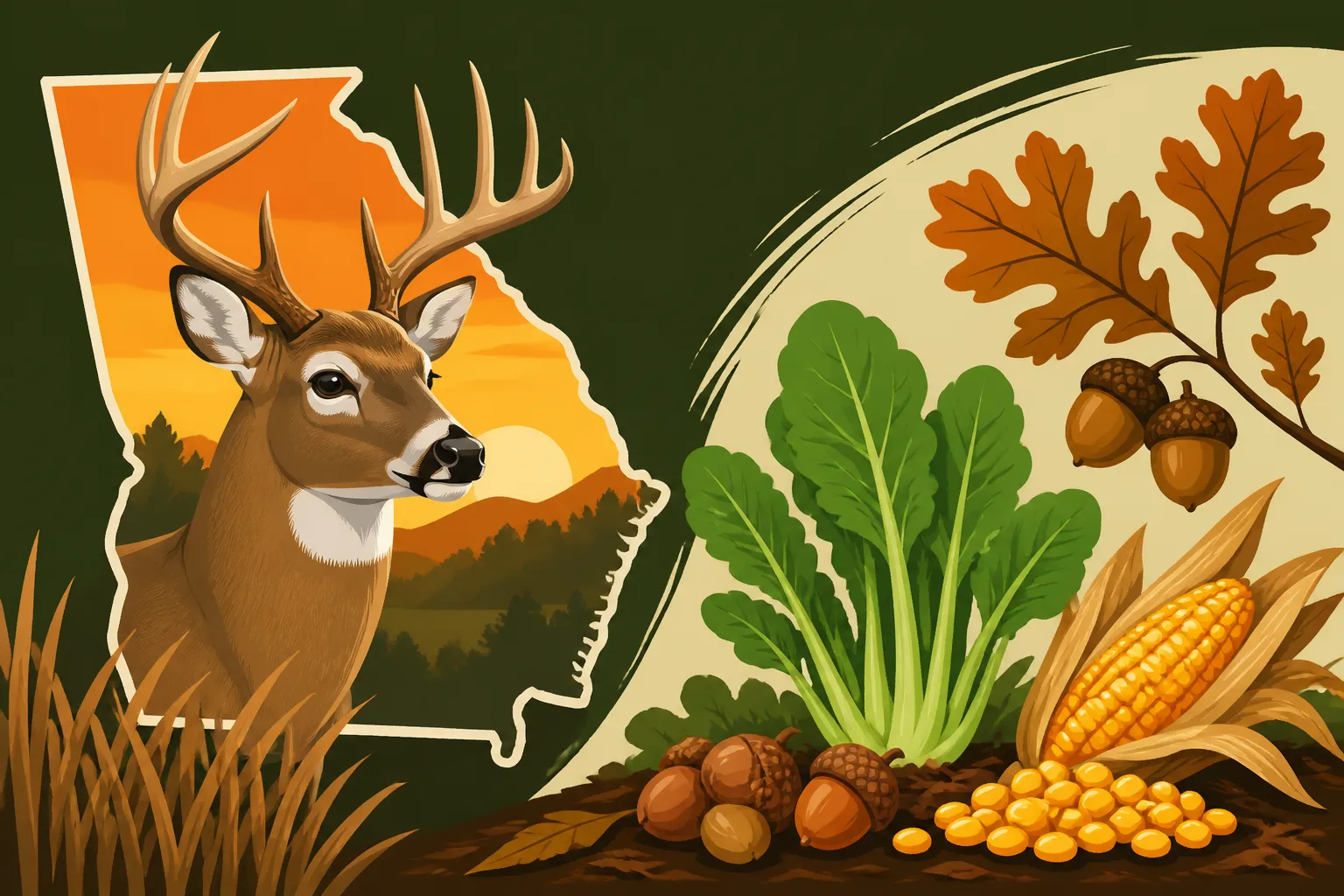
For those with access to private land, thoughtfully planted food plots designed for winter forage are invaluable. Unlike early-season plots that focus on attraction and growth, late-season plots are all about providing consistent nutrition when deer need it most. Common choices include brassicas (turnips, radishes, kale), winter wheat, oats, rye, and various clover blends. Brassicas are particularly effective because they sweeten after a few hard frosts, becoming even more appealing to deer.
Many hunters will strategically plant diverse plots, some with cereal grains for immediate appeal, and others with brassicas or perennials that provide forage throughout the winter. A well-maintained Hunting a Green Field Planted for Deer can concentrate deer activity like almost nothing else in the late season. It's not uncommon to see multiple deer, from does and fawns to mature bucks, hitting these plots consistently, especially during the colder periods when their caloric needs are higher. Using tools like GoHunt can help you identify open fields or potential food plot locations by analyzing aerial imagery, giving you a head start on scouting even before you step foot on the property.
Scouting and Adapting to Late-Season Patterns
The late season demands a shift in your scouting strategy. What worked in October might not cut it now. Deer patterns become much more concentrated around limited resources, and understanding those patterns is key to filling your tag.
Reading the Landscape for Scarce Resources
In the late season, deer become incredibly efficient. They won't travel far from bedding areas if they don't have to, especially when temperatures drop. Your job as a hunter is to find the most attractive food source within a reasonable distance of good bedding cover. This means focusing your efforts on areas where food and cover converge. Creek bottoms and south-facing slopes, which offer warmer bedding and often feature lingering green vegetation, can be prime locations.
Look for subtle signs: heavily browsed plants, fresh droppings with a distinct "late-season" diet consistency (often smaller and harder than fall droppings), and tracks leading directly to and from a specific food source. Reading Aerial Photos for Piedmont Deer can help identify these potential convergence zones, showing you where dense cover meets a promising food plot or agricultural field. Don't be afraid to walk a little deeper into cover than you would earlier in the season; deer are looking for security, and they'll often hold tight to thickets and swamps adjacent to their chosen feeding grounds.
Utilizing Technology for Scouting Efficiency
Modern hunting apps and mapping tools are absolute game-changers for late-season scouting. Platforms like GoHunt allow you to overlay private and public land boundaries, topographic maps, and satellite imagery, helping you pinpoint potential food sources and understand deer movement corridors. You can mark potential feeding areas, bedding thickets, and travel routes, even from the comfort of your home. This digital scouting saves valuable time and energy in the field.
When using GoHunt or similar tools, pay close attention to recent timber cuts, agricultural fields, and areas with dense canopy that might hold evergreen browse. You can use the app to identify potential access points and plan your routes to minimize disturbance. Remember, late-season deer are often more wary due to increased hunting pressure, so Finding Ground Others Walk Past becomes even more critical. Using technology to identify these less-pressured pockets, which might still hold overlooked food sources, can make all the difference. Combining this digital knowledge with on-the-ground confirmation of fresh sign will give you the highest chance of success during these challenging but rewarding months. The ability of GoHunt to pinpoint property ownership also helps avoid trespass issues when investigating agricultural fields or private timber.
| Late-Season Natural Food Source | Typical Locations in Georgia | Deer Preference | Scouting Tip |
|---|---|---|---|
| Greenbriar | Swamps, clear-cuts, creek bottoms, thickets | High, evergreen | Look for clipped vines at deer height |
| Honeysuckle | Wooded edges, open timber, disturbed areas | High, especially leaves | Identify dense patches and browse lines |
| Privet | Stream banks, fencerows, old fields | Moderate to High, evergreen | Check for stripped leaves and stems |
| Young Pine Shoots | Pine plantations, clear-cuts | Low, usually when other foods are scarce | Look for nipped leader growth on young pines |
| Oak Acorns (Red Oak/Water Oak) | Hardwood stands, bottomlands (if available) | High (if found) | Dig through leaf litter under oak trees |
| Pecans | Private land groves, old homesteads | High (if found) | Scan the ground carefully for fallen nuts |
| Fungi | Decaying logs, damp forest floors | Opportunistic | Look for disturbed ground where deer have rooted |
Disclaimer
Always consult the Georgia Department of Natural Resources (DNR) regulations for the most current and accurate information regarding hunting seasons, bag limits, and specific rules for public and private lands. Hunting regulations can change annually, and it is the hunter's responsibility to stay informed and comply with all state laws.