Hunting the Altamaha and Okefenokee Bear Zone
Stepping into the vast, waterlogged wilderness of Georgia's southern swamp country to hunt black bear is an entirely different beast than chasing whitetails in the piney woods or even bears in the northern mountains. Many hunters, accustomed to more open terrain or predictable patterns, find themselves utterly overwhelmed by the sheer scale, the dense cover, and the challenging environment that the Altamaha and Okefenokee River basins present. This comprehensive guide aims to cut through that complexity, providing you with realistic insights and actionable strategies to confidently and effectively pursue black bears in these unique, wild landscapes.
Understanding Georgia's Altamaha and Okefenokee Bear Zone
The Altamaha and Okefenokee bear zones are unlike any other hunting grounds in Georgia. They demand a specific approach, not just in tactics but in understanding the very ecosystem you're entering. This isn't just about finding a bear; it's about navigating a truly wild, often unforgiving environment.
Unique Habitat and Bear Behavior
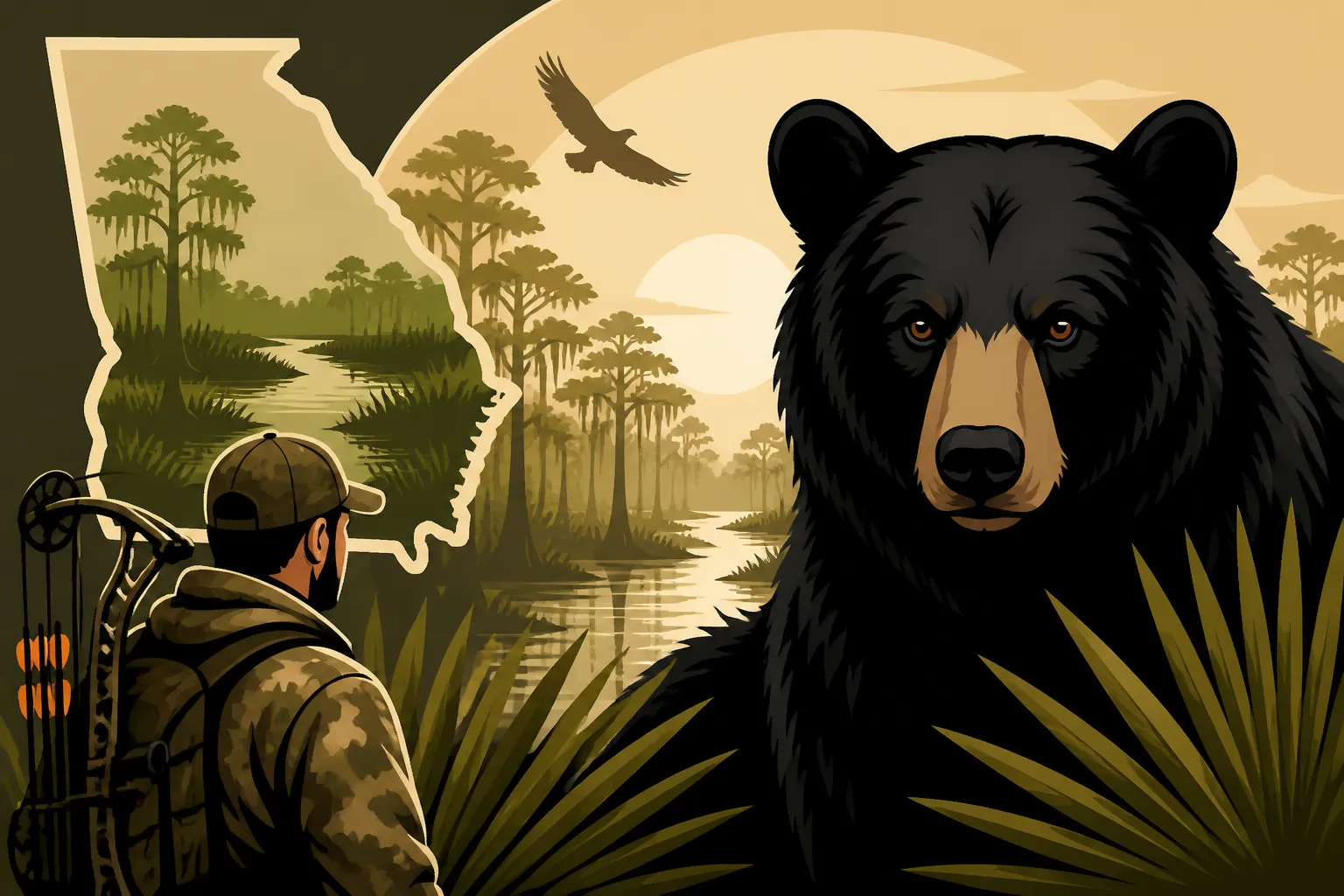
The Altamaha River corridor and the vast Okefenokee Swamp are characterized by immense expanses of cypress and tupelo swamps, hardwood bottoms, dense palmetto thickets, and isolated pine islands. Water levels fluctuate dramatically with rainfall, transforming accessibility and bear movement patterns from week to week, sometimes even day to day. Bears in these regions are masters of stealth, perfectly adapted to their watery world. They're often less visible than their mountain counterparts, relying on the impenetrable cover for refuge and foraging. You'll find them focused on seasonal food sources like palmetto berries, gallberries, acorns from water oaks and swamp chestnuts, and even aquatic vegetation. Their range, as detailed in discussions about Where Altamaha and Okefenokee Bears Range, is extensive, forcing hunters to cover significant ground or pinpoint specific choke points.
These southern bears tend to be less habituated to human presence in the deeper swamp areas, which can make them incredibly wary. Unlike bears in some other parts of the state or country, encounters are often fleeting glimpses into the dense undergrowth. Understanding their daily movements means knowing how they utilize hammocks (dry islands) within the swamp for bedding, how they travel along cypress strand edges, or how they might use slight elevations as refuge during high water. Their diet also shifts dramatically with the seasons, from early summer berries to fall mast, dictating where they'll concentrate their feeding efforts.
The sheer density of the vegetation means that a bear can be within spitting distance and you'd never know it. This presents a unique challenge for both spotting game and recovering it after a shot. The bears here are part of a larger, interconnected ecosystem that includes alligators, wild hogs, and a host of birdlife, all competing for resources and influencing movement. Knowing the signs of other wildlife can sometimes offer clues about bear presence or absence.
Season Dates and Regulations
Hunting the Altamaha and Okefenokee bear zones is often a tightly regulated affair, with specific, often short, season windows designed to manage the population responsibly. Unlike the more extended seasons found in other parts of the state, these southern zones typically have weekend-only hunts, or very limited, specific date ranges, primarily due to the localized population sizes and management goals. For instance, the Georgia Southern Zone Bear Weekend Dates are crucial to mark on your calendar, as missing them means waiting another year. These limited opportunities mean every moment in the woods counts.
Before you even step foot in the swamp, you absolutely must check the Georgia Department of Natural Resources (DNR) current regulations. These dates and rules can change year to year based on population surveys, harvest data, and environmental factors. Beyond the dates, pay close attention to weapon restrictions, bag limits (which are usually very conservative for bears), and reporting requirements. Often, these hunts require a specific bear license in addition to your general hunting license.
It's also important to understand that public access to these areas, especially portions of the Okefenokee National Wildlife Refuge, can be subject to even stricter rules, permit requirements, or lottery systems. Always verify land-specific regulations, whether you're on a Wildlife Management Area (WMA) or other public access lands. Knowing your regulations is not just about staying legal; it's about respecting the resource and contributing to its long-term health.
Accessing Remote Areas
The biggest hurdle for many hunters in the Altamaha and Okefenokee zones is simply getting to where the bears live. These areas are, by definition, remote and often lack traditional road systems. Access can involve navigating winding dirt roads, crossing private timberland (with permission, of course), or, most commonly, utilizing watercraft. Rivers, sloughs, and canals often serve as the primary highways into the heart of the swamp. You might find yourself launching a small jon boat or canoe, then poling or paddling miles into an area before you even begin your hunt. This kind of access requires specialized equipment and a solid understanding of navigation.
Vehicle access might be limited to designated parking areas, often miles from where you want to hunt. This means packing light but smart, and being prepared for long hauls on foot, or by boat. When choosing an access point, consider the prevailing winds, water levels, and potential escape routes for a bear after the shot. The logistics of getting a harvested bear out of these remote, wet areas can be daunting, so planning your extraction strategy before the hunt is paramount. Some hunters even coordinate with airboat operators or other specialized services for recovery in particularly challenging spots.
Beyond physical access, information access is key. Using mapping apps like the ones from GoHunt or other similar platforms can be invaluable for identifying potential access points, water routes, and dry ground. These tools, coupled with aerial photography, can reveal subtle elevation changes or travel corridors that are invisible from the ground. However, remember that cell service is often nonexistent in these deep swamps, so downloading offline maps is a must.
Scouting Strategies for the Southern Swamps
Scouting is paramount for success in any bear hunt, but it takes on an almost obsessive quality in the Altamaha and Okefenokee regions. The vastness and density of the terrain mean you can’t just walk in and expect to stumble upon a bear. You need a plan, and that plan starts with meticulous reconnaissance.
Interpreting Bear Sign in Wet Environments
Finding bear sign in a perpetually damp, vegetated environment like a swamp is different from reading tracks in dry dirt. Look for tracks in mud along slough edges, shallow puddles, or soft marshy ground. Bear tracks are distinctive, showing five toes and often a heel pad impression. Pay attention to the size and freshness of the track; larger, deeper tracks usually indicate a mature bear. Scat is another key indicator, varying in appearance based on diet. If you find scat full of berries or acorn fragments, you know what the bears are currently feasting on.
Beyond tracks and scat, keep an eye out for "bear rubs" on trees or telephone poles. Bears will rub against rough bark to leave their scent, sometimes leaving hair behind. Look for broken branches or overturned logs where bears have been foraging for grubs and insects. In areas with palmetto thickets, you might find trails "parted" by bears pushing through the dense fronds. These trails often lead to food sources or bedding areas on higher ground. A crucial skill is learning to differentiate bear sign from the equally prevalent signs of feral hogs, which also root and track extensively in these environments. Hogs generally have cloven hooves and leave very different rooting patterns.
The challenge is that sign might be abundant but not fresh enough to indicate current activity. You're looking for consistent, fresh indicators that point to a bear's recent presence within the last 24-48 hours. This often requires multiple scouting trips over several days or even weeks leading up to the season. Don't be discouraged by sparse sign in one area; bears are constantly on the move, especially when food sources are scattered or water levels change.
Identifying Key Food Sources
Bear movements in the Altamaha and Okefenokee are dictated almost entirely by seasonal food sources. Unlike the more omnivorous diet of deer, bears are driven by calorie-rich foods, particularly during the late summer and fall as they prepare for winter. Early in the season, you'll want to focus on areas rich in berries – gallberries, saw palmetto berries, and blackberries are all prime targets. These grow in dense thickets and along the edges of pine islands. A good way to scout is to look for these fruiting plants and examine them for signs of heavy feeding, such as stripped bushes or crushed berries on the ground.
As fall approaches, acorns become the dominant food source. Water oaks, willow oaks, and especially swamp chestnut oaks found in slightly higher hardwood bottoms are bear magnets. Bears will travel significant distances to hit a productive oak flat. Look for freshly dropped acorns and disturbed leaf litter beneath these trees. This is where those mapping tools become incredibly handy for identifying hardwood ridges or islands within the vast swamp, as discussed when Reading Aerial Photos for Piedmont Deer. What works for deer often works for bears in identifying key habitat.
It's not just about finding the food source, but finding the best food source. In a year of abundant mast, bears might be more scattered. In a lean year, they'll concentrate on the few areas producing. Paying attention to what’s producing fruit or mast on a particular year, and comparing notes with other local hunters or wildlife managers, can give you a significant advantage. This intimate knowledge of the land and its cycles is what truly separates successful swamp bear hunters.
Using Technology for Remote Reconnaissance
In such vast and often impenetrable terrain, technology becomes an extension of your eyes and ears. Satellite imagery and topographic maps are your best friends. Platforms like GoHunt provide detailed mapping layers that allow you to identify hardwood hammocks, cypress strands, creek channels, and subtle elevation changes from the comfort of your home. Look for anomalies: areas of slightly higher ground, natural funnels created by water features, or breaks in the dense vegetation that might serve as travel corridors. Identifying potential bedding areas on dry islands or feeding areas around specific mast trees is much easier with these tools.
GPS devices and smartphone apps with downloaded offline maps are absolutely non-negotiable once you're on the ground. Cell service is unreliable, if not completely absent, in much of this zone. Mark every piece of fresh sign you find, every potential crossing, and every interesting feature. This data accumulates over scouting trips, building a comprehensive picture of bear movement. Remember to also charge your devices fully and carry backup power banks. Using a reliable GPS, as discussed in GPS Units Versus Phone Apps, is crucial for navigating these areas, especially if you plan to hunt far from your access point.
Trail cameras, strategically placed, can confirm bear presence and even give you an idea of their size and movement patterns. However, placing and checking them in deep swamp can be a significant undertaking, often requiring multiple boat trips. Cameras should be secured to prevent theft and placed in areas where bear sign is already evident, or along suspected travel routes. Remember that regulations for trail cameras on public lands can vary, so always check the specific WMA rules. The goal of this remote reconnaissance isn't to find a bear, but to find the bear, or at least an area where a bear is reliably moving during hunting hours.
Hunting Methods and Tactics
Hunting black bears in the Altamaha and Okefenokee demands a blend of patience, stealth, and sheer grit. The methods employed here are often a departure from conventional deer hunting and require specialized skills.
Still-Hunting Dense Cover
Still-hunting in the southern swamps is less about glassing open fields and more about navigating slowly and deliberately through incredibly dense vegetation. The name "still-hunting" here really means "slow-hunting." You're moving perhaps 10-20 yards at a time, then stopping for several minutes to listen and scan. The key is to pick apart the cover, looking for dark shapes, movement, or the tell-tale glint of an eye. With limited visibility, your ears become your most important hunting tool. Listen for the rustle of palmetto fronds, the snap of a twig, or the soft tread of hooves or paws in the leaf litter. Given the noise a hunter can make in such dense surroundings, every step must be calculated.
Focus your still-hunting efforts on the edges of hardwood hammocks, along cypress strands, or through drier palmetto thickets that connect feeding and bedding areas. These are natural travel corridors. Pay close attention to wind direction, as bears have an incredible sense of smell. You'll often be moving into the wind or with a slight crosswind to avoid detection. The challenge is immense, as the swamp itself can be noisy with birds, squirrels, and the constant drip of water, masking the sound of an approaching bear.
This method requires extreme physical fitness and mental fortitude. You'll be pushing through thick brush, stepping over submerged logs, and often wading through shallow water. Unlike hunting in more open country, shots will be close, fast, and often through small windows in the cover. This means being intimately familiar with your firearm and confident in making quick, precise shots. This type of hunting is a testament to the hunter's ability to adapt to the wilderness on its terms.
Stand Hunting Near Travel Corridors
While still-hunting is productive, stand hunting from a tree stand or ground blind can be equally effective, especially when you've identified consistent bear movement. The challenge lies in finding trees suitable for stands in the swamp, and getting a stand in without spooking everything in a mile radius. You're looking for travel corridors that funnel bears between bedding areas on dry islands and feeding locations like acorn flats or berry patches. These funnels could be narrow strips of higher ground, breaks in dense palmetto, or even shallow water crossings.
Consider using lightweight, portable stands or saddles that allow you to adapt to limited tree options. In many areas, ground blinds might be a more practical solution, especially if you can brush them in effectively. Place stands or blinds downwind of anticipated bear travel, ideally with good visibility along the corridor but enough cover to break up your outline. Remember that bears are incredibly intelligent and wary; they will notice anything out of place. Setting up your stand well in advance of the season, if permitted, can help the area return to normal.
Patience is key with stand hunting. Bears are not always on a predictable timetable, and you might sit for hours without seeing anything. However, the advantage of a stand is being elevated for better visibility and scent control, and having a stable platform for a shot. For this reason, many hunters meticulously scout for these prime locations, often relying on mapping apps like GoHunt to identify these subtle topographical advantages that create natural pinch points for animal movement. Just like Hanging a Stand on a Mountain Saddle, the principle is to find a natural funnel.
Retrieving Bears in Challenging Terrain
This is arguably the most difficult aspect of hunting bears in the Altamaha and Okefenokee. A bear, even a smaller one, is a substantial animal, and retrieving it from a dense, wet swamp can be an epic undertaking. First and foremost, focus on shot placement, as detailed in Shot Placement on a Georgia Black Bear, to ensure a quick, ethical kill and minimize tracking distance. A well-placed shot is your best friend.
Once a bear is down, the work begins. Blood trailing in the swamp can be incredibly difficult due to standing water, thick vegetation, and limited visibility. Mark the last known location of the bear and the direction of travel meticulously. Having a good tracking dog (where legal) can be an invaluable asset. If tracking at night, a powerful headlamp is essential, but be prepared for hours of slogging through mud and water. Always let a bear lay for a while (at least an hour for good shots, much longer for questionable hits) to allow it to expire and stiffen, reducing the risk of a dangerous encounter with a wounded animal.
For actual recovery, plan for a crew. You'll likely need multiple strong individuals, a sturdy sled, or even a small boat if water access is available. It’s not uncommon for hunters to quarter a bear in the field to make it manageable, a skill crucial for any large game hunter, similar to advice on Handling a Bear After the Shot or even Recovering a Deer From a Cypress Swamp. Field dressing in these conditions is messy and attracts insects, so be prepared with bug spray and gloves. The weight of a bear, combined with the difficult terrain, will test your resolve and teamwork like few other hunts.
Essential Gear and Preparation
Success in the Altamaha and Okefenokee bear zones hinges not just on tactics, but on being adequately prepared with the right gear. The environment demands durability, reliability, and functionality.
Firearms and Ammunition Considerations
When hunting black bear in Georgia, especially in dense swamp cover, your firearm choice is critical. You need enough knockdown power for a clean kill, but also a rifle that handles well in tight quarters. Many hunters opt for popular deer calibers, but for bear, you want something with a bit more punch. Discussions about Rifle Calibers for Georgia Bear often highlight cartridges like the .30-06, .308 Winchester, .270 Winchester, or even a .45-70 lever action. These offer a good balance of power and manageable recoil. Whatever caliber you choose, practice extensively with it to ensure precise shot placement.
Ammunition choice is equally important. Use heavy, well-constructed bullets designed for deep penetration and energy transfer. Soft-point or bonded bullets are generally preferred over varmint-style rounds that might fragment too quickly. Given the likely close-range nature of shots in the swamp, you might not need to worry about extreme long-range ballistics, but rather about punching through thick hide, muscle, and bone. Zero your rifle at a practical distance, perhaps 100 yards, which will cover most close encounters and allow for slight adjustments for very short shots.
Beyond rifles, some hunters prefer shotguns loaded with slugs, particularly in areas where shots are expected to be extremely close or in extremely dense cover. A 12-gauge shotgun with well-patterned slugs can be a formidable bear hunting tool. Regardless of your firearm, ensure it is properly maintained, sighted in, and that you are proficient with it under pressure. Reliability is paramount when you're miles from the nearest road.
Clothing, Footwear, and Safety Gear
The Altamaha and Okefenokee regions are notorious for their humidity, heat, and insects. Your clothing choices must reflect this. Think lightweight, breathable, moisture-wicking fabrics in quiet camouflage patterns. Even during fall hunts, temperatures can remain surprisingly warm, especially when you're slogging through the swamp. Layering is always a good idea, as early mornings can be cool, but midday quickly warms up.
Footwear is perhaps the most critical gear item. Tall rubber boots or specialized snake boots are an absolute must. The swamp is teeming with venomous snakes, particularly cottonmouths and rattlesnakes, and you'll often be wading through water or pushing through thick undergrowth where they hide. Rubber boots will also keep your feet dry when crossing shallow sloughs or marshy areas. For more details on protecting your feet, consult Snake Boots for Georgia Swamp Ground. Ensure your boots are comfortable for long walks and offer good ankle support, as the terrain is uneven and treacherous.
Safety gear extends beyond snake boots. A high-quality first-aid kit, a whistle, and a signaling mirror are essential. Tell someone exactly where you are going and when you expect to return. Consider carrying a personal locator beacon (PLB) or satellite messenger, especially if hunting alone in truly remote areas with no cell service. A sturdy knife, rope, and a headlamp with extra batteries are also non-negotiable. Don't forget bug spray – lots of it – especially formulations designed to deter biting insects like mosquitoes, gnats, and ticks that carry diseases.
Navigation and Communication Tools
Getting lost in the vast, labyrinthine swamps of the Altamaha and Okefenokee is a very real danger. A reliable GPS unit, or a smartphone with robust offline mapping capabilities like those offered by GoHunt, is your primary navigation tool. Mark your vehicle, your stand location, and any significant landmarks or sign you find. Learn to use the compass feature on your device, and always carry a physical compass and map as a backup. Knowing how to use them is just as important as having them. Understanding how to use maps and a compass is an essential skill, as discussed in Using Georgia Outdoors Without Cell Service.
Communication is another significant challenge. Cell service is generally non-existent deep in these zones. A two-way radio might be useful if hunting with a partner who is relatively close by, but its range will be limited by dense vegetation. For truly remote hunts, a satellite phone or a satellite messenger device is highly recommended. These devices allow you to send texts or emergency signals even without cell service, providing a crucial lifeline in case of an emergency. Always ensure your communication devices are fully charged and protected from water damage.
Beyond the tools themselves, cultivating a deep sense of direction and observation skills is paramount. Look for unique trees, changes in vegetation, and water features that can serve as natural landmarks. Before you venture too deep, take a moment to look back at your entry point. This helps you recognize the return path. The swamp environment can be disorienting, with every cypress tree looking much like the last, so rely on your tools, your planning, and your instincts.
Post-Harvest Considerations and Ethical Practices
Taking a black bear in the Altamaha or Okefenokee is a significant achievement, but the work doesn't end when the animal is on the ground. Proper post-harvest care and adherence to ethical standards are crucial.
Field Dressing and Meat Care in Warm Weather
One of the biggest challenges after a successful swamp bear hunt is proper field dressing and meat care, especially given the warm and humid conditions often prevalent during the season. Bears have a thick layer of fat, which can spoil quickly if not cooled. As soon as possible, begin field dressing. This involves eviscerating the animal to allow the body heat to escape. If you're quartering the bear for easier transport, skin it quickly as well. The hide, too, can hold heat and accelerate spoilage.
Have a plan for cooling the meat immediately. This often means having large coolers filled with ice waiting at your vehicle or boat. Pack the quarters or deboned meat on ice, ensuring air circulation. For advice on handling game in warmer conditions, the principles outlined in Coolers and Game Bags for a Georgia October are highly relevant. Some hunters even bring large game bags or cheesecloth to protect the meat from flies while it's cooling down, particularly if the haul out will take several hours. Remember, venison from a bear is a valuable resource, and treating it with respect ensures you get to enjoy the fruits of your labor.
The warm, wet environment also means you'll be dealing with insects. Be prepared for flies and other pests during the field dressing process. Wearing gloves is not just for hygiene but also for protection against potential bacteria. The goal is to get that meat cooled down as quickly and efficiently as possible to preserve its quality.
Reporting Requirements and CWD Awareness
Georgia has specific reporting requirements for harvested black bears. It's not enough to simply take your bear home; you must report it to the Georgia DNR within a specified timeframe, often 24 hours. This typically involves using the Georgia Game Check system online or via a phone app. This data is vital for wildlife management, helping the DNR track bear populations, harvest trends, and adjust future season structures. Failing to report a harvest can result in penalties.
Beyond standard reporting, hunters in Georgia also need to be aware of Chronic Wasting Disease (CWD). While CWD has historically been more associated with deer, its potential impact on other cervids and related species is always a concern. Although bears are not known to contract CWD, it is essential to stay informed about any new protocols, especially concerning carcass movement restrictions if you're hunting near a designated CWD management area. While the Altamaha and Okefenokee zones are not currently within a CWD management area, staying updated on statewide wildlife health advisories is a critical part of being a responsible hunter. Be vigilant for any signs of disease in the animals you encounter or harvest and report unusual observations to the DNR.
Respecting the Resource and Other Hunters
Hunting in Georgia's Altamaha and Okefenokee bear zones is a privilege, and ethical conduct is paramount. This means not only adhering to all regulations but also demonstrating respect for the wildlife, the land, and your fellow hunters. Practice good sportsmanship by being considerate of others sharing the woods, particularly on public lands or shared access points. Leave no trace, packing out all trash and debris, and ensuring you don't damage the delicate swamp ecosystem.
Ethical hunting also involves knowing your limits and having the discipline to pass on marginal shots that could lead to a wounded, unrecoverable animal. The difficulty of tracking and recovering a bear in this terrain makes a clean, ethical kill even more important. Understanding the challenges of Hunting Georgia Black Bear Without Bait reinforces the need for ethical shot selection. It's about taking pride in the hunt, the harvest, and your role as a conservationist. Being an advocate for responsible hunting practices helps ensure that future generations can continue to experience the incredible challenge and reward of hunting black bears in Georgia's wild southern swamps.
Disclaimer
Please note: Hunting regulations, season dates, and license requirements in Georgia can change annually. It is the responsibility of every hunter to consult the most current Georgia Department of Natural Resources (DNR) regulations and local ordinances before engaging in any hunting activity. This guide is for informational purposes only and should not be considered a substitute for official legal documents or expert advice. Always prioritize safety and ethical hunting practices.