Hunting the North Georgia Mountain Bear Zone
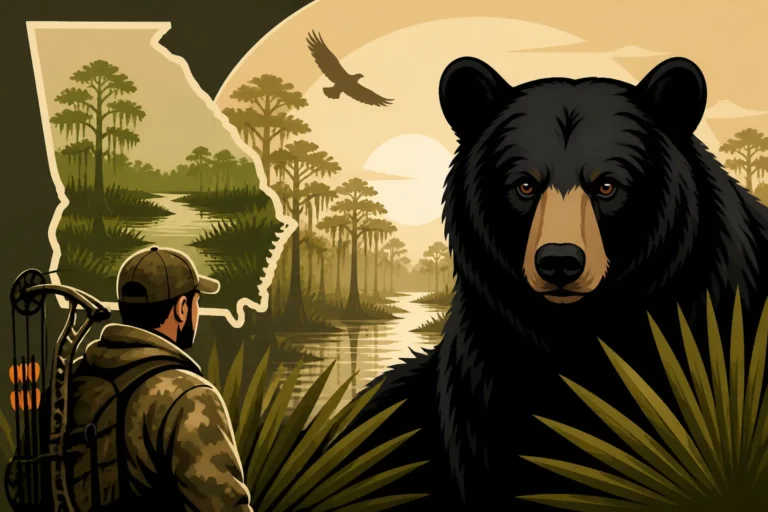
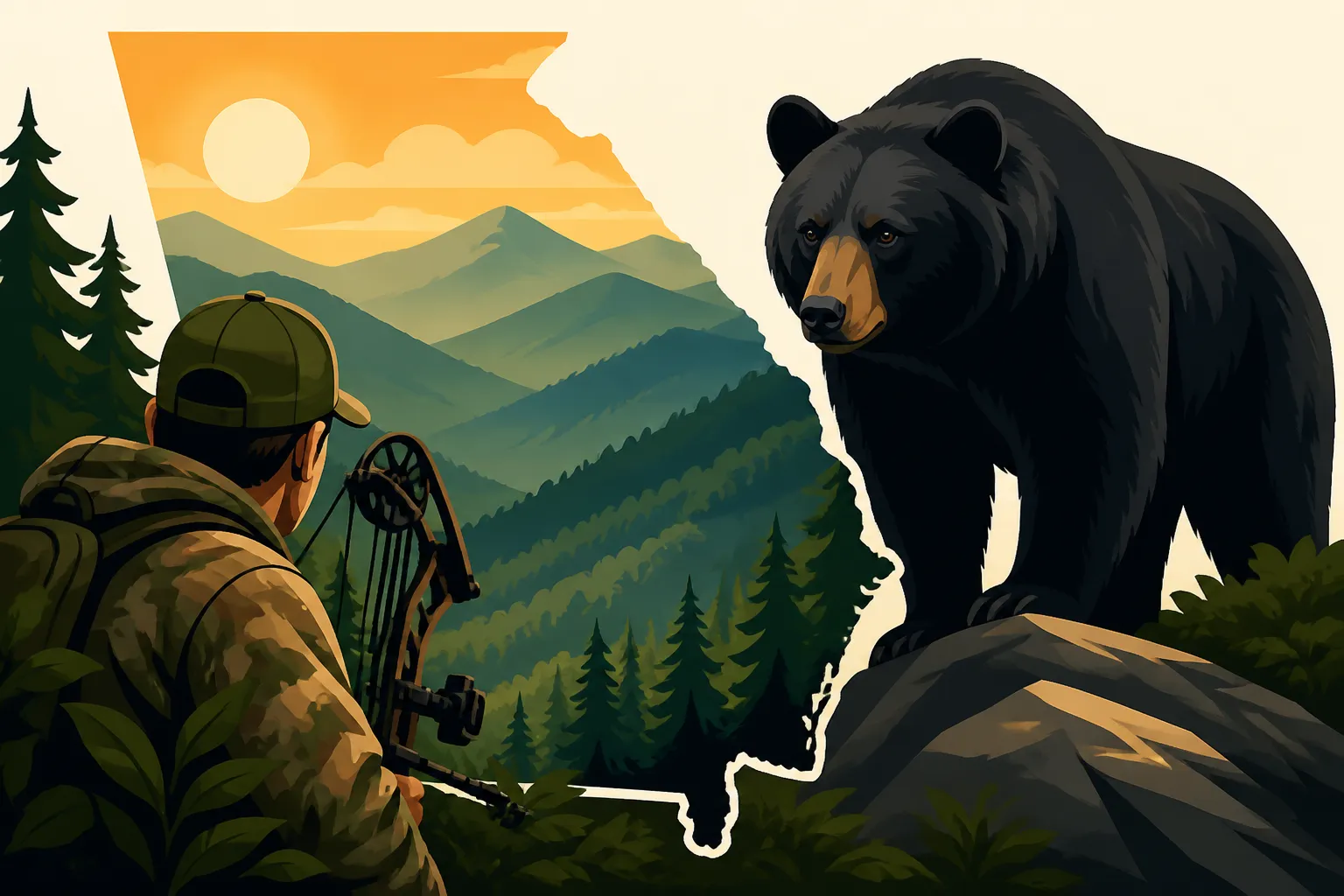
Heading into the rugged, beautiful expanse of North Georgia’s mountains to pursue black bears is an adventure unlike any other, but it comes with its own unique set of challenges. From navigating dense hardwood forests and steep inclines to understanding the elusive movements of these incredible animals, many hunters find themselves overwhelmed by the sheer scale and complexity of the terrain. This guide is here to break down the ins and outs of bear hunting in Georgia's Northern Zone, offering practical advice and deep insights to help you prepare, strategize, and ultimately succeed in one of the state's most demanding hunting environments.
Understanding the North Georgia Mountain Bear Zone
The North Georgia Mountain Bear Zone isn't just a designation on a map; it's a wild, unforgiving landscape that shapes every aspect of bear hunting. Understanding its characteristics, population dynamics, and specific regulations is your first step toward a successful hunt.
Geographic Scope and Bear Population Density
When we talk about the North Georgia Mountain Bear Zone, we're primarily referring to the vast tracts of land encompassed by the Chattahoochee National Forest, spanning across numerous counties like Rabun, Towns, Union, Fannin, and Gilmer. This region is a mosaic of steep ridges, deep hollows, thick rhododendron thickets, and mature hardwood forests, punctuated by clear mountain streams. It's the quintessential bear habitat, offering everything a black bear needs to thrive: abundant food, dense cover, and relative seclusion.
Unlike other parts of the state, the northern zone boasts the highest density of black bears in Georgia. These mountains act as a natural stronghold, allowing the population to grow robustly. However, "high density" in a mountain environment still means you'll be working hard to find them. Bears here are not congregating in open fields; they are masters of stealth, using the terrain to their advantage. You might go days without seeing a single bear, even in prime habitat, which can be a real test of patience and persistence. This abundance is a testament to strong conservation efforts and why the Northern Zone holds the most bears, offering a truly wild hunting experience.
Georgia Northern Zone Bear Season Rules and Regulations
Navigating the rules and regulations for bear hunting in Georgia can feel like a maze, especially with specific zone designations. The North Georgia Mountain Bear Zone has its own set of rules, often distinct from the Central and Southern zones, and it’s critical to know them inside and out. Generally, the season here is short and broken into specific windows: an archery-only period, followed by one or more firearms weekends. These limited timeframes underscore the importance of thorough preparation and making every minute in the woods count.
For example, typical archery season might open in early September, aligning with the general deer archery opener, providing a chance to pursue bears before the influx of firearms hunters. The firearms season often consists of just a few short weekends, usually in October or early November, designed to manage the bear population effectively without over-pressuring the animals. The bag limit in this zone is typically one bear per hunter per season, emphasizing quality over quantity. Before you even think about stepping into the woods, you absolutely must check the current year’s Georgia Northern Zone Bear Season Rules published by the Georgia Department of Natural Resources (DNR) to ensure you’re compliant with all license requirements, season dates, and reporting protocols. Ignorance of the law is never an excuse, and game wardens in these remote areas are highly vigilant.
Common Bear Behaviors and Habitat in the Mountains
Understanding black bear behavior is foundational to hunting them successfully, especially in a dynamic environment like the North Georgia Mountains. Bears are opportunistic omnivores, and their movements are largely dictated by the availability of food. In the fall, their primary focus is hyperphagia—eating as much as possible to build fat reserves for winter denning. This means targeting mast crops like acorns, especially white oak and red oak acorns, which are crucial energy sources. They’ll also feast on wild berries, grapes, and even insects when other food is scarce.
Bears utilize the rugged terrain for both foraging and security. Deep, brushy hollows, dense rhododendron thickets, and overgrown clear-cuts provide excellent bedding areas, offering protection from elements and perceived threats. Travel corridors often follow natural features such as creek bottoms, old logging roads, and saddles between ridges. These saddles, especially those connecting different mast-producing areas or water sources, can be hotspots for bear activity. Observing claw marks on trees, overturned rocks, and well-worn trails can tell you a lot about a bear's daily routine and preferred routes, giving you an edge in setting up an ambush or planning a stalk.
Scouting Strategies for Mountain Bears
You wouldn't dream of buying a house without looking at it first, right? The same logic applies to hunting black bears in the mountains. Scouting isn't just a suggestion; it's absolutely essential for understanding the lay of the land and the bears that call it home.
Pre-Season Digital and On-the-Ground Reconnaissance
Modern technology has revolutionized pre-season scouting, making it significantly easier to get a jump on the season, even in the most remote areas. Tools like GoHunt or other detailed mapping applications are invaluable for dissecting the vastness of the Chattahoochee National Forest. Start by poring over aerial imagery to identify key terrain features: sharp ridge lines, saddles, creek drainages, potential bedding areas (often dense, dark green patches), and areas that look like they might hold mature mast-producing trees. You can also use topographical maps to find those subtle benches and hidden pockets that bears often use for travel or bedding.
However, digital scouting is just the first layer. There’s no substitute for boots on the ground. Hiking these mountains in the off-season, long before hunting pressure begins, allows you to confirm your suspicions from the maps. You can pinpoint actual feeding areas, identify active travel routes, and get a feel for the elevation changes and thick cover you’ll contend with during the hunt. This is also when you can start to place trail cameras, ideally in locations that funnel bear movement or near promising food sources. Remember, Scouting Georgia Public Land Before Season is not just about finding deer; it’s about understanding the entire ecosystem you’ll be hunting.
Identifying Key Food Sources and Travel Corridors
Black bears are creatures of habit when it comes to food, and in the mountains, that habit revolves heavily around acorns. Your scouting efforts should heavily focus on finding areas with a strong mast crop. This means identifying white oak ridges, which drop their acorns earlier, and red oak bottoms, which provide a later-season food source. Don't just look for trees; look for fallen acorns, opened shells, and tell-tale bear scat filled with acorn fragments. If the acorn crop is poor in a certain year, bears will shift their patterns, turning to wild grapes, blackgum berries, or even digging for grubs.
Beyond food, bears need water and secure travel routes. Creek bottoms often serve as natural highways for bears moving between feeding and bedding areas. Look for well-used game trails that parallel streams or cut across saddles. Ridgelines, especially those with thicker cover, can also be major travel corridors, offering bears a vantage point and easier walking than steep slopes. Think about funnels—places where the terrain naturally forces animals into a confined area, like a narrow gap in a ridge or a pinch point between two steep ravines. These are prime locations for an ambush or to set up a trail camera.
Interpreting Bear Sign and Activity
Learning to read the subtle language of the forest is critical for mountain bear hunting. Bears leave a plethora of signs, and understanding what they mean can tell you where a bear has been, where it’s going, and how recently it was there. Fresh tracks in soft earth or mud near a stream crossing are gold. Pay attention to the size and distinct claw marks; a mature boar's tracks will be noticeably larger and heavier than a sow's.
Scat is another powerful indicator. Fresh scat, especially if it’s still moist and smells potent, means a bear is very active in the immediate area. The contents of the scat can also tell you what they’ve been eating – berries, acorns, or even insect parts. Look for claw marks on trees, particularly pines, where bears will often rub their backs or climb to reach food or establish dominance. Rubs on trees or scent marking posts, often indicated by matted hair or fresh mud, are also clear signs of bear presence. Even overturned logs or rocks, where bears have been digging for grubs and insects, point to their foraging habits. When you can consistently find fresh sign, you're getting closer to understanding a bear's localized movements.
Effective Hunting Methods and Tactics
Hunting black bears in the North Georgia Mountains is a demanding endeavor that requires patience, physical stamina, and a deep understanding of effective tactics for the rugged terrain. Forget those flatland deer hunts; this is a different beast entirely.
Still-Hunting and Spot-and-Stalk in Rugged Terrain
For many experienced mountain bear hunters, still-hunting and spot-and-stalk tactics are the go-to methods. Still-hunting involves moving incredibly slowly, taking a few steps, and then pausing for several minutes to observe, listen, and scan your surroundings. It's about blending into the environment and becoming part of the landscape, not just passing through it. You're trying to see the bear before it sees you, which means scrutinizing every patch of cover, every shadow, and every movement. This is particularly effective when you're working an acorn ridge or a creek bottom where you've found fresh sign.
Spot-and-stalk, while challenging in dense mountain timber, can be highly effective in more open hardwood areas or along power lines and clear-cuts. It involves finding an elevated vantage point with good visibility, often using quality binoculars like those from GoHunt's recommended gear list, to meticulously glass distant slopes and hollows. Once a bear is spotted, the real work begins: planning a silent approach that uses terrain features, wind direction, and cover to close the distance undetected. This can be incredibly difficult on steep, leaf-covered slopes, but the reward of outsmarting a wary mountain bear on its home turf is unparalleled. Even if you're not in the Ocmulgee area, Spot-and-Stalk Tactics for Ocmulgee Bears can offer adaptable principles for mountain hunting.
Treestand and Ground Blind Setups
While mobile tactics are popular, strategically placed treestands and ground blinds certainly have their place in mountain bear hunting. The key is placement. Rather than wide-open fields, you'll be looking for natural funnels, saddles, and heavily used travel corridors between known feeding and bedding areas. A well-placed stand overlooking an active white oak ridge, particularly if it's near a water source or a thick bedding area, can be incredibly productive during the limited season. When considering Treestand Setups in North Georgia Mountains, prioritize safety, especially on steep or uneven ground. Use a full-body harness and a lifeline every single time you climb.
Ground blinds, whether natural or manufactured, can also be effective, particularly in areas with dense cover. They offer concealment and a break from the elements. A ground blind brushed into a thick rhododendron patch along a bear trail, or overlooking a natural food source, can provide a great ambush point. The challenge is ensuring your scent is completely managed and that the blind blends seamlessly into the environment. Whichever method you choose, scouting beforehand to identify these high-traffic areas is paramount.
Utilizing Wind and Thermals for Scent Control
In the mountains, wind and thermals are not just factors; they are the factors that dictate success or failure. Scent control is paramount when hunting bears, which possess an olfactory sense far superior to a deer's. The terrain itself dramatically influences air currents. In the mornings, as the sun begins to warm the slopes, thermals tend to rise, carrying your scent uphill. In the evenings, as the air cools, thermals drop, carrying your scent downhill into hollows and bottoms.
This constant shift means you need to be acutely aware of your position relative to where you expect bears to be. When still-hunting or stalking, always try to keep the wind or thermal in your favor, either quartering into it or having it blow across your back. For treestand or ground blind setups, try to choose locations where the prevailing wind or thermal direction will carry your scent away from the most likely approach routes of a bear. Ignoring these dynamics is a surefire way to educate bears to your presence long before you ever see them. Understanding Wind and Thermals on a Mountain Ridge is perhaps the most crucial lesson a mountain hunter can learn.
Essential Gear and Logistics for Mountain Bear Hunting
Hunting in the North Georgia Mountains is physically demanding, and the right gear can make or break your hunt. Preparation is key, not just in scouting, but in outfitting yourself for the challenges ahead.
Appropriate Firearms, Archery Equipment, and Ammunition
When it comes to firearms for mountain bears, reliability and adequate stopping power are crucial. Bears are tough animals, and a well-placed shot is absolutely essential. Many hunters opt for popular deer calibers like .30-06, .308, or .270, often with heavier, well-constructed bullets designed for larger game. However, a .300 Winchester Magnum or a .338 Winchester Magnum can provide an extra margin of power, especially for close-range encounters in thick cover or if you expect a follow-up shot might be needed. Ensure your rifle is zeroed accurately and practice shooting from various positions you might encounter in the mountains – standing, kneeling, or even from an awkward angle off a tree.
For archery hunters, the minimum draw weight for Georgia deer is certainly adequate for bears, but using a heavier-hitting broadhead is highly recommended. Fixed-blade broadheads with strong construction are favored by many for their reliability and penetration on tough hide and bone. Regardless of whether you choose a rifle or a bow, your ammunition or broadhead choice should prioritize deep penetration and reliable expansion to ensure a quick, ethical harvest. Don't skimp on quality here; it's a small investment for a lifetime of regret if it fails.
Clothing, Footwear, and Navigation Tools
The North Georgia Mountains are notorious for their changeable weather. One minute it can be warm and humid, and the next a cold front rolls in, bringing chilling rain. Layering is not just a suggestion; it’s a necessity. Start with moisture-wicking base layers, add insulating mid-layers, and top it off with a waterproof and windproof outer shell. Even in early archery season, when temperatures can still be warm, a rain shower can turn a pleasant morning into a frigid experience. For those early season hunts, proper Lightweight Layering for Warm-Weather Sits and certainly Bug Protection for Early Archery Season are key for comfort.
Your footwear must be up to the task: sturdy, waterproof boots with excellent ankle support and aggressive traction are non-negotiable. You’ll be traversing steep, uneven terrain, slippery rocks, and potentially muddy creek beds. Blisters or a twisted ankle can end your hunt prematurely. Finally, reliable navigation is paramount. A GPS unit or a robust mapping app like GoHunt on your smartphone is essential. Always carry a physical map and compass as a backup, and know how to use them. Cell service is spotty at best in many mountain drainages, so don't rely solely on your phone.
Safety Considerations and Emergency Preparedness
Bear hunting in the mountains inherently carries risks. Beyond the animal itself, the environment poses significant hazards. Always inform someone of your hunting plans, including your exact location, expected return time, and who to contact if you don't check in. Consider carrying a personal locator beacon (PLB) or satellite messenger for emergencies, especially if hunting alone in remote areas. A well-stocked first aid kit is also a must, capable of handling everything from minor cuts and blisters to more serious injuries.
While bears are generally shy, encounters can happen. Carry bear spray and know how to use it, even if you’re armed with a firearm. It’s an effective deterrent for a charging animal and won't put holes in your valuable game meat if an encounter happens. Furthermore, remember that the North Georgia Mountains also harbor venomous snakes like rattlesnakes and copperheads, particularly during warmer parts of the season. Always be aware of your footing and surroundings.
Post-Harvest Considerations and Ethical Practices
Taking down a black bear is a significant accomplishment, but the work isn't over when the shot rings out. Ethical hunting demands responsible post-harvest practices, especially when dealing with a large animal in challenging terrain.
Shot Placement and Tracking in Dense Cover
A black bear's vitals are positioned differently than a deer's, so understanding proper Shot Placement on a Georgia Black Bear is non-negotiable. Aim for the classic "double-lung" shot, just behind the shoulder, slightly lower than you might for a deer. This maximizes the chances of hitting both lungs and potentially the heart, leading to a quick, ethical harvest. Avoid shoulder shots unless you're confident in breaking heavy bone, as a marginal hit can lead to a long, difficult, or even lost animal.
Tracking a bear, especially one hit marginally, through dense mountain laurel and rhododendron thickets can be incredibly challenging. Bears often run downhill after a hit. Take your time, mark the spot of the shot, and look for blood, broken branches, and disturbed leaves. If the blood trail is sparse, or if you lose it, back out and give the bear time. This allows the animal to expire and often results in more blood on the trail once you resume tracking. Bring plenty of flagging tape, a good headlamp (if tracking into dark), and consider recruiting experienced trackers if you're struggling.
Field Dressing, Recovery, and Meat Care
Once your bear is down, the real physical labor begins. Field dressing a bear quickly is crucial, particularly in Georgia's often warm temperatures, to cool the meat and prevent spoilage. Bears have a thick layer of fat, which acts as an insulator, so getting the hide off and the entrails out promptly is essential. If you plan to salvage the hide for a rug or taxidermy, you'll need to know how to properly skin it.
Recovering a bear from a steep, rugged mountain hollow is perhaps the most physically demanding part of the hunt. This is where having hunting partners or a sturdy game cart (if the terrain allows, which it often doesn't in steep mountains) is invaluable. The "gutless method" can be a lifesaver, allowing you to bone out the animal in sections, making it much easier to pack out. Carry large game bags to protect the meat from dirt and flies. Remember that bear meat, when properly handled, is delicious, but it's crucial to cool it down as quickly as possible. Don't leave a bear to spoil in the heat; it's a waste of a valuable resource and an unethical practice. Knowing Handling a Bear After the Shot thoroughly can save you immense effort and ensure proper meat care.
Reporting and Regulations Compliance
After the harvest, your responsibilities don't end. In Georgia, successfully harvesting a bear requires immediate reporting. This typically involves calling a specific Georgia DNR Game Check number or using the online reporting system through the Go Outdoors Georgia website. You’ll need to provide details about the harvest, including the county, date, and method of take. This data is critical for wildlife management and helps the state monitor bear populations and set future seasons.
Make sure you understand any specific requirements for carcass transportation, especially if you harvested the bear near any Chronic Wasting Disease (CWD) management areas (though CWD is primarily a deer concern, it's always wise to stay informed on general carcass movement restrictions). You’ll also need to ensure you retain proof of harvest and your license for the duration of transport. Ethical hunting is about more than just the kill; it’s about respecting the animal, the resource, and the regulations designed to protect them.
Navigating Public Land Challenges
The vast majority of bear hunting in the North Georgia Mountains takes place on public land, primarily within the Chattahoochee National Forest and its associated Wildlife Management Areas (WMAs). While this offers incredible opportunities, it also brings a distinct set of challenges that every hunter needs to be prepared for.
Understanding Chattahoochee-Oconee National Forest Hunting Regulations
Hunting within the Chattahoochee-Oconee National Forest is a privilege, and it comes with specific rules beyond the general statewide hunting regulations. These rules are in place to ensure public safety, protect natural resources, and provide fair chase opportunities. It’s crucial to understand that WMAs within the National Forest might have additional, more stringent regulations regarding hunting dates, weapon restrictions, and even vehicle access. For example, some WMAs might be archery-only during certain periods, or have specific sign-in requirements.
Before heading out, always consult the Georgia DNR's hunting regulations for the specific WMA or National Forest district you plan to hunt. Use resources like the Georgia Outdoors app or the DNR website to pinpoint these regulations. Understanding what you can and cannot do, from camping rules to where you can park, is fundamental. Knowing the nuances of Chattahoochee-Oconee National Forest Hunting is not just about staying legal; it's about being a responsible steward of these magnificent public lands.
Dealing with Hunting Pressure and Finding Seclusion
Public land, by its very nature, means shared access, and during popular hunting seasons, that can translate to significant hunting pressure. The North Georgia Mountain Bear Zone, with its limited season dates, can see an influx of hunters, especially on opening weekends. Dealing with this pressure effectively is key to finding success. One of the most tried-and-true methods is simply to walk further. Many hunters will stick close to roads and easy access points. By pushing deeper into the backcountry, beyond the first ridge or two, you dramatically increase your chances of finding undisturbed areas where bears feel more comfortable moving during daylight hours.
Utilize your GoHunt maps or similar tools to identify areas that are difficult to access, perhaps requiring a longer hike, a steep climb, or navigating dense laurel thickets. These are often the places where bears retreat when pressure mounts, and where you'll find Finding Ground Others Walk Past. Timing your hunt also matters; hunting mid-week if possible, rather than just on weekends, can expose you to fewer fellow hunters. Even when you encounter other hunters, remember that respect and courtesy go a long way in fostering a positive hunting community.
Seasonal Changes and Their Impact on Bear Movement
The North Georgia Mountains experience distinct seasonal changes, and these transitions profoundly impact bear behavior and hunting strategies. Early season, typically September for archery, can be hot and humid. Bears are often still somewhat nocturnal, moving primarily in the cooler parts of the day, and their focus might be on soft mast like berries and early acorns. Look for them in creek bottoms and north-facing slopes where temperatures remain cooler.
As the season progresses into October and November with the firearms hunts, temperatures drop, and the hard mast crop (acorns, hickory nuts) becomes the primary food source. Bears will be intensely focused on feeding to pack on those crucial pre-denning pounds. This is often when you'll see more daylight activity. However, cold fronts can also make bears more active as they sense winter approaching. Understanding these shifts and how they relate to food availability and weather patterns allows you to adapt your strategy, focusing your efforts on the areas that are most likely to be productive at that specific time.
| Category | Archery Season (Early Fall) | Firearms Season (Mid-Fall) |
|---|---|---|
| Temperatures | Mild to Warm (50s-80s °F), High Humidity | Cool to Cold (30s-60s °F), Variable Weather |
| Primary Food | Soft Mast (berries, grapes), Early White Oak Acorns | Hard Mast (Red & White Oak Acorns, Hickory), Some Greenery |
| Bear Activity | Often Nocturnal/Crepuscular, Seeking Shade/Water | Increased Daylight Activity, Intense Foraging |
| Clothing | Lightweight, Breathable, Moisture-Wicking Layers, Bug Protection | Layered Insulation, Waterproof Outer Shell, Warm Hat & Gloves |
| Footwear | Ventilated, Waterproof Hiking Boots, Snake Boots | Insulated, Waterproof Mountain Boots |
| Scouting Focus | Water Sources, Shady Bedding Areas, Early Mast Trees | Active Mast Ridges, Established Travel Corridors, Den Sites |
| Challenges | Insects, Heat Exhaustion, Dense Foliage, Lower Bear Activity | Increased Hunter Pressure, Rapid Weather Changes, Steep Terrain |
| Recommended Gear | Bug spray, Water filtration, Headlamp, Lightweight Binoculars | Spotting Scope, GPS/GoHunt App, Game Bags, Hauling Frame |
Disclaimer
The information provided in this guide is for general informational purposes only and is not a substitute for official regulations. Hunting regulations, season dates, and license requirements are subject to change at any time. Always consult the most current Georgia Department of Natural Resources (DNR) regulations and guidelines before planning or embarking on any hunting trip. Compliance with all federal, state, and local laws is the hunter's sole responsibility.