Packs for a Day on Public Land
There's nothing quite like the excitement of heading out for a day on Georgia's public hunting land, but that anticipation can quickly turn into frustration if you find yourself miles from the truck with the wrong gear, or worse, not enough of it. Whether you're navigating the steep inclines of the North Georgia mountains or slogging through a humid coastal plain swamp, having the right pack and knowing how to fill it efficiently is absolutely crucial for a successful and safe hunt. This guide is all about helping you sort through the myriad of options and strategies so you can confidently carry everything you need, and nothing you don't, for your next public land adventure in the Peach State.
Choosing the Right Pack for Your Georgia Hunt
Selecting a pack isn't a one-size-fits-all situation, especially when you consider the vast diversity of Georgia's hunting landscapes. What works for a quick sit in a Piedmont hardwood bottom might be utterly inadequate for an all-day trek in the Cohutta Wilderness. You need to think about the duration of your hunt, the type of game you're after, and the specific terrain you'll be covering.
Daypacks: The All-Around Workhorse
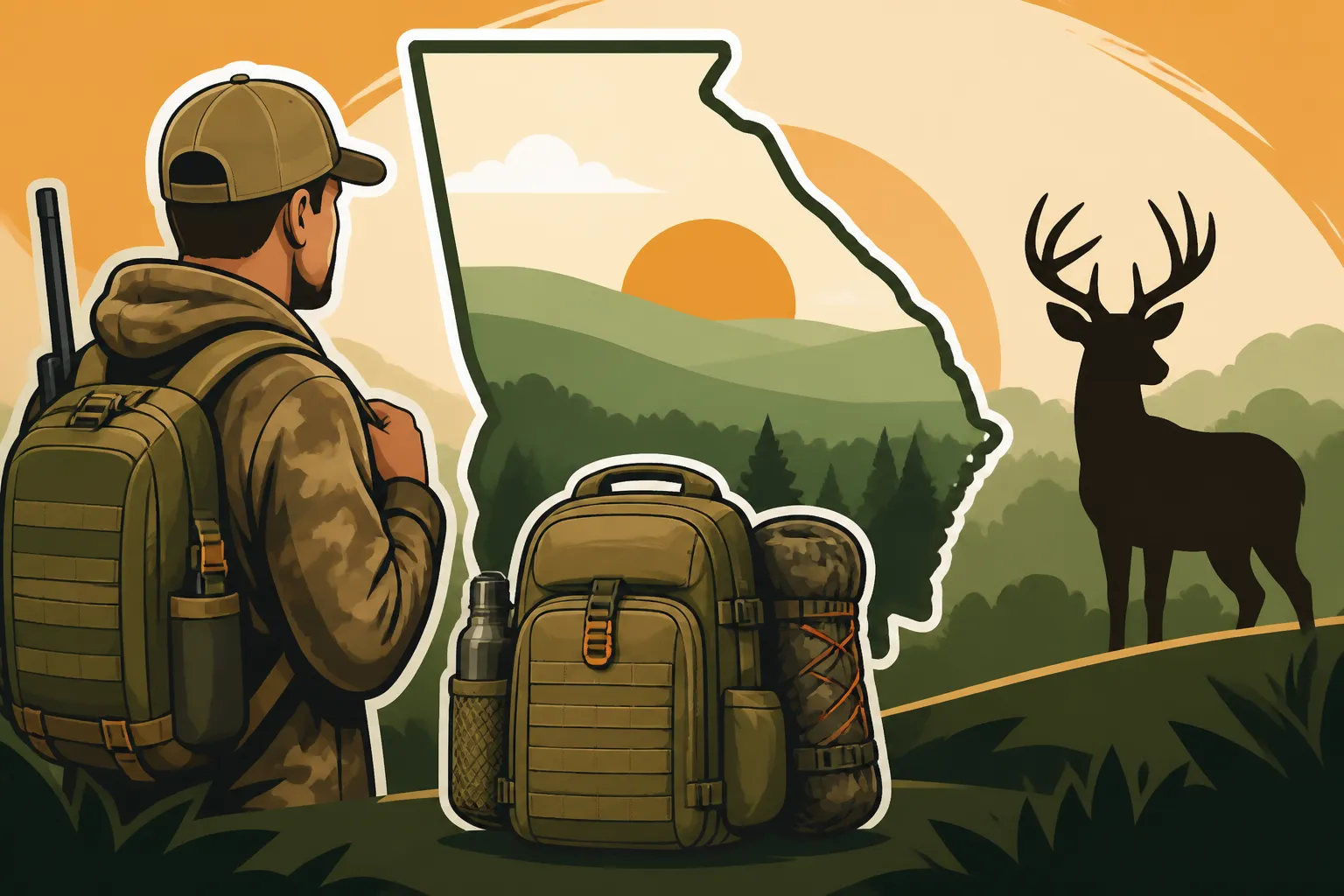
For most public land day hunts in Georgia, a quality daypack is going to be your most reliable companion. These packs strike a fantastic balance, offering enough capacity to carry all your essentials without being overly bulky or cumbersome. We're talking about anything from 1,500 to 2,500 cubic inches, which gives you room for water, snacks, a rain jacket, a first-aid kit, and perhaps a small set of rattling antlers or a grunt call. The beauty of a good daypack is its versatility; it can adapt to everything from an early archery season sit when you might need Warm-Weather Clothing for Georgia Hunters to a late-season deer drive when you're carrying a bit more in the way of layers and recovery tools.
When you're looking at daypacks, pay close attention to the suspension system. A padded hip belt and shoulder straps are non-negotiable for comfort, especially if you anticipate longer walks to your stand or blind. Look for packs with good ventilation, as Georgia's humidity can turn a strenuous hike into a sweat-soaked ordeal. Zipper quality is another often-overlooked feature; strong, quiet zippers prevent snags and ensure your gear is secure, even when you're pushing through thick briar patches. Many brands offer specialized hunting daypacks with features like weapon carry systems, making it easier to haul a rifle or bow into those hard-to-reach public land honey holes.
Lumbar Packs and Vests: Lightweight Alternatives
Sometimes, less is more. For hunters who prioritize minimal bulk and maximum mobility, a lumbar pack (often called a fanny pack, though modern versions are far more advanced) or a specialized hunting vest can be an excellent choice. These options are ideal for shorter hunts, situations where you're not carrying much more than a canteen, a couple of calls, and some emergency items. Think of a mid-morning turkey hunt where you're doing a lot of Run-and-Gun Turkey Tactics on Public Land and need to stay agile, or a dove hunt where you're primarily focused on Working a Dove Field on Opening Day and need easy access to shells and a bottle of water.
Lumbar packs keep the weight on your hips, freeing up your upper body for easier movement and shooting. They're great for hunters who don't like the feel of shoulder straps or who need to quickly shed layers without removing their entire pack. Vests, particularly those designed for turkey or upland bird hunting, distribute weight across your shoulders and back, often featuring an array of specialized pockets for calls, shells, and even a built-in seat cushion for quick setups. While they offer less overall capacity than a daypack, their specialized organization can be a huge advantage for specific hunting styles where quick access to particular items is key. Just remember to assess your gear list rigorously to ensure everything you truly need will fit comfortably.
Specialized Packs for Specific Hunts
Beyond the general daypack and minimalist options, there are situations in Georgia that call for more specialized packing solutions. If you're planning a full day of scouting deep into a Wildlife Management Area, for instance, you might opt for a pack with a bit more room to carry a heavier camera, binoculars, and perhaps even a spotting scope. For hunters who anticipate boning out an animal or packing out meat after a successful harvest, a pack with an integrated meat shelf or a larger capacity is invaluable. While this might stretch the definition of a "day hunt" pack, having a system that can adapt if you're lucky enough to punch a tag is smart planning.
Consider also the unique demands of different game. For instance, an alligator quota hunt might require specialized gear that wouldn't fit in a typical daypack, while specific waterfowl hunts might call for marsh bags or specialized decoy carriers. Even within deer hunting, if you're planning on Deer Drives With Three or Four Hunters on public land, communication devices might take precedence in your pack. The key here is to anticipate the unique demands of your chosen pursuit and select a pack that can genuinely support those needs, rather than trying to make a general-purpose pack do something it wasn't designed for.
Essential Gear Every Georgia Public Land Hunter Needs
Once you've got your pack sorted, the next crucial step is filling it with the right gear. This isn't just about convenience; it's about safety, preparedness, and maximizing your chances of success. Georgia's public lands can be rugged, remote, and unpredictable, so coming prepared is non-negotiable.
Navigation and Communication
Getting lost on public land is a real concern, especially in vast areas like the Chattahoochee-Oconee National Forest or sprawling WMAs. Your pack should always contain reliable navigation tools. A GPS unit or a smartphone with a dedicated hunting app like GoHunt is paramount for Scouting Georgia Public Land Before Season and for staying oriented during the hunt. Make sure your phone is loaded with offline maps, as cell service can be spotty or nonexistent in many remote areas. A portable power bank is also essential to keep these devices charged throughout the day. Don't forget a physical compass and a topographic map as a backup – batteries die, screens crack, but a map and compass rarely fail.
Communication is equally vital. If you're hunting with a partner or group, two-way radios can be incredibly useful, especially for coordinating things like Deer Drives With Three or Four Hunters. Always let someone know your hunting plan, including your exact location and estimated return time. Consider carrying a small whistle for emergency signaling. In the rare event of a severe emergency, a satellite messenger can literally be a lifesaver, allowing you to send messages and even an SOS signal when no cell service is available.
Safety and First Aid
A well-stocked first-aid kit is not optional; it's a fundamental requirement for any public land hunter. Even a minor cut or scrape can become a major problem if not addressed promptly, particularly in humid Georgia conditions where infections can set in quickly. Your kit should include bandages, antiseptic wipes, pain relievers, mole skin for blisters, and any personal medications you might need. Consider adding a snakebite kit, especially if you're hunting in warmer months or in swampy areas where Georgia Diamondback Rattlesnake Encounters Afield are more common.
Beyond basic first aid, think about other safety items. A headlamp or flashlight, with extra batteries, is indispensable for Blood Trailing After Dark in Georgia or simply navigating to and from your stand in low light. A small multi-tool or knife can be used for everything from field dressing to emergency repairs. Always carry a fire starter, such as a lighter or waterproof matches, and a small length of cordage for various needs. And of course, if you're hunting during firearms season, remember the How Much Blaze Orange Georgia Requires rule for visibility.
Water and Sustenance
Dehydration and low energy are silent hunt killers, leading to poor decision-making and discomfort. Georgia's climate often means high temperatures and humidity, even outside of summer. A hydration bladder or multiple water bottles are a must. For longer treks or hunts in remote areas, consider carrying a portable water filter or purification tablets, giving you access to safe drinking water from natural sources. This can significantly reduce the weight you need to carry initially.
Along with water, pack enough high-energy snacks to keep you fueled throughout the day. Trail mix, energy bars, dried fruit, and jerky are excellent choices as they provide sustained energy and are easy to pack. Don't underestimate the mental boost a good snack can provide when you're feeling fatigued. A small, lightweight sandwich or wrap can also be a welcome addition to a full day afield. Think about what you'd need if an unforeseen circumstance kept you out longer than planned – a little extra food and water can make all the difference.
Field Dressing and Game Recovery
The goal of any hunt is to harvest an animal, and being prepared for that moment is key. Your pack should contain the necessary tools for Field Dressing a Deer in Warm Weather efficiently and hygienically. This includes a sharp, fixed-blade knife, gloves (nitrile gloves are great for hygiene and warmth), and some wet wipes or hand sanitizer. A roll of game bags or a large contractor bag can be useful for protecting meat from dirt and insects, especially if you have a long walk out.
For game recovery, a drag rope or deer cart can be invaluable, particularly on larger animals or difficult terrain. While a deer cart might not fit in your daypack, it's a piece of recovery gear you should plan for if you're hunting areas where dragging out a buck would be a major challenge, like through thick Georgia swamps. Consider a small pair of binoculars or a compact spotting scope, especially in more open terrain, for checking potential game at a distance. Rangefinders Under 100 Yards are also crucial for making ethical shots on deer within the dense Georgia woods.
Features That Make a Pack Stand Out on Public Land
Not all packs are created equal, and some features genuinely contribute more to a successful and comfortable public land hunt in Georgia. Paying attention to these details can save you discomfort, frustration, and even ensure you're ready when a shot opportunity arises.
Comfort and Fit
This cannot be stressed enough: a comfortable pack is a pack you'll actually want to carry all day. A poor-fitting pack can cause chafing, back pain, and undue fatigue, turning an enjoyable hunt into a miserable slog. Look for packs with adjustable shoulder straps, a padded hip belt that transfers weight to your hips, and a sternum strap to stabilize the load. The back panel should ideally offer good ventilation to prevent excessive sweating, which is a common battle when you're hunting after a Georgia cold front or anytime the humidity rises.
Before you buy, try the pack on, preferably with some weight in it. Walk around the store, bend, twist – simulate movements you'd make in the field. Does it move with you? Does it create pressure points? Are the adjustments easy to reach? A pack that's ergonomically designed for your body will feel like an extension of yourself, not a burden, allowing you to focus on the hunt, not the discomfort.
Durability and Material
Public land hunting in Georgia often means encountering abrasive brush, briar patches, and the occasional unplanned slide down a muddy bank. Your pack needs to be tough enough to withstand this abuse. Look for packs made from durable, tear-resistant materials like Cordura nylon or robust polyester. Reinforced stitching at stress points is also a good indicator of quality. While "waterproof" is often a strong claim, "water-resistant" is usually sufficient, especially when combined with a pack cover or dry bags for sensitive items.
Quietness is another critical factor. The last thing you want is a pack that rustles loudly every time you move, potentially spooking game. Test zippers and buckles for noise. Ensure the fabric doesn't create a symphony of crinkles when rubbed. This is especially important for bowhunters who need silent movements when drawing. Choose muted, natural camouflage patterns or solid earth tones that blend into the Georgia landscape.
Organization and Accessibility
A well-organized pack means less fumbling and more efficiency in the field. Multiple compartments and internal pockets allow you to keep your gear neatly arranged and easily accessible. Think about what you need to grab quickly: a rangefinder, a grunt call, your phone, or a water bottle. External pockets, whether mesh or zippered, are fantastic for items you need frequently or that might be wet, like a rain jacket or a small game bag.
Some packs feature specialized pockets for specific items, like a padded sleeve for a spotting scope or a dedicated hydration bladder compartment. Look for packs that offer MOLLE webbing or external attachment points, which allow you to customize your carry system with additional pouches or to secure items like an extra jacket or a shed antler. When every second counts, knowing exactly where your Grunt Calls in Mature Georgia Hardwoods or your wind checker is located can make or break an opportunity.
Hydration Systems and Capacity
As mentioned, staying hydrated is crucial in Georgia. Many modern hunting packs come equipped with an integrated hydration sleeve for a water bladder, often with a port for the drinking tube to exit near your shoulder. This hands-free system allows for continuous hydration without having to stop, remove your pack, and pull out a water bottle. Ensure the sleeve is large enough for your preferred bladder size and that it's easy to remove and refill.
In terms of overall capacity, strike a balance. Too small, and you'll be leaving essentials behind; too large, and you'll be tempted to overpack, leading to unnecessary weight and bulk. For a typical day hunt, 1,500 to 2,500 cubic inches is usually a sweet spot. If you plan to carry heavier items like a stand or blind, look for packs with external compression straps or a sturdy frame that can handle the load without sagging. For hunters utilizing digital mapping tools like GoHunt for their scouting, an easily accessible pocket for a phone or dedicated GPS unit is non-negotiable.
Tailoring Your Pack for Georgia's Diverse Terrains
Georgia's public hunting lands are incredibly diverse, from the Appalachian foothills to the coastal marshes. Your pack should reflect the specific challenges and opportunities presented by each unique environment.
North Georgia Mountains: Steep and Rugged
Hunting in the North Georgia mountains means dealing with elevation changes, rocky terrain, and dense timber. Your pack for this region needs to be rugged, stable, and capable of carrying everything you need for extended hikes. You'll want a pack with excellent lumbar support and a sturdy frame to handle the weight as you ascend and descend steep grades. Ventilation is key here, as climbing can generate a lot of heat, even on cool mornings.
Consider items like extra layers for fluctuating temperatures, as it can be significantly colder at higher elevations. Wind and Thermals on a Mountain Ridge play a huge role in deer movement, so a small wind checker should always be handy. Trekking poles can also be incredibly useful, though they typically attach to the outside of your pack rather than being stored within. Pack for hydration, but also for potential slips and falls, so a robust first-aid kit is essential. A lightweight saw for clearing shooting lanes or stand setup might also earn a spot.
Piedmont Farmland Edges: Open and Varied
The Piedmont region offers a mix of hardwood forests, pine plantations, and agricultural fields. Hunts here can range from sitting a food plot to still-hunting timber blocks. Packs for this area need to be versatile, offering good organization for calls, scent control, and binoculars, which are valuable for Glassing a Powerline Cut at Last Light. Stealth is often paramount when setting up on a Setting Up on a Piedmont Field Edge, so a quiet pack is an absolute must.
Items like a rangefinder are vital for longer shots across fields. If you're using a ground blind, ensure your pack has enough room for your decoy or blind components, or attachment points to carry them externally. You might also want to carry a small pair of pruning shears for brushing in a blind or clearing shooting lanes around a treestand. Bug spray is almost always necessary, especially during early season hunts near field edges, as biting insects can be relentless.
Coastal Plain Swamps: Wet and Dense
Hunting the coastal plain, especially areas like the Okefenokee Swamp fringe or river bottoms, presents unique challenges: heat, humidity, dense cover, and often, standing water. Your pack absolutely needs to be water-resistant, and ideally, you'll use dry bags inside for anything that absolutely cannot get wet. Durability is also crucial, as you'll be pushing through thick brush and slogging through muck.
Snake boots are a must-wear in these areas, but your pack should carry items like extra socks and perhaps a small towel. Bug repellent is not optional here; pack plenty of it. Consider lightweight, breathable clothing in your pack to change into if you get soaked. Navigation tools are vital, as landmarks can be scarce and getting disoriented in thick swamp can be dangerous. A small, foldable saw can be helpful for clearing access routes or brushing in a blind in the dense undergrowth. Think about how to keep your phone and other electronics protected from moisture, possibly with a waterproof case or dedicated dry pouch within your pack.
Here's a quick reference table for essential gear:
| Category | Essential Item | Georgia Specific Consideration |
|---|---|---|
| Navigation | GPS Unit / Smartphone with Offline Maps | Spotty cell service, vast public lands (e.g., Using Georgia Outdoors Without Cell Service) |
| Portable Power Bank | Keep devices charged during long days afield | |
| Compass & Topo Map (Physical) | Backup for electronics, crucial in remote areas | |
| Safety & First Aid | Well-Stocked First-Aid Kit | Address minor injuries, potential for snakebites |
| Headlamp / Flashlight (Extra Batteries) | Navigating in low light, Blood Trailing After Dark in Georgia | |
| Multi-Tool / Knife | Versatile for repairs, field dressing | |
| Fire Starter | Emergency warmth/signal, especially in colder months | |
| Hydration & Sustenance | Water Bladder / Bottles | Crucial in Georgia's heat and humidity |
| Water Filter / Purification Tablets | Access to safe water on longer treks, reduced carry weight | |
| High-Energy Snacks | Maintain focus and energy, prevent fatigue | |
| Game Recovery | Field Dressing Knife & Gloves | Efficient and hygienic processing, especially in Field Dressing a Deer in Warm Weather |
| Game Bags / Contractor Bag | Protect meat from elements/insects | |
| Drag Rope / Deer Cart (external) | Aid in recovery from difficult terrain, such as a Recovering a Deer From a Cypress Swamp | |
| Hunt Specific | Calls (Grunt, Rattling, Turkey) | Tailored to game and season (e.g., Rattling Volume in Thick Pine Cover) |
| Binoculars / Rangefinder | Scouting, confirming targets, ethical shot placement | |
| Wind Checker | Critical for understanding Wind and Thermals on a Mountain Ridge | |
| Bug Repellent | Non-negotiable in Georgia's warm, humid environments | |
| Rain Gear | Sudden downpours are common |
Remember, the goal isn't just to carry a pack, but to carry the right pack filled with the right gear, giving you the confidence and capability to tackle whatever Georgia's public lands throw your way.
Disclaimer
This article is for general informational purposes only and does not constitute professional advice. Laws, prices and regulations vary by location and change over time. Consult a qualified professional for guidance on your specific situation.