Snake Boots for Georgia Swamp Ground
Let's be honest, few things get your heart pounding quite like the thought of an unexpected encounter with a venomous snake, especially when you're deep in the wet, tangled wilds of Georgia. Our swamps, river bottoms, and even overgrown field edges are prime territory for these slithery residents, and if you're a hunter, you're bound to cross paths with them. This guide is all about equipping you with the knowledge to choose the right snake boots, offering that crucial layer of protection and peace of mind when you're out there.
The Undeniable Need for Snake Boots in Georgia's Swamps
If you've spent any time hunting in the Peach State, you know our terrain can be as diverse as our game. From the rolling hills of the Piedmont to the sprawling pine flats of the Coastal Plain and the dense river swamps, each habitat presents its own challenges. But when you venture into those low-lying, water-logged areas – the places where big bucks love to hide and turkeys love to roost – the threat of a snake bite becomes very real. It's not just a possibility; it's a constant, nagging thought for many of us, and for good reason.
Understanding the Reptile Threat in Georgia
Georgia is home to a handful of venomous snakes, and they're not shy about inhabiting the very places we love to hunt. You've got your Eastern Diamondback Rattlesnake, a formidable creature with a potent bite, often found basking in sunny spots near thick cover or camouflaged perfectly in pine straw. Then there's the Timber Rattlesnake, preferring the more forested, sometimes rockier, areas, but still very much a concern.
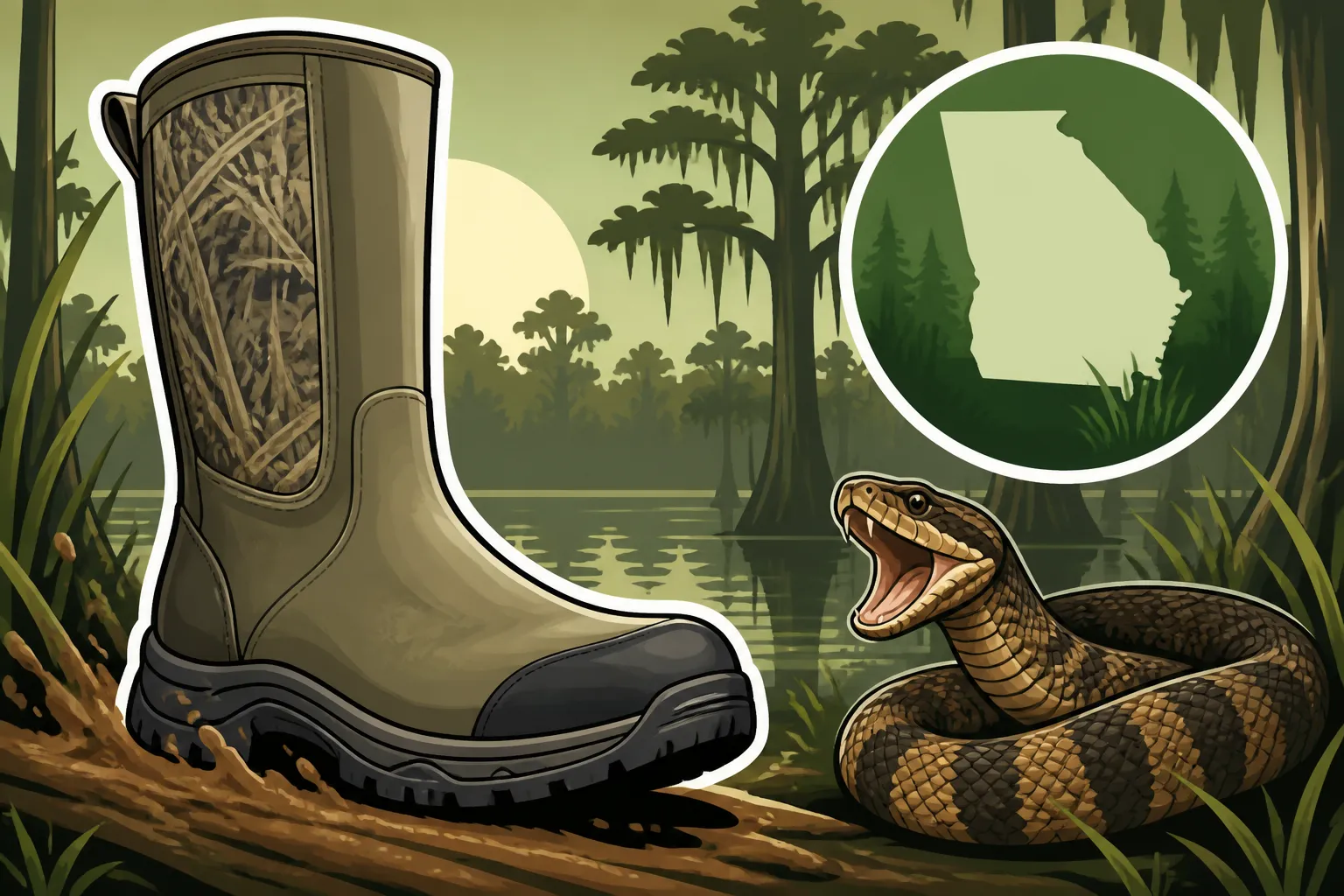
But when we talk about swamps and wet ground, two species immediately come to mind: the Copperhead and, perhaps most concerning for those wading through water, the Cottonmouth, also known as a Water Moccasin. These are ambush predators, often found coiled discreetly by water sources, under logs, or nestled in dense vegetation. They blend in so well with their surroundings that you can be within striking distance before you even realize they're there. Just imagine stepping into a cypress knee-filled slough, eyes on a distant rub line, and not knowing what might be hidden at your feet. That's why effective protection is non-negotiable. It's about respecting the wild and preparing for its inherent dangers. For a deeper dive into one of these specific threats, check out our piece on Georgia Cottonmouth Range in Swamp Country or Georgia Diamondback Rattlesnake Encounters Afield.
Beyond the Bite: Other Hazards of Swamp Hunting
While the venomous snake bite is the primary concern, snake boots aren't just one-trick ponies. Our swamp grounds and dense undergrowth throw a lot more than just snakes your way. Think about the thickets of blackberry brambles that tear at unprotected shins, or the insidious catbriers with their razor-sharp thorns that seem to grab hold of everything. You've got submerged branches, sharp cane reeds, and jagged roots waiting to scrape and cut.
Walking through these areas without robust leg protection is an exercise in painful futility. A good pair of snake boots offers an incredibly tough barrier not just against fangs, but also against all these other natural defenses the swamp throws at you. They keep your legs from getting torn to shreds, allowing you to focus on your hunt rather than wincing with every step. There's also the psychological factor: knowing your lower legs are encased in tough, protective material allows you to move with more confidence and less hesitation, especially when you're pushing through dense cover in pursuit of game or on a recovery mission. It truly adds to your overall comfort and effectiveness in the field.
What Makes a Good Snake Boot: Key Features to Look For
When you're shelling out your hard-earned cash for a piece of gear designed to protect you from something truly dangerous, you want to make sure it's up to the task. Not all snake boots are created equal, and understanding the core features will help you discern a reliable pair from one that might leave you feeling vulnerable. It's a blend of materials, construction, and design working together to create that impenetrable shield around your lower legs.
Materials and Construction: Your First Line of Defense
The heart of any snake boot lies in its materials and how they're put together. You're looking for something that can withstand the force of a snake strike. Common materials include thick, full-grain leather, heavy-duty Cordura nylon, tough synthetic blends, and pure rubber. Each has its strengths and weaknesses.
Thick leather boots offer excellent durability and can mold to your foot over time for custom comfort, but they can be heavier and may require more maintenance to stay waterproof. Cordura nylon and other synthetics often make for lighter, more breathable boots, but the quality of the weave and the underlying protective layers are paramount to ensure they are truly bite-proof. Rubber boots, often made with vulcanized rubber, provide superior waterproofing, making them ideal for truly wet environments, though they can be less breathable and sometimes feel bulkier. Regardless of the outer material, the key is the internal construction: multiple layers of puncture-resistant material that create a barrier no fang can penetrate. Look for boots with reinforced shanks for stability and durable stitching that won't give out after a few trips through the muck.
Height, Fit, and Comfort: All-Day Wear in Tough Terrain
Protection is useless if you can't wear the boots for an entire day of hunting, or if they don't cover enough of your leg. Snake boots need to be tall, typically at least 16 to 18 inches, extending well above your calf. This ensures that even if a snake strikes upwards, your lower leg is fully protected.
Beyond height, fit is absolutely critical. You'll be walking miles in these boots, often through uneven, muddy, or slippery terrain. A poorly fitting boot can lead to blisters, chafing, and general misery, distracting you from your hunt. Look for boots that offer good ankle support to prevent twists and turns, especially when navigating hidden roots or soft ground. While snake boots are inherently bulkier than regular hiking boots, modern designs have made significant strides in comfort. Many now incorporate breathable membranes to help manage moisture and heat, a welcome feature in Georgia's often-humid climate. Don't compromise on fit – try them on with your typical hunting socks and walk around the store to get a real feel for them. Your feet will thank you after a long day in the field, whether you're still-hunting the pines or posting a drive.
Traction and Outsoles: Navigating Slippery Swamp Ground
Georgia's swamp ground isn't just home to snakes; it's also a masterclass in slipperiness. Mud, wet leaves, slick roots, and submerged debris can turn a simple walk into an Olympic-level balance beam routine. This is where the outsole of your snake boot becomes vital. You need aggressive tread patterns that can dig in and provide grip.
Look for deep, multi-directional lugs that shed mud easily, preventing it from caking up and turning your boots into slick, heavy blocks. Self-cleaning sole designs are a huge bonus, as they prevent mud buildup during your walk. Some boots incorporate different rubber compounds for enhanced grip on various surfaces. A robust outsole also provides an additional layer of protection against sharp objects underfoot, like broken branches or rusty fence wire. Good traction isn't just about preventing a fall; it's about moving quietly and confidently, especially when you're trying to stalk that wary gobbler or slip through a thicket to cut off a deer. Whether you're navigating Hunting a Funnel Between Two Swamps or recovering a deer from a muddy river bottom, reliable traction is paramount.
Types of Snake Boots for the Georgia Hunter
Just like there are different hunting styles and preferences, there are various types of snake boots designed to meet specific needs. Understanding the distinctions between rubber and hybrid designs, as well as the different closure systems, will help you pinpoint the best option for your typical hunting scenarios in Georgia.
Rubber vs. Leather/Synthetic Hybrids
This is often the first major decision point for Georgia hunters considering snake boots.
Rubber Snake Boots
These are the undisputed champions when it comes to waterproofing. Made entirely or primarily of rubber, often with a neoprene core, they create an impenetrable barrier against water. If your hunting involves frequent wading through standing water, crossing shallow creeks, or slogging through true swamp ground, a full rubber boot is likely your best friend. Imagine Hunting Georgia Swamp and River Bottom Deer or even having to go in after a downed animal in the wettest conditions, like Recovering a Deer From a Cypress Swamp – rubber boots will keep your feet bone dry.
Pros:
- Unbeatable Waterproofing: Generally 100% waterproof, from sole to shaft.
- Easy to Clean: Mud, muck, and debris hose right off.
- Durable: Very resistant to punctures and abrasions from thorns and sharp objects.
- Affordable Options: Can sometimes be more budget-friendly than high-end hybrids.
Cons:
- Poor Breathability: They don't breathe well, leading to sweaty feet in warm weather, which is often the case during early archery season in Georgia.
- Heavier and Bulkier: Can feel cumbersome for long walks or mountain hunting.
- Less Flexible: Can be stiff, impacting walking comfort over varied terrain.
Leather/Synthetic Hybrid Snake Boots
These boots attempt to offer the best of both worlds, combining the snake protection with features for comfort and breathability more commonly found in traditional hiking or hunting boots. They often feature durable leather or tough synthetic panels (like Cordura nylon) in strategic areas, reinforced with internal layers of snake-proof material.
Pros:
- Improved Breathability: Often incorporate waterproof/breathable membranes, making them more comfortable in warmer, drier conditions.
- Lighter and More Flexible: Generally less bulky and easier to walk in for long distances.
- Better Foot Support: Can offer more ankle and arch support for varied terrain like Still-Hunting South Georgia Pine Flats or Hunting Piedmont Creek Bottom Funnels.
- Versatile: Suitable for a wider range of Georgia hunting environments, from the low country to the foothills.
Cons:
- Variable Waterproofing: While often water-resistant or even waterproof up to a point, they may not be as fully submersible as rubber boots, especially around seams and zippers.
- More Maintenance: Leather components will require cleaning and conditioning.
- Higher Price Point: High-quality hybrids can be a significant investment.
Zipper, Pull-On, or Lace-Up Styles
The closure system of your snake boot impacts convenience, fit, and potential vulnerabilities.
Pull-On Boots
These are generally rubber boots or some hybrid designs that simply pull on like a traditional wellington or cowboy boot. They offer the quickest on and off, which is great if you're frequently taking your boots off at camp or home.
Pros:
- Quick and Easy: No fuss, just pull them on.
- Fewer Failure Points: No zippers or laces to break or get clogged.
Cons:
- Less Secure Fit: Can be harder to get a truly snug fit around the ankle and calf, potentially leading to rubbing or feeling loose.
- Can Be Hard to Remove: Especially if your feet are sweaty or the boot gets suctioned in mud.
Zipper Boots
Many hybrid snake boots, and some rubber models, feature a full-length zipper up the side. This allows for easy entry and exit, and often a more secure fit than a pure pull-on.
Pros:
- Easy On/Off: Much easier to put on and take off than tight pull-ons.
- More Secure Fit: Zippers, often combined with a buckle or velcro strap at the top, can offer a better seal against debris.
Cons:
- Zipper Failure: Zippers can get jammed with mud, break, or wear out over time, compromising the boot's integrity.
- Potential Water Leakage: While often backed by a waterproof gusset, a zipper is inherently a seam and a potential point of water entry if submerged deeply or if the gusset fails.
Lace-Up Boots
These are almost exclusively hybrid designs, mimicking the fit and feel of a rugged hiking or mountaineering boot but with the added snake protection. They offer the most customizable and secure fit.
Pros:
- Most Secure Fit: Laces allow you to dial in the fit precisely around your foot and calf, providing excellent ankle support.
- Superior Comfort for Long Walks: The customizable fit generally translates to less rubbing and blistering.
Cons:
- Slowest On/Off: Lacing up and unlacing takes time, especially when boots are muddy.
- Mud and Debris: Laces can collect mud and debris, making them harder to manipulate.
- More Potential Failure Points: Laces can break, and eyelets can come loose.
Consider your priorities: convenience, waterproofness, and terrain will heavily influence which style is best suited for your Georgia hunting adventures.
Choosing the Right Snake Boots for Your Georgia Hunting Style
Deciding on the perfect pair of snake boots isn't a one-size-fits-all situation, especially in a state as geographically diverse as Georgia. Your choice should align closely with the types of terrain you frequent, the duration of your hunts, and, of course, your budget. It's about finding that sweet spot between maximum protection and practical comfort for your specific needs.
Scenario-Based Selection: From River Bottoms to Pine Flats
Think about where you typically spend your hunting time and what conditions you usually encounter. This mental exercise can really narrow down your options.
-
Deep Swamps and River Bottoms: If your heart truly lies in the thick, wet lowlands—areas like the Okefenokee fringe, the Altamaha River corridor, or any cypress-studded creek bottom—then uncompromising waterproofness should be your top priority. Full rubber snake boots are probably your best bet. They’ll keep your feet dry when you're wading through inches or even a foot of water, or trying to Recover a Deer From a Cypress Swamp. Breathability will be lower, but dry feet beat swamp foot any day when you're truly immersed in water. Their rugged construction also stands up well to the abrasive nature of cane and saw palmetto.
-
Mixed Terrain (Piedmont/Coastal Plain): For those who hunt areas with a mix of woodlands, planted pines, and occasional wet spots—places like the Piedmont or much of the Coastal Plain—a high-quality leather or synthetic hybrid snake boot might offer a better balance. These boots often provide superior comfort for long walks, which is crucial when you're covering ground in search of deer sign or still-hunting Still-Hunting South Georgia Pine Flats. The improved breathability will be a welcome relief during warm early-season hunts, and while they might not be fully submersible like rubber boots, many are water-resistant enough for passing through damp areas or shallow mud. Think about hunting a Hunting Piedmont Creek Bottom Funnels—you might encounter some dampness, but probably not sustained deep water.
-
Mountain Foothills: While the mountains of North Georgia have fewer venomous snakes than the low country, copperheads and rattlesnakes are still present. More importantly, these areas feature dense, thorny undergrowth and rugged, uneven terrain. Here, lighter, more flexible hybrid boots with excellent ankle support are often preferred. They'll protect you from thorny brush and offer stability on steep climbs and descents, all while keeping you protected from any unexpected snake encounters. For hunting in places like Hunting North Georgia Mountain Country, comfort and mobility over long distances become paramount, even with snake protection.
Budgeting for Protection: Investing in Peace of Mind
Let's face it, quality snake boots are an investment. They're often more expensive than your average pair of hunting boots because they incorporate specialized protective materials and robust construction. However, consider what you're investing in: your safety, your health, and your peace of mind. A snake bite isn't just a physical trauma; it's a medical emergency that can lead to significant expenses, lost time from work, and potentially long-term health issues.
It's tempting to try and save a few bucks, but this is one piece of gear where cutting corners isn't advisable. Look for reputable brands known for their snake protection, such as LaCrosse, Rocky, Irish Setter, and more niche companies that specialize in protective footwear. While you might not want to spend top dollar on every single item in your kit, think about the value proposition here. A good pair of snake boots will last for many seasons if cared for properly. Keep an eye out for sales, but prioritize proven protection over the cheapest price tag. When you're ready to research, resources like GoHunt can often provide detailed gear reviews and comparisons, helping you make an informed decision without the sales pressure.
Maintenance and Care: Extending the Life of Your Boots
Once you've made your investment, taking care of your snake boots is crucial to ensure they provide reliable protection for years to come. Neglect can lead to premature wear, material degradation, and ultimately, a compromised barrier.
- Cleaning is Key: After every hunt, especially if you've been in muddy or wet conditions, take the time to clean your boots. Use a hose or a stiff brush to remove all mud, dirt, and debris from the exterior and the sole. This prevents material breakdown and keeps the tread effective. For rubber boots, a simple rinse often suffices. For hybrids, pay attention to laces and seams.
- Proper Drying: Never store your boots wet. After cleaning, let them air dry completely. Avoid direct heat sources like fires, radiators, or direct sunlight, especially for rubber boots, as this can cause the material to crack and degrade. If the insides are damp, you can stuff them with newspaper to absorb moisture or use boot dryers designed for this purpose.
- Conditioning Leather: If your boots have leather components, periodically apply a leather conditioner to keep the material supple and prevent cracking. This also helps maintain its water resistance.
- Smart Storage: Store your boots in a cool, dry place away from direct sunlight. If possible, keep them upright to maintain their shape. For long-term storage, you can use boot trees or stuff them with newspaper to prevent them from collapsing and creasing.
By following these simple care steps, you’ll ensure your snake boots are always ready to protect you when you step into Georgia’s wilds.
Beyond the Boots: Comprehensive Snake Safety in Georgia
While snake boots are an absolute game-changer for protecting your lower legs, they're just one piece of the puzzle when it comes to staying safe from venomous snakes in Georgia. A truly comprehensive approach combines your protective gear with smart field habits and a clear understanding of what to do if the worst happens.
Situational Awareness and First Aid Basics
Your best defense against a snake bite, even with the best boots, is to avoid the encounter in the first place. This comes down to constant situational awareness, especially when you're moving through dense cover or areas known for snake activity.
- Watch Your Step and Reach: Always look where you're putting your feet, especially when stepping over logs, rocks, or through tall grass. If you're reaching into a brush pile or thicket for a retrieved bird or dropped gear, use a stick or your gun barrel to probe the area first. Snakes often hide in places where they feel secure and can ambush prey.
- Listen: Rattlesnakes, of course, give a clear warning, but not always. Don't rely solely on sound.
- Move Deliberately: Avoid sudden, reckless movements through dense areas. Giving snakes a chance to hear or feel your approach often encourages them to move away.
- First Aid Knowledge: While preventative measures are key, knowing basic first aid for a snake bite is crucial. The most important steps are to stay calm, immobilize the bitten limb (keep it at or below heart level if possible), and seek medical attention immediately. Do NOT try to cut the wound, suck out venom, apply a tourniquet, or use ice. These old wives' tales do more harm than good. Getting to a hospital for antivenom as quickly as possible is the only effective treatment. Make sure your hunting companions know this too, and carry a basic First Aid Kits for Remote Swamp Ground.
The Role of Other Gear in Prevention
Other elements of your hunting gear can subtly contribute to your overall snake safety, even if they aren't explicitly designed for it.
- Long Pants: Even when wearing snake boots, don't skimp on long pants. A thick pair of hunting pants or brush pants provides an extra layer of protection above the boot line and also helps guard against thorns and sharp vegetation. For more on comfortable apparel in our climate, check out Warm-Weather Clothing for Georgia Hunters.
- Headlamps for Night Exits: If you find yourself walking out of the woods after dark, a reliable headlamp is essential. But use it wisely: sweep the ground ahead of you with the beam, actively looking for reflections from snake eyes or the snakes themselves, which may be more active at night or seeking warm paved surfaces.
- Probing Sticks/Walking Sticks: A simple walking stick or even a sturdy branch can be used to tap ahead of you, disturbing snakes hidden in leaves or brush and giving them a chance to retreat.
- Insect Repellent: While not directly snake-related, effective Bug Repellent That Holds Up in a Tree Stand helps you focus on your surroundings rather than swatting mosquitoes, keeping your attention where it needs to be – on the ground.
- Mapping Apps and Scouting: Before you even step foot in the woods, thorough scouting and using mapping apps like those often integrated into GoHunt can help you identify potential high-risk areas (dense wetlands, rock outcroppings, known snake dens) and plan your routes to minimize exposure. Knowing the lay of the land, even from aerial photos, can significantly reduce your chances of a surprise encounter. Consider our guide on Scouting Georgia Public Land Before Season to prepare thoroughly.
Ultimately, hunting in Georgia’s beautiful, wild places means being prepared for all aspects of that wilderness. Equipping yourself with a reliable pair of snake boots and combining them with smart habits is a crucial step in ensuring your safety and allowing you to fully enjoy your time afield.
Disclaimer
This article is for general informational purposes only and does not constitute professional advice. Laws, prices and regulations vary by location and change over time. Consult a qualified professional for guidance on your specific situation.