Georgia’s Blaze Orange and Pink Options
Many of us have stood in front of our hunting clothes, especially when getting ready for deer season, wondering if we're wearing enough of that bright, unmistakable color. It’s easy to feel a bit confused with all the different rules about when you absolutely have to wear blaze orange, or now, blaze pink, and when you can get away with just camo. This guide is here to clear up that confusion, diving deep into Georgia's regulations for highly visible hunting apparel and helping you understand not just what to wear, but why it's so incredibly important for your safety and the safety of everyone else out there.
Understanding Georgia's Blaze Orange Requirements
When you’re out in the woods, especially during Georgia’s general firearms season, blending in is often the goal – unless we're talking about staying safe. That's where blaze orange comes in. It’s a color designed to make you stand out like a beacon, not to game animals, but to other human hunters. The regulations around blaze orange aren't just arbitrary rules; they're foundational elements of hunter safety, crafted to prevent tragic accidents in environments where visibility can be limited and adrenaline runs high. Ignoring these rules isn't just a legal risk; it’s a gamble with your own life and the lives of others.
Who Needs to Wear Blaze Orange?
The core requirement for blaze orange in Georgia primarily kicks in during firearms deer season, especially on public lands. If you're out there pursuing deer, bear, or feral hogs with a firearm, you need to be highly visible to your fellow hunters. This applies whether you’re still-hunting through a pine plantation, setting up on a Piedmont Field Edge, or participating in a deer drive with your hunting club. The idea is simple: if someone else is carrying a gun, they need to be able to clearly identify you as a human, not a game animal, before they even think about raising their weapon. This crucial rule extends beyond just deer hunters; anyone present in the hunting area during firearms season, even if they aren't actively hunting, often needs to comply. Think about someone scouting ahead of time, or simply hiking on a Wildlife Management Area (WMA) during open season – they need to be visible too. It's about creating a universally understood signal of "human presence" in areas where hunting activity is expected.
What Counts as "Blaze Orange" in Georgia?
Georgia's regulations are pretty specific, not just about when you wear blaze orange, but what actually qualifies. We're not talking about a faded orange t-shirt from a high school football game. The regulations typically specify a minimum amount of outer clothing that must be blaze orange, visible above the waist. This usually means a vest, jacket, or hat, but it's the amount of visible orange that truly matters. Generally, a minimum of 500 square inches of blaze orange, visible from all sides, is the standard. This isn't just a patch; it's significant coverage. You can't just tie an orange bandana around your neck and call it a day. The garment needs to be a solid, fluorescent orange color, not camouflage with orange accents. The material should also be durable and not easily concealed by movement or light brush. This strict definition ensures that the protective barrier of visibility is consistent across all hunters, minimizing ambiguity and maximizing safety.
Why is Blaze Orange So Crucial for Hunter Safety?
The single most compelling reason for blaze orange is accident prevention. Imagine walking through thick Georgia hardwoods at dawn, mist still clinging to the trees, visibility limited. Without blaze orange, another hunter might mistake movement or a silhouette for a deer, especially if they are looking for movement in low light. Studies have consistently shown that blaze orange significantly reduces the likelihood of "mistaken for game" accidents. Deer, it turns out, don’t see colors the way humans do; they primarily perceive shades of yellow, blue, and UV light. To a deer, blaze orange appears as a dull gray or brownish hue, allowing you to remain effectively camouflaged to your quarry while being brilliantly obvious to another person. This scientific understanding is why the color is so effective and why it's a non-negotiable part of safe hunting practices. It’s not about spooking deer; it’s about saving human lives.
The Introduction of Blaze Pink in Georgia
For decades, blaze orange was the undisputed king of hunter safety colors. It was a staple, almost a uniform, for anyone heading into the woods during firearms season. However, in recent years, a new contender has emerged, offering another option for hunters who want to prioritize safety while perhaps adding a touch of personal style: blaze pink. This addition wasn't just a whim; it was a carefully considered move, backed by research and legislative action, aimed at expanding options and potentially encouraging more participation in hunting.
When Did Blaze Pink Become Legal?
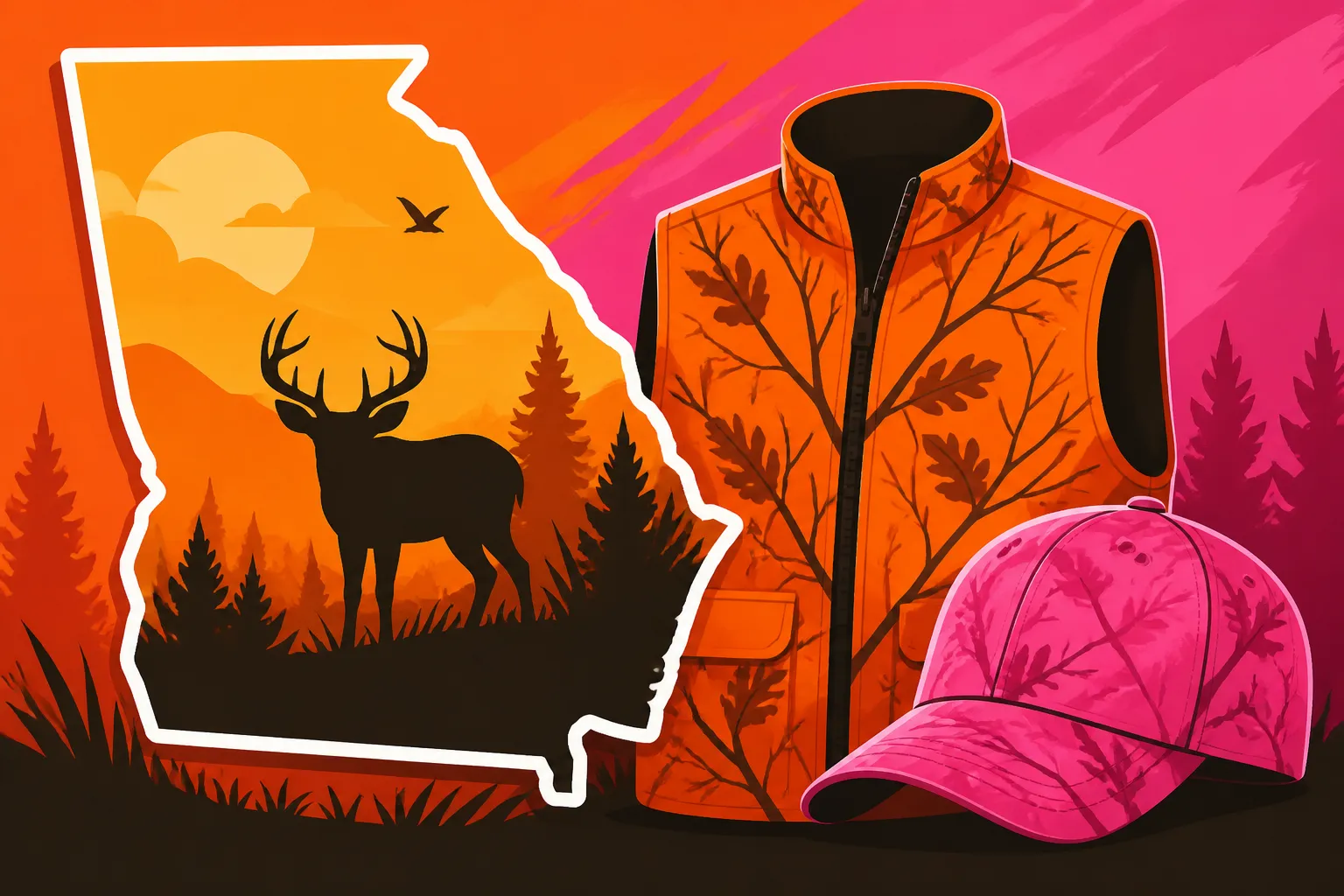
Georgia joined a growing number of states in recognizing blaze pink as an acceptable alternative to blaze orange for hunter safety. This shift typically comes through legislative changes, where lawmakers, often supported by wildlife agencies and hunter advocacy groups, review scientific data on visibility and make the necessary amendments to hunting regulations. The intent behind legalizing blaze pink was multifaceted: to provide hunters, particularly women, with more choices, and to leverage research suggesting that certain shades of pink can be just as, if not more, visible in certain natural light conditions as traditional blaze orange. This move was a sign of evolving hunting culture, acknowledging diversity while maintaining the paramount focus on safety.
Comparing Blaze Pink to Blaze Orange for Visibility
The scientific community has actually done some interesting work comparing the visibility of blaze pink and blaze orange. While both colors are highly effective at making hunters visible to other humans, there are subtle differences in how they perform under various light conditions and against different backgrounds. Some studies suggest that blaze pink, particularly specific fluorescent shades, can actually stand out more vividly against certain green and brown backdrops, especially in the fading light of dusk or the muted tones of dawn. This might be due to the way human eyes process certain wavelengths, or how the colors contrast with natural foliage. However, it's crucial to understand that both colors are proven to be highly effective. The choice often boils down to personal preference, as both meet the essential safety requirement of being unmistakably visible to other hunters. What matters is wearing something highly visible, rather than getting caught up in which specific shade is "better."
Practical Considerations for Wearing Blaze Pink
While blaze pink offers a fantastic alternative, there are a few practical aspects to consider. First, availability. While blaze orange gear is ubiquitous in virtually every hunting store and outdoor retailer, blaze pink might still be a bit harder to find in the same variety of garments and accessories. However, this is changing rapidly as more manufacturers embrace the color. When you're looking for new gear, whether it's blaze orange or pink, it's worth checking out resources like GoHunt for current product offerings and reviews, which can help you find high-quality, regulation-compliant options. Another consideration is acceptance within your hunting circle or community. While legally recognized, some traditionalists might still be getting used to seeing pink in the woods. Ultimately, the most important thing is your safety and compliance with the law. Choosing a blaze pink vest or hat is a perfectly valid and safe option.
Exemptions and Special Scenarios
While blaze orange and pink are critical during many Georgia hunting seasons, it's not a universal requirement for every type of hunt or every species. Knowing these specific exemptions is just as important as knowing the requirements, as it allows hunters to adapt their gear appropriately without compromising safety or legal compliance. Misunderstanding these nuances can lead to unnecessary hassle or, worse, safety risks.
Archery and Primitive Weapons Season Exceptions
This is where things can get a little less "blaze-y." During Georgia's early archery season, when only vertical bows or crossbows are allowed for deer, and often during the Primitive Weapons Hunting in Georgia season (which typically allows muzzleloaders, shotguns, and traditional bows), the requirement for blaze orange or pink is often relaxed or completely absent. The logic here is that these seasons precede the general firearms season, and the weapons used generally have shorter effective ranges, theoretically reducing the risk of distant mistaken-for-game incidents. However, even when not legally required, many seasoned hunters still choose to wear a minimal amount of blaze orange, perhaps just a hat, when moving through public lands, especially if they know other activities (like scouting or small game hunting) might be occurring. It's a personal safety choice that goes beyond the letter of the law. You might not need it for your hunt, but others may be out there, and being seen is always a good idea. For those participating in Bowhunting Georgia's Early Archery Season, stealth is often paramount, making the bright colors counterproductive to the hunting method, hence the exemption.
Turkey and Waterfowl Hunting Rules
When it comes to birds, the rules change significantly. For spring turkey hunting, wearing blaze orange or pink is generally not required, and in fact, would be highly detrimental to success. Turkeys have excellent color vision, and any splash of bright orange or pink would make you stick out like a sore thumb. The same applies to waterfowl hunting; ducks and geese possess superior color vision, and bright colors would immediately alert them to your presence. The goal in these hunts is maximum concealment. Therefore, hunters pursuing Spring Turkey Hunting in Georgia or engaging in Georgia Waterfowl Hunting on Coast and Swamp will be decked out in full camouflage, relying on blinds, natural cover, and careful movement to remain undetected. The emphasis shifts from being seen by humans to being invisible to sharp-eyed birds. It's a prime example of how specific game species and hunting methods dictate very different safety and concealment protocols.
Private Land Versus Public Land
Another crucial distinction often lies between hunting on private land versus public land, such as Wildlife Management Areas (WMAs) or National Forests. While state regulations regarding blaze orange and pink apply universally during designated firearms seasons, there can sometimes be subtle differences. On private land, landowners or hunting clubs might have their own specific rules or recommendations, which could be more stringent (e.g., requiring more visible orange than the state minimum) or sometimes slightly different. However, it's generally safe to assume that if the state requires blaze orange for a particular season and species, you should wear it, regardless of whether you're on private or public ground. On public lands, like those you'd find when Scouting Georgia Public Land Before Season, the regulations are strictly enforced to ensure the safety of a diverse group of users, not all of whom may be hunters. Always double-check the specific regulations for the WMA or National Forest you plan to visit, as they might have additional stipulations beyond the statewide minimums. For example, some WMAs might have specific dates when even archery hunters need to wear blaze orange if concurrent firearms seasons are open.
Choosing the Right Blaze Gear for Your Hunt
Selecting the right blaze orange or pink gear isn't just about meeting a legal requirement; it's about optimizing your comfort, safety, and overall hunting experience. Georgia's diverse climate and terrain mean that a one-size-fits-all approach rarely works perfectly. From stifling early season heat to crisp late-season chills, your gear needs to adapt, ensuring you stay visible without sacrificing function.
Vests, Hats, Jackets: Options and Their Pros/Cons
When it comes to blaze gear, you've got choices, and each comes with its own set of advantages and disadvantages.
- Vests: These are perhaps the most common choice. Lightweight and easy to throw over other layers, vests offer excellent core visibility. They're fantastic for milder weather or as an outer layer when you need the option to shed heavier coats. The downside? They don't offer much in the way of warmth or weather protection, and they can sometimes feel a bit bulky over heavy jackets. Look for vests with plenty of pockets for small essentials.
- Hats: A blaze orange or pink hat is often the minimum requirement and an easy way to meet basic visibility needs. It's crucial for visibility to other hunters, especially when you're sitting, walking through thick brush, or if your main garment gets obscured. However, a hat alone rarely meets the minimum square inch requirement for blaze orange in Georgia, so it's almost always an addition, not a sole solution.
- Jackets: For colder weather, a blaze orange or pink jacket can be a great all-in-one solution, providing warmth, weather protection, and full compliance. The main disadvantage is that they can be too warm for Georgia's often-mild firearms seasons, and you can't easily remove the blaze component if you need to switch to a non-blaze hunting scenario on the same trip.
- Safety Harnesses with Blaze Integration: Some manufacturers are now integrating blaze orange into safety harnesses, offering a convenient way to meet requirements, especially when in a tree stand. This can be a smart, streamlined option for those who prioritize safety from falls as much as visibility to other hunters.
The key is to choose gear that complements your other layers and the specific conditions of your hunt.
Maximizing Visibility in Different Terrains
Georgia's landscape is incredibly varied, from the dense undergrowth of the Piedmont to the open pine flats of South Georgia, and the rugged slopes of the North Georgia mountains. How you wear your blaze gear can impact its effectiveness.
- Dense Cover (Piedmont/Swamp): In areas with thick brush and dense timber, like those you might encounter when Hunting Georgia Swamp and River Bottom Deer, maximizing the amount of visible blaze is crucial. A full vest and hat are highly recommended. Ensure the material isn't easily snagged or torn, which could reduce its integrity. The goal is to present as large and clear a block of color as possible, cutting through the visual clutter of the woods.
- Open Areas (Pine Flats/Field Edges): While visibility is generally better in open spaces, longer shooting distances mean you still need to be easily identified. Here, a well-fitting jacket or vest that doesn't bunch up or get obscured is key. When Hunting a Standing Soybean Field or a cut cornfield, the uniform background allows the blaze color to truly pop.
- Mountain Terrain: On the steep slopes and rolling ridges of North Georgia, visibility can be tricky with changing elevations and varied cover. A bright hat is essential, as your body might be frequently obscured by terrain features. A vest or jacket that covers your torso and is visible from all angles is also vital. Consider how Wind and Thermals on a Mountain Ridge might carry sound or scent, but how visual identification must remain paramount. When hunting in areas that are not as flat as the coast, the angles of approach from other hunters can be more varied, emphasizing the need for 360-degree visibility.
Layering Strategies with Blaze Gear in Georgia's Climate
Georgia's weather can be notoriously unpredictable, especially during hunting season. You might start a morning hunt with freezing temperatures only to be sweating by midday. Your blaze gear needs to integrate seamlessly with your layering system.
- Warm Weather (Early Season): For early firearms season, or if you're dealing with warm-weather sitting strategy in a Georgia January, a lightweight blaze orange or pink mesh vest over a thin base layer is ideal. You want breathability to prevent overheating. Avoid heavy, insulated blaze garments if the forecast calls for warm temperatures.
- Cool to Cold Weather (Mid to Late Season): As the season progresses and temperatures drop, you'll be adding layers. Your blaze vest or jacket should be sized to fit comfortably over a fleece, a puffy jacket, or even waterproof outer shells. Some hunters opt for an outer blaze shell that is specifically designed to be waterproof and windproof, allowing them to layer insulation underneath.
- Rainy Conditions: A good waterproof blaze orange or pink rain shell is a game-changer. It keeps you dry and visible. Many companies offer lightweight, packable rain gear in blaze colors. The last thing you want is to be soaked and cold, potentially leading to hypothermia, while also being less visible due to a rain-darkened or mud-splattered garment.
Here's a quick comparison of common blaze gear options:
| Gear Type | Pros | Cons | Best Use Case |
|---|---|---|---|
| Blaze Vest | Lightweight, affordable, easy to layer, excellent core visibility. | No warmth/weather protection, can snag in thick brush, may not meet minimum square inches alone. | Mild weather, primary visibility over existing layers. |
| Blaze Hat | Simple, always visible headwear, good for movement and basic compliance. | Rarely meets full coverage requirement alone, easily removed. | Always wear as an addition, head/face visibility. |
| Blaze Jacket | Provides warmth, weather protection, and full coverage. | Can be too warm for mild days, less versatile for rapid layering changes, often more expensive. | Cold weather, dedicated outer layer for maximum coverage. |
| Integrated Harness | Streamlined, ensures visibility when in a tree stand, convenient. | Specific to tree stand hunting, not always suitable for ground hunting, limited standalone use. | Tree stand hunting, combines fall protection and visibility. |
Common Misconceptions and Best Practices
Despite the clear regulations and obvious safety benefits, there are still quite a few myths and misunderstandings floating around about blaze orange and pink. Dispelling these myths and reinforcing best practices is crucial for fostering a truly safe hunting culture in Georgia.
Debunking Myths About Blaze Colors and Deer
One of the most persistent myths is that blaze orange or pink spooks deer because they can see the color. This is simply not true. As mentioned earlier, deer vision is different from human vision. They are dichromatic, meaning they see in two primary colors, much like a red-green colorblind human. They lack the cones in their eyes that detect longer wavelengths, which are responsible for red and orange colors. To a deer, blaze orange or pink appears as a dull gray or brownish shade, which blends in with the natural background. What does spook deer is movement, scent, and sound. A hunter sitting still in blaze orange is far less likely to be detected by a deer than a hunter in full camouflage who is fidgeting, talking, or has a strong human scent. Don't let this old wives' tale stop you from wearing the necessary safety gear. It's truly designed to keep you safe from other hunters, not to give away your position to a trophy buck.
The Importance of High-Quality, Visible Gear
Not all blaze gear is created equal. Over time, cheap materials can fade due to sun exposure and washing, diminishing their visibility. A faded, dull orange or pink vest might meet the letter of the law, but it certainly doesn't offer the same level of protection as a vibrant, fresh garment. Investing in high-quality gear means it will hold its color longer, be more durable against the rigors of the field, and often offer better breathability and comfort. When scouting for new gear, I always recommend looking for reputable brands that specialize in hunting apparel. You can find excellent reviews and product information from sources like GoHunt, which can help you differentiate between gear that’s just "orange" and gear that’s truly designed for maximum safety and longevity. Think of your blaze gear as essential safety equipment, not just an accessory. It's worth ensuring it's in top condition before every hunt.
Beyond Legal Requirements: Proactive Safety Measures
While adhering to Georgia's blaze orange and pink regulations is a foundational step in hunter safety, true responsibility goes further. These colors are a visual cue, but they are just one piece of a larger safety puzzle. Proactive measures mean you're not just reacting to potential dangers, but actively working to prevent them.
- Positive Identification: Always, always identify your target and what lies beyond it. Never shoot at sound or movement. This is Hunter Education 101, and blaze colors reinforce the "don't shoot at orange/pink" rule, but it's still your responsibility to be 100% sure.
- Communication: If hunting with a group, establish clear communication protocols. Use two-way radios, or if you don't have them, agree on specific signals. Let others know your position, especially if you're moving. This is particularly vital during Deer Drives With Three or Four Hunters or when hunting in challenging terrain.
- Awareness of Surroundings: Be constantly aware of other hunters, hikers, or even landowners in the vicinity. Use tools like the Scouting With the Georgia Outdoors App or private land mapping services to understand property lines and potential public access points. Even when you're wearing blaze, others might not be, or might not be paying attention.
- Buddy System: When possible, hunt with a buddy, especially in remote areas. This isn't always feasible, but having someone else can greatly enhance safety.
- Checking Gear: Before every outing, inspect your blaze gear for fading, tears, or anything that might compromise its visibility. A torn vest or a faded hat should be replaced.
- Hunter Education: For new hunters, ensuring completion of Georgia Hunter Education Requirements is mandatory, but for seasoned hunters, a refresher course or simply reviewing the rules periodically can be very beneficial.
By embracing these best practices, you create a robust safety net that significantly reduces the risk of accidents and ensures everyone can enjoy Georgia's incredible hunting opportunities responsibly.
Disclaimer
This article is for general informational purposes only and does not constitute professional advice. Laws, prices and regulations vary by location and change over time. Consult a qualified professional for guidance on your specific situation.