Illuminated Reticles for Dark Timber
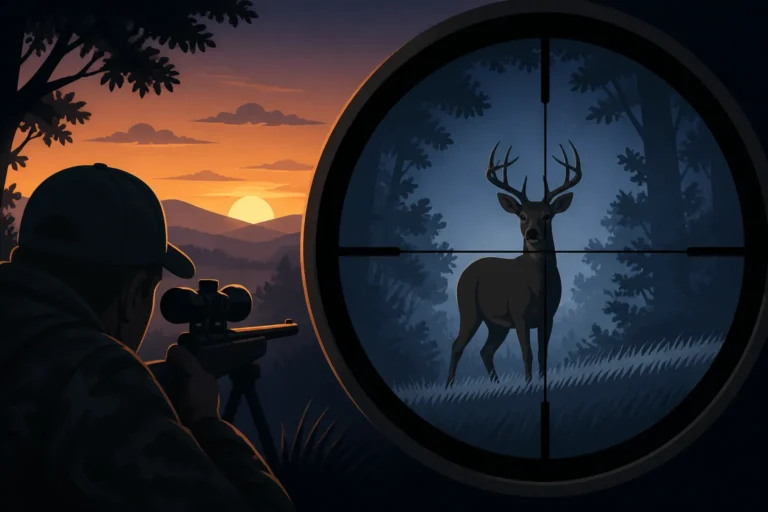
There's nothing quite as frustrating as having a trophy buck step out of a thicket in the last legal minutes of shooting light, only for your crosshairs to completely disappear against its dark hide or the shadows of the deep woods. Many Georgia hunters have faced this exact dilemma, struggling to get a clean shot when the conditions are less than ideal. This guide is dedicated to exploring how illuminated reticles can be a game-changer for those tricky low-light situations, helping you make confident, ethical shots even when Georgia's timber gets seriously dark.
The Challenge of Low Light in Georgia's Woods
Hunting in Georgia means navigating a diverse landscape, from the steep, heavily timbered slopes of the North Georgia mountains to the dense, shadowy river bottoms and pine thickets of the Coastal Plain. Each of these environments presents unique challenges, especially when the sun begins its descent or on overcast, rainy days.
When the Sun Dips Below the Ridge Line
Picture this: you've been patiently sitting in your stand all afternoon on a ridge in the Chattahoochee National Forest. The air is cooling, the woods are quieting, and then, just as the sun dips below the western ridge, a shift happens. What was bright and clear a moment ago becomes a maze of deepening shadows. That deer trail you’ve been watching suddenly looks like a dark tunnel. This rapid fading of light isn't just a nuisance; it's a critical factor in hunting success and ethical shot placement. The contrast that allows your eye to pick up a standard black reticle against a deer's body or the background timber quickly vanishes, making accurate aiming incredibly difficult. You might see the deer, but can you really see your aiming point? This is where many hunts end in regret, with a missed opportunity or, worse, an unsafe shot.
Dense Canopy and Shadowy Bottoms
Georgia is blessed with abundant timber, but that timber can be a hunter's worst enemy in terms of visibility. Whether you're tucked into a cypress swamp in the Okefenokee, still-hunting through a thick, unthinned pine plantation in South Georgia, or navigating the deep, dark creek bottoms of the Piedmont, you're constantly fighting against a lack of natural light. These areas act like giant umbrellas, filtering out sunlight even on the brightest days. The result is a perpetually dim environment where deer often feel safest and move most freely. Traditional fine crosshairs, designed for precise long-range shooting in open country, simply vanish in these conditions. They might blend right into the dark bark of a pine, the shadows cast by palmetto thickets, or the deep brown of a deer's coat. This struggle is real, and it can make an otherwise perfect shot setup turn into a moment of pure frustration. Consider how often you're hunting in places like those described in Hunting Georgia Swamp and River Bottom Deer or deep in the Chattahoochee-Oconee National Forest Hunting.
Traditional Reticles and Their Limitations
For generations, hunters relied on simple, black crosshairs – a duplex, a fine crosshair, or perhaps a heavier German post. These reticles are robust, reliable, and don't require batteries. They work brilliantly in good light and against contrasting backgrounds. However, their major drawback emerges when light levels drop or backgrounds become uniformly dark. Imagine trying to place a black pencil tip precisely on a black piece of paper in a dimly lit room. That's essentially what happens with a traditional reticle in dark timber. The reticle disappears, making it impossible to confidently align your shot. This isn't about being unable to see the target; it's about not being able to see your aiming point on the target. This limitation can drastically shorten your effective shooting window, especially during those prime hunting hours just after dawn and before dusk when deer are most active.
Understanding Illuminated Reticles
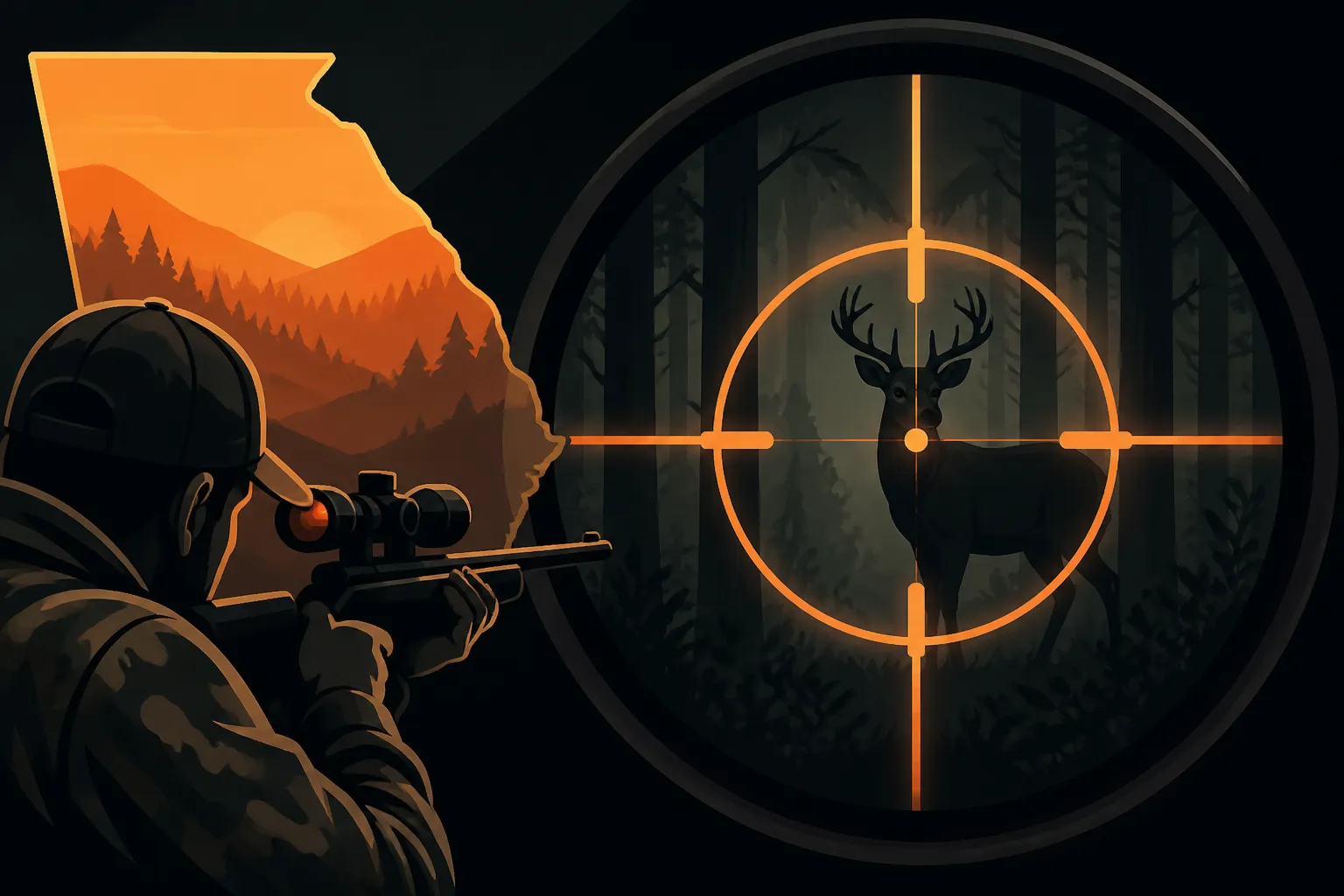
Illuminated reticles have become increasingly popular for a very good reason: they address the core problem of low-light visibility head-on. By providing a self-luminous aiming point, they ensure you can always see where you're aiming, regardless of the ambient light or the color of your target.
How They Work: The Science of Seeing Red (or Green)
At its heart, an illuminated reticle uses a small light source, typically an LED, to project light onto or through specific parts of the reticle. This light makes the reticle glow, usually in red or green, making it stand out vividly against any background. The intensity of this illumination is almost always adjustable, allowing you to dial it up for bright daylight or down to a subtle glow for deep twilight. This adjustability is key; too bright and it can wash out your target, too dim and it won't be effective. The most common colors, red and green, are chosen because of how the human eye perceives them. Red is generally less disruptive to night vision and is often preferred for very low-light conditions. Green, on the other hand, can be perceived as brighter by the human eye during transitional light, offering a sharp contrast. Scopes like those you might explore through a platform like GoHunt often come with a wide range of illumination settings, giving you total control over how your reticle appears.
Types of Illumination and Coverage
Not all illuminated reticles are created equal. The illumination can be applied in various ways, each with its own advantages:
- Illuminated Dot: This is perhaps the simplest form, where only a small dot at the center of the crosshairs is illuminated. It's incredibly fast for target acquisition and doesn't obscure much of the target.
- Partial Illumination: Some reticles illuminate only a portion of the crosshairs, such as the inner sections of the horizontal and vertical lines, or a specific aiming point within a more complex reticle. This provides more aiming information than just a dot but keeps the outer portions black for use in good light.
- Full Reticle Illumination: In some cases, the entire reticle, including complex BDC (Bullet Drop Compensator) lines or ranging stadia, can be illuminated. While this offers the most comprehensive visible information, it can sometimes be distracting if not dialed down appropriately.
The choice often depends on your primary hunting style and the specific type of game you're after. For quick, close-range shots in thick cover, a simple illuminated dot or partial crosshair might be ideal. For longer shots where more holdover points are needed, a partially illuminated BDC reticle could be beneficial, ensuring you can still use those references in dim light. Regardless of the type, the goal is always to provide a clear, visible aiming point without overwhelming your field of view.
Battery Life and Reliability in the Field
One of the most common concerns about illuminated reticles is battery life and overall reliability. It's a valid worry – no one wants their reticle to die when a prime opportunity presents itself. Modern illuminated reticles are incredibly efficient, with batteries often lasting hundreds, if not thousands, of hours on lower settings. Many scopes also feature auto-off functions that shut down the illumination after a period of inactivity to conserve power.
However, battery life is still a finite resource. It's crucial to always carry spare batteries in your pack. Before every hunt, especially before an extended trip into a remote area, check your battery. Cold weather can also impact battery performance, causing them to drain faster. Most high-quality scopes with illuminated reticles also feature an etched, traditional black reticle that remains visible even if the illumination fails. This provides a crucial backup, ensuring you're never completely without an aiming point. Think of it like carrying a backup flashlight when Blood Trailing After Dark in Georgia. It's better to have it and not need it than to need it and not have it.
Practical Advantages for Georgia Hunters
For hunters specifically navigating the varied and often challenging terrain of Georgia, an illuminated reticle offers several distinct practical advantages that can significantly increase your success rate and confidence in the field.
Enhanced Target Acquisition in Thick Cover
Imagine you're hunting a dense pine plantation in South Georgia, where deer love to bed down in the thick undergrowth. It's the kind of place where a deer can materialize out of nowhere, offering only a brief window for a shot before it vanishes again. In these scenarios, speed and precision are paramount. An illuminated reticle, with its bright, distinct aiming point, allows for incredibly fast target acquisition. Instead of searching for your black crosshairs against the shadowy backdrop of pines or the dark hide of a deer, your eye is immediately drawn to the illuminated dot or crosshair. This instant visibility helps you quickly center your aim, reducing the time spent fumbling with your sight picture and increasing your chances of making a clean shot. This advantage is particularly noticeable when you're targeting elusive game like Feral Hog Hunting Year-Round in Georgia at dusk or dawn when they're most active.
Precision in Transitional Light Conditions
Georgia's hunting seasons often stretch into the late fall and early winter, where daylight hours are shorter and the sun sits lower in the sky. During these times, the "golden hours" of dawn and dusk, when game animals are most active, often present the most challenging light conditions. A traditional scope can perform admirably in full daylight, but it's during those critical first and last minutes of legal shooting light that an illuminated reticle truly shines.
Consider a scenario where you're sitting on a field edge, and a deer steps out just as the last hints of legal light are fading. Your eye can still clearly make out the deer, but your traditional black reticle is a faint ghost against the tree line behind it. With an illuminated reticle, you can dial in just the right amount of illumination to create a crisp, visible aiming point without over-brightening and washing out the target. This capability extends your effective hunting window, allowing you to confidently take shots that would be impossible or unethical with a non-illuminated scope. This is crucial for hunters who want to maximize their time afield during periods like Hunting the Rut in Mid-October when big bucks are on the move during low light.
Versatility for Different Game and Habitats
The beauty of an illuminated reticle is its adaptability across a wide range of Georgia's hunting pursuits and habitats. It’s not just for deer in deep woods.
Consider these applications:
- Deer Hunting: From the mountain ridges of North Georgia where shadows fall quickly to the thick river bottoms where light rarely penetrates, an illuminated reticle ensures you can aim confidently at a deer, even if it steps into a particularly dark patch of timber. You might also find it helpful when Hunting a Green Field Planted for Deer as evening sets in.
- Hog Hunting: Feral hogs are notorious for their nocturnal habits and often move during the dimmest parts of the day. Whether you're hunting them during legal hours at dawn or dusk, or even using a thermal scope for night hunting (where a visible reticle is paramount), illumination is a huge benefit. Being able to quickly acquire a dark hog against an equally dark background can make all the difference.
- Bear Hunting: In Georgia's three bear zones, particularly the dense mountain regions, you'll often be hunting in extremely thick cover where bears blend in perfectly. A visible aiming point is critical for making a precise shot on these large, tough animals. Hunting Bears Over Natural Food in the Mountains often puts you in very heavy cover where light is limited.
Using a good mapping tool or app like those offered by GoHunt can help you identify these specific dark timber areas during scouting. You can mark potential stand sites in dense creek bottoms or thick pine blocks, knowing that your illuminated reticle will give you an edge when the time comes. This kind of thoughtful preparation, combining advanced optics with good scouting, is what separates successful hunters.
Choosing and Using Your Illuminated Reticle Scope
Selecting the right illuminated reticle scope and mastering its use is key to fully leveraging its advantages in the field. It’s more than just slapping it on your rifle; it’s about understanding its features and integrating it into your hunting routine.
Key Features to Look For
When you're sifting through the many options available, keep these features in mind, especially for Georgia's unique hunting environment:
- Variable Brightness Settings: This is non-negotiable. You need a wide range of settings to adapt to different light conditions, from bright midday to the darkest twilight. Some scopes offer very fine adjustments, allowing you to perfectly match the reticle brightness to the ambient light without it being too dim or too overpowering.
- Auto-Off Feature: A scope that automatically shuts off its illumination after a period of inactivity is a lifesaver for battery longevity. Forgetting to turn off your reticle can mean a dead battery when you need it most.
- Reticle Pattern: Decide if a simple illuminated dot, a partially illuminated crosshair, or a fully illuminated complex reticle suits your hunting style best. For quick shots in thick timber, a simple, uncluttered illuminated dot or partial crosshair is often preferred.
- Daylight Brightness: Can the reticle be cranked up bright enough to be clearly visible in full daylight? While its primary benefit is low light, being able to see it in bright conditions is a bonus for versatility.
- Battery Type and Availability: Check the battery type the scope uses. Common, readily available batteries are always a plus. Consider how many spare batteries you can easily carry in your Packs for a Day on Public Land.
- Objective Lens Size: While an illuminated reticle helps with visibility, a larger objective lens (e.g., 40mm, 44mm, 50mm) will gather more ambient light, further enhancing your overall sight picture in low-light conditions. This is a critical factor addressed when discussing Rifle Scopes for Low-Light Swamp Edges.
Practice Makes Perfect: Dialing In Your Illumination
Having an illuminated reticle scope is only half the battle; knowing how to use it effectively is the other. The key is practice, and not just at the shooting range in broad daylight. You need to practice in conditions that mimic the low light you'll encounter in the field.
- Varying Light Conditions: Take your rifle and scope out at dawn, dusk, and on heavily overcast days. Experiment with different brightness settings. What looks good in full daylight will likely be too bright at twilight, and what looks good in twilight will be invisible in daylight.
- Target Contrast: Practice shooting at targets placed against dark backgrounds, such as a wooded edge, a shadowed ditch, or a dark-colored hog target. This will simulate a real hunting scenario.
- Quick Acquisition Drills: Practice shouldering your rifle and acquiring the target quickly, focusing on how easily your eye picks up the illuminated reticle. This helps build muscle memory for those fleeting opportunities.
Getting comfortable with your illuminated reticle, understanding its capabilities, and knowing which setting works best for different scenarios will build your confidence. You want to instinctively know what setting to use without fumbling when that critical moment arrives. Just like patterning your turkey gun, it takes dedicated effort to truly master your gear.
Maintenance and Best Practices
Just like any piece of valuable hunting gear, your illuminated reticle scope requires proper care to ensure it performs flawlessly when you need it most.
- Battery Management: Always check your battery before a hunt. Carry at least one, preferably two, spare batteries in your hunting pack. Consider marking the date on your batteries when you replace them.
- Lens Care: Georgia's humidity and occasional rain can quickly fog or dirty your lenses. Keep a high-quality lens cloth and cleaner with you. Clear glass is essential for maximizing light transmission, which works in conjunction with your illuminated reticle. This is particularly relevant when considering Low-Light Performance in a Scope.
- Weather Protection: Protect your scope from rain and moisture with scope caps or covers when not actively shooting. While modern scopes are often waterproof, preventing water from sitting on lenses or around turrets prolongs their life.
- Storage: When storing your rifle, turn off the illumination. If your scope doesn't have an auto-off feature, you might even consider removing the battery for long-term storage to prevent corrosion, especially in a humid climate.
By following these best practices, you ensure your illuminated reticle scope remains a reliable tool, ready to perform in the darkest timber or the dimmest light, giving you the edge you need for a successful Georgia hunt.
Here's a quick comparison of common illuminated reticle types:
| Reticle Type | Description | Ideal Use Case | Pros | Cons |
|---|---|---|---|---|
| Illuminated Dot | Only a small dot at the center of the crosshairs lights up. | Fast target acquisition, thick brush, close to medium range. | Very quick to acquire, minimal target obstruction. | Provides less holdover information. |
| Partial Illumination | Inner sections of crosshairs (e.g., central cross) are illuminated. | Versatile for various ranges and conditions, good balance of speed and precision. | Good aiming reference, useful for holdover in low light. | Can still be too busy for some, less intuitive than a simple dot. |
| Full Illumination | The entire reticle, including complex patterns (BDC, ranging), lights up. | Long-range precision, complex holdover needs, open country. | Comprehensive information visible in low light. | Can be distracting, potential for "Christmas tree effect" if too bright. |
| Fiber Optic Illumination | Uses fiber optics for bright, battery-free daytime illumination. | Daylight hunting primarily, fast acquisition, always on. | Extremely bright in daylight, no batteries needed for daytime. | Often limited low-light/night performance, can wash out in direct sun. |
This article is for general informational purposes only and does not constitute professional advice. Laws, prices and regulations vary by location and change over time. Consult a qualified professional for guidance on your specific situation.