Georgia Archery Season Opening Day
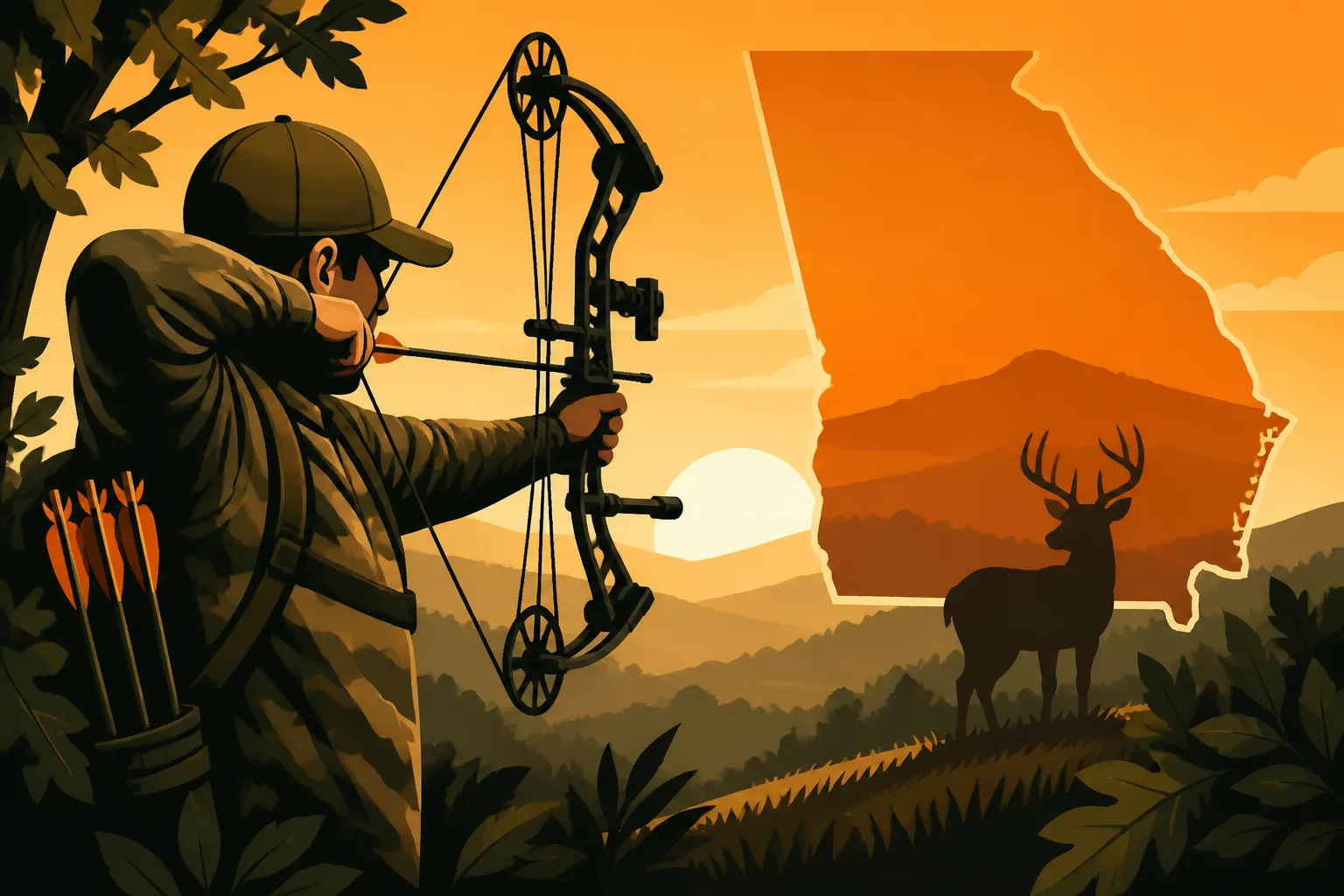
That crisp morning air, the distant sound of an owl, and the quiet rustle of leaves underfoot – there’s nothing quite like the start of Georgia’s archery season. For many of us, it’s a moment we’ve been looking forward to all year, a chance to get back into the woods and chase those elusive whitetails before the crowds and the crack of rifles arrive. But getting it right on opening day requires more than just enthusiasm; it means understanding the regulations, having your gear dialed in, and knowing how to adapt to early-season conditions. This guide is all about helping you navigate the excitement and challenges of Georgia's archery season opening day, setting you up for a successful and enjoyable hunt.
Understanding Georgia's Archery Season Opening Day
The opening day of Georgia's archery season is a significant date on every bowhunter's calendar, marking the true beginning of deer hunting across the state. Unlike other seasons, archery offers a unique challenge and a tranquil experience, often taking place when temperatures are still quite warm. This early start gives bowhunters an exclusive window before primitive weapons and firearms seasons kick off, allowing for different strategies and less pressured deer, at least for a little while.
Key Dates and Statewide Regulations
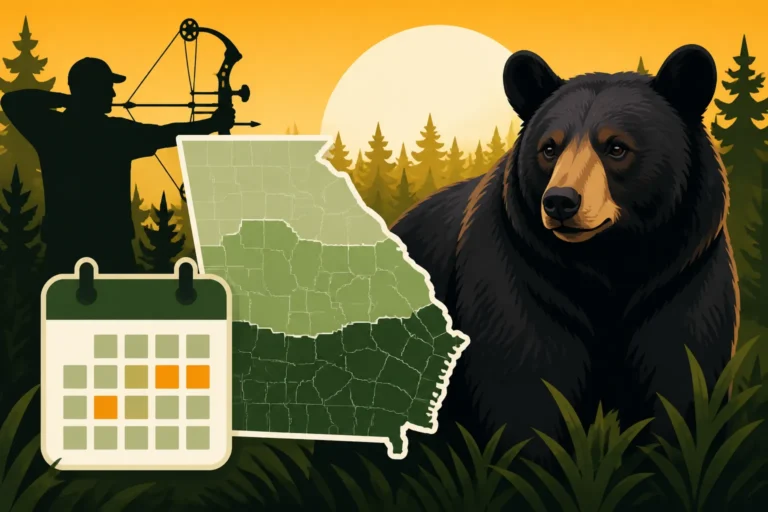
Georgia's archery season typically kicks off in early to mid-September, with specific dates varying slightly year to year but generally consistent. It's crucial to check the Georgia Department of Natural Resources (DNR) Wildlife Resources Division (WRD) hunting regulations guide each year for the precise dates. This season typically runs for several weeks, encompassing both September and most of October, giving bowhunters ample opportunity. For detailed breakdowns of all the season segments, you might want to look at our guide on Georgia Archery Season Dates.
During this period, hunters can pursue white-tailed deer using traditional bows, compound bows, and crossbows. Yes, crossbows are legal throughout the entire archery season in Georgia, which is a real bonus for many hunters, especially those with physical limitations or newcomers to bowhunting. You can read more about the specifics in our comparison of Crossbow Versus Vertical Bow in Georgia. The statewide bag limit applies, which means hunters can generally harvest up to ten antlerless deer and a maximum of two antlered bucks. Always remember that one of those antlered bucks must have at least four points, one inch or longer, on one side, or a 15-inch main beam length on one side. It’s all about promoting a healthy deer herd, which we can all appreciate.
Regional Variations and Special Opportunities
While the core archery season dates are statewide, it's worth noting that some specific Wildlife Management Areas (WMAs) or federal lands might have slightly different opening dates or special quota hunts. For instance, areas within the Chattahoochee National Forest might have specific regulations that differ from private land. Always consult the WMA regulations for the specific property you plan to hunt. Additionally, there are often special youth deer hunting opportunities, such as the Georgia Youth Deer Weekend, which might overlap with the archery season or offer youth-only archery days, fostering the next generation of hunters.
For those looking to explore different areas, Georgia’s diverse landscape offers unique bowhunting challenges. From the steep ridges of the North Georgia Mountains, where deer sign can be subtle, to the vast pine plantations and swampy bottoms of the Coastal Plain, each region presents distinct opportunities and requires tailored approaches. Tools like the GoHunt app can be incredibly useful for scouting these varied terrains, helping you pinpoint property lines, identify potential bedding areas, and understand public land access.
Essential Licenses and Hunter Education
Before you even think about pulling back a string on opening day, you absolutely need to make sure your legal ducks are in a row. Nothing ruins a hunt faster than realizing you’re not properly licensed, and the Georgia DNR takes licensing and hunter education seriously for good reason. It’s about conservation, safety, and ensuring sustainable hunting for everyone.
Acquiring Your Georgia Hunting License
To hunt deer in Georgia, all hunters (unless specifically exempt) must possess a valid Georgia hunting license. For resident hunters, there are a few options. A basic hunting license will cover you, but many savvy hunters opt for a "Sportsman's License" or a "Lifetime License" which bundle various privileges, including big game, into one convenient package. These comprehensive licenses often save money in the long run and streamline the process. You can find all the details on Georgia Resident Hunting License Options or check out Georgia Hunting Licenses and What They Cost for a full breakdown. Non-residents also have several options, from annual licenses to shorter-term permits, tailored to their hunting plans.
The easiest way to get your license is online through the Georgia Wildlife Resources Division's Go Outdoors Georgia website. You can also purchase them from license vendors throughout the state, often at sporting goods stores or bait shops. Make sure you also have your Big Game License privileges, which are usually included with Sportsman's Licenses but might need to be added to a basic hunting license. Don't forget that if you plan to hunt any migratory birds (like doves, which often overlap with early archery season), you'll also need a Georgia Migratory Bird Stamp and HIP certification. The GoHunt app also provides quick access to license purchasing and digital storage, making it super convenient.
Hunter Education Requirements
If you were born on or after January 1, 1961, you are required to complete a hunter education course to hunt in Georgia. This is a crucial safety measure designed to ensure hunters understand firearms safety, wildlife conservation, and ethical hunting practices. There are exceptions, of course, such as those holding an Apprentice Hunter License, which allows you to hunt under the direct supervision of a licensed adult. However, for most, that hunter education card is a must-have. You can find more information about these requirements in our guide on Georgia Hunter Education Requirements.
These courses are available both online and in person, with the in-person courses offering valuable hands-on experience. Even if you're an experienced hunter from another state, if you meet the age requirement, you'll need to either have a hunter education certificate from your home state that Georgia recognizes or take the Georgia course. Always carry proof of your hunter education completion, either a physical card or a digital copy on your phone, along with your hunting license. It's best practice to keep everything accessible, perhaps even in the GoHunt app for quick retrieval, especially when out in the field.
Tactics for Opening Day Success
Opening day is often characterized by a specific set of challenges and opportunities. The deer haven't been pressured yet, but the weather can be a real factor, and their patterns might still be heavily influenced by summer habits. Adapting your tactics to these early-season conditions is key to putting yourself in a position for a shot.
Dealing with Early Season Warmth and Bugs
One of the biggest hurdles for Georgia's early archery season is the heat. September can still feel like deep summer, with temperatures often climbing into the 80s or even 90s, especially in South Georgia. This heat means deer are often less active during midday, typically moving more at dawn and dusk. For you, it means lighter clothing, plenty of hydration, and being acutely aware of scent control. Deer are super sensitive to smell, and in warm weather, our human odor spreads much more easily. Using scent-eliminating sprays, washing clothes in scent-free detergent, and taking a scent-free shower before heading out are non-negotiables. Check out our advice on Warm-Weather Clothing for Georgia Hunters for more tips on staying comfortable.
And then there are the bugs. Oh, the glorious, bloodthirsty Georgia bugs! Mosquitoes, gnats, and ticks are out in full force in September, particularly in swampy areas or dense cover. Bug spray with DEET or picaridin is your best friend. Permethrin-treated clothing is also highly recommended for an extra layer of defense against ticks. If you're going to be sitting in a ground blind or stand for extended periods, a Thermacell device can be a game-changer, creating a personal bug-free zone. Without proper bug protection, a beautiful morning hunt can quickly turn into an itchy nightmare. We dive deeper into this topic in Bug Protection for Early Archery Season.
Scouting and Stand Placement Strategies
Effective scouting is the bedrock of opening day success. Even if you've hunted a spot for years, deer patterns can change annually based on food sources, water availability, and pressure. Leading up to opening day, focus on finding fresh sign: rubs, scrapes, and most importantly, primary food sources. In September, deer are often still on summer feeding patterns, hitting agricultural fields (like soybeans or peanuts), natural browse, and early-dropping acorns. White oaks are often the first to drop, and finding a hot white oak grove can be an archery goldmine.
When placing your stand, consider the wind direction for both your entry and exit, and how it will affect your scent cone. For early season, focusing on transition areas between bedding and feeding, or along well-used trails to water sources, can be highly productive. Since deer movement is often concentrated during low light, setting up on the edge of a field they're actively feeding in, or along a travel corridor to that field, makes a lot of sense. Don't be afraid to use trail cameras to confirm movement patterns and times leading up to the season. Apps like GoHunt are invaluable for pre-season scouting, allowing you to mark potential stand sites, track deer movement, and analyze terrain features from your couch. This kind of diligent preparation is covered in detail in Scouting Georgia Public Land Before Season. For specific advice on setting up your elevated position, you might want to review Treestand Setups in North Georgia Mountains.
Here's a quick look at typical early-season deer behavior and your tactical responses:
| Deer Behavior Trait | Early Archery Season Observation | Tactical Adjustment |
|---|---|---|
| Activity Levels | Primarily nocturnal or crepuscular (dawn/dusk). | Hunt early morning and late evening. Avoid midday sits. |
| Food Sources | Often still on agricultural fields, soft mast (berries), early acorns (white oaks). | Focus scouting on these food sources and nearby travel corridors. |
| Water Needs | High due to heat. | Set up near water sources or transition routes to them. |
| Bedding Habits | Thick, cool cover near food and water. | Identify thickets, swamps, or north-facing slopes for bedding areas and hunt downwind. |
| Pressure | Low pressure initially, increasing slightly. | Utilize this quiet period to target less wary deer; focus on silent entry/exit. |
| Scent | High humidity and heat amplify human odor. | Aggressive scent control (sprays, washes, cover scents) is paramount. |
Practical Considerations for Opening Day
Beyond the tactical hunting elements, there are a number of practical considerations that can make or break your opening day experience. From being ready to process your harvest in warm weather to understanding local property laws, these details ensure a smooth and responsible hunt.
Game Retrieval and Processing in Warm Weather
One of the most critical aspects of opening day, especially given the typically warm September temperatures, is the efficient retrieval and processing of your harvested deer. Unlike the colder months, venison can spoil quickly if not handled properly. As soon as you make a shot, give the deer enough time to expire, but don't delay too long in tracking. Once found, field dressing needs to happen immediately to help the carcass cool down. Remove all organs, and if possible, prop open the cavity to allow air circulation. You can also place bags of ice in the cavity for transport if you're close to a cooler. Our detailed guide on Field Dressing a Deer in Warm Weather provides comprehensive steps to ensure your hard-earned venison doesn't go to waste.
Consider your exit strategy for getting the deer out of the woods. A deer cart can be a lifesaver in flat terrain, but in mountainous or swampy areas, you might need to bone out the deer in the field to make it manageable. Have your coolers ready with plenty of ice back at the truck or camp. The quicker you can get that meat on ice, the better the quality of your venison will be.
Public Land Etiquette and Safety
Many Georgia hunters, particularly those without access to private land, rely heavily on the state's extensive public lands, including Wildlife Management Areas (WMAs) and the Chattahoochee-Oconee National Forest. While these areas offer fantastic opportunities, they also require a heightened sense of awareness and adherence to etiquette. Expect to encounter other hunters on opening day, especially on easily accessible public tracts. Being courteous and respectful of others' space is paramount. Arrive early to your chosen spot, but be prepared to adjust if someone else is already there.
Safety, as always, is non-negotiable. Even though archery season doesn't require blaze orange, it's never a bad idea to wear a vest or hat when walking in or out, especially in low light, if you're concerned about other archery hunters. Always inspect your treestand and safety harness before each use, and make sure someone knows where you are hunting and when you expect to return. Being familiar with the layout of the WMA or National Forest via a map or a GPS app like GoHunt can prevent you from getting lost or inadvertently trespassing. Remember, the goal is a safe and enjoyable experience for everyone out there, and that starts with understanding and respecting the rules and your fellow hunters. This foundational understanding ties into the broader subject of Georgia Deer Season Structure Explained, which governs how all hunting seasons operate within the state.
Disclaimer
The information provided in this article is for general guidance and informational purposes only. Hunting regulations in Georgia are subject to change, and it is the hunter's responsibility to consult the most current Georgia Department of Natural Resources (DNR) Wildlife Resources Division (WRD) regulations prior to engaging in any hunting activities. Always prioritize safety and ethical hunting practices.