Insulated Boots for a Georgia January
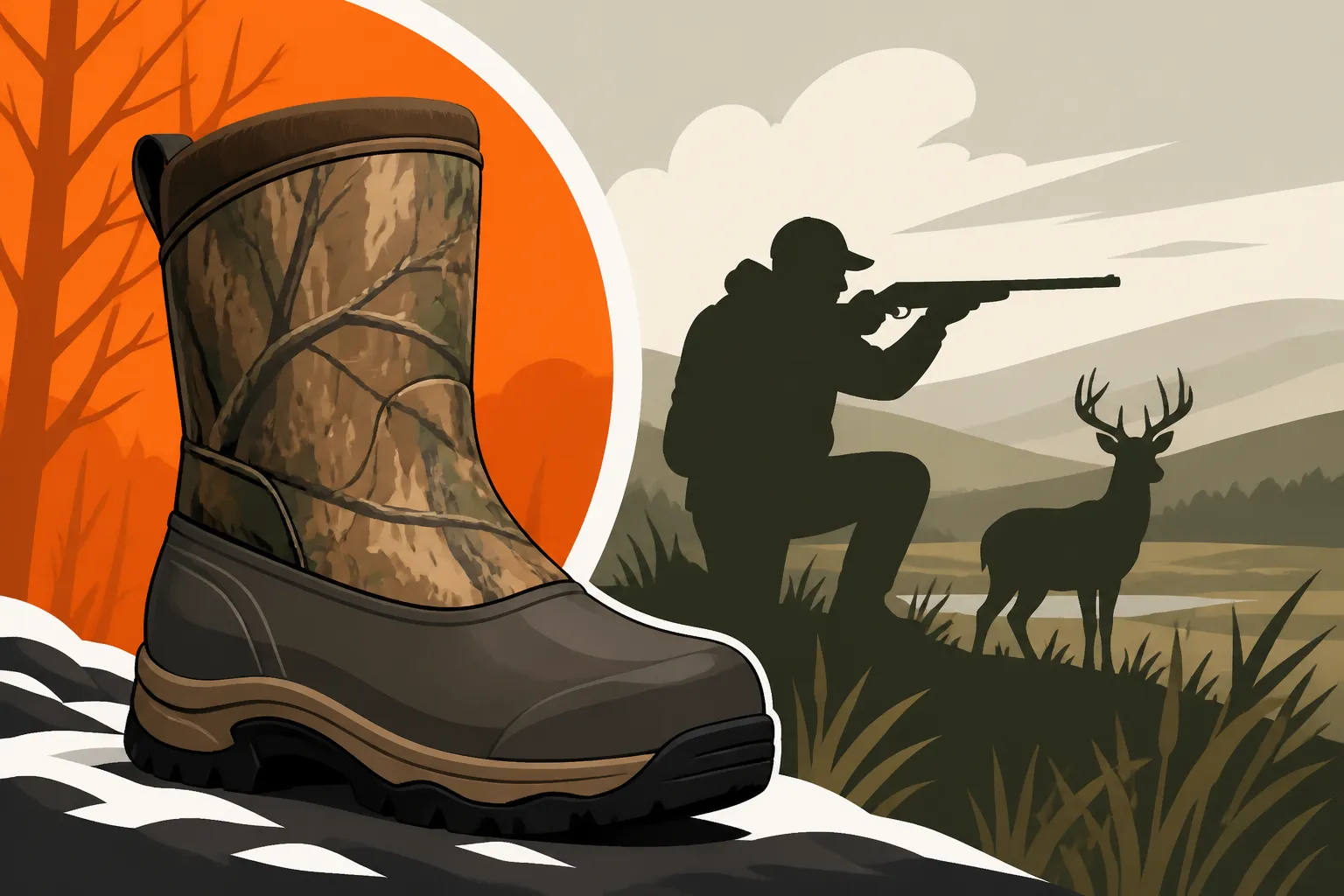
There’s nothing quite like the chill that can bite you to the bone during a Georgia January hunt, and if your feet aren’t prepared, that chill can quickly turn into misery, cutting your hunt short. This guide is all about helping you understand why insulated boots are a game-changer for late-season Georgia hunting and how to pick the perfect pair to keep your feet warm, dry, and comfortable, allowing you to stay in the field longer and focus on the hunt, not your frozen toes.
Why Insulated Boots Matter in a Georgia January
Many folks from colder climates might scoff at the idea of "winter hunting" in Georgia, imagining mild, sunny days. But those of us who have spent countless hours in a stand or still-hunting through the pines during January know better. Georgia winters can be deceptively harsh, especially when you factor in our unique topography and damp conditions. Cold feet aren't just uncomfortable; they can ruin a perfectly good hunt and even pose a risk.
The Misconception of Mild Georgia Winters
Sure, we might not have the consistent snowfall of the Midwest or the prolonged sub-zero temperatures of the Rockies, but a Georgia January can deliver a significant cold snap. Early mornings, especially in creek bottoms or mountain hollows, can see temperatures plummet well below freezing. The ground often remains damp from recent rains or heavy overnight dew, and a biting north wind can cut right through inadequate footwear. It's not uncommon to start a morning hunt with ice on the water in your cooler, even if the afternoon promises to warm up.
What often catches hunters off guard is the combination of cold and damp. Even if the air temperature isn't brutally cold, sitting for hours with your feet in cold, wet leaves or mud will leach warmth from your body faster than you can imagine. This is particularly true if you're engaging in a Cold-Weather Sitting Strategy in a Georgia January, where motionless hours demand peak thermal retention. You might layer up your core and hands, but if your feet are freezing, your entire body will feel it.
Impact of Cold, Wet Feet on Your Hunt
Beyond the sheer discomfort, cold and wet feet significantly impair your hunting experience and effectiveness. When your feet are freezing, your focus shifts from scanning the woods for movement or listening for that tell-tale rustle, to constantly wiggling your toes, stamping your feet, or contemplating an early retreat to the truck. This distraction can cause you to miss crucial details – a flick of a deer's ear, the subtle sound of approaching footsteps, or the opportune moment to raise your rifle.
Furthermore, prolonged exposure to cold and wet conditions can lead to more serious issues like frostnip, or in extreme cases, even trench foot, although that's rare for typical hunting durations. It also makes you miserable, plain and simple. Hunting is meant to be enjoyable, a challenging pursuit where you connect with nature. When discomfort takes over, the joy fades, and you might find yourself packing it in well before prime hunting hours have passed. Having reliable gear, like a solid pair of insulated boots, ensures you can commit to your hunt, whether you're trying to capitalize on Late-Season Food Sources for Georgia Whitetails or hoping for a late Hunting the Late-Season January Rut Lull.
Key Features to Look for in Insulated Hunting Boots
When you're trying to decide on the best insulated boots for Georgia's unpredictable January weather, it's not just about how much insulation they pack. You need a boot that’s a true workhorse, capable of handling everything from muddy river bottoms to slick, leaf-covered ridges. Ignoring any of these core features means you're setting yourself up for disappointment down the line.
Waterproofing is Non-Negotiable
Let's be absolutely clear: if your boots aren't waterproof, they aren't insulated when the moisture hits. Even the best insulation in the world becomes useless when soaked, and in Georgia, moisture is everywhere. You've got morning dew soaking through tall grass, unexpected January rain showers, muddy creek crossings, and the ever-present dampness of low-lying areas and swamps. A "water-resistant" boot simply won't cut it. You need truly waterproof construction, often featuring a Gore-Tex membrane or similar proprietary technology that keeps external water out while still allowing some vapor (sweat) to escape.
Think about navigating a cypress swamp fringe while Hunting Okefenokee Swamp Fringe Deer, or trying to sneak through a beaver pond edge; you'll quickly realize how vital proper waterproofing is. Even if you're not explicitly "swamp hunting," a simple walk through a field of dormant winter wheat after a heavy dew can soak through lesser boots in minutes. Look for boots that boast a full waterproof bootie construction, not just a treated outer layer. This ensures that even if the outer material gets wet, your feet remain dry, and that precious insulation stays effective.
Traction for Varied Georgia Terrain
Georgia's hunting landscape is incredibly diverse, from the steep, rocky slopes of the North Georgia mountains to the slick, red clay hills of the Piedmont, and the soft, sandy loam of the Coastal Plain. A January hunt often means encountering a mix of wet leaves, mud, loose dirt, and potentially even icy patches after a cold front. Your insulated boots need a sole designed to grip these varied surfaces.
Look for deep, multi-directional lugs on the outsole. Vibram soles are a popular and reliable choice known for their excellent traction and durability. The pattern of the lugs matters too; some are designed to shed mud quickly, preventing it from building up and turning your boot into a slippery platform. Poor traction isn't just an inconvenience; it can be dangerous. Slipping on a muddy bank can lead to an injury, a dropped rifle, or a noisy tumble that spooks every deer within a quarter-mile. Especially when you're Dragging a Deer Out of a Swamp, sure footing is absolutely critical. A boot with aggressive, self-cleaning treads will give you the confidence to move stealthily and safely through whatever terrain Georgia throws at you.
Fit and Comfort Beyond the Initial Try-On
A great hunting boot feels good the moment you put it on, but a truly great hunting boot still feels good after several hours of walking, climbing, or sitting. Fit is paramount for both comfort and warmth. Too tight, and it restricts circulation, making your feet colder. Too loose, and your foot slides around, causing blisters and reducing insulation efficiency. Remember, you might be wearing thicker socks in January, so try boots on with the type of socks you plan to hunt in.
Consider the ankle support, especially if you'll be navigating uneven terrain. A stiff, supportive ankle can prevent twists and sprains. The heel cup should be snug, preventing your heel from lifting excessively, which leads to friction and blisters. Don't underestimate the importance of arch support, especially if you have a long walk to your stand. Many hunters find that resources like GoHunt offer detailed reviews on boot fit from other hunters, which can be incredibly helpful when narrowing down options. A comfortable boot means you can focus on the hunt itself, whether you're quietly still-hunting or making a long trek into a remote public land spot.
Choosing the Right Insulation Level for Georgia Winters
One of the biggest questions hunters have about winter boots is "how much insulation do I really need?" It's a valid question, and the answer isn't a simple one-size-fits-all, especially in a state like Georgia where temperatures can fluctuate wildly in January. Too much insulation can be just as problematic as too little.
Understanding Grams of Insulation
Boot insulation is typically measured in grams, most commonly referring to the weight of a square meter of the insulating material, like Thinsulate. The higher the gram count, the more insulation the boot provides, and generally, the warmer it will be.
- 200-400 grams: This range is often considered light to moderate insulation. It’s perfect for active hunting styles like still-hunting or walking long distances in cooler temperatures, usually down to the high 20s or low 30s. It provides enough warmth for movement without causing your feet to overheat and sweat. For many Georgia January days, especially those with some afternoon sun, this might be all you need, particularly if you’re covering ground.
- 600-800 grams: This is a good mid-range option for colder conditions and less active hunting. If you're primarily sitting in a treestand or ground blind for extended periods when temperatures hover around freezing, this level provides more warmth without excessive bulk. It's a solid choice for a typical cold Georgia morning.
- 1000+ grams: Boots with this much insulation are designed for truly frigid, often sub-zero, temperatures and prolonged periods of inactivity. While some extreme cold snaps in North Georgia might warrant this, for most of the state, most of the time, this is likely overkill. These boots can be bulky and heavy, making long walks cumbersome, and they will almost certainly lead to sweaty feet if you’re moving more than a slow shuffle.
| Insulation Level (Grams) | Recommended Activity | Typical Georgia January Use Case | Pros | Cons |
|---|---|---|---|---|
| 200-400 | Active | Mild to cool days, extensive walking, still-hunting, scouting | Lightweight, flexible, good breathability | Less warmth for static sits in very cold |
| 600-800 | Moderate Active/Static | Typical cold morning sits, moderate walking, varied weather | Good balance of warmth and mobility, versatile | Can be too warm for highly active hunts |
| 1000+ | Static | Extreme cold snaps, long motionless sits in freezing conditions | Maximum warmth, ideal for deep cold | Bulky, heavy, causes sweating with activity |
Matching Insulation to Your Activity Level
The amount of insulation you need isn't just about the thermometer; it's also about what you're doing. Are you hiking miles into the Chattahoochee National Forest to reach a remote stand? Or are you driving to a blind on a food plot in the Piedmont and sitting for six hours?
If you're an active hunter, constantly on the move, scouting for Reading Georgia Mud for Fresh Deer Movement, or covering ground while Still-Hunting South Georgia Pine Flats, a lighter insulation (200-400 grams) is often better. Your body generates a lot of heat when moving, and too much insulation will cause your feet to sweat. Once your socks are damp, your feet will actually get colder faster than if you had worn less insulation to begin with. This is a common pitfall in Georgia's sometimes humid winter air.
For those long, patient sits, especially when Hunting Deer After a Georgia Cold Front or just waiting out a cold morning in a treestand, you'll want more insulation (600-800 grams). Since you're not generating much body heat, the boots need to do more work to retain your warmth. Pair these with good wool socks, and you'll be much more comfortable. When planning my hunts, I often check GoHunt for historical weather data to help predict average temperatures and precipitation, informing my boot choice.
When Less Is More: Avoiding Overheating
This might sound counterintuitive for "insulated boots," but in Georgia, there are many days in January where "less is more" when it comes to insulation. A sunny afternoon, even if it started chilly, can quickly warm up, especially if you're exposed to direct sunlight. If you're wearing heavily insulated boots, your feet will sweat profusely.
Sweat is the enemy of warmth. Once your socks and the inside of your boots get damp from sweat, they lose their insulating properties, and when you stop moving (like when you finally get to your stand), that moisture will rapidly cool your feet. This can leave you colder than if you had opted for less insulation and managed your layers of socks effectively. Sometimes, a pair of non-insulated Rubber Boots for Swamp Walking combined with layering a thin wicking sock under a thick wool sock can be more effective than a heavily insulated boot, particularly if you anticipate a lot of walking or crossing wet areas where absolute waterproofing is critical and breathability is still important. It’s all about finding that balance that suits your personal metabolism and the specific conditions of your hunt.
Boot Care and Maintenance for Longevity
Investing in a good pair of insulated hunting boots is a significant commitment, and you want them to last through many Georgia winters. Proper care and maintenance are absolutely crucial not only for extending their lifespan but also for ensuring they perform optimally every time you hit the woods. Neglecting your boots can quickly lead to discomfort, loss of function, and having to replace them sooner than necessary.
Post-Hunt Cleaning and Drying Rituals
After a long day in the field, whether you've been navigating Hunting Piedmont Creek Bottom Funnels or making your way back from Hunting Small Woodlots Near Suburban Atlanta, your boots will likely be caked with mud, wet leaves, or damp from morning dew. The first step in boot care is always cleaning. Don't let mud dry and harden on the boots; it can stiffen the materials and eventually lead to cracking or loss of waterproofing. Use a brush and water to gently remove all dirt and debris from the outside. Pay special attention to the seams and around the sole where mud loves to cling.
Once clean, the most critical step is drying. Never, ever dry your boots by direct heat, such as a campfire, radiator, or direct sunlight. High heat can damage the waterproof membrane, melt adhesives, and dry out leather, causing it to crack. Instead, remove the insoles and open the boots wide. Stuff them with newspaper or paper towels, which will help absorb internal moisture. Replace the paper every few hours until it comes out dry. Alternatively, a boot dryer designed for gentle, circulating air is an excellent investment. Ensuring your boots are completely dry before their next use prevents mildew, foul odors, and preserves the integrity of the materials and insulation. This diligent drying ritual is especially important for insulated boots, as damp insulation is useless insulation.
Storage Tips for the Off-Season
When Georgia's deer season finally wraps up and you're hanging up your gear until next fall, how you store your insulated boots during the off-season matters. First, make sure they are thoroughly cleaned and completely dry, inside and out, using the methods described above. For leather boots, consider applying a leather conditioner or waterproofing treatment to keep the material supple and protected from cracking. This step can extend the life of your boots significantly.
Store your boots in a cool, dry place, away from direct sunlight or extreme temperature fluctuations. A closet shelf or a gear locker in your garage or shed works well. Avoid storing them in airtight containers, as this can trap any residual moisture and encourage mildew growth. It's a good idea to loosely stuff them with crumpled newspaper or boot trees to help them maintain their shape. Before your next season, give them a quick inspection, check the laces, and ensure the soles are still securely attached. Resources like GoHunt sometimes provide seasonal gear guides, which can remind you of these essential off-season maintenance tasks.
Addressing Common Boot Issues
Even with the best care, hunting boots can face issues. The most common problems include worn-out soles, compromised waterproofing, and minor tears or punctures. For worn soles, some high-quality boots can be resoled by a professional cobbler, which is often more cost-effective than buying a new pair. If you notice persistent wetness even after applying external treatments, the internal waterproof membrane might be compromised. While some tears can be patched with specialized adhesives, a major breach often means it's time for a replacement.
Another common issue, particularly in Georgia's humid environment, is odor. Regular cleaning and thorough drying are the best preventative measures. If an odor develops, try using odor-absorbing packets or sprays designed for footwear. Don't forget to replace insoles periodically, as they can wear down and lose their cushioning and odor-fighting properties. Catching these issues early and addressing them promptly will ensure your insulated boots remain a reliable part of your Georgia hunting kit for years to come.
Disclaimer
This article is for general informational purposes only and does not constitute professional advice. Laws, prices and regulations vary by location and change over time. Consult a qualified professional for guidance on your specific situation.